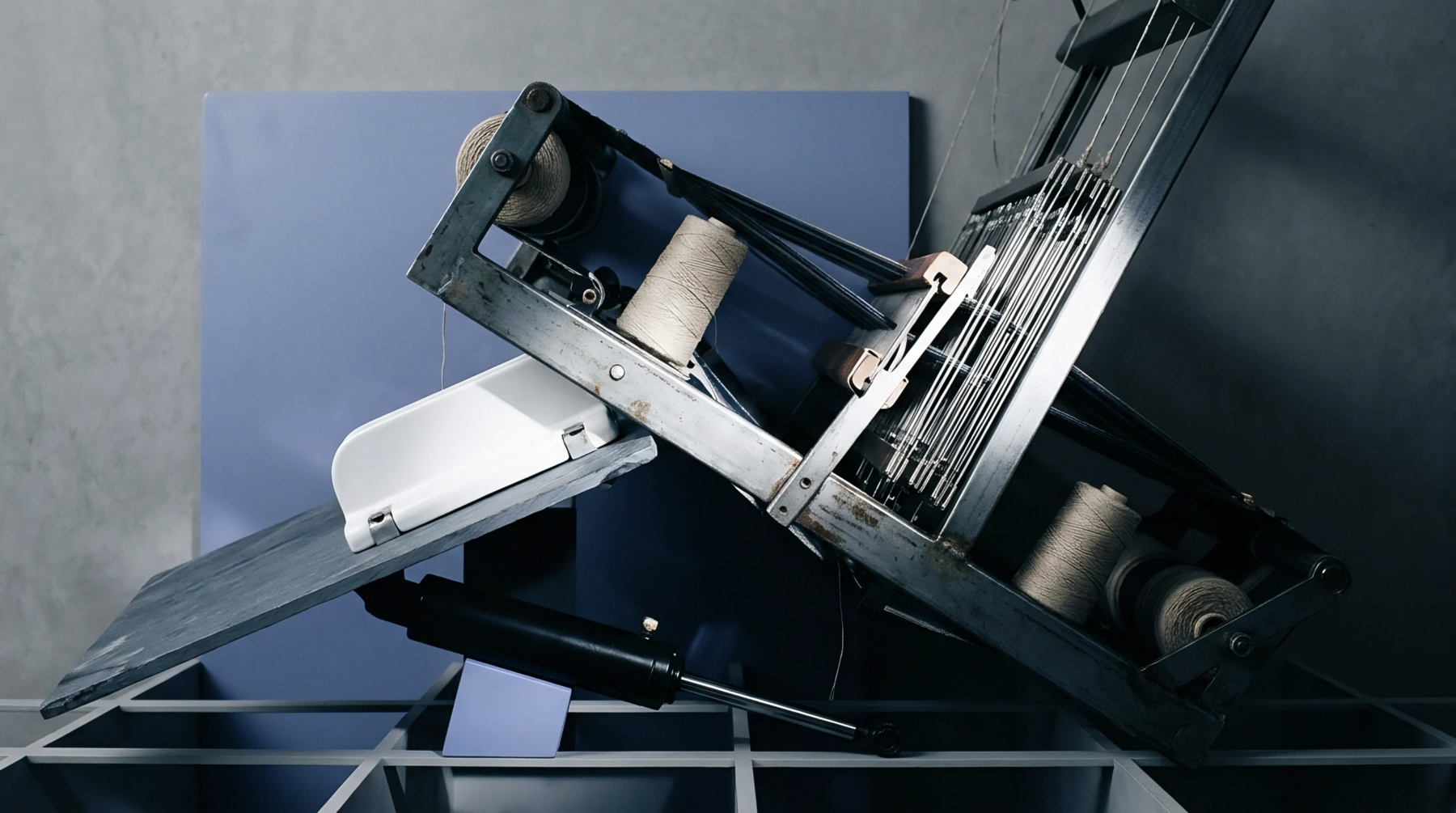
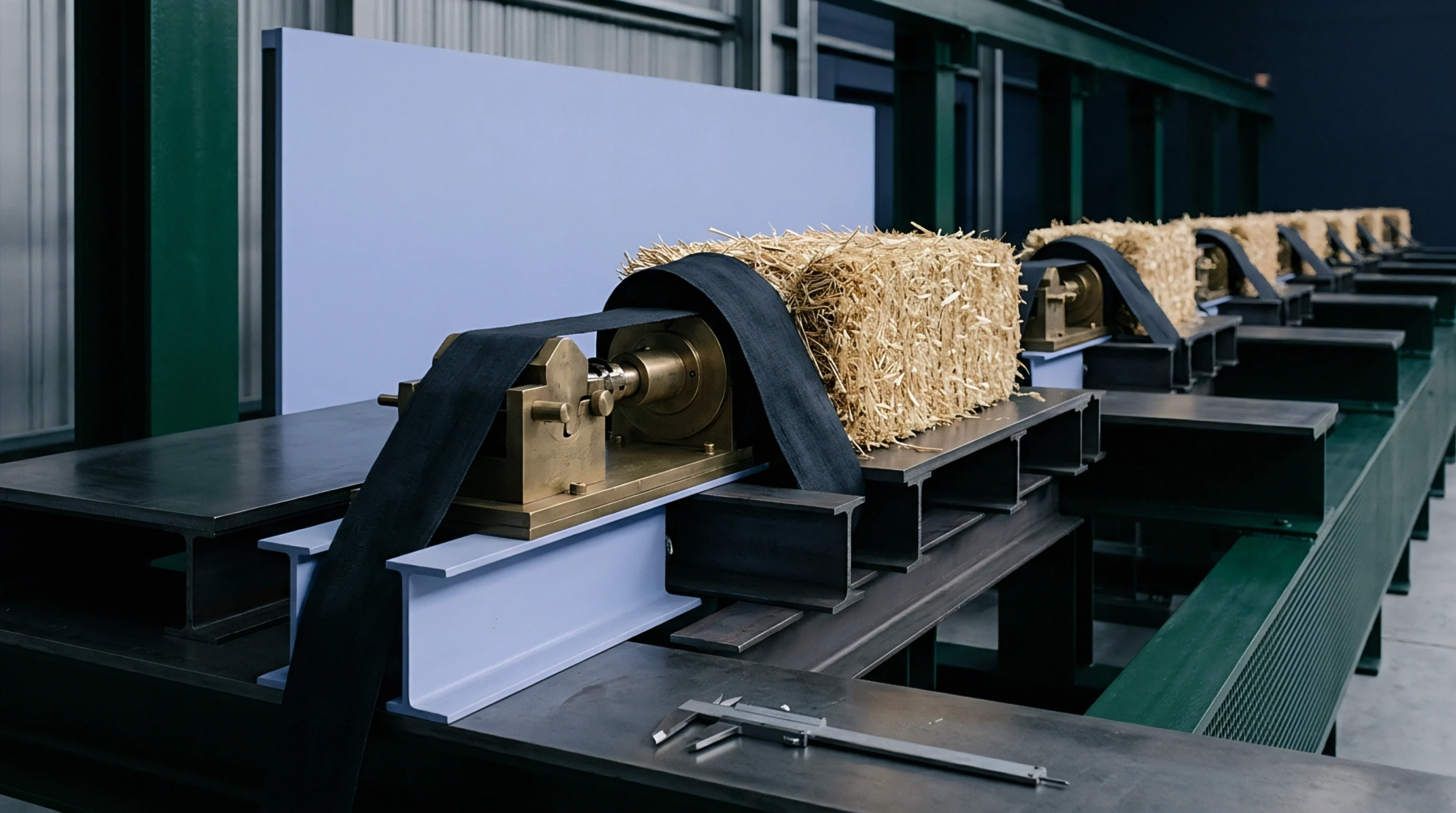
Fibre Relaxation
Mechanical elongation recovery operates during the intermediate processing stages of flax yarn preparation inside Chinese textile mills. Viscoelastic strain develops whenever wet spun roving undergoes tension on the drawing frame prior to ring spinning. Unrecovered deformation remains trapped within the pectin rich middle lamella of the botanical cell wall until thermal energy forces molecular rearrangement.
Plant operators monitor this delayed dimensional return to prevent irregular yarn diameter during high speed drafting.
Spinning Tension
Frame operators adjust weighted rollers to limit excessive mechanical stress during continuous strand attenuation. Excessive drafting velocity prevents natural polymer chains from returning to an equilibrium state before the final twist enters the roving. Production managers record residual elongation values on factory shift logs to verify that preparatory machinery meets buyer acceptance criteria.
Defective bobbin packages emerge when mechanical force exceeds the elastic limit of untreated bast fibers.
Cloth Verification
Final fabric inspection documents total deformation persistence across woven linen shipments destined for international export markets. Quality control technicians evaluate finished handkerchief weights against standardized benchmark tables issued by regional trade associations. Laboratory testing equipment applies cyclical loads to square meter swatches to determine dimensional recovery rates under ambient atmospheric conditions.
Commercial buyers reject textile shipments whenever permanent elongation exceeds maximum contractual tolerances established in pre shipment agreements.