Fibre Classification
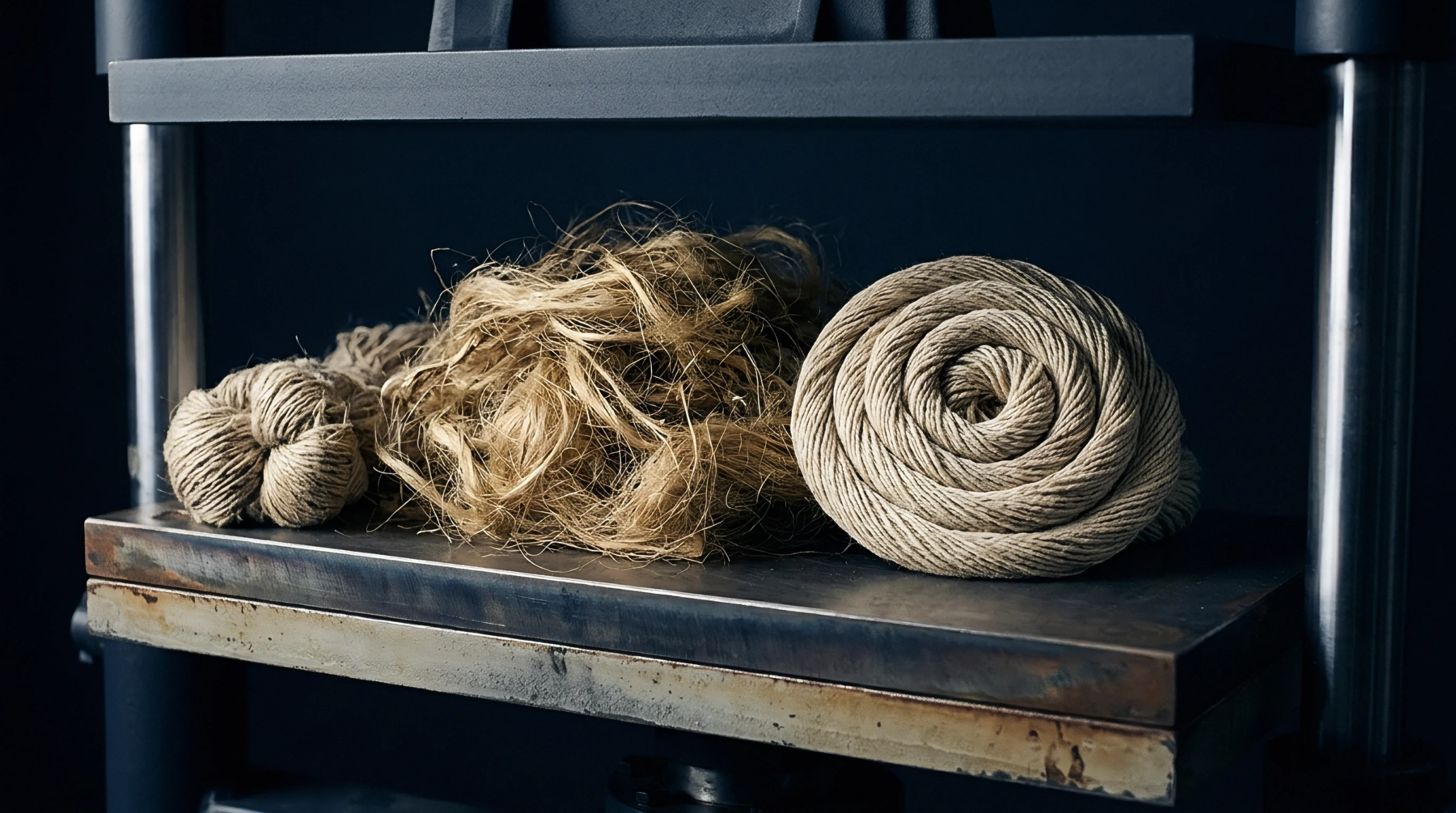
Raw flax material entering a spinning mill undergoes rigorous physical assessment under the designation HS 5301 to determine whether the harvest qualifies for fine linen production or must be relegated to coarser industrial twine. Inspectors examine scoured stems inside the grading room by measuring staple length and tensile strength against international standards, recording every metric on the official mill intake sheet. Once the batch receives this classification code, operators separate long line flax from broken tow before the material moves toward the heckling machines.
Flax fibre quality depends entirely on botanical maturity at harvest and subsequent retting conditions in the field, whereas fabric quality emerges later from yarn tension and loom density during the actual weaving process. Mills establish strict internal acceptance thresholds that often exceed standard commercial purchase contracts to guarantee zero defects in the final exported bolt.
Spinning Tolerance
Spinning frames demand absolute uniformity across every sliver fed into the drafting rollers, so technicians monitor raw stock density constantly to prevent yarn breakage during high speed production. Moisture content within the plant material alters elasticity dramatically, forcing operators to adjust atmospheric humidity inside the spinning hall whenever ambient weather shifts outside. Draught ratios must match the specific grade parameters recorded on the initial intake sheet or the resulting yarn develops thick spots that fail subsequent laboratory pull tests.
Spindles rotating at maximum velocity create immense mechanical stress along the strand, making any underlying weakness in the natural plant material immediately visible as a snapped thread on the floor.
Export Verification
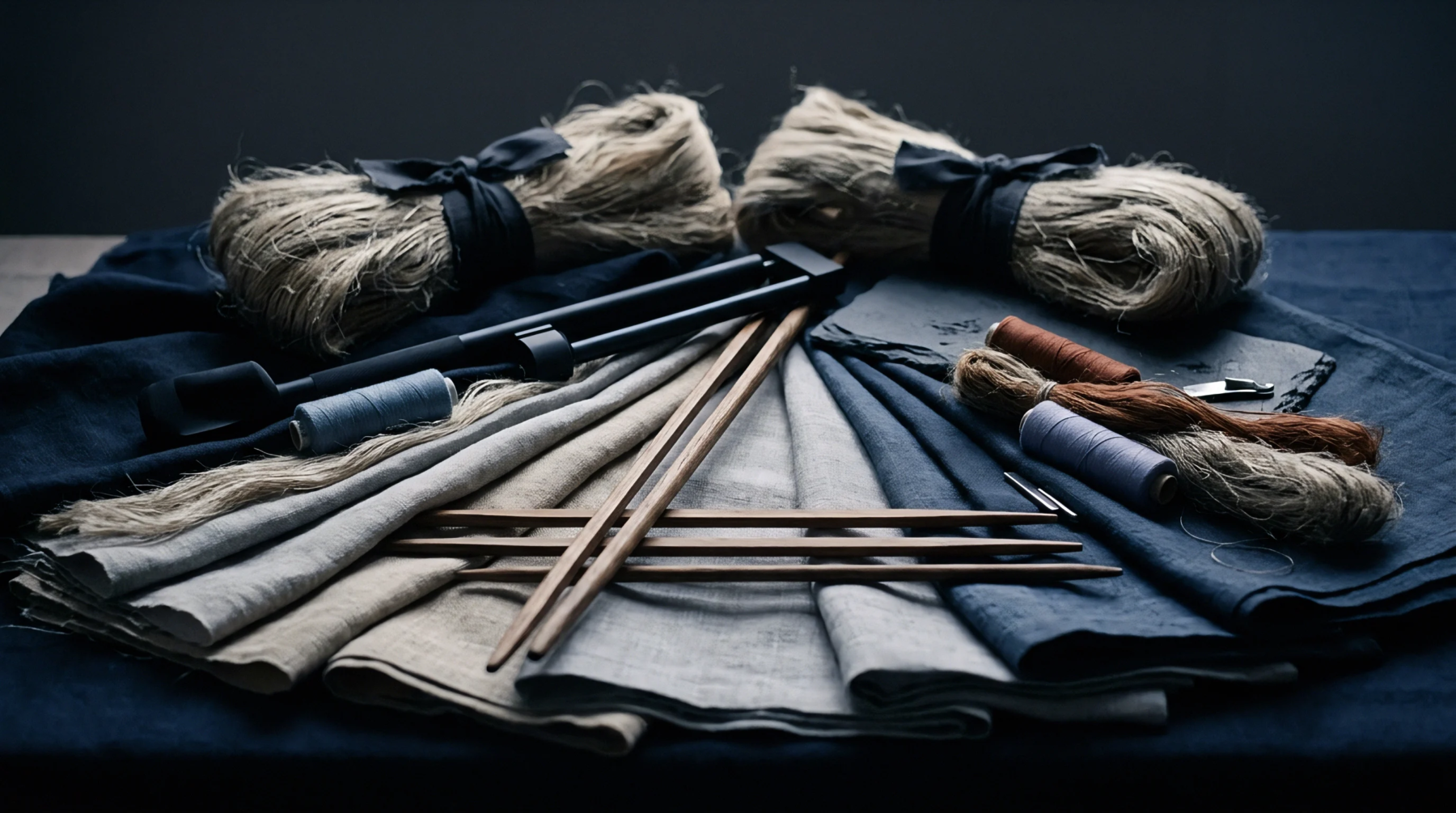
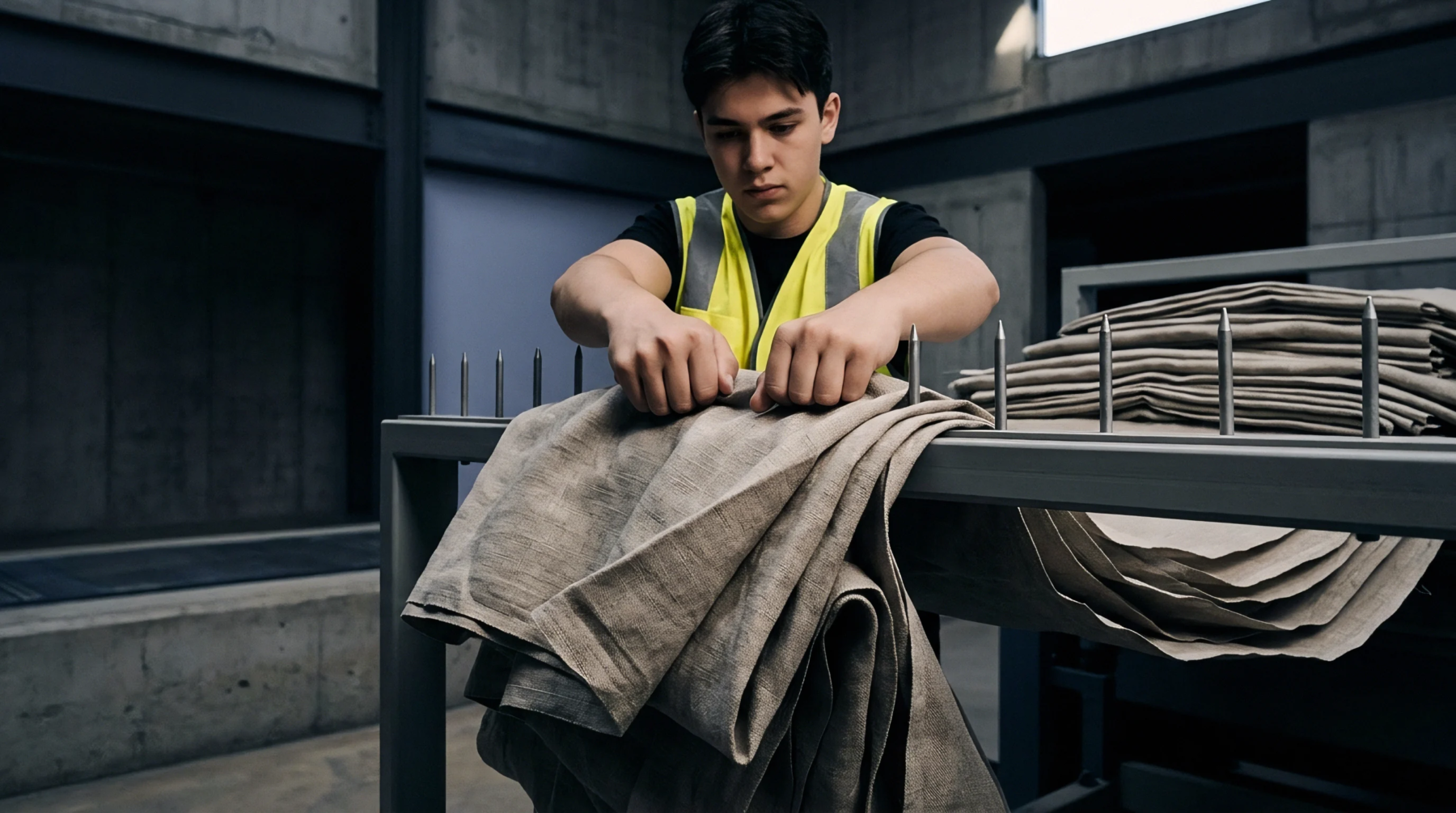
Finished textile bolts undergo final visual and mechanical inspection before packaging for international shipment, ensuring that all physical attributes align with the commercial purchase order agreed upon months earlier. Independent auditors test random samples from the final container load for dimensional stability and tear resistance, stamping the export certificate only when all measured values satisfy the contractual baseline. Documentation accompanying the shipment lists the exact provenance of the original plant material alongside processing logs generated during wet spinning and power loom weaving.
Customs authorities rely on these verified records to clear outgoing cargo through port terminals without demanding destructive physical testing of the sealed bales. Commercial disputes between buyers and mills typically arise from disagreements over moisture regain percentages rather than inherent defects in the underlying botanical structure.