
Where Linen Comes from and How Origin Is Documented
Linen origin rests on Western European raw flax scutching records linked through batch transaction certificates and mill mass-balance audits to finished bolts.
Linen origin rests on Western European raw flax scutching records linked through batch transaction certificates and mill mass-balance audits to finished bolts.

Non-cellulosic residue fractions in flax sliver govern drafting stability, spinnable metric count, and true yarn yield; residual pectin exceeding 1.8 percent spikes end breakage and erodes landed cost discounts.

Calculating real landed fabric cost requires dividing hourly loom shed rates by efficiency-adjusted yield and adding verified yarn loss, finishing shrinkage, and freight.

High-speed mechanical scutching and hackling induce cell wall dislocations in flax bast fibers, directly degrading yarn tenacity and fine-count spinning yield.
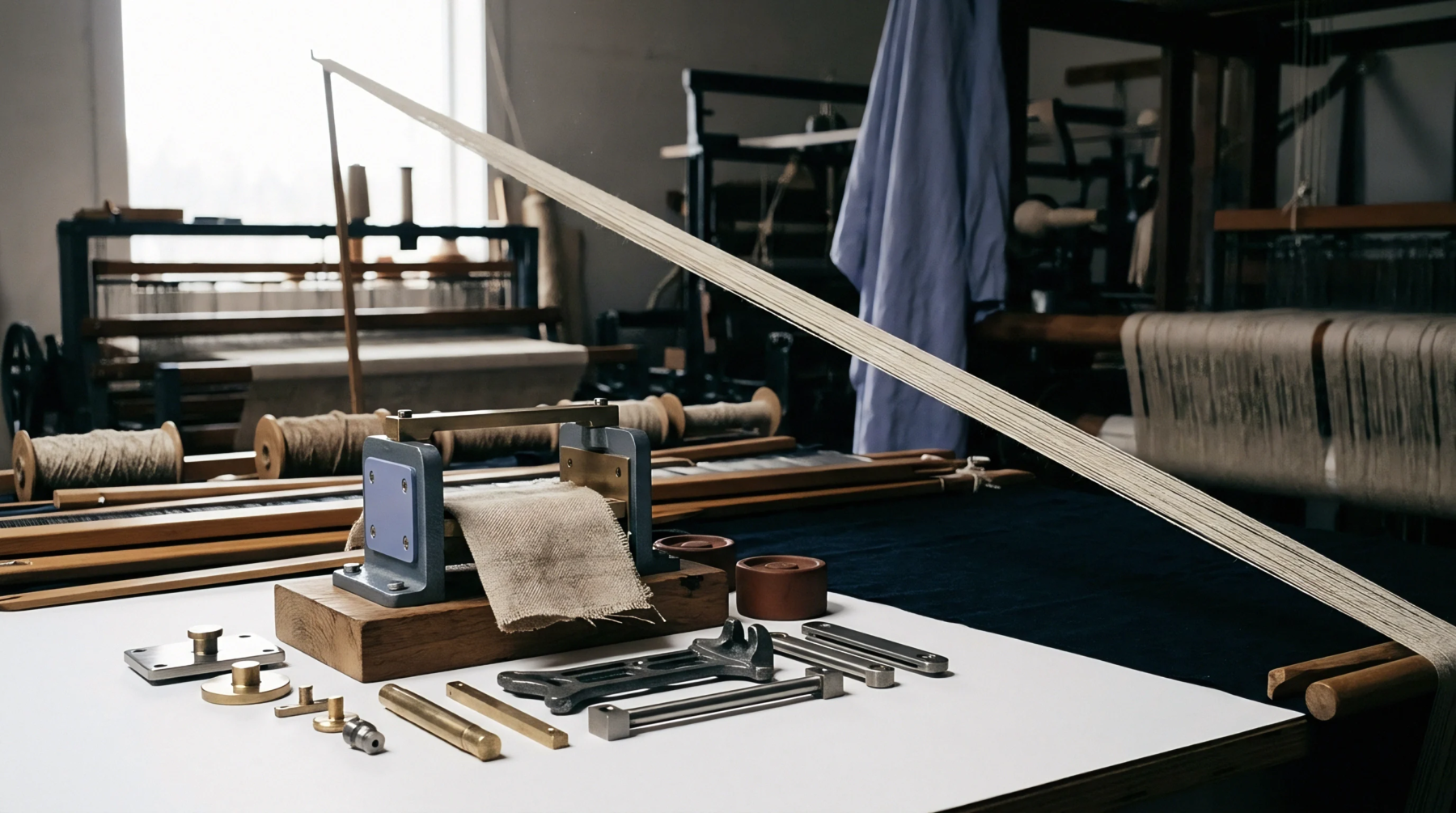
Linear density conversions for linen require applying official moisture regain factors to Lea and Tex counts to fix structural fabric weights accurately.

Primary rapier trim scrap depends on insertion geometry rather than fabric width, requiring exact tail length modeling to prevent yarn yield deficits.
Landed linen metre cost depends primarily on hackling line yield, where each percentage loss in combed sliver inflates yarn preparation costs down the loom.

Wet-spun flax yarn commands higher per-kilo pricing due to hackling loss, while dry-spun tow yarn offers cost efficiency for counts under twenty metric.

Deriving finished linen weight from greige density factors requires adjusting thread counts for dimensional contraction while subtracting non-cellulosic scour loss.

Secondary wall microfibrillar angle directly limits wet spun line yarn tenacity by setting crystallite load distribution before trough degumming.

EU and US customs diverge on cottonized and degummed bast fibers, where residual lignin cutoffs trigger reclassification from zero-duty Chapter 53 to taxed staple fiber subheadings.

European Flax ring spinning mass balance audits require moisture-adjusted dry fiber weight reconciliation across every transformation stage from raw bale to spun package.

Commercial moisture regain recalculations convert received damp flax mass to clean dry mass plus standard allowances, eliminating paid water weight from invoices.

Flax wet bundle cohesion limits depend on pectin esterification, where levels between 38 and 48 percent optimize drafting resistance and yarn count.
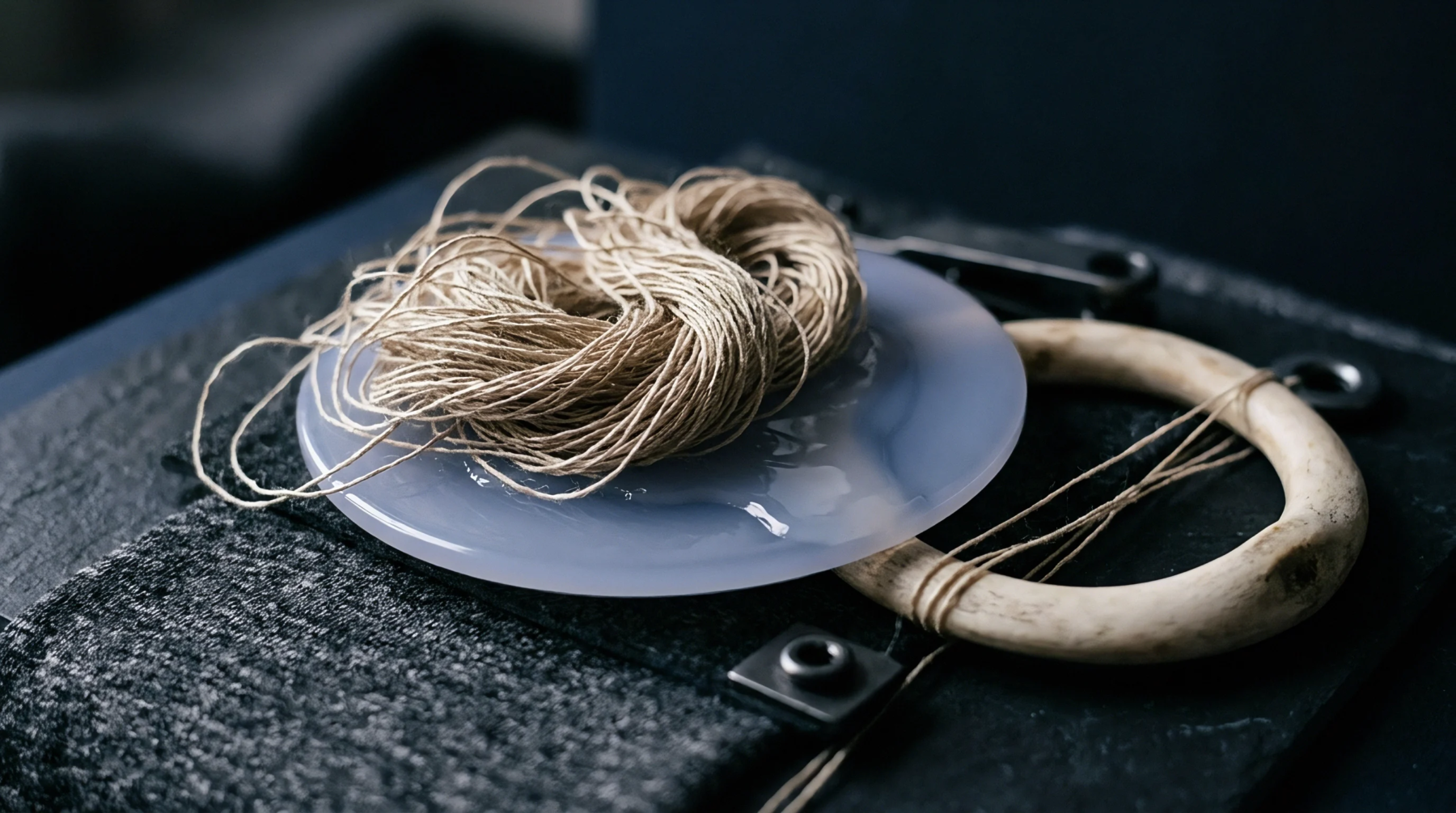
Wet spinning Heilongjiang line flax demands 65°C trough baths, 42 mm reach settings, and draft ratios under 16 to secure high-tenacity Nm 36 to 60 yarn.
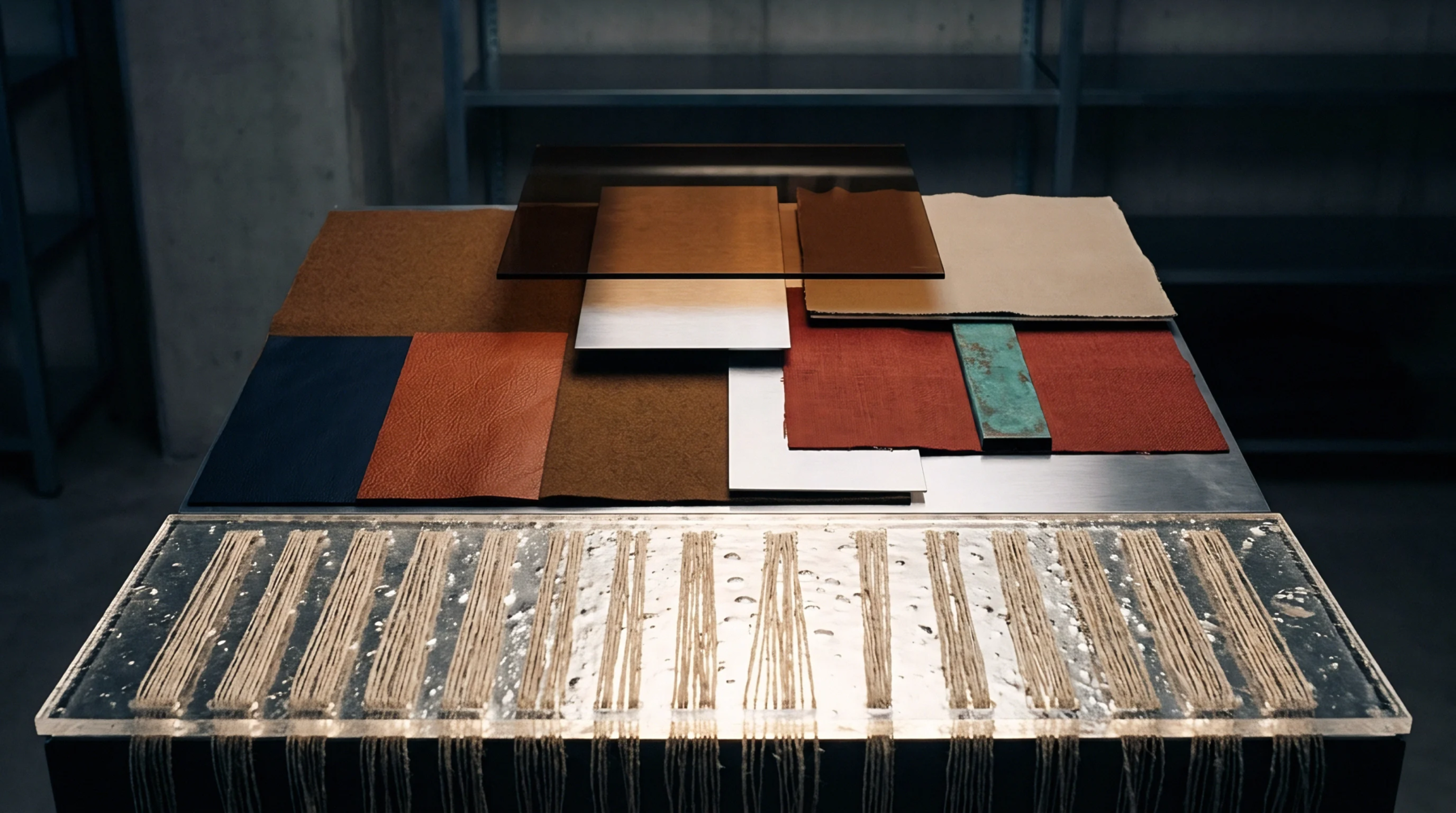
Linen conversions scale from 1653.5 over Tex while warp jamming occurs where Lea cover factors exceed 18.2 in plain weaves and 23.5 in twills.
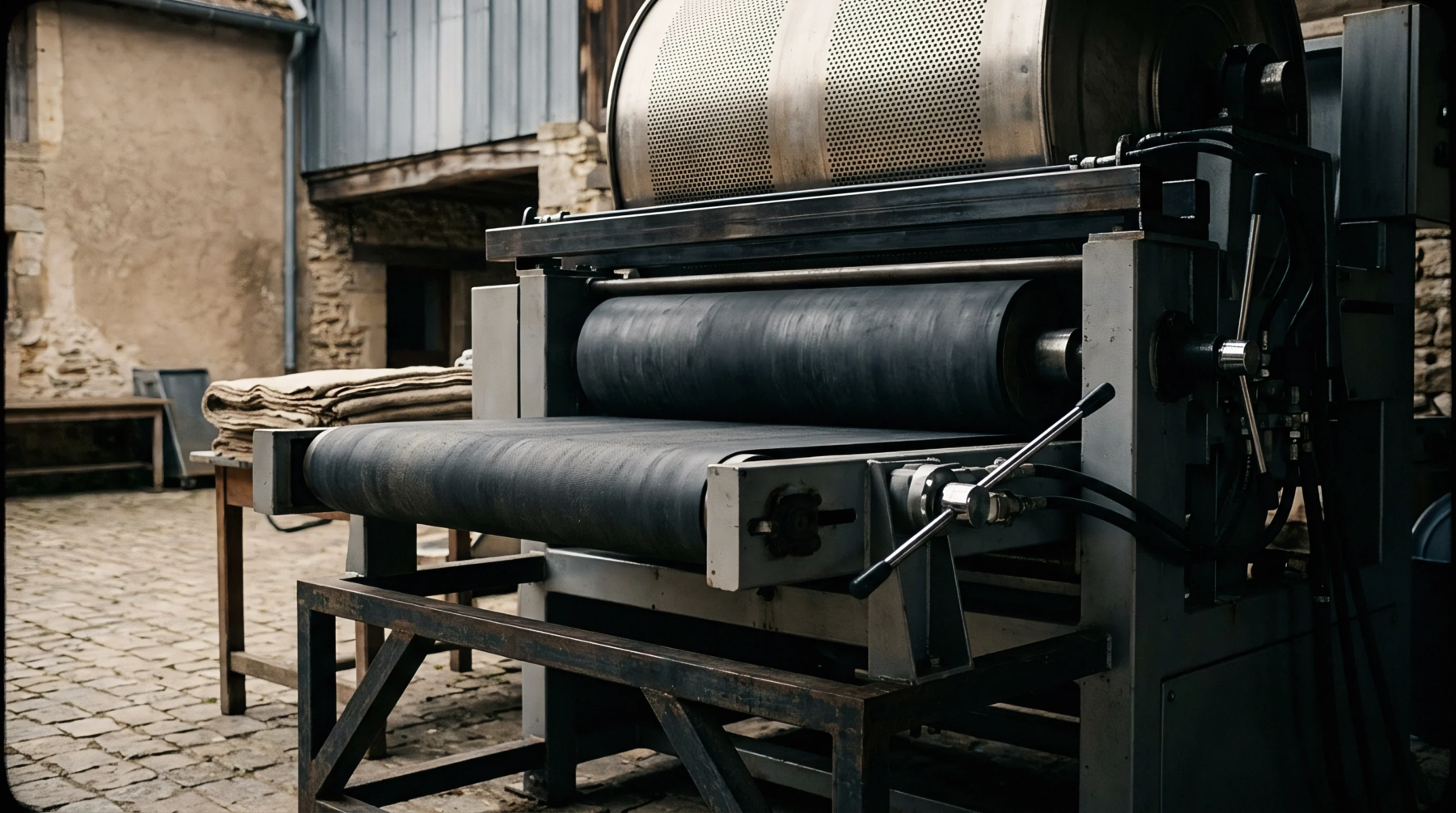
Landed weight adjustments convert raw weighbridge bale mass to certified dry cellulose plus twelve percent commercial regain to settle cross border flax invoices.

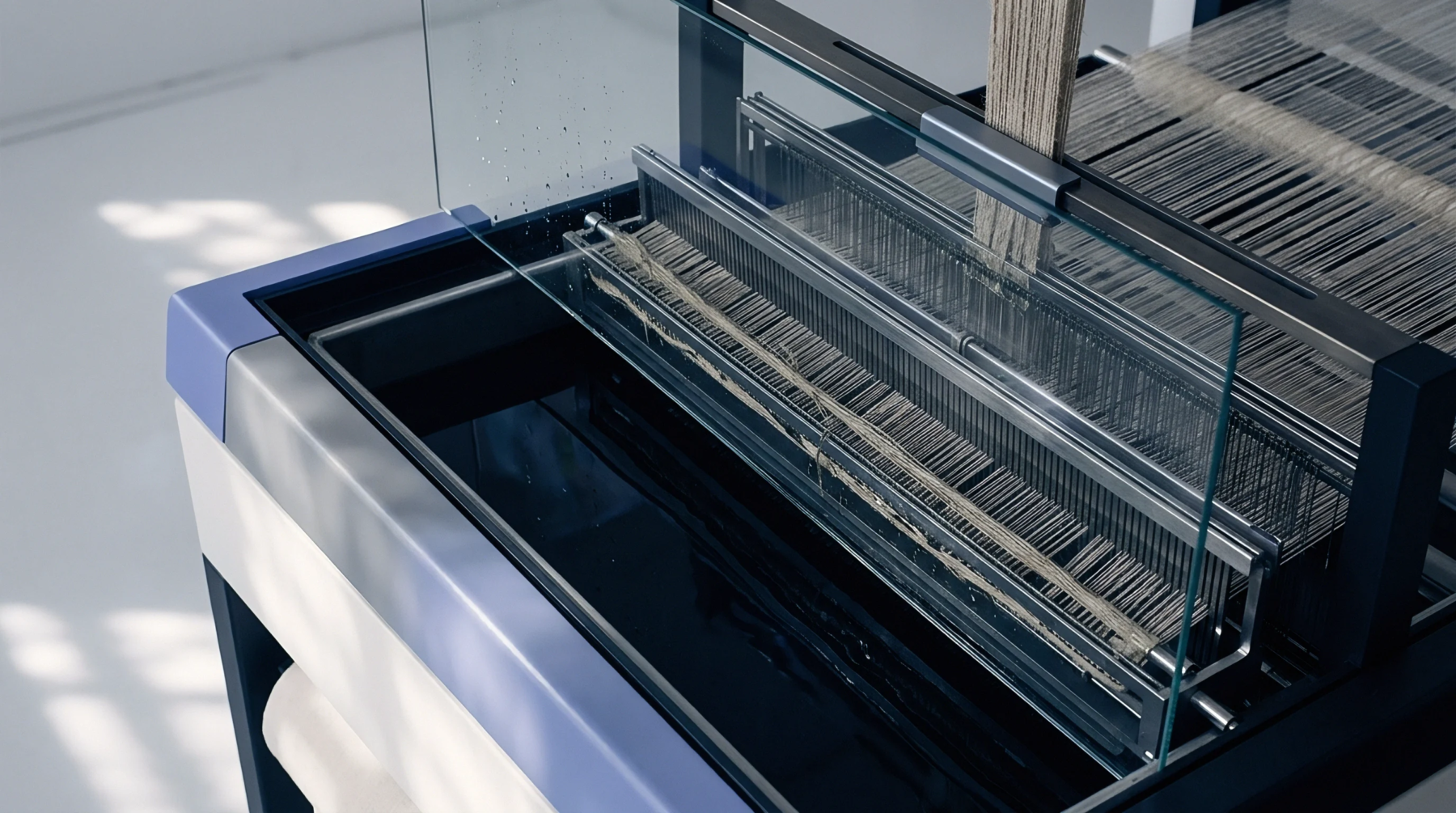
Trough liquor at 55 to 75 degrees Celsius softens flax pectin lamellae, allowing low-tension drafting of elementary cells into high-count linen yarns.

Flax cell wall swelling widens microfibrillar helices and amplifies woven crimp paths, demanding planned warp take-up allowances on the loom beam.

Capping peak cyclic warp tension below thirty-five percent yarn tenacity stabilizes dense wet spun flax tabby production at 340 picks per minute.

European Flax scope requirements enforce strict farm-to-scutcher physical custody, requiring valid transaction certificates and audited mass balance yields.
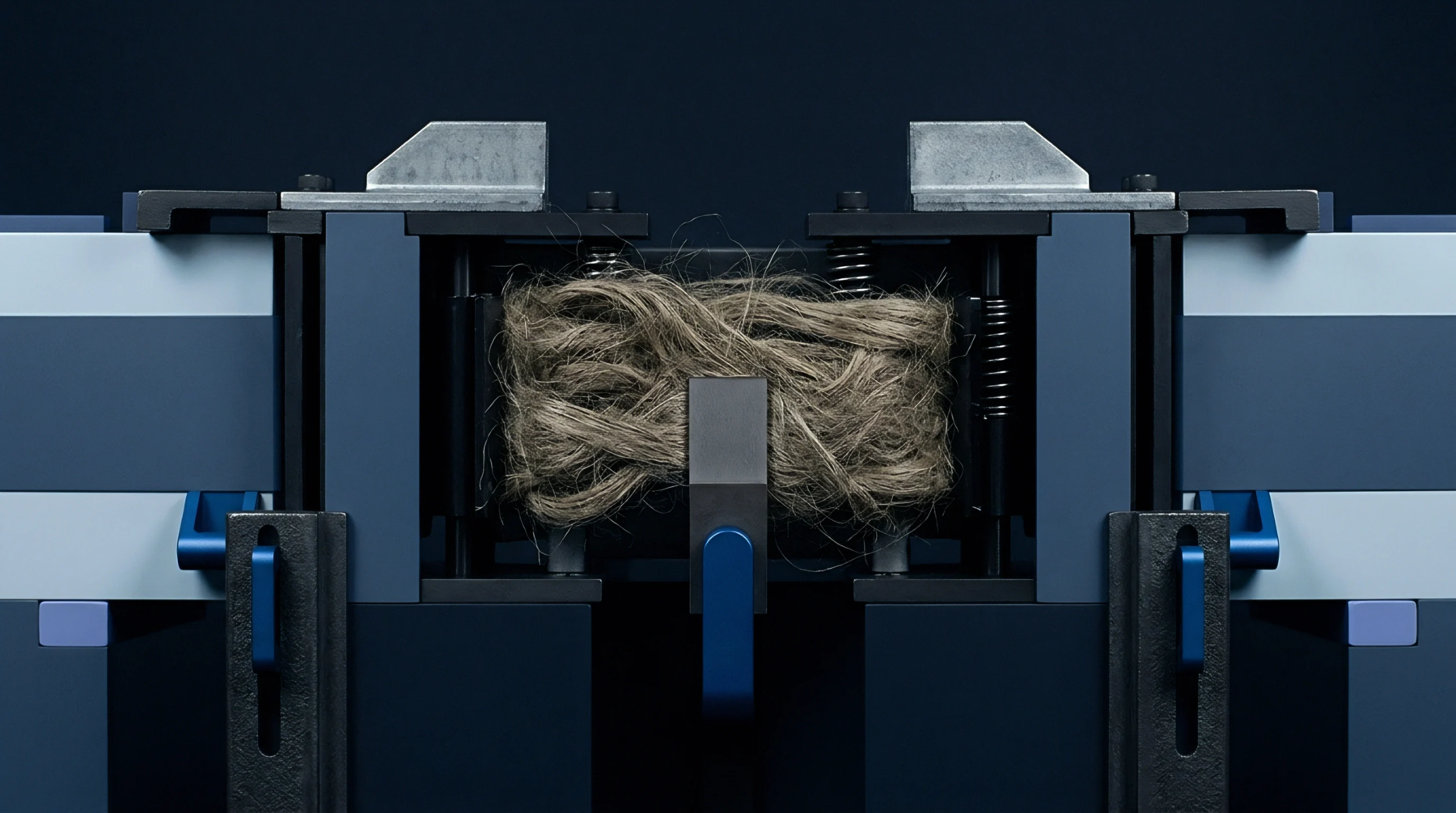
Dynamic bundle dissociation kinetics and non-linear drafting force scaling require staged pin densities to prevent transverse fiber fracture and drafting waves.
Reconciling linen yarn creel certificates against machine logs requires balancing electronic pick counts and waste tares directly against certified cone mass.
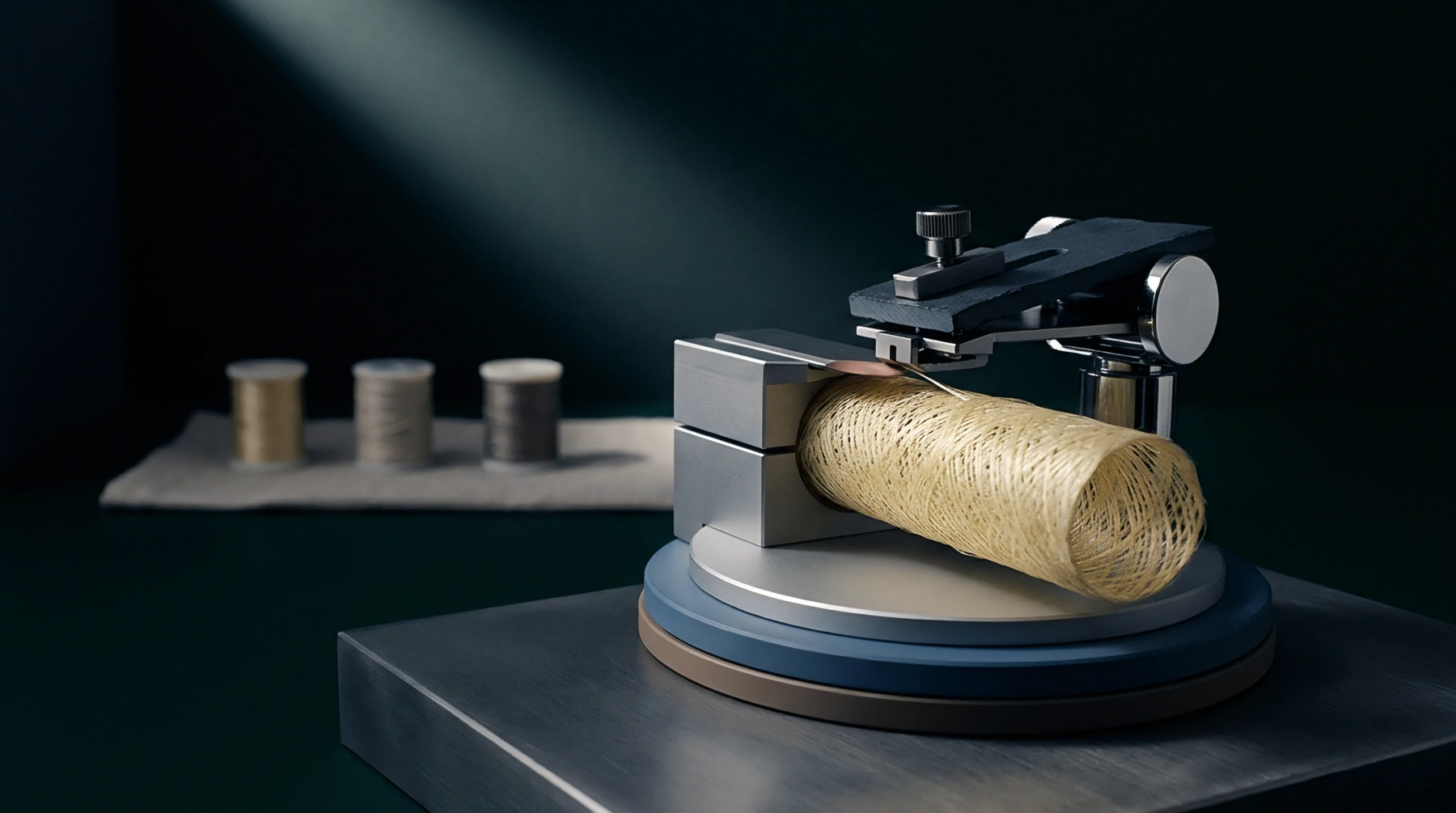
Optical cross section analysis determines true flax bundle diameter by calculating equivalent circle dimensions from segmented polygon areas in cured epoxy mounts.
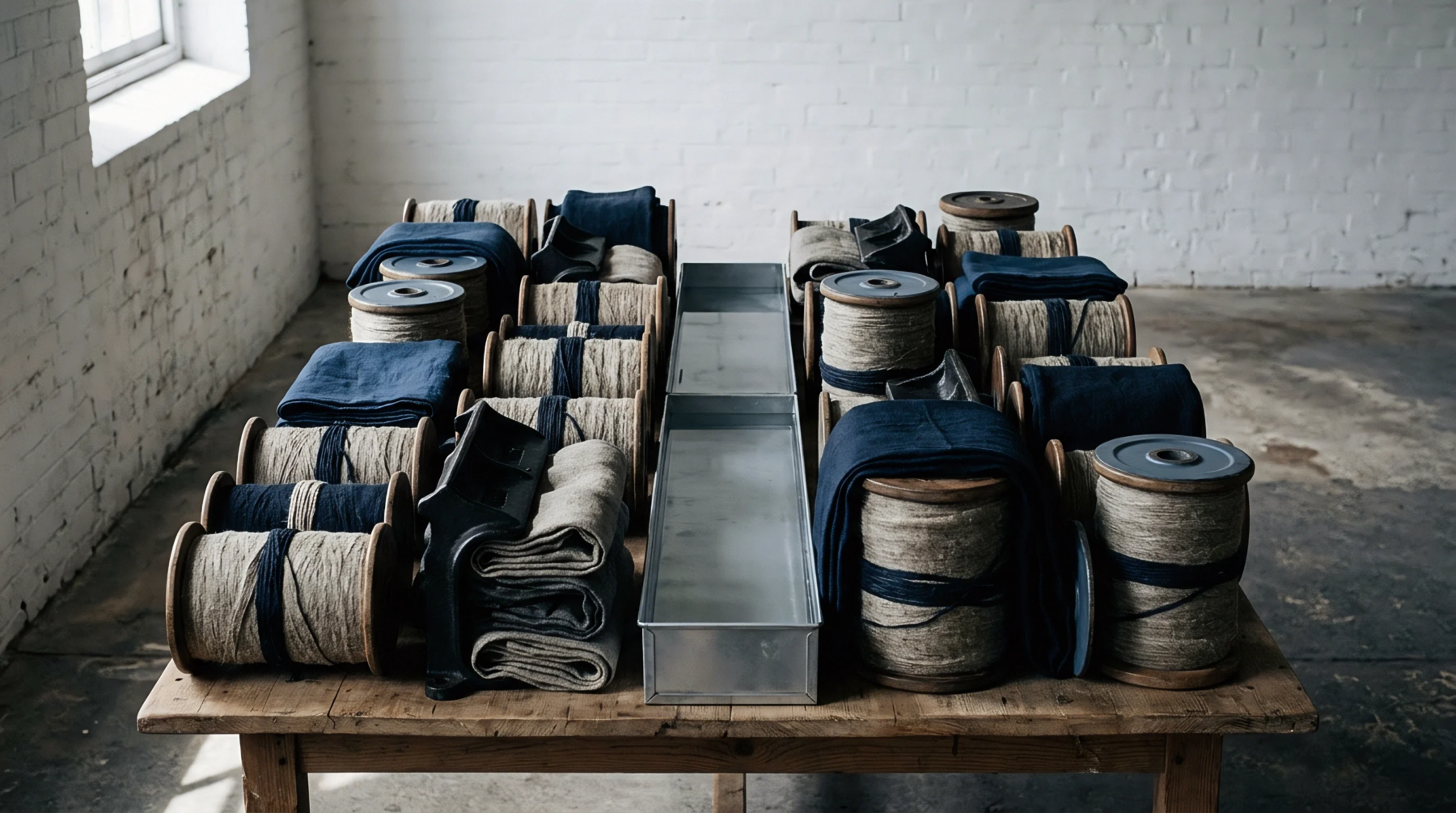
Basic fractional cover factor calculations in linen require adjusting nominal yarn diameter for flax packing density and beat-up flattening before computing combined system surface cover.

Enzymatic scouring weakens flax middle lamellae using pectate lyase, splitting bundle diameters from 80 to 25 micrometers to enable fine wet-spun yarns

Dynamic sliver cohesion between 16 and 22 cN/ktex under controlled trough temperatures prevents drafting waves and high-speed wet spinning end breaks.
Endoglucanase cuts amorphous cellulose before lignin softens, causing elementary fibres to snap under drafting tension instead of sliding across bundle boundaries.
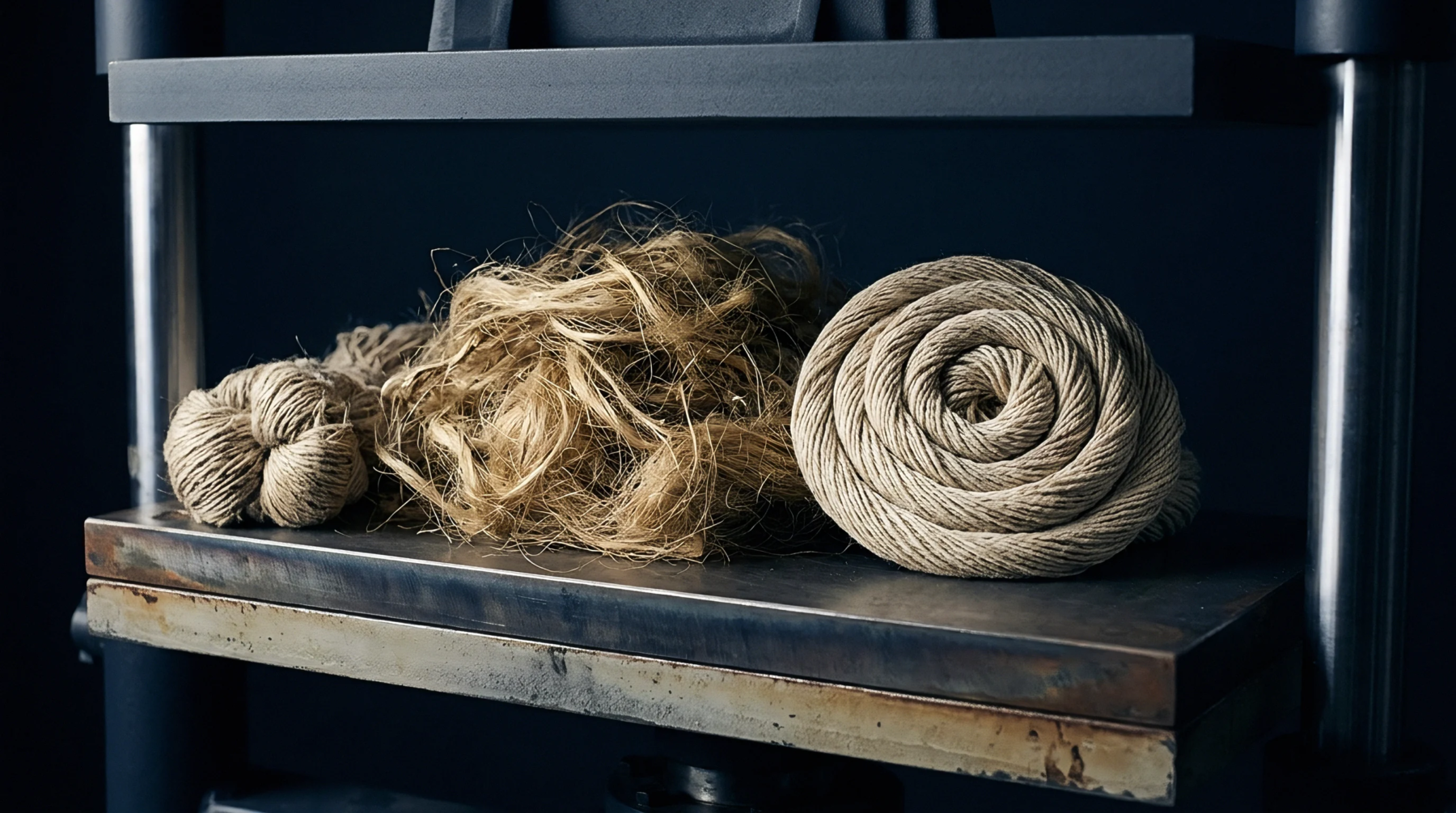
Hackled flax sliver mass determination combines exact cut-length gravimetric sampling with oven-dry correction to verify linear density and commercial invoice mass.

Linen finished GSM equals unsized greige GSM multiplied by mass retention yield and divided by combined longitudinal and transverse area contraction factors.
Expertise is a utility, not a secret. sentiention™ publishes its working knowledge as open reference: intelligence layer covering the materials it sources, the markets it enters, and the reference that serves both.