Fibre Measurement
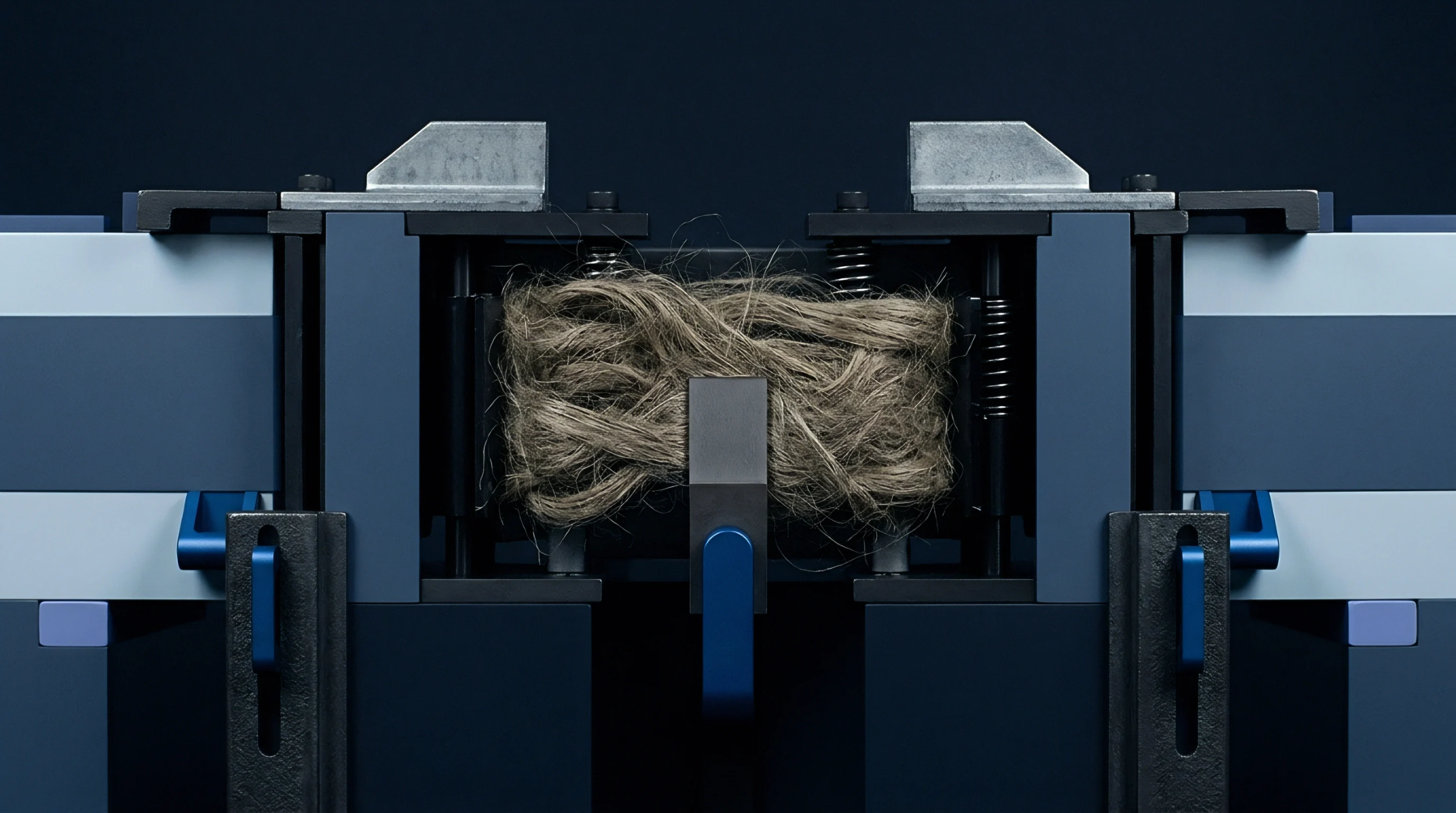
Linen processing facilities quantify the short, broken flax strands removed during the initial combing operation to determine the waste ratio of a raw batch. Drawing tow represents these secondary fibres which lack the continuous length required for primary yarn spinning yet possess sufficient integrity for coarser textile production. Mills calculate the mass of this material against the incoming weight of the raw flax to establish the efficiency of the hackling process.
Strict documentation keeps these weights separate from the top grade line production.
Process Classification
Secondary strands undergo specific mechanical treatments to improve consistency before they enter the spinning frames designated for lower grade yarns. Operators adjust the drawing tow through a series of rollers that parallelize the fibres into a manageable sliver. This stage regulates the density of the strand to ensure the spinning machines maintain an even tension.
Variations in the moisture content of the room often dictate the speed at which these rollers operate.
Economic Boundary
Textile export contracts define the financial value of these short fibres by setting limits on the permitted percentage of waste per kilogram of processed flax. Buyers confirm that drawing tow remains categorized as a byproduct of the primary spinning process rather than a standalone raw material. Suppliers identify the output by verifying that it meets the minimum fineness standards set by the mill for domestic secondary markets.
Proper separation during the hackling phase ensures the final bale contains no contaminants from the root or shive ends. The presence of this fibre defines the total yield efficiency of the entire flax conversion line.