
Standard Moisture Regain Determination Methods for Line Flax Imports
Standard moisture regain for line flax imports is fixed at 12.00% over oven-dry mass under ISO 6741-1 to convert gross landed mass into billable mass.
Standard moisture regain for line flax imports is fixed at 12.00% over oven-dry mass under ISO 6741-1 to convert gross landed mass into billable mass.

Long staple flax grading and precision hackling control sliver yield, wet-spinning yarn count limits, and delivered fabric cost per metre.

Enzymatic line flax degradation slashes hackling yield and count potential, demanding laboratory proof of tensile loss to enforce direct contractual debits.

Determining flax metric number requires oven-dry gravimetric cut-and-weigh testing under ISO 2370 to establish true bundle linear density before spinning.

Effective calcium chelation during warm-water retting breaks middle-lamella pectates, boosting hackled line yield above 48% and preserving wet-spinning tenacity.

Epicuticular lipid mass fractions between 1.3 and 2.1 percent preserve hackled line yields by moderating pin friction during bundle cleaving.
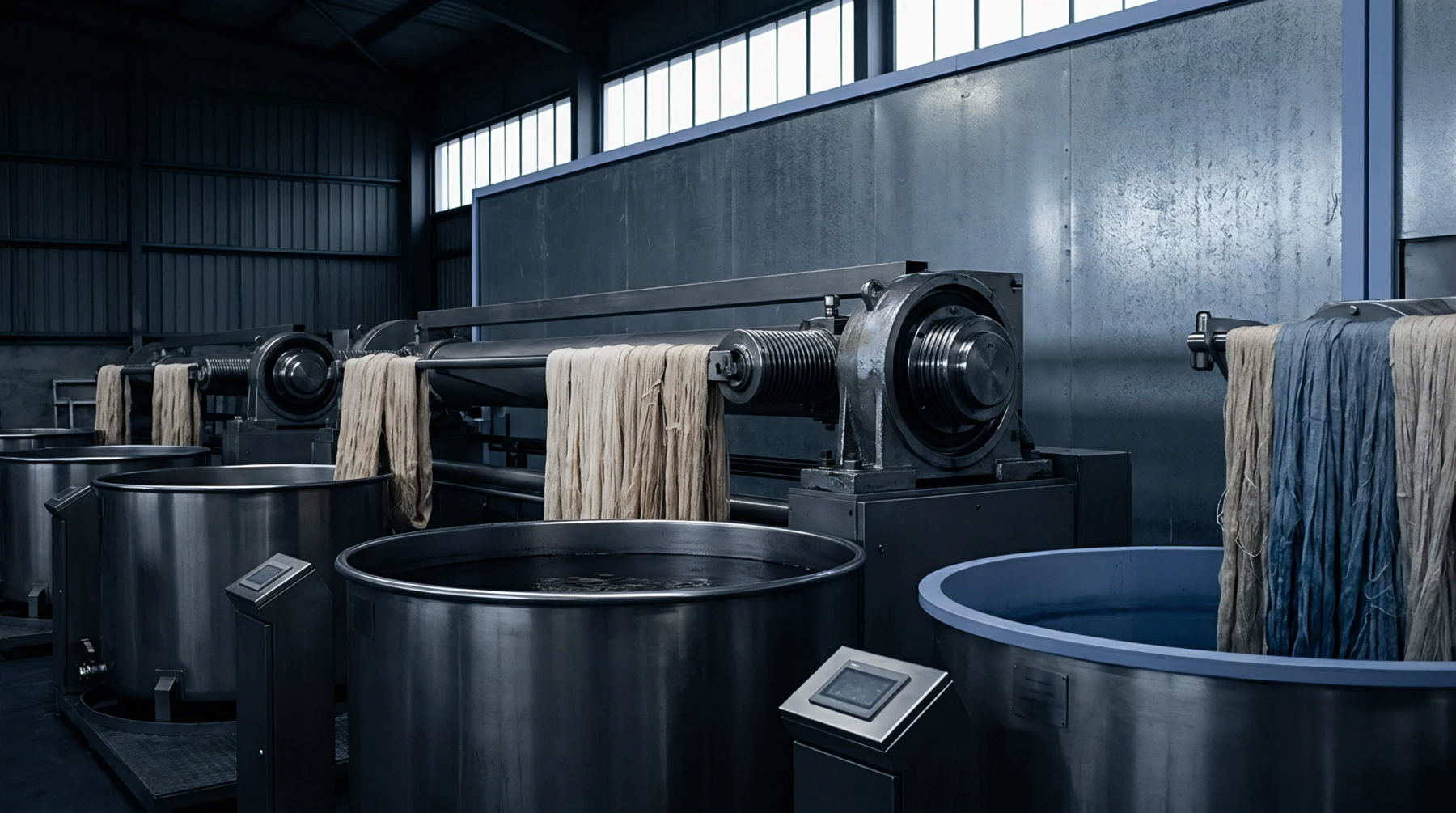
Endoglucanase cuts amorphous cellulose before lignin softens, causing elementary fibres to snap under drafting tension instead of sliding across bundle boundaries.

Airflow differential pressure models for dew-retted flax sliver require secondary compressibility factors to maintain linear density accuracy within 1.5 percent.
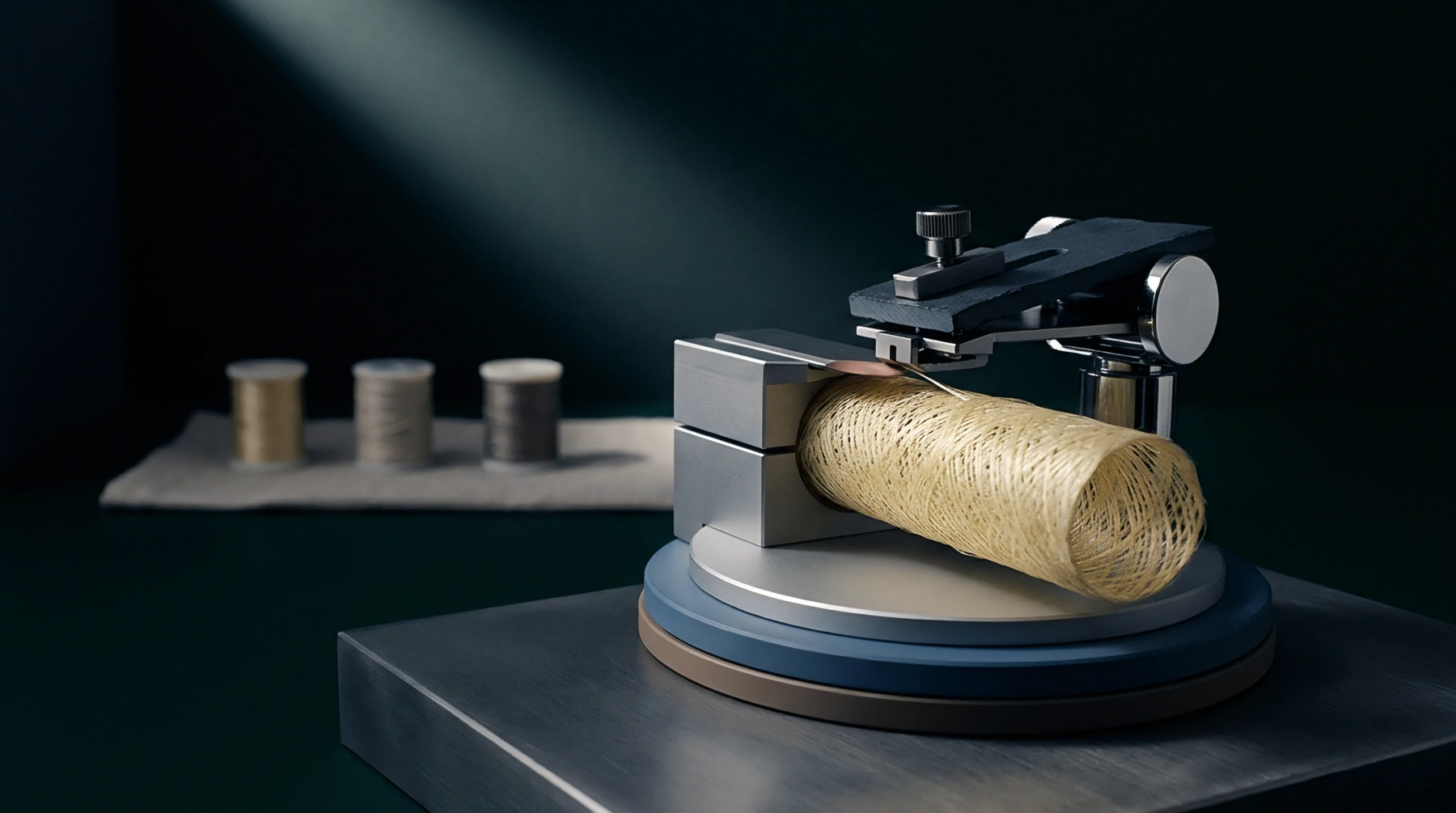
Optical cross section analysis determines true flax bundle diameter by calculating equivalent circle dimensions from segmented polygon areas in cured epoxy mounts.

Reconcile scutched flax mass balance ledgers by applying BISFA moisture regains, verified hackling yield fractions, and a rolling twelve-month credit window.
Controlled hot water soaking leaches middle lamella pectins so drafting roller shear divides technical bundles into elementary fibrils without fibre fracture.

Ocean microclimates generate steep radial moisture gradients in dense flax bales, rendering single-core regain tests inaccurate for invoicing and spinning prep.
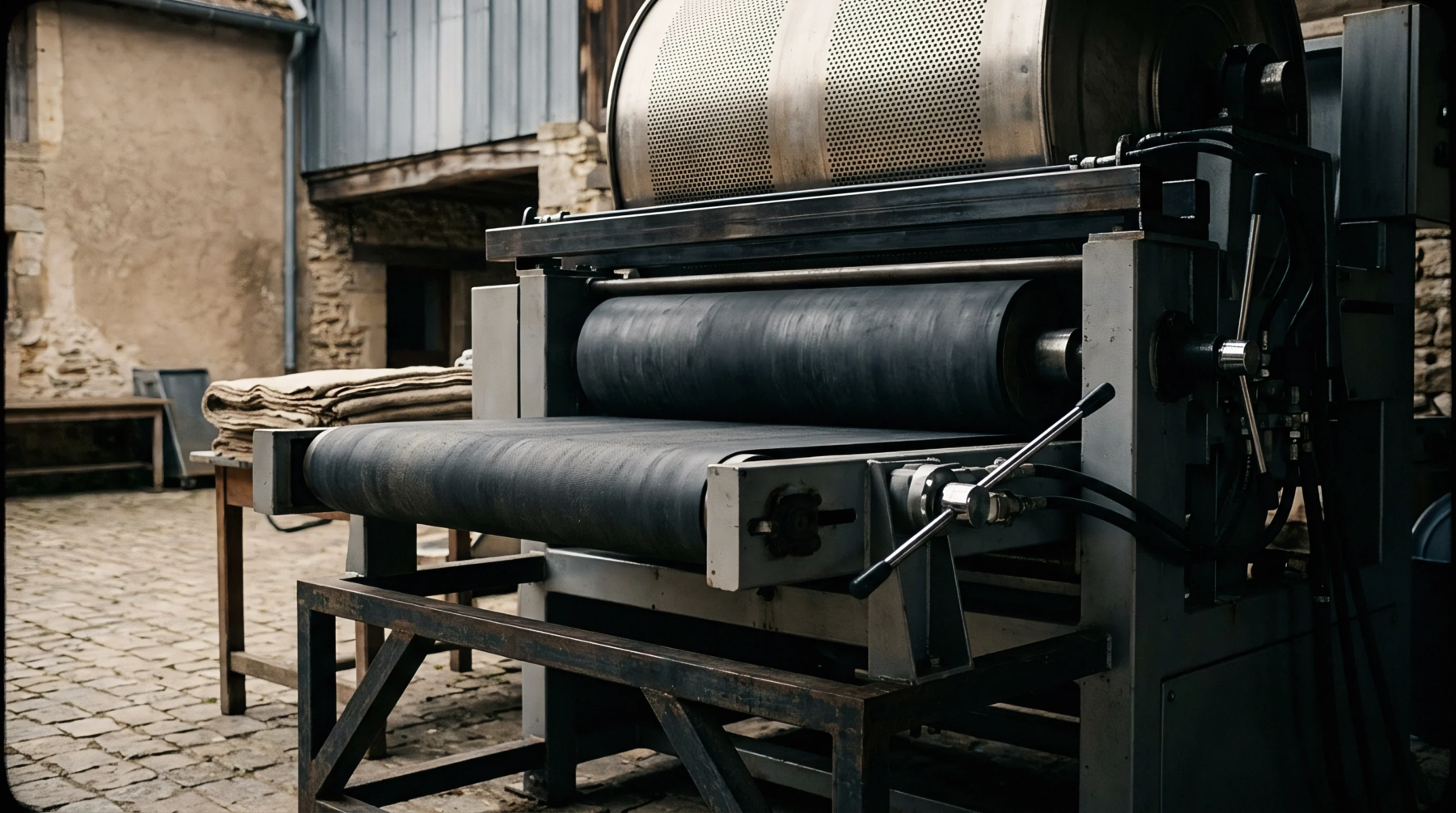
Landed weight adjustments convert raw weighbridge bale mass to certified dry cellulose plus twelve percent commercial regain to settle cross border flax invoices.

Selecting scutched line flax for high-count wet spinning requires sub-2.2 tex bundle fineness, Pressley tenacity above 6.8, and 12% moisture regain verification.

Calibrating optical snippet analyzers for bast fibers requires empirical polynomial form factors to correct projection bias caused by non-circular ribbon cross sections.

Spectrogram thresholds for flax sliver autolevelers must isolate the broad drafting wave from sharp mechanical chimneys, restricting draft corrections to wavelengths above two metres.

Optimizing hackling pin density requires matching pin pitch progression directly to the scutched flax length array to maximize fine line yield while preventing fibre breakage.
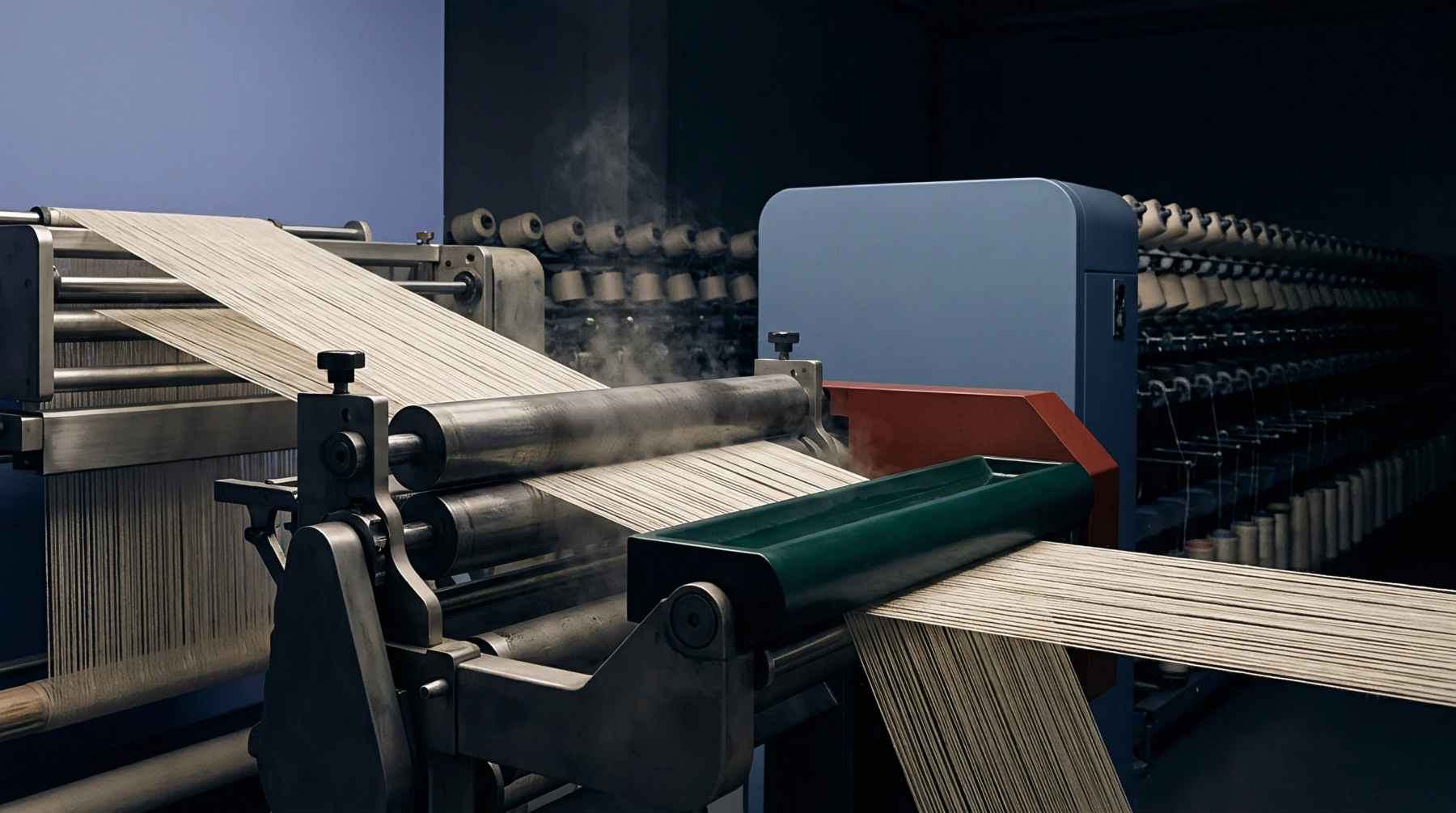
Commercial mass calculations based on ISO 6741 oven-drying protocols protect buyers from paying landed mass prices on sea-transit moisture uptake in flax.
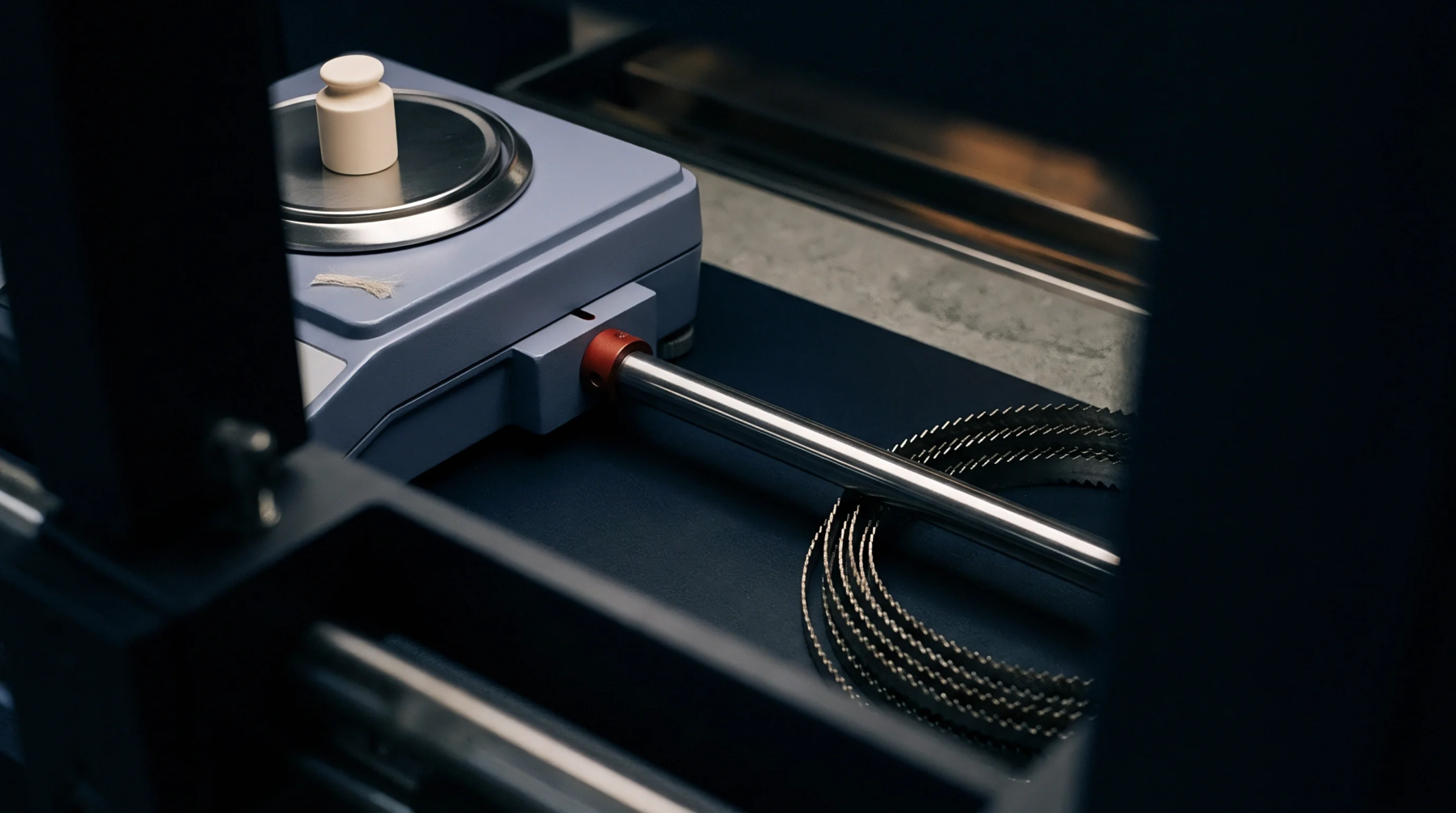
Accurate gravimetric testing of line flax linear density demands dry mass weighing and standard twelve percent regain adjustment per ISO 6741.
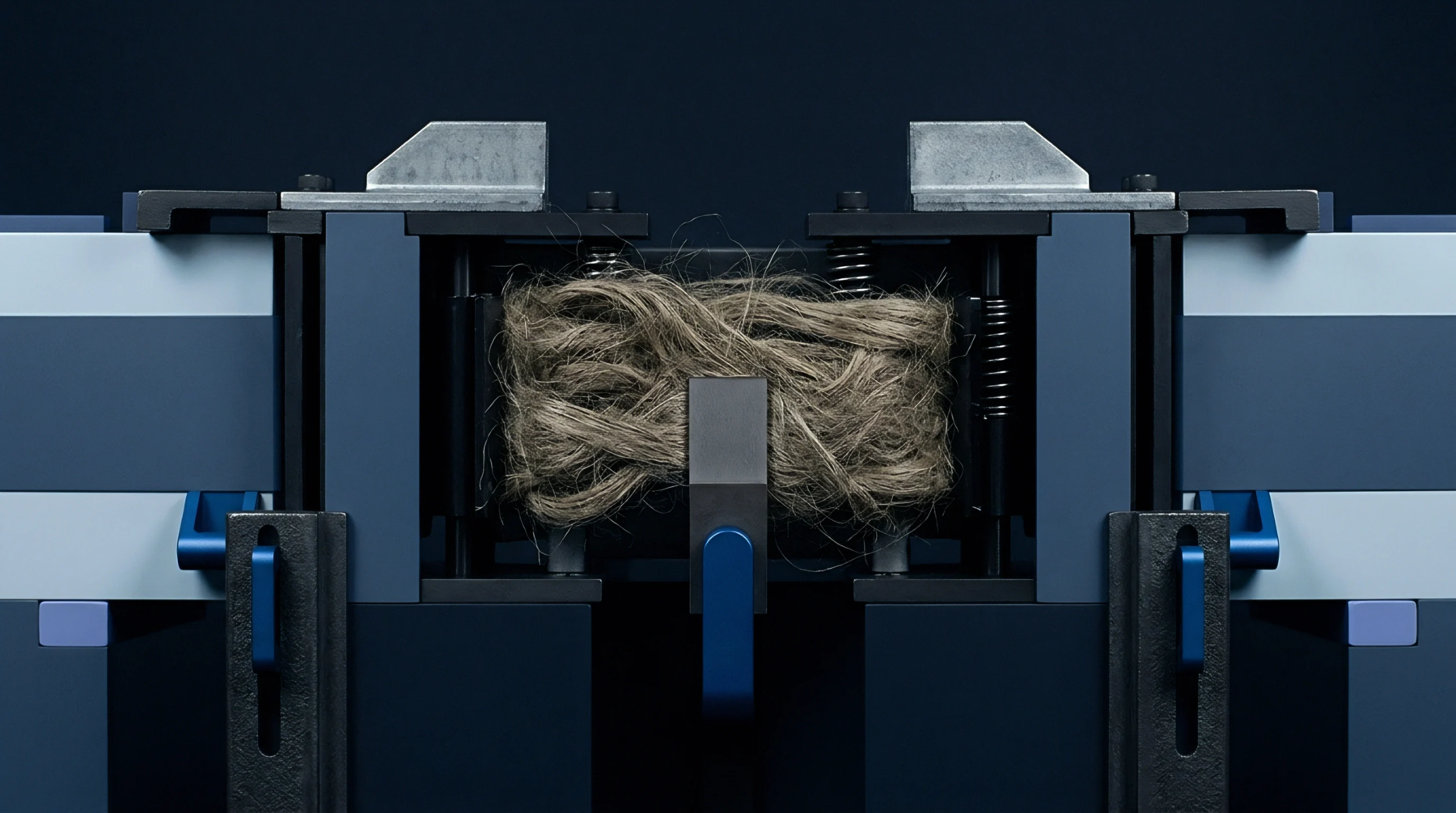
Detect short-staple flax blends in combed line sliver using comb sorter mass arrays and ISO 2370 air permeability tests to stop drafting breaks.
Expertise is a utility, not a secret. sentiention™ publishes its working knowledge as open reference: intelligence layer covering the materials it sources, the markets it enters, and the reference that serves both.