
Hand-Loom Samples against Three Thousand Metres on a Night Shift
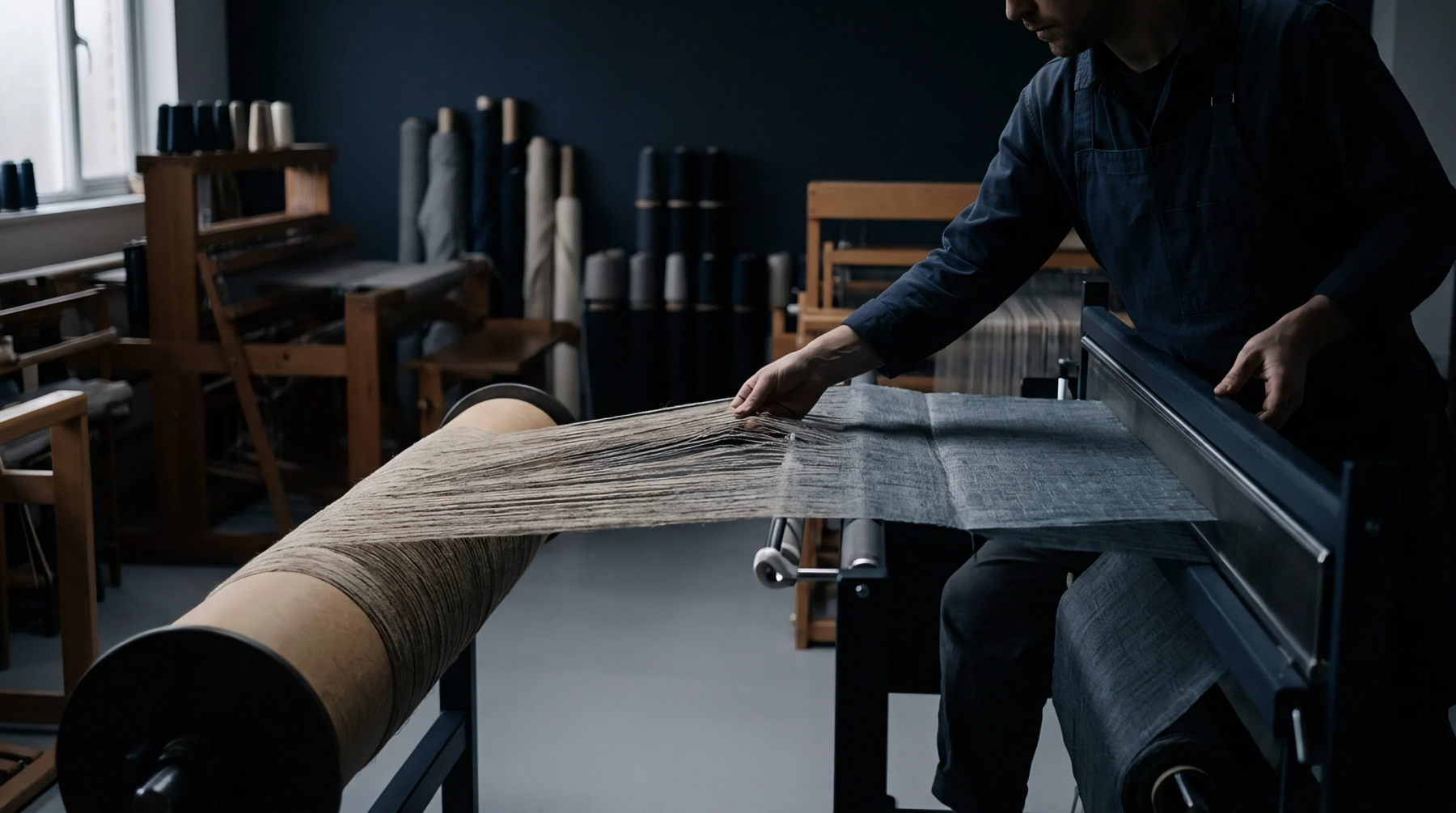
Transitioning hand-loom samples to automated looms requires increasing warp cover factor and tuning shed dynamics to withstand high-speed night-shift tension.
Transitioning hand-loom samples to automated looms requires increasing warp cover factor and tuning shed dynamics to withstand high-speed night-shift tension.

Unplanned linen warp breaks increase loom hour costs through weaver repair delays, reduced speed, and greige set marks that trigger four-point demerit downgrades.

Greige reed marks and starting marks map directly to reed wire spacing and loom stoppage dynamics, requiring electronic let-off adjustment to eliminate defects.
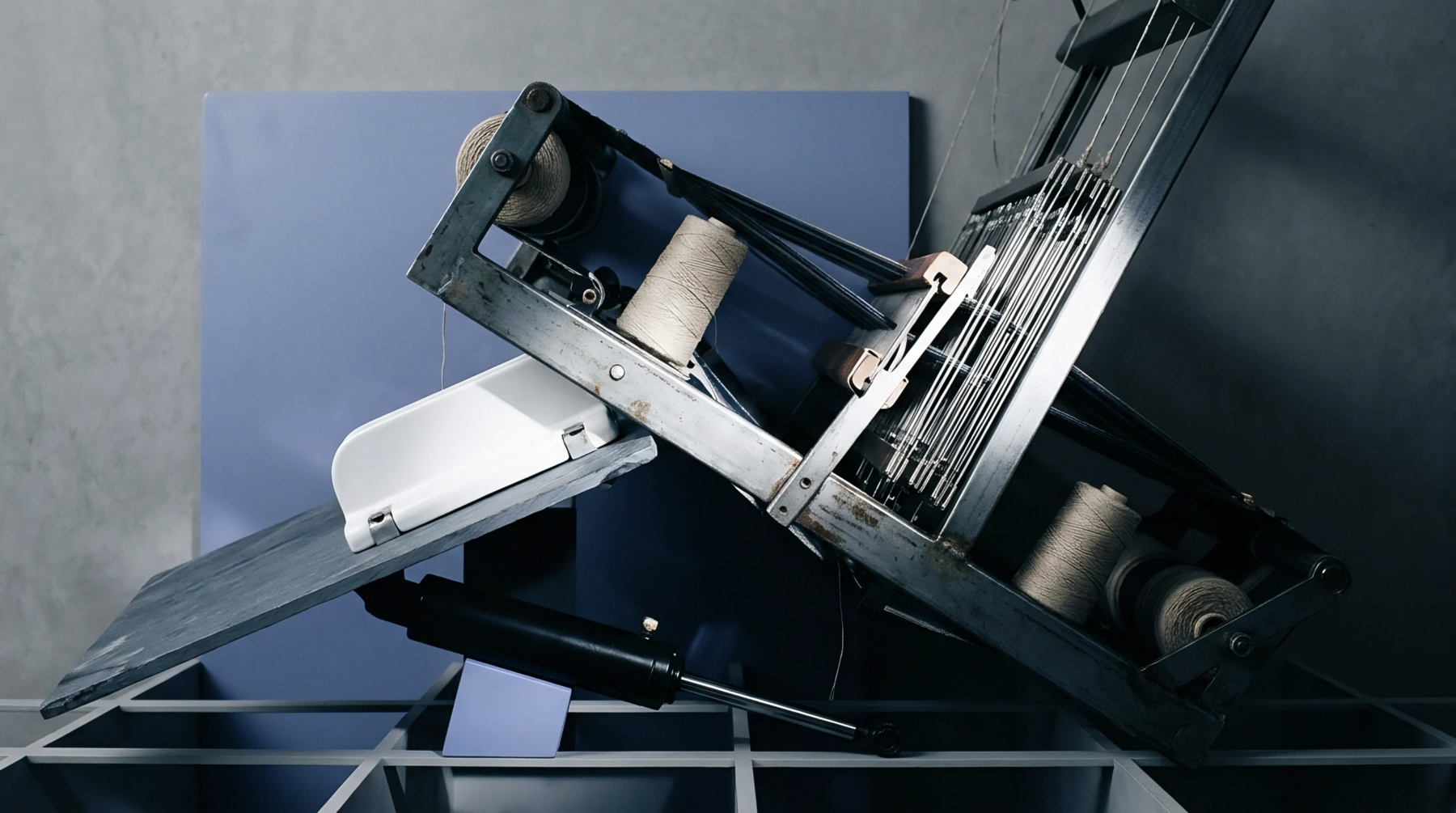
Differentiating spinning and sizing root causes requires cross-sectional microscopy and high-speed tensile testing to map size encapsulation against yarn mass variation.
Optimizing warp sizing regain and loom shed humidity prevents brittle size film fracture, suppresses friction dusting, and maximizes high-speed weaving efficiency.
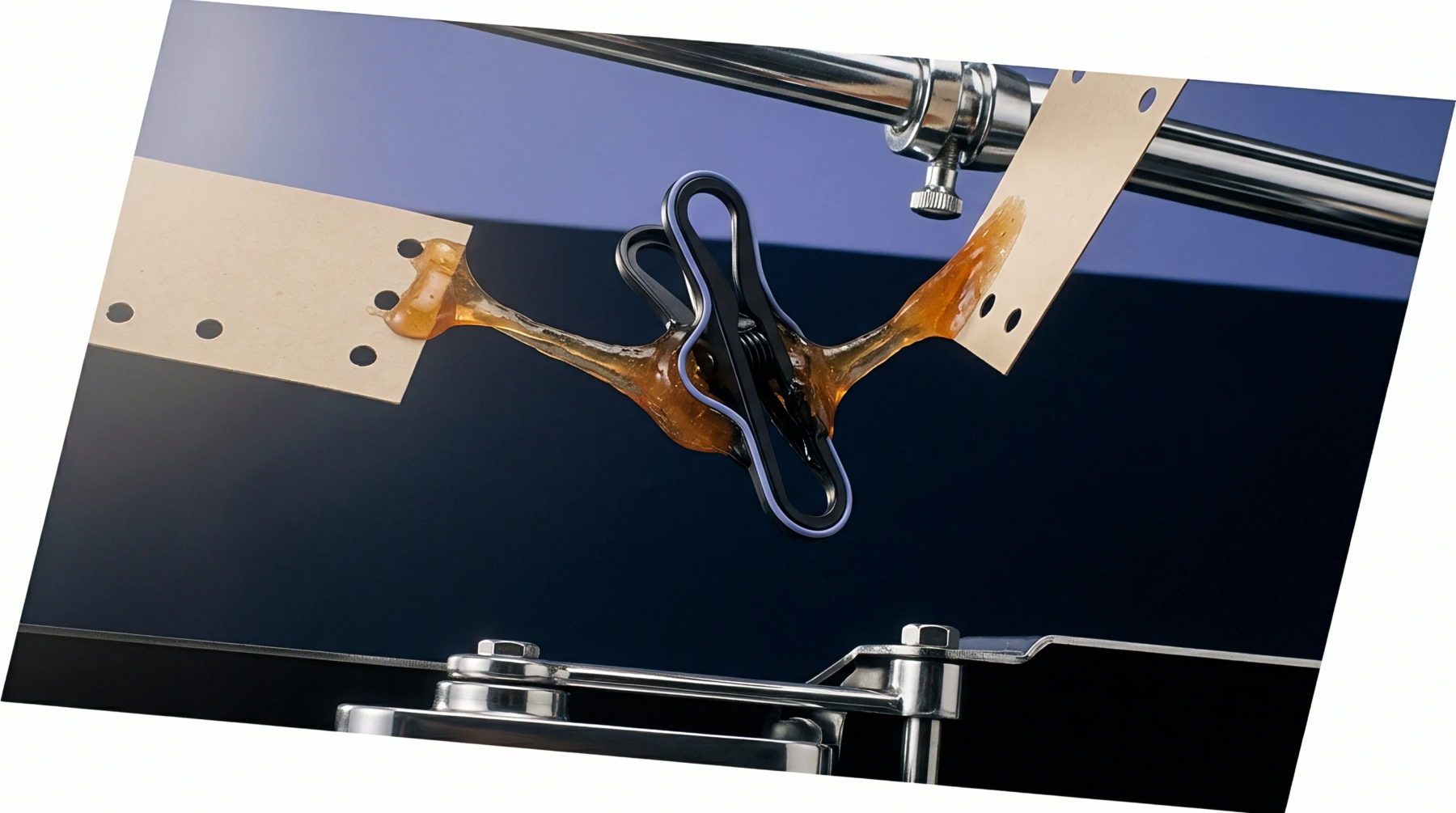
Dynamic let-off back-stepping and multi-term Maxwell relaxation modeling prevent tension-decay stop marks in dense flax warps.

Fine wet spun linen warps perform best between 68 and 72 percent relative humidity, capping dynamic friction below 0.35 to prevent warp tension breaks.
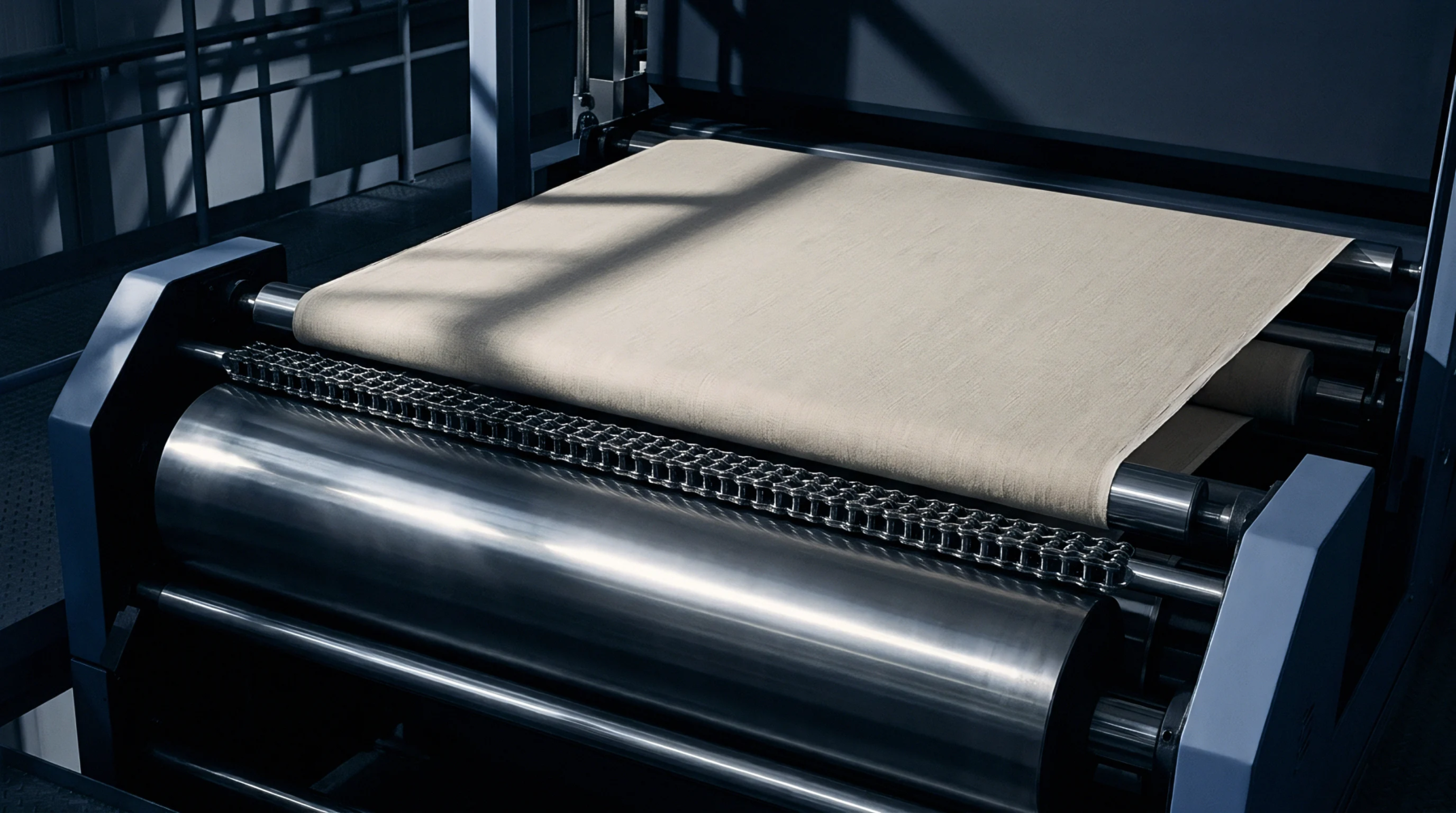
Wide air-jet linen weaving requires synchronized relay nozzle pressures and precise temple pin geometry to stop edge tension drift and edge damage.

Exact yarn mass calculation for plain weave greige linen requires converting Lea to Tex, factoring warp crimp, reed width, and 12% standard moisture regain.
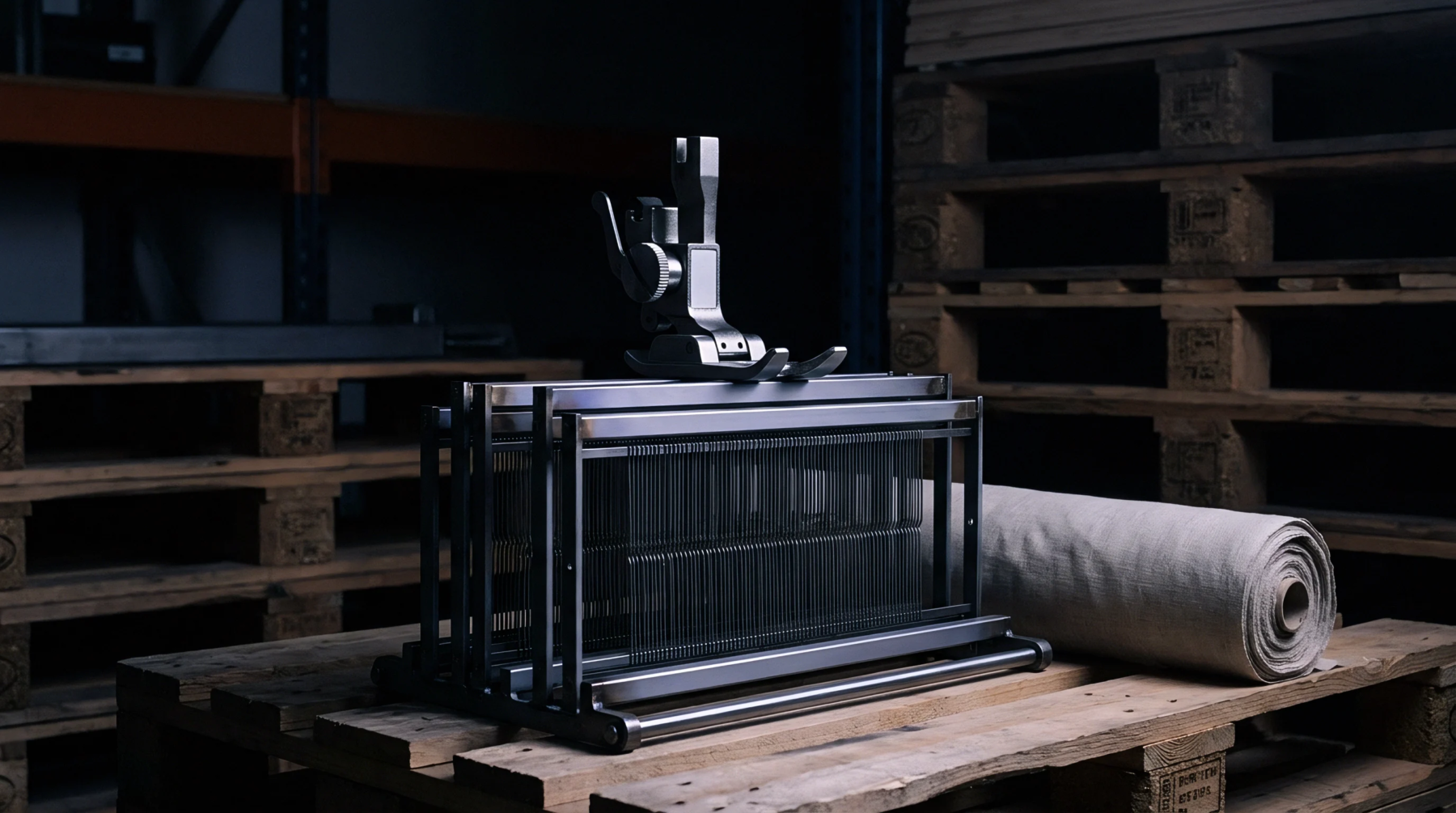
Jacquard repeat limits scale with hook count and warp density, where systematic harness casting-out maintains uniform cord pull angles across the comber board.
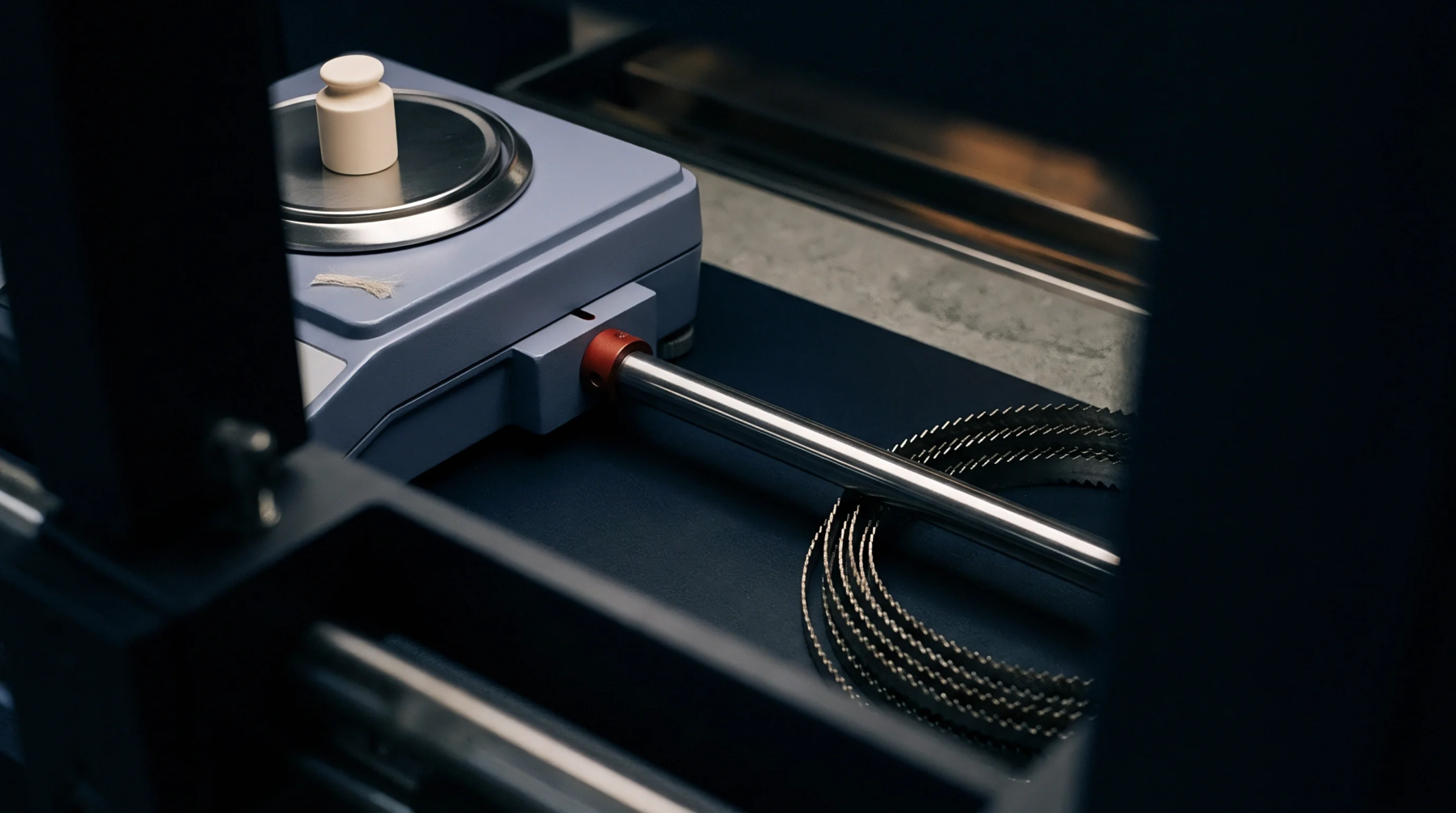
Ultra-high-speed rapier insertion causes non-linear yarn dynamic degradation and micro-slippage that requires optimized clamping and sizing to prevent shed stops.

Insertion reliability in dense wet spun linen depends on size film cohesion and precise unguided rapier trajectory to limit peak tension under 4.5 cN/tex.

Optimal wet spun linen weaving requires low viscosity binder penetration, pneumatic water splices, and eight percent size pickup to maintain loom shed efficiency.

Sizing penetration ratios between twenty and twenty-five percent minimize rapier yarn abrasion while preserving elasticity for peak loom efficiency.

Jacquard harness mass and cumberboard splay force mandatory loom speed derating to prevent dynamic hook float, cord burning, and gearbox failure.

Single strand tensile performance in wet spun linen dictates loom stops, dynamic failure rates, and landed cloth cost through gauge-length sensitivity and tenacity CV.
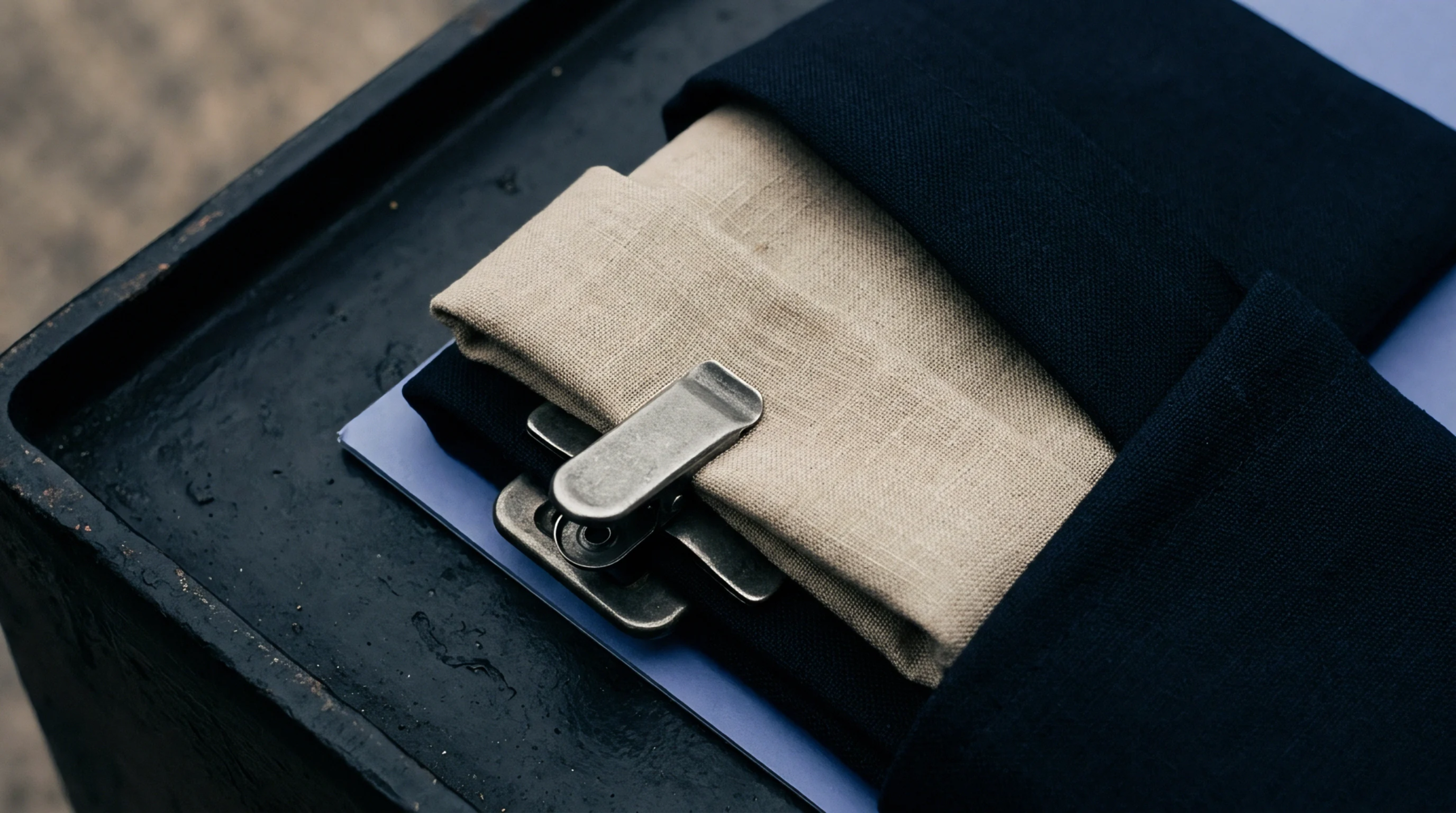
Optimal fine bast yarn sizing requires balancing PVA and CMC polymers to achieve eleven percent dry add-on without causing warp brittleness.
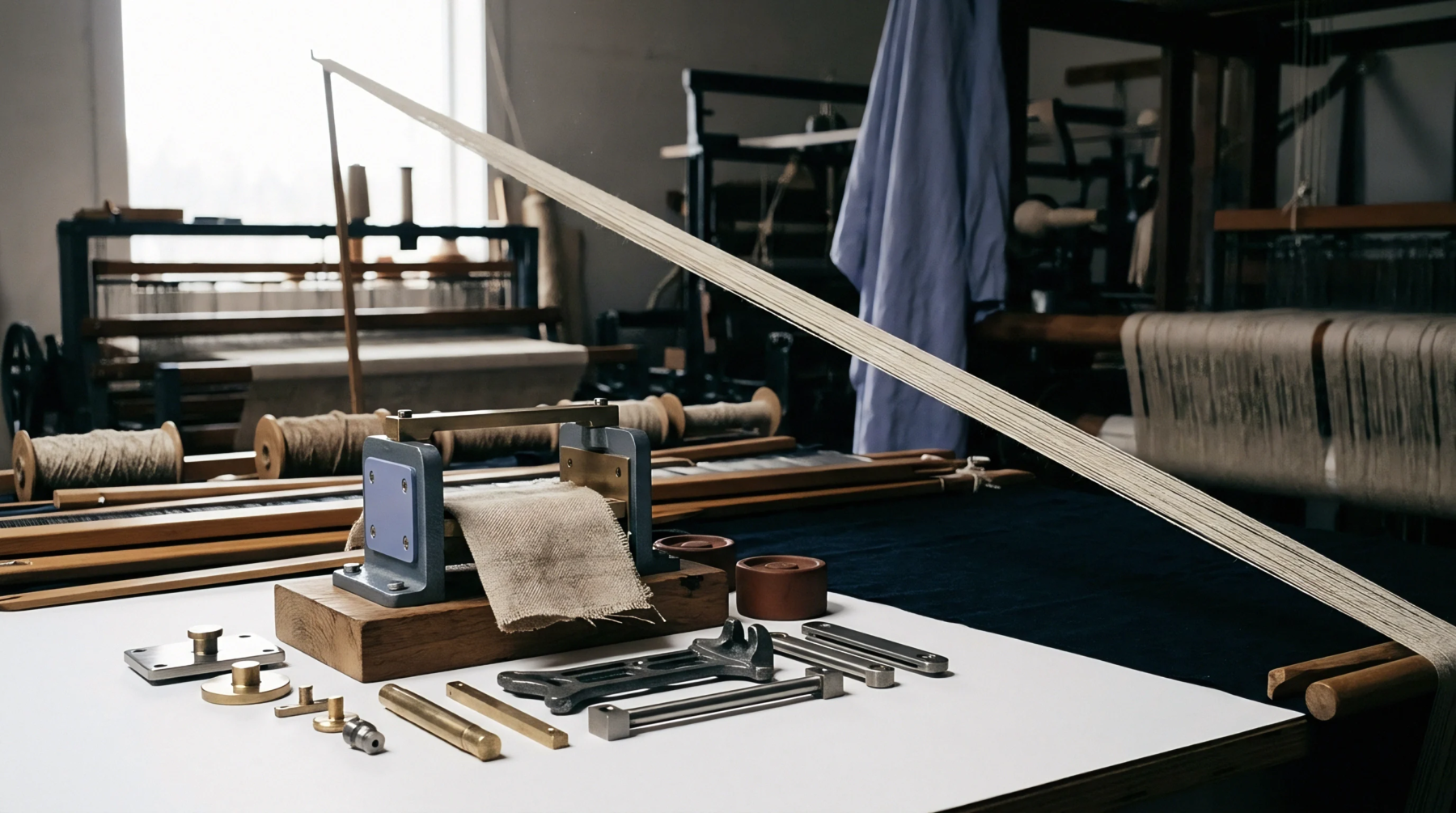
High-density flax weaving requires precise active warp tension control, asymmetric shedding, and 10 percent size add-on to prevent peak load breaks.

Optimal hydromechanical control of ultra-dense flax warps relies on balancing pectin plasticization against radial swelling to minimize shear locking.

Scale raw raster art to the warp-to-weft sett ratio, map hooks directly to the harness tie plan, and calculate cast-outs under 20% to prevent shed instability.

Mitigate harness tension spikes and thermal breakdown by tuning cam acceleration profiles, installing active cooling plenums, and specifying aramid hybrid cords.
Viscoelastic tension relaxation in sized bast warps creates fell line migration and set marks unless controlled by active electronic let-off compensation.

Finite population queueing models quantify loom interference losses, preventing over-assignment that drives down air-jet shed efficiency below economic targets.
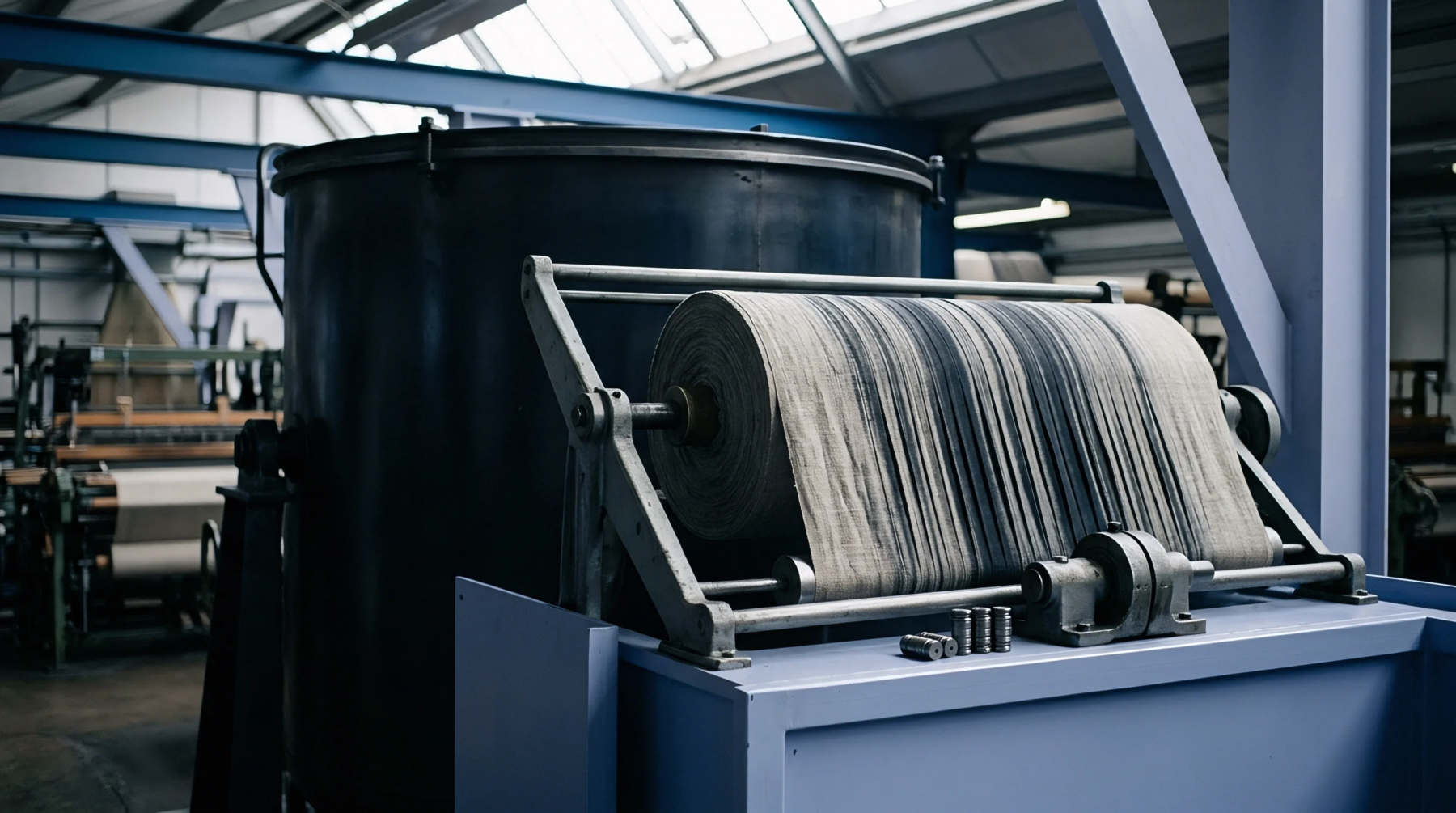
Mastering yarn count conversions and warp sett calculations enables technical buyers to optimize cover factor, greige yield, and loom-hour costs precisely.
Calculating reed denting widths for heavy flax requires factoring yarn diameter, wire air gap above fifty percent, and weave-specific width contraction.

Aero-thermal desiccation at wide reed edges spikes flax end tension, demanding trimmed nozzle timing and differential whip roll settings to prevent brittle breaks.

Fine linen warp survival depends on pectin lamella shear limits; FE cohesive zone modeling and 65% RH control prevent inter-fiber slippage under beat-up stress.

Dynamic viscoelastic hysteresis induces middle lamella shear slip, causing warp slack and fabric defects unless machine kinematics and sizing mitigate tension spikes.
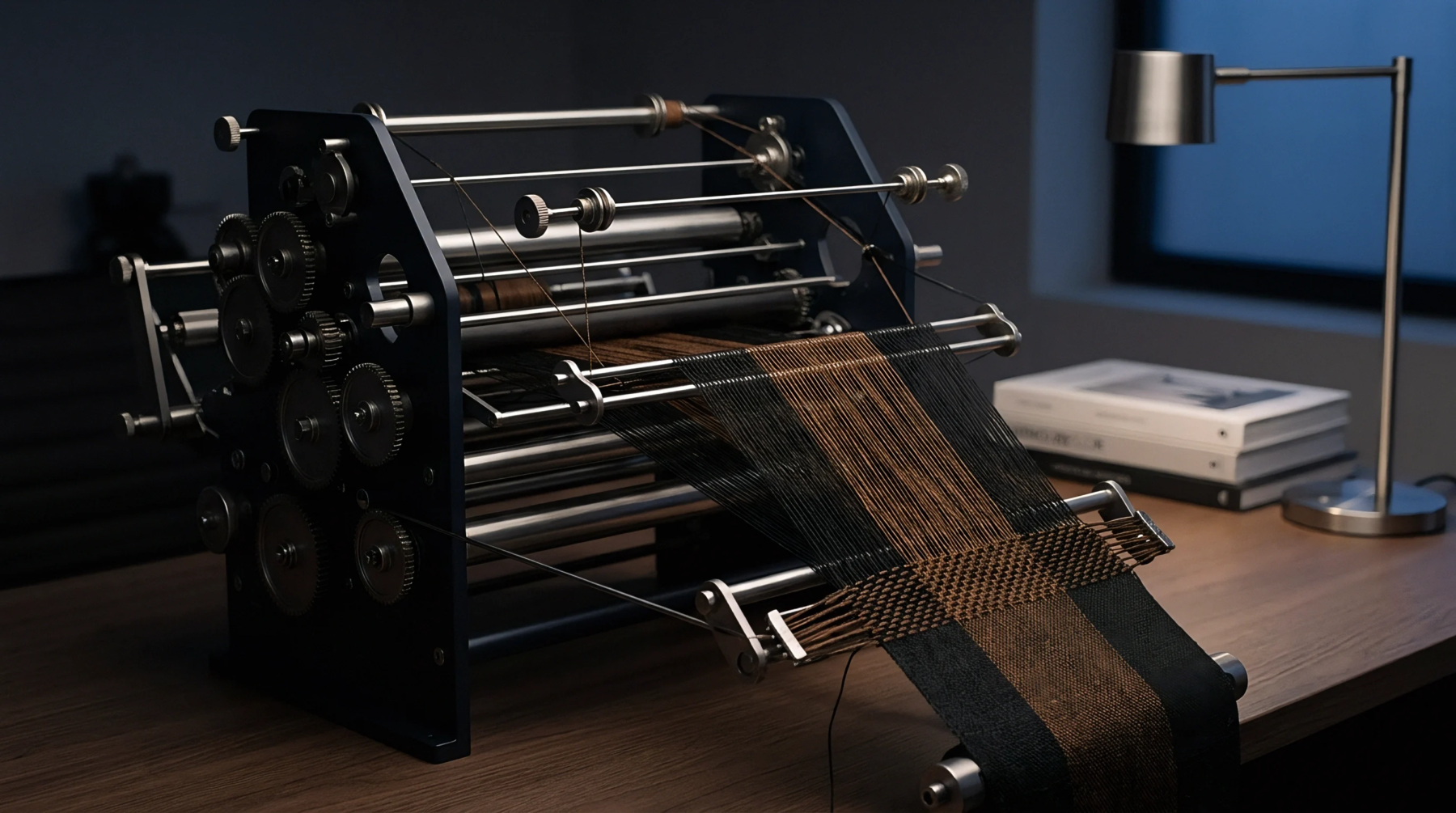
Dynamic viscoelastic friction transitions in wet bast yarns trigger severe stick-slip stops, demanding rigid moisture control to protect loom efficiency.

Dynamic shedding cycles degrade inelastic linen sizing films, inducing viscoelastic warp creep, starting marks, and avoidable stop frequency losses.
Expertise is a utility, not a secret. sentiention™ publishes its working knowledge as open reference: intelligence layer covering the materials it sources, the markets it enters, and the reference that serves both.