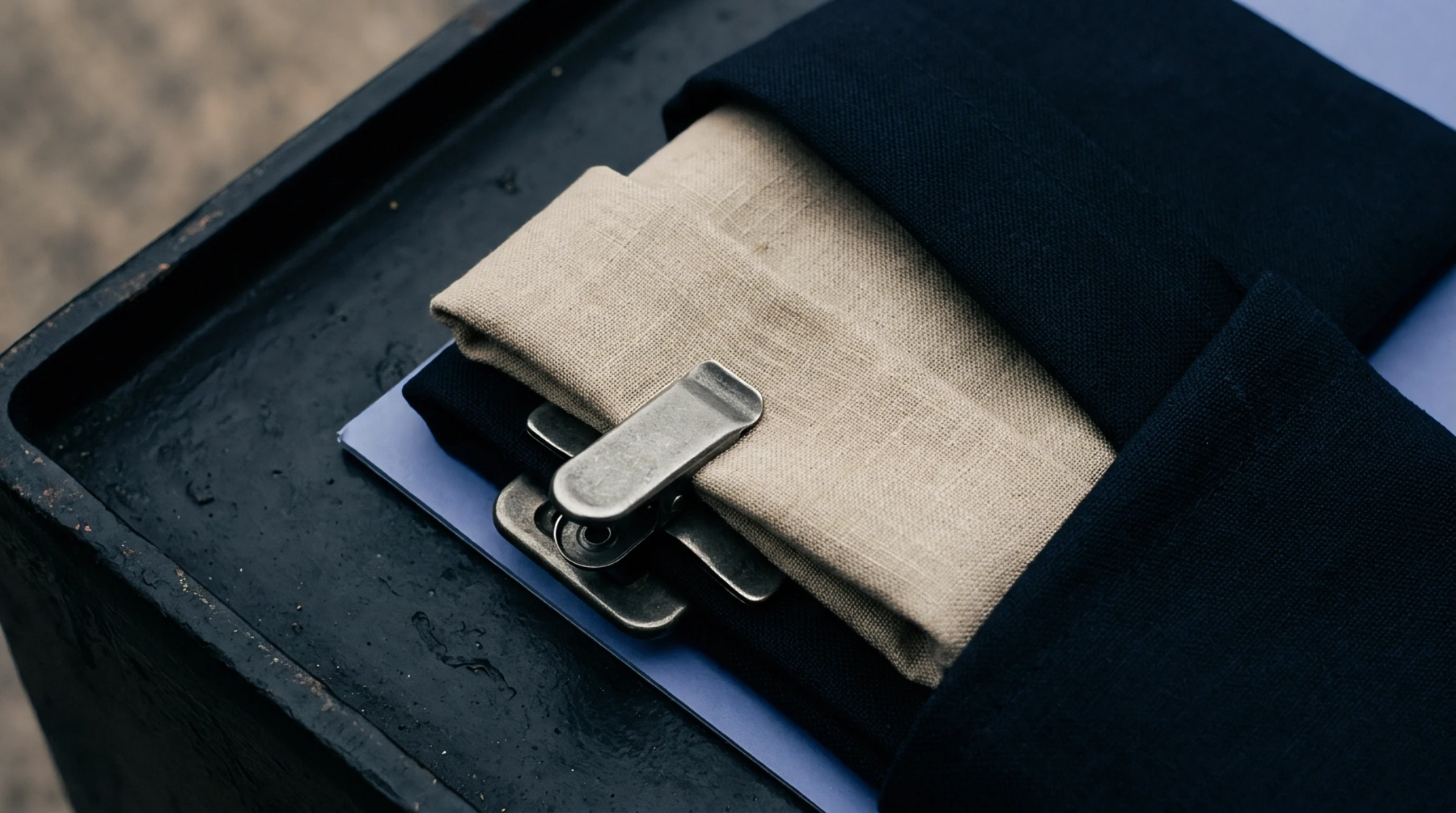
Fabric Classification
High-grade lightweight textiles characterized by high yarn numbers represent the premium end of flax-based fabric production. A fine count linen utilizes thin, highly refined yarns spun from selected long-line flax fibres. This material is used to produce high-end garments and delicate household linens that require a smooth surface.
Spinning Requirement
Processing fine flax fibres to achieve the necessary yarn fineness demands advanced spinning technology and precise raw material selection. To produce fine count linen, the mill must employ wet spinning, where warm water softens the natural pectin binding the flax fibres. This softening allows the fibres to slide past each other during drafting, enabling the formation of a very fine, uniform strand that can be knitted or inserted on the loom as warp.
Because the thin yarns have less cross-sectional area, they are highly sensitive to flaws, making the removal of shives and coarse fibres during hackling a critical step. Spun yarns of this class exhibit high tensile strength despite their low linear density.
Acceptance Standard
Structural uniformity and low defect rates determine the commercial grade of these premium textiles. For fine count linen, the buyer’s acceptance criteria focus on the absence of slubs and thick-thin yarn variations. This strict standard ensures that the finished fabric displays a refined drape and a smooth texture.