Sizing Formulation Impact on High Speed Rapier Loom Weaving Efficiency
Correct size formulation balances film elasticity with yarn core adhesion, cutting high-speed rapier warp stops to maximize loom uptime and metre output.
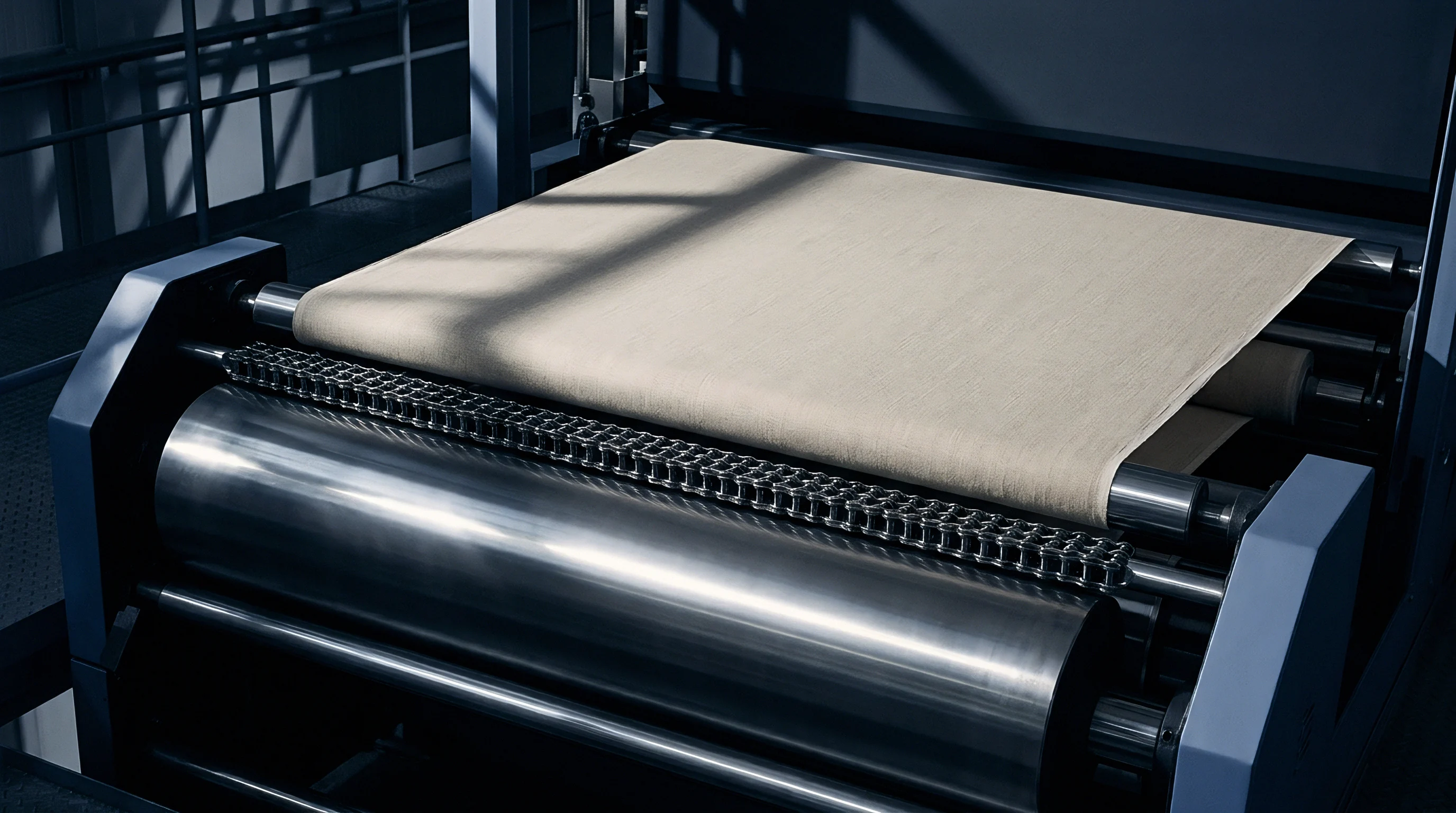

Film
Starch formulations on spun warps establish a protective outer sheath, anchoring staple fibres firmly to the core. On modern rapier frames operating between 600 and 1200 picks per minute, the yarn absorbs repeated cyclic extension, rapid abrasion, and abrupt shed changes; whether it survives that mechanical punishment without fibrillating or snapping depends on the properties of the dried film.
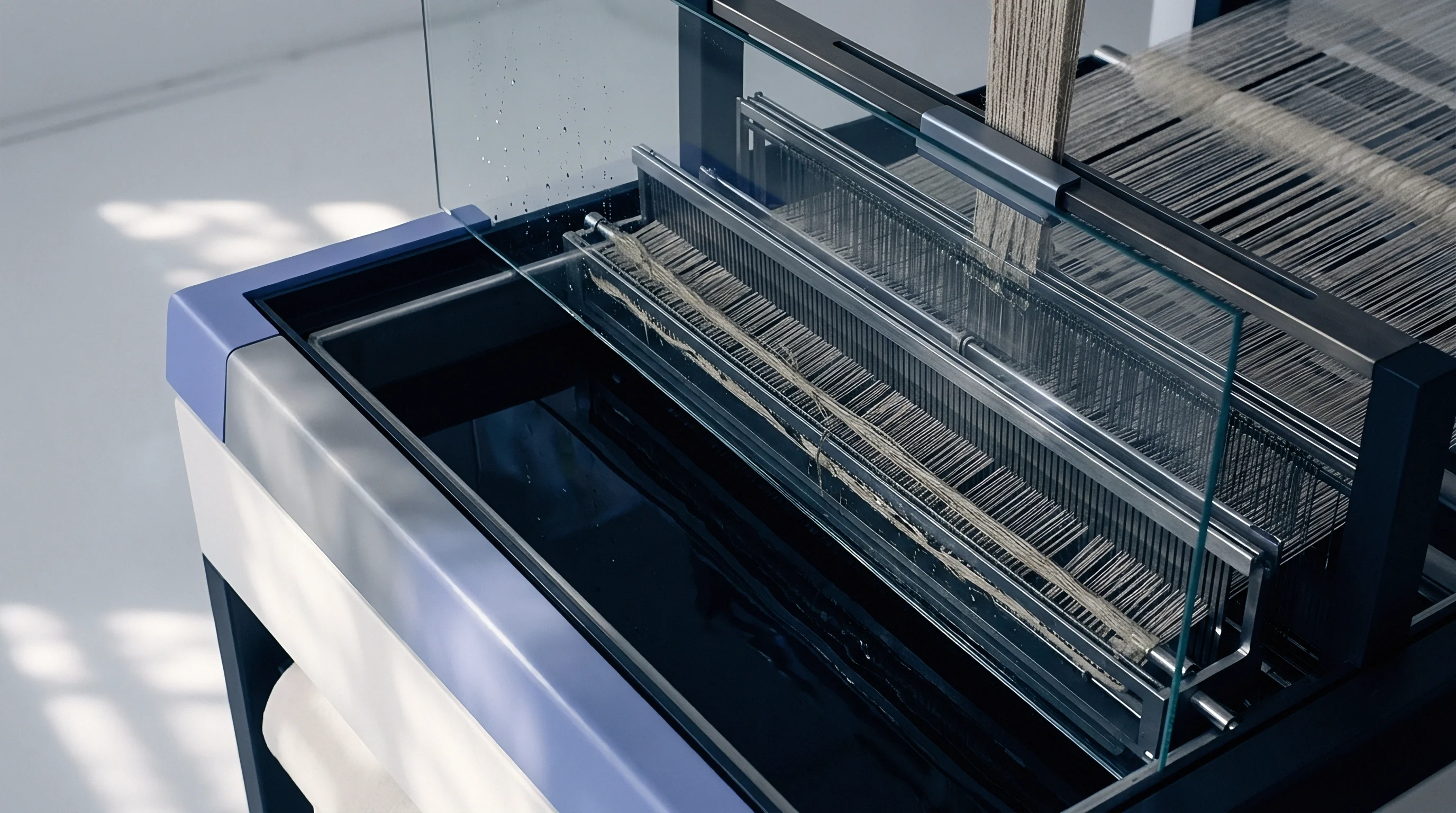
Polymeric Co-Binder Selection for High Acceleration
Blending synthetic co-binders into modified or native starches alters both the flexibility and the glass transition temperature of the resulting film. Fully hydrolyzed polyvinyl alcohol builds tensile strength, while partially hydrolyzed grades improve cold-water adhesion and wash-out solubility. When modified maize starch is combined with acrylic co-polymers, the resulting coat withstands the rapid acceleration phase of flexible rapier tapes entering the warp shed.
The mechanical integrity of this surface barrier governs yarn endurance on the loom.
Unmodified native starches lack the elongation needed to accommodate modern shedding motions. Tension spikes crack the brittle coating, dropping powdery lint into the drop wires and heald eyes. Introducing softeners like hydrogenated vegetable fats or ethoxylated waxes drops the elastic modulus of the film, adding enough give to suppress micro-cracking as the ends flex over the backrest roller and split rods during shedding cycles.

Penetration Depth Control Relative to Yarn Structure
Slasher room parameters dictate how deeply the liquor enters the bundle before the squeeze rolls express excess liquor. Penetration between 20 to 30 percent of the yarn radius binds the inner fibres while keeping a pliable surface film intact. Pushing size entirely through to the core robs the yarn of its intrinsic elongation, leaving brittle ends that snap under rapier beat-up force.
Running the size box too cold prevents liquor from penetrating the yarn core.
Size box viscosity governs how the coating distributes across the sheet. Holding operating temperatures steadily between 85 and 90 degrees Celsius keeps modified starch slurries in the 30 to 50 millipascal-second band; temperature swings throw off solids concentration, creating uneven film thickness from one side of the warp beam to the other.
Native corn starch without synthetic binder additions suffers a 42 percent film elongation drop when relative humidity falls below 55 percent in the weaving shed.
Excessive squeeze pressure drives size inward and starves the surface.
| Sizing Blend Composition | Viscosity (mPa s at 85 C) | Film Tensile Strength (MPa) | Elongation at Break (Percent) | Penetration Depth (Percent Yarn Radius) |
|---|---|---|---|---|
| 100 Percent Native Maize Starch | 65 | 22.4 | 3.1 | 38 |
| 80 Percent Thin-Boiling Starch + 20 Percent PVA | 42 | 38.6 | 8.4 | 24 |
| 70 Percent Modified Starch + 20 Percent PVA + 10 Percent Acrylic | 35 | 44.2 | 12.8 | 22 |
| 85 Percent Carboxymethyl Starch + 15 Percent Synthetic Wax Blend | 28 | 29.1 | 6.5 | 18 |
Running an unsuitable sizing formulation destabilizes yarn structure under rapier dynamics, causing heavy shedding, choked reeds, and frequent warp breaks that trigger automatic loom shutoffs.
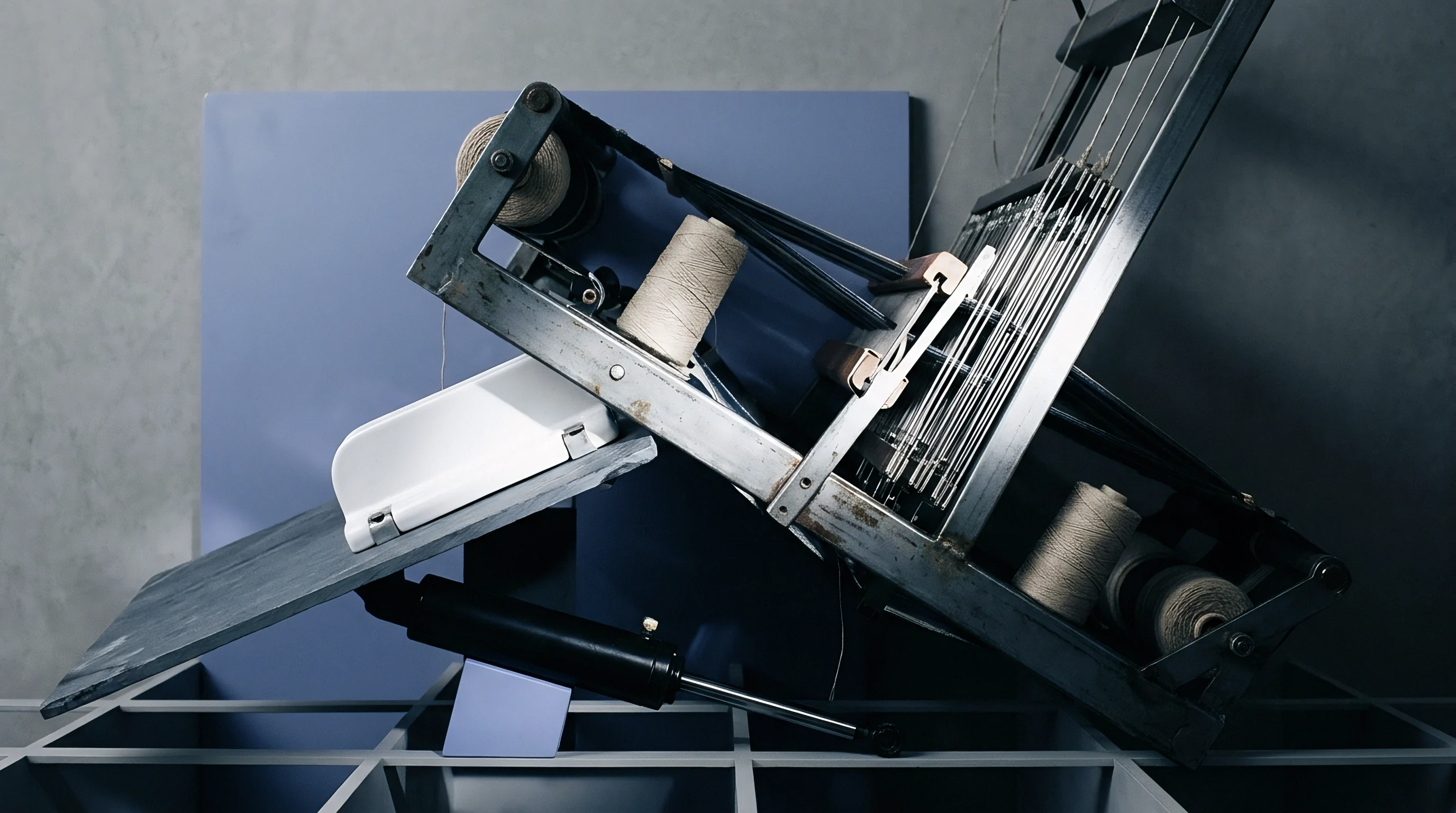
Abrasion
Rapier insertion mechanisms subject warp ends to intense cyclical tension spikes and mechanical rubbing during shed opening. As the rapier head traverses the shed, direct contact between the tape, guide teeth, and adjacent ends generates continuous surface friction. Without a durable protective layer, individual staple fibres peel back from the core, forming pill clusters that entangle neighboring yarns.
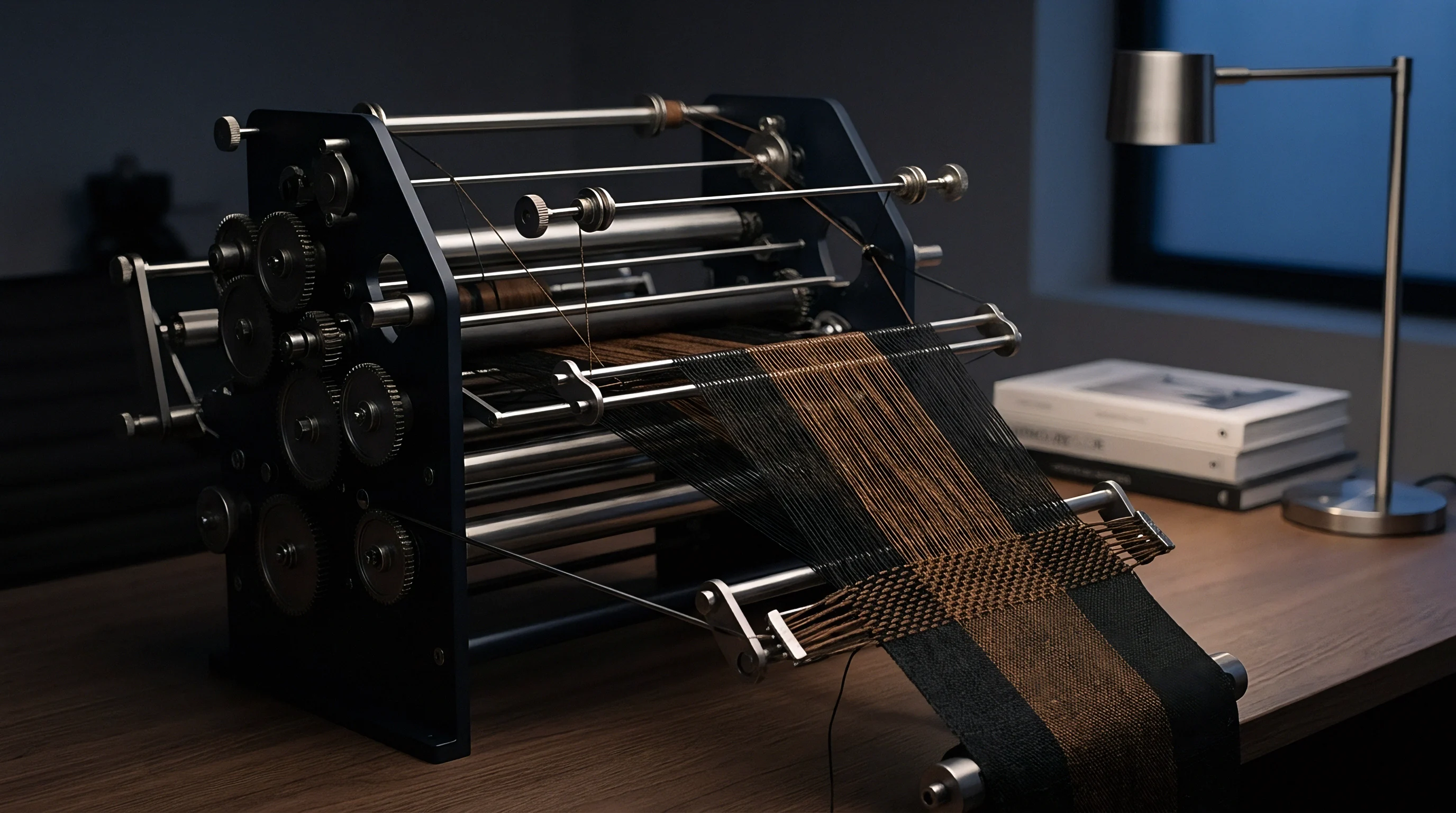
Rapier Guide Elements and Shed Friction Dynamics
Rapier tape heads travel across the shed at speeds exceeding 25 metres per second. Guided tape systems rely on raceboard pegs that bear directly against the lower warp sheet, demanding a harder film that can resist gouging. Guide-less rapiers avoid that direct contact, but their steeper shed angles and asymmetric geometry demand greater film elasticity to absorb the strain.
Projecting surface hairiness causes neighboring ends to cling during shed separation.
Drop wires, heald eyes, and reed dents scrape the yarn continuously across the weaving zone. The contact friction coefficient between sized yarn and polished steel heald eyes depends heavily on lubricant selection; microcrystalline waxes, applied via after-waxing or added straight to the size bath, lower dynamic friction and prevent synthetic polymers from softening under localized frictional heat.
Why Does Hairiness Suppression Fail at Production Speeds?
Staple yarn surfaces present projecting fibre ends that escape encapsulation when size viscosity drops below target thresholds. Under high rapier speeds, atmospheric drag and rapid shed inversion cause loose fibre tips to rise from the yarn body. These liberated fibres cling to adjacent ends during shed closure, preventing clean separation; the entering rapier head catches these clinging filaments, breaking warp ends or weaving floating faults into the cloth.
Abrasive friction concentrates heavily inside the heald eyes during rapid shed reversals.
- Drop Wire Chafing occurs when low-elasticity size films flake off under drop wire vibration, leaving raw yarn surfaces exposed to immediate tension fraying.
- Heald Eye Abrasion develops as yarn oscillates through steel eyes during rapid shed reversals, causing localized surface wear when coats lack adequate wax lubrication.
- Reed Beat-Up Stress peaks at the cloth fell where high reed density packs picks together, forcing un-encapsulated warp fibres to shear against reed dent wires.
- Rapier Head Impact happens when entering gripper heads strike misaligned or slack warp ends, stripping weakly bonded size coatings and splitting the yarn.
Elevated loom speeds multiply mechanical friction points across the warp sheet.
A size film that lacks sufficient elasticity peels off as fine dust inside the drop wires long before reaching the fell of the cloth.
Severe shedding inside the drop wire box is frequently treated as an ambient humidity control issue, though insufficient synthetic binder adhesion in the size formulation produces the exact same failure.


Metrics
Evaluating loom uptime over multi-thousand-metre weaving runs requires tracking both mechanical stops per loom hour and micro-stoppages caused by clinging warp ends. Warp stop frequency, expressed as stops per million metres of pick insertion or stops per loom hour, serves as the decisive indicator of sizing success. Industrial rapier sheds targeting high overall equipment effectiveness require warp stop rates held strictly below 0.5 stops per loom hour per hundred thousand ends.

Warp Stop Rate Dynamics and Efficiency Equations
Unscheduled downtime on rapier frames stems primarily from warp breakage and clear-shed failures. The relationship between yarn tensile strength, size add-on percentage, and loom stop frequency is non-linear. Insufficient size add-on leaves yarn under-protected against friction, while excess add-on creates stiff, brittle yarn that snaps under beat-up loads, similarly elevating stoppage metrics.
Clinging ends frequently trigger warp stop motions even when yarns remain unbroken.
The practical trade-offs show up clearly on a shed running 190 cm reed width rapier looms at 900 picks per minute on a 20 Tex cotton warp with 3,800 total warp ends. Formulation A utilizes a 100 percent modified maize starch formulation with 10 percent dry size pickup. Formulation B incorporates 70 percent modified starch, 20 percent PVA, and 10 percent acrylic binder at 11 percent dry size pickup.
Over a continuous 5,000-metre production run, Formulation A yields an average of 1.8 warp stops per loom hour. Each stop requires an average repair time of 1.2 minutes by the weaver. Total loom operational time for 5,000 metres at 900 picks per minute (assuming 30 picks/cm) equals 166.6 theoretical loom hours.
At 1.8 stops per hour, the machine experiences 300 warp stops, creating 360 minutes (6.0 hours) of unscheduled downtime. Net weaving efficiency drops to 96.5 percent of theoretical capacity based on warp stops alone.
Formulation B yields 0.3 warp stops per loom hour under identical machine settings and atmospheric conditions. Total warp stops over the 5,000-metre run fall to 50 incidents, accumulating 60 minutes (1.0 hour) of weaver repair downtime. Net weaving efficiency increases to 99.4 percent.
The 2.9 percent efficiency gain recovers 5 loom hours per warp beam run, directly increasing shed throughput without adding machinery capital costs.
Every hour lost to stop repairs directly reduces scheduled plant capacity.
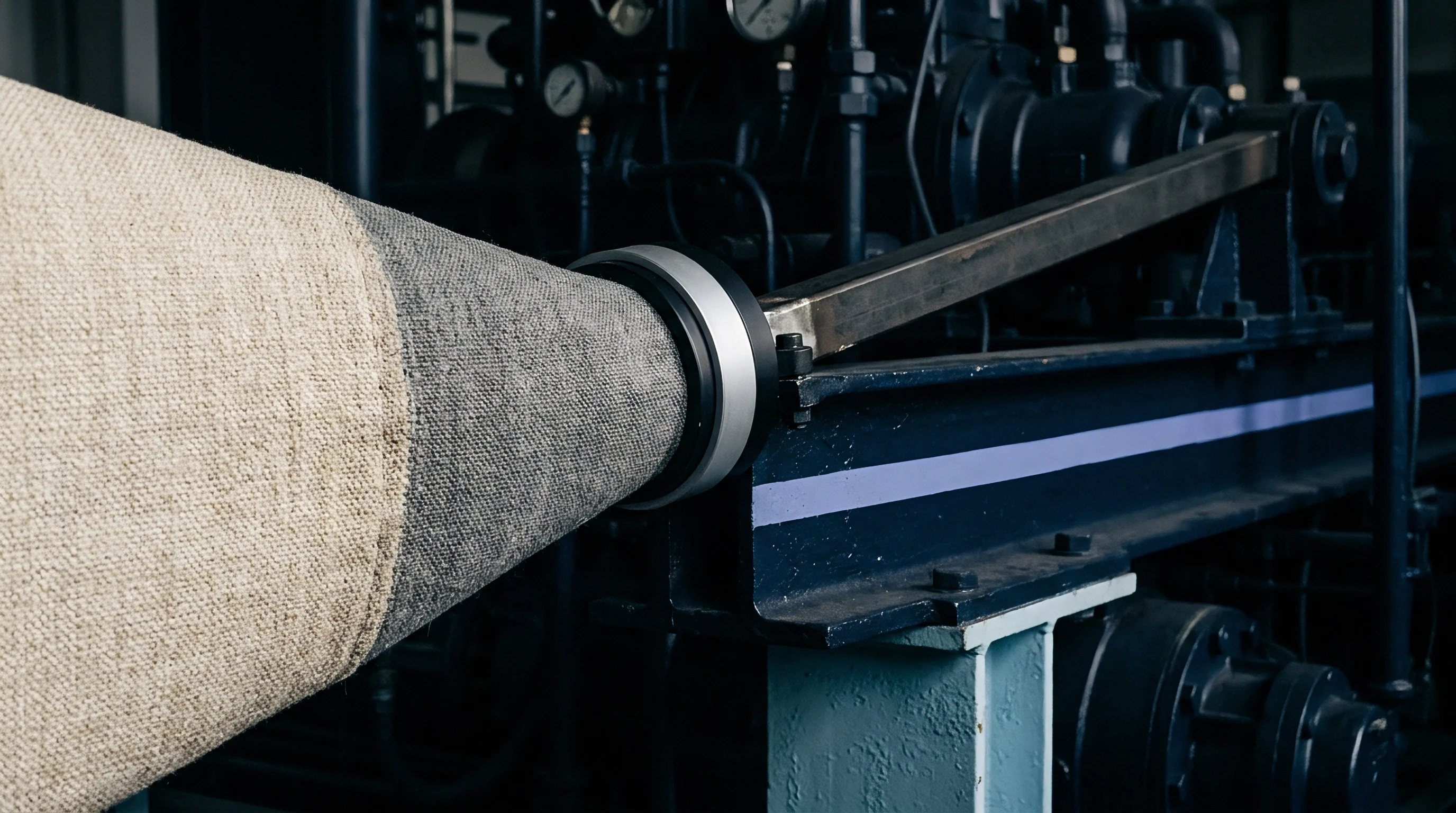
Formulated Size Pickup Sensitivity Analysis
Targeting an optimal dry size solids percentage balances raw material expenditure against weaving performance gains. Size pickup percentage is calculated using oven-dry yarn weight before and after slasher processing.
Tight slasher solids control keeps dry coat thickness uniform across the beam.
- Sample a three-metre section of unsized warp yarn directly from the creel beam and weigh it immediately on an analytical balance to determine wet baseline mass.
- Dry the unsized sample inside a standardized oven at 105 degrees Celsius until mass stabilizes, recording the dry weight.
- Extract a three-metre sized warp sample immediately after the slasher drying cylinders, placing it in a sealed container to prevent atmospheric moisture gain.
- Dry the sized warp sample inside the oven under identical temperature conditions until mass stabilization is achieved.
- Calculate dry size pickup percentage using the difference between sized dry mass and unsized dry mass divided by unsized dry mass multiplied by one hundred.
Formulations containing 15 percent PVA achieve a 30 percent reduction in loom stop frequency compared to pure modified starch blends on fine count rapier warps.
| Rapier Insertion Speed (PPM) | Sizing Formulation Type | Dry Pickup Percentage | Warp Stops per 100,000 Picks | Net Loom Efficiency (Percent) |
|---|---|---|---|---|
| 650 | Pure Modified Starch | 12.5 | 1.45 | 88.2 |
| 650 | Starch + PVA Blend | 10.0 | 0.42 | 95.1 |
| 900 | Pure Modified Starch | 13.0 | 3.10 | 79.4 |
| 900 | Starch + PVA + Acrylic | 11.0 | 0.35 | 96.8 |
| 1100 | Starch + PVA + Acrylic | 11.5 | 0.68 | 93.5 |
| 1100 | High-Elongation Acrylic Hybrid | 10.5 | 0.28 | 97.4 |
| Data recorded on 190 cm reed width rapier frames weaving 100 percent cotton 20 Tex warp at 65 percent relative humidity. | ||||
Monitoring shed waste yields precise insights into polymer degradation. Slasher room technicians collect flaked size dust beneath drop wire boxes every twenty-four hours to measure film detachment under active production conditions.
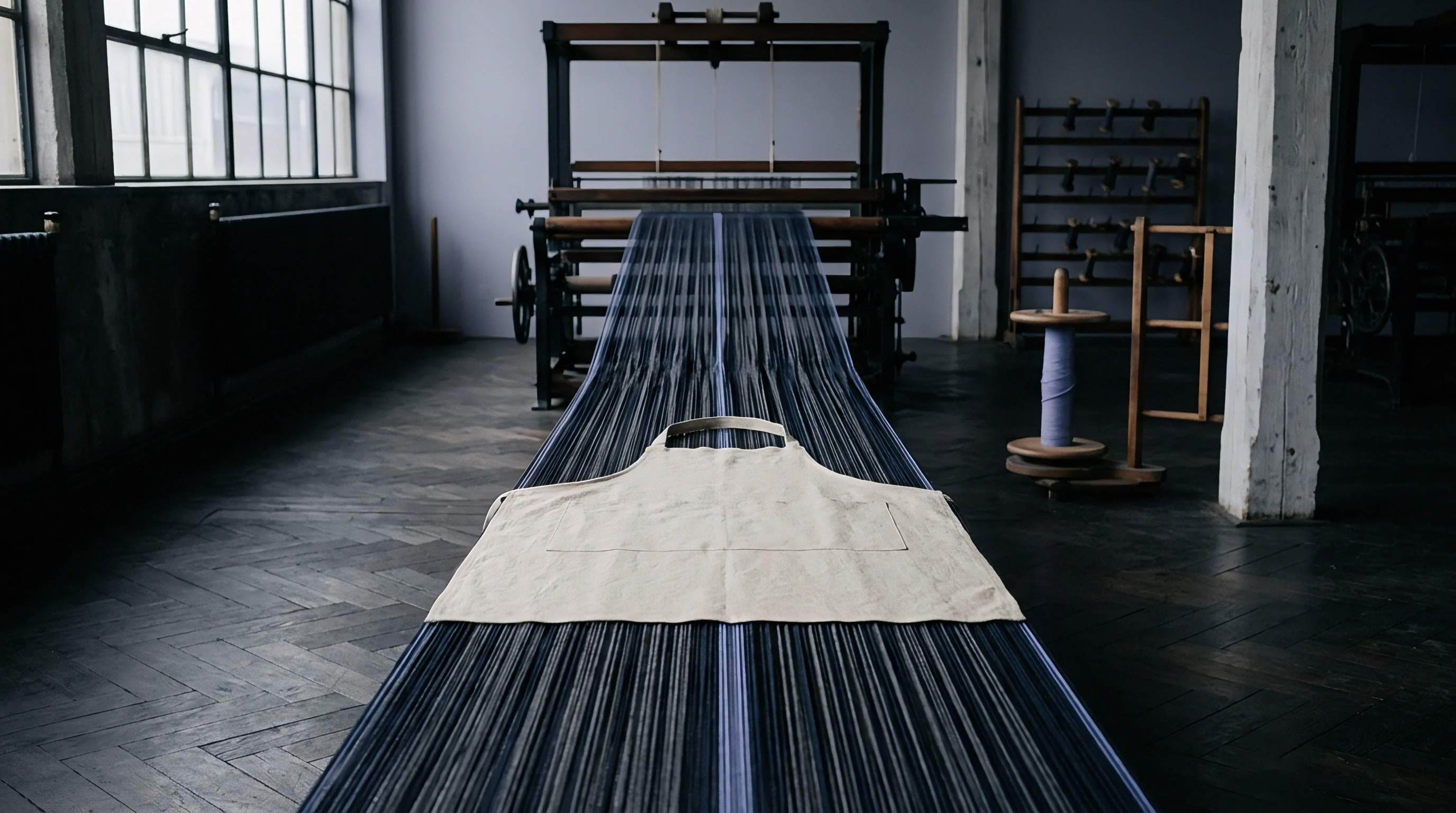

Scour
Polymer residues remaining on grey fabric after wet processing disrupt uniform dye liquor absorption and create streakiness across finished piece rolls. High-efficiency sizing formulations must deliver robust protection during weaving while remaining readily removable during industrial desizing operations. Incomplete desizing causes hydrophobic spot defects, uneven printing registration, and compromised tensile performance during downstream fabric finishing.
Enzymatic Degradation Profiles for Modified Starches
Alpha-amylase formulations convert insoluble starch coatings into water-soluble dextrins and glucose units during desizing. Modified starches containing high degrees of chemical substitution resist enzymatic cleavage. Thermostable alpha-amylase enzymes operating at 90 to 95 degrees Celsius require specific pH bands between 6.0 and 7.0 to achieve full degradation of cross-linked starches within continuous open-width desizing ranges.
Incomplete desizing leaves insoluble spots scattered across the finished cloth.
Enzyme baths hydrolyze starch backbones while leaving synthetic co-binders untouched.
Synthetic Binder Solubility in Wastewater Reclamation
Water-soluble acrylic and vinyl polymers rinse away readily in hot water wash boxes without demanding enzymatic treatment. Polyvinyl alcohol dissolves completely in hot water at temperatures exceeding 85 degrees Celsius for partially hydrolyzed grades and 95 degrees Celsius for fully hydrolyzed grades. Wastewater treatment facilities recover PVA polymers from desizing liquor using ultrafiltration membrane systems, returning concentrate to slasher preparation circuits.
- Enzymatic Compatibility defines whether synthetic binder additions inhibit alpha-amylase activity during starch breakdown in wet processing ranges.
- Hot Water Washability measures the percentage of size mass removed during continuous open-width washing without chemical additions.
- Effluent Biological Oxygen Demand specifies the organic oxygen consumption load imposed on wastewater facilities when sizing chemicals dissolve into processing water streams.
- Reclamation Recovery Yield quantifies the percentage of active polymer recovered through membrane ultrafiltration for slasher room reuse.
Sizing chemicals that require caustic washing temperatures above 90 degrees Celsius increase finishing line energy consumption while risking thermal damage to delicate cellulosic fibers.
Processing complex ternary size blends through municipal effluent treatment systems complicates membrane filtration and reduces overall binder recovery yields.

Booking
Calculating the true landed cost of woven grey cloth demands balancing raw chemical expenditure in the slasher room against net machine availability in the weaving shed. High-performance synthetic size formulations command higher unit costs per kilogram than native starches. Chemical expenses constitute a minor fraction of overall fabric production costs compared to loom hour overhead rates and lost production volume caused by unscheduled machine downtime.
Cost Allocation Matrix for Warp Preparation versus Loom Time
Slasher room expenditures account for a small fraction of total manufacturing costs per metre. Evaluating size performance strictly on chemical purchase price introduces false economy into shed management. Increased weaving efficiency directly reduces fixed overhead allocation per linear metre woven.
Raw chemical pricing says very little about actual running performance on the loom.
High stoppage rates quickly erase chemical cost savings in the slasher room.
Operating a high-speed rapier loom costs approximately 18.00 to 25.00 EUR per loom hour in fixed capital depreciation, energy consumption, floor space, and operator labor. A warp size formulation that increases weaving efficiency by 3 percent saves significant operational capital over a multi-thousand-metre production run.
| Cost Component | Standard Starch Formulation (EUR) | Advanced PVA-Acrylic Hybrid Formulation (EUR) |
|---|---|---|
| Slasher Chemical Expense | 42.00 | 115.00 |
| Slasher Processing Energy | 28.00 | 24.00 |
| Loom Machine Time Overhead (at 900 PPM) | 680.00 | 610.00 |
| Weaver Repair Labor Overhead | 85.00 | 18.00 |
| Greige Quality Fault Penalties | 45.00 | 8.00 |
| Total Manufacturing Cost per 1,000m | 880.00 | 775.00 |
Commercial Terms for Size Performance Guarantees
Procurement contracts specifying yarn performance on the loom integrate baseline efficiency thresholds into sizing supply agreements. Technical agreements link chemical delivery pricing directly to verified shed performance metrics.
ISO 105-X12 testing mandates dry rubbing fastness evaluation, where excess size wax migrating to the yarn surface degrades greige fastness ratings by up to two full grey scale grades.
Standard purchasing contracts incorporate a clause stipulating that if a certified size formulation fails to maintain an agreed minimum efficiency threshold of 94 percent across three consecutive warp beams, the chemical supplier absorbs the direct loom-hour downtime financial liability accrued during the production run.