
Grounding Warp Stop Baselines in Ring Spun Linen Weaving
Grounding linen warp stop baselines requires linking wet-spun sizing encapsulation and asymmetric shed geometry to hold stops between 2.0 and 4.0 per 100k picks.
Grounding linen warp stop baselines requires linking wet-spun sizing encapsulation and asymmetric shed geometry to hold stops between 2.0 and 4.0 per 100k picks.
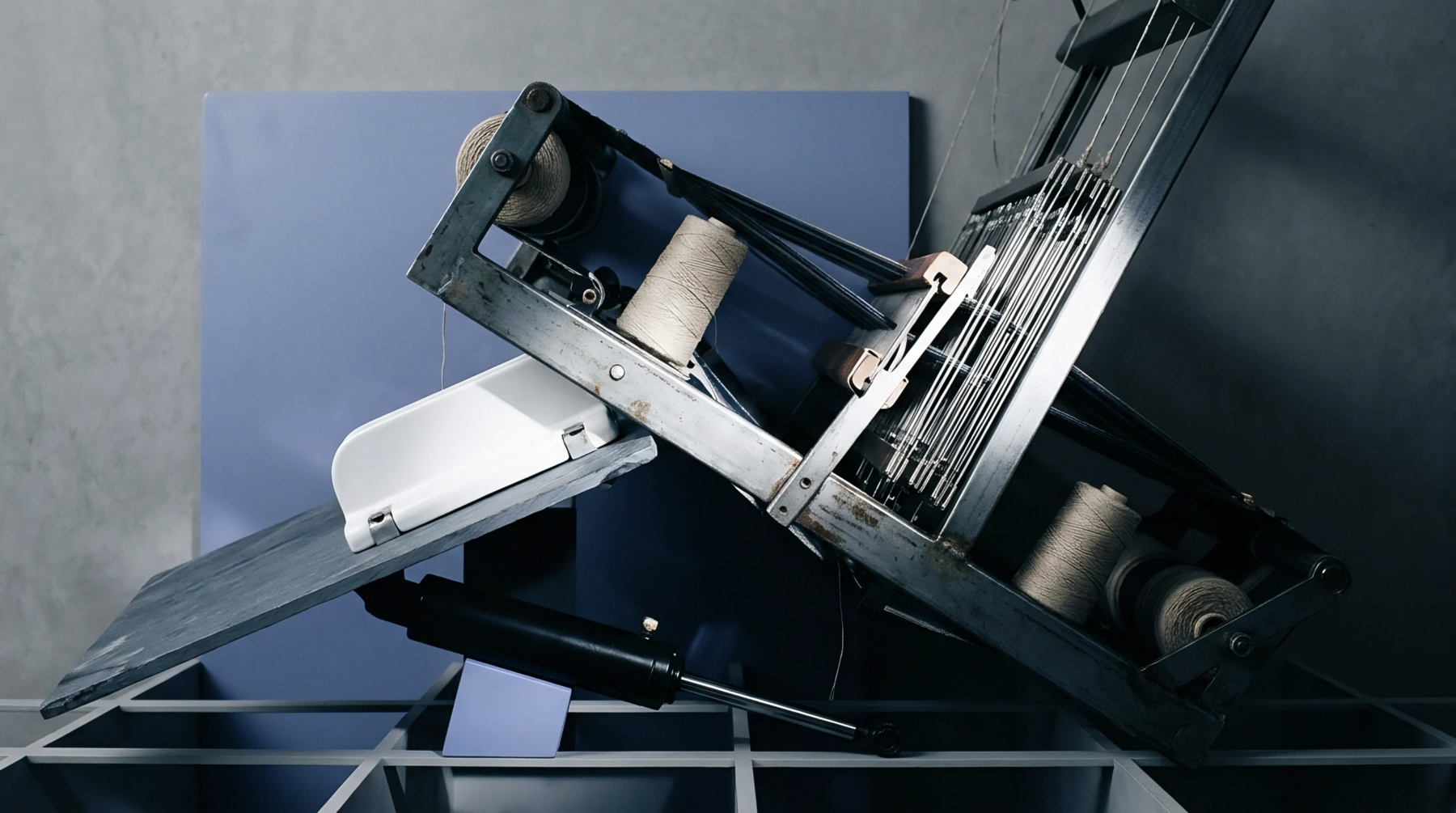
Wet spun linen requires deep, asymmetric sheds and over 72 percent relative humidity to prevent low-elongation bast warp fractures under dynamic cyclic loads.

Polymer binders preserving tensile strength under loom abrasion require low bath viscosity, ductile synthetic additives, and precise surface encapsulation.
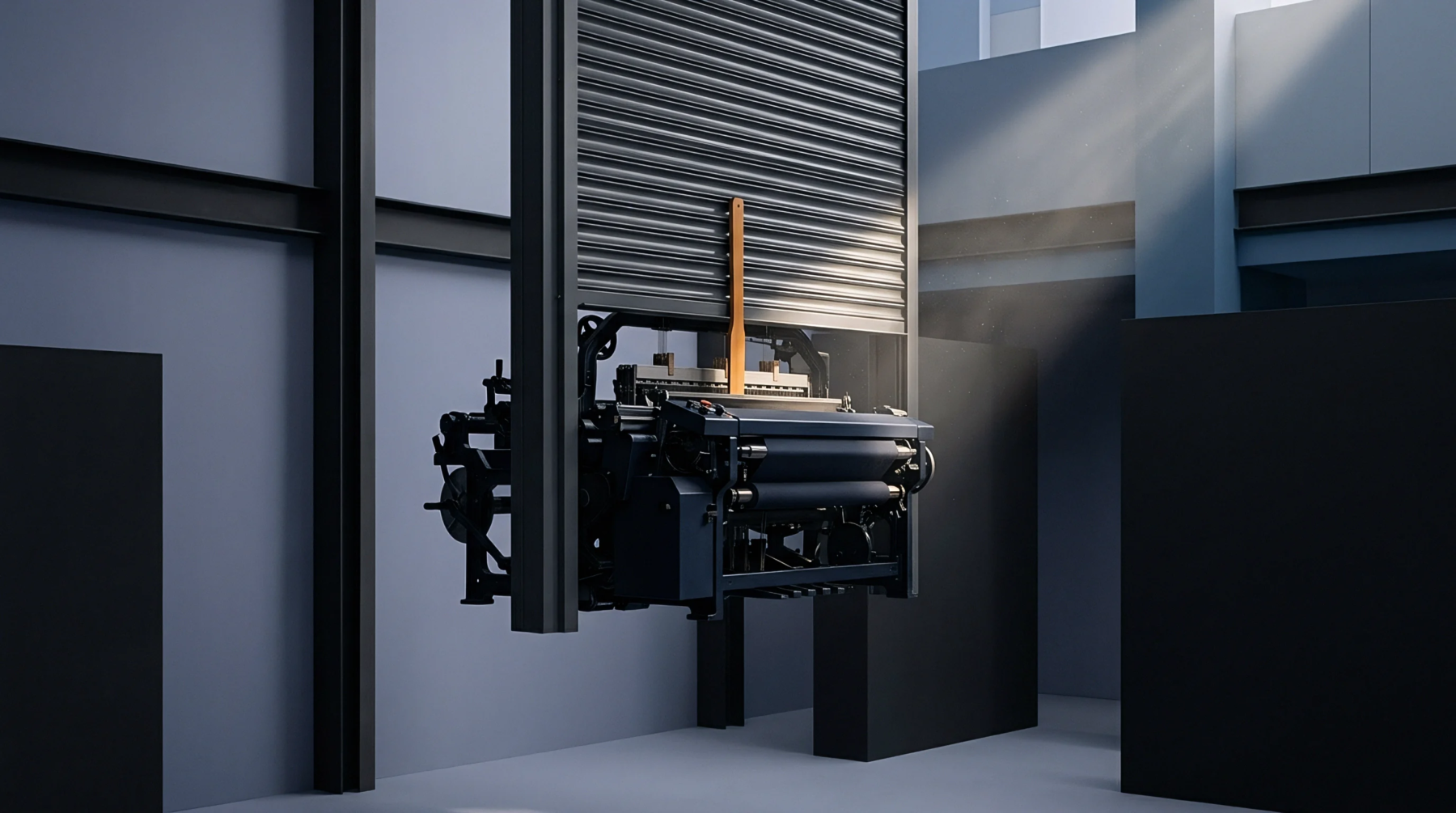
Air-jet looms lower unit costs on uniform fine yarn styles through high PPM, but rapier looms win on heavy or slubbed linen by avoiding expensive stop downtime.

Dynamic PID let-off loops must counter flax hygroscopic shrinkage by tracking real-time backrest load rather than mechanical pick accumulation.

Basic fractional cover factor calculations in linen require adjusting nominal yarn diameter for flax packing density and beat-up flattening before computing combined system surface cover.

Polymeric size degradation on fine flax during rapier insertion results from brittle shear failure, mitigated by PVA-CMC blending and seventy percent humidity.

Cross-sectional microtomy with differential chemical staining measures sizing penetration depth, balancing core cohesion against surface film thickness to prevent high-speed loom stops.

Retaining 1.8 percent pectin content preserves middle lamella cohesion, extending shuttleless linen warp fatigue limits past 120000 cyclic bends.

Dynamic friction and lateral harness splay create wide-width warp tension gradients, requiring viscoelastic modeling to prevent edge breaks and defect scrap.

Maintain slasher exit moisture at 8 to 10 percent and weave shed relative humidity at 75 to 78 percent to prevent brittle linen warp breaks at high speeds.
Expertise is a utility, not a secret. sentiention™ publishes its working knowledge as open reference: intelligence layer covering the materials it sources, the markets it enters, and the reference that serves both.