
Dynamic Friction Limits in Fine Wet Spun Linen Warps
Dynamic friction limits in fine wet spun linen warps demand starch lubricant optimization and speed adjustments to prevent fibril breakage and machine downtime.
Dynamic friction limits in fine wet spun linen warps demand starch lubricant optimization and speed adjustments to prevent fibril breakage and machine downtime.
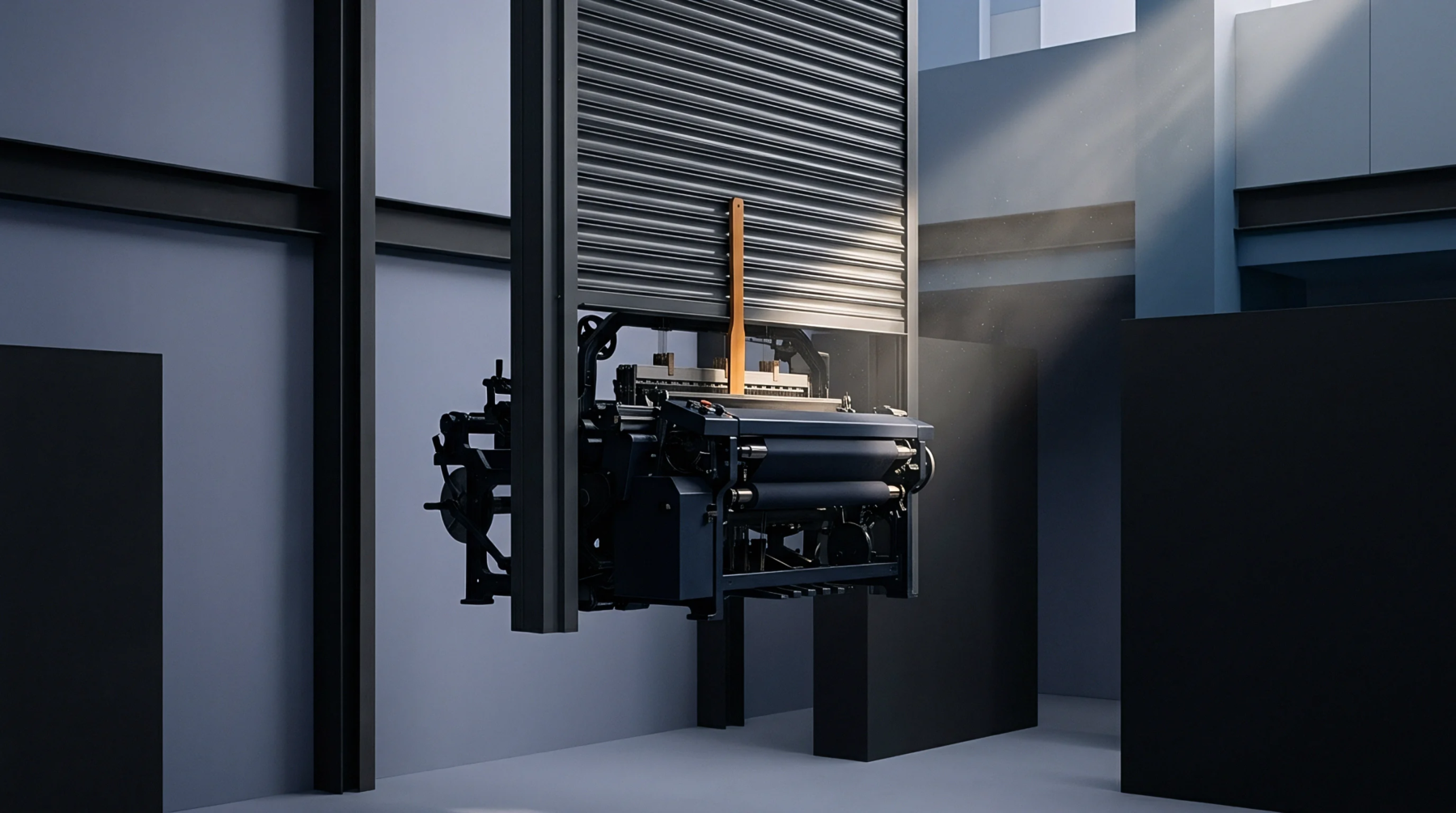
Fine linen warp break frequencies depend on single-end tenuity, size film flexibility, and shed opening geometry, directly governing loom efficiency and meter cost.

Multi cycle linen contraction is resolved by increasing reed width and lowering loom pick density to allow structural crimp equilibrium before compaction.
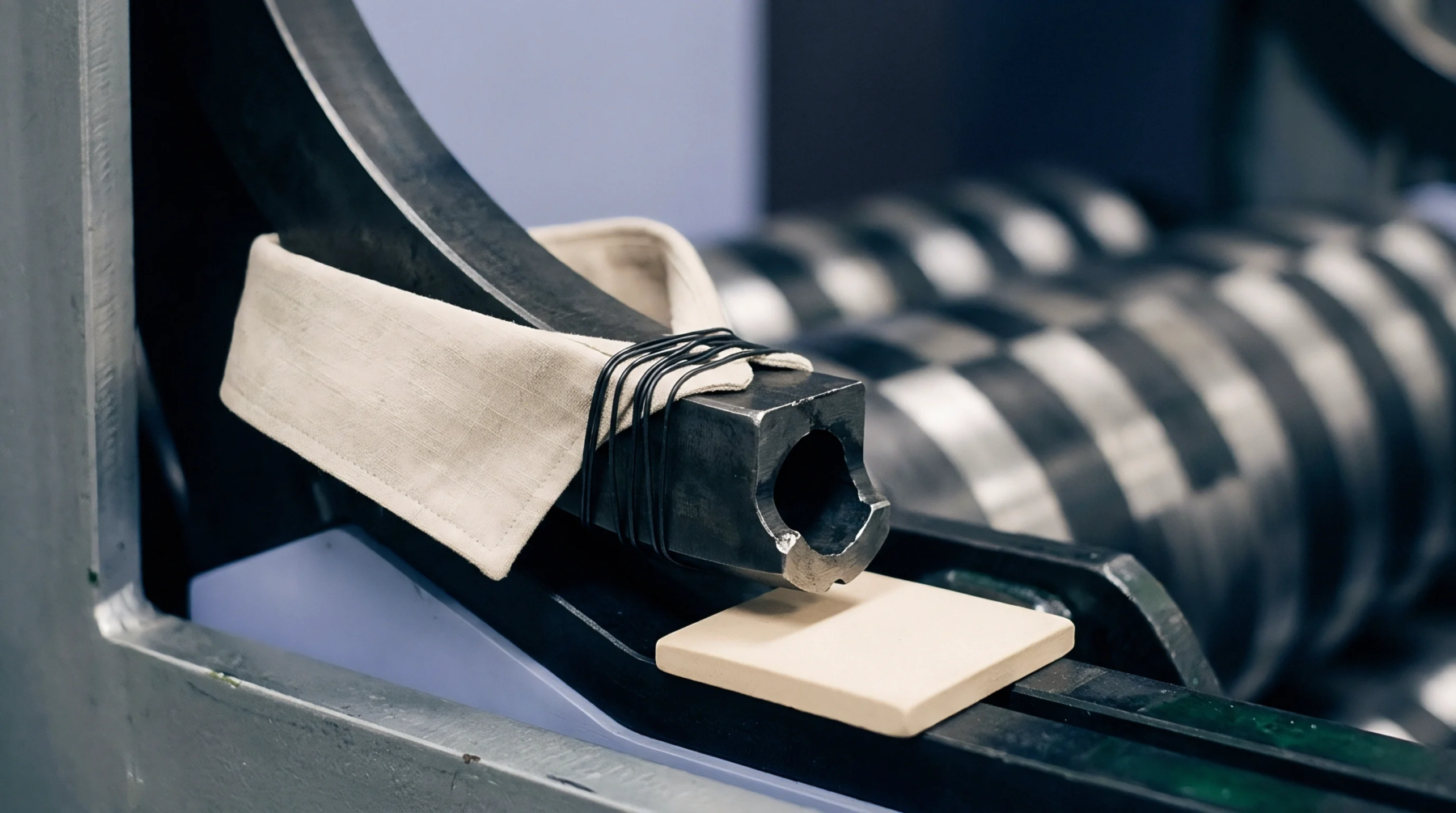
Air jet weaving of fine linen requires active back rest dampening and controlled sizing to hold dynamic tension peaks below yarn elastic limits.

Dynamic ease-off spring tuning mitigates peak tension spikes in low-elasticity linen warps, preventing yarn failure and optimizing loom efficiency.

Raising backrest height creates asymmetric warp tension, clearing hairy flax shed openings without exceeding the breaking strain of inextensible linen yarns.
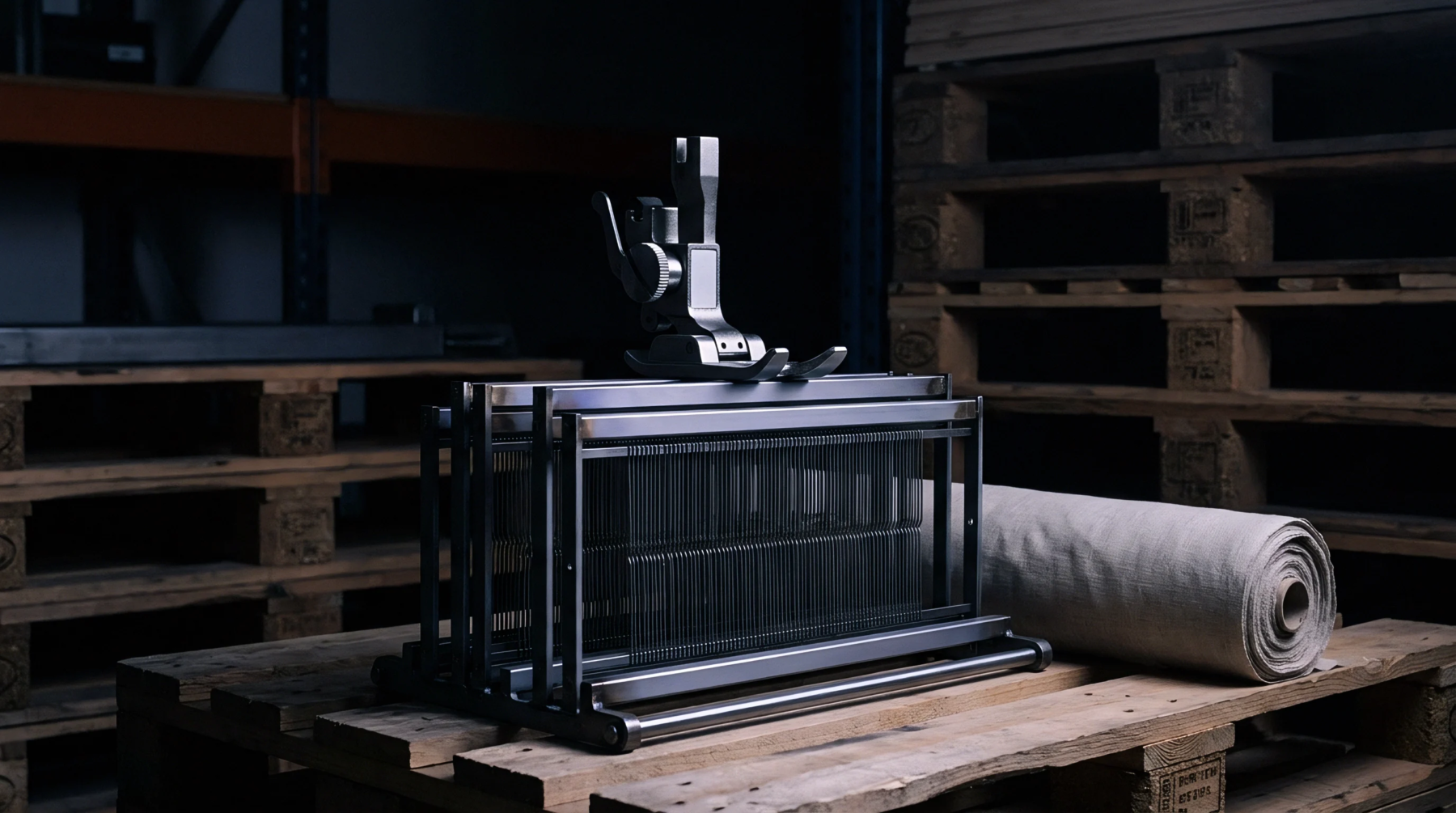
Optimize high density linen weaving by expanding harness leaves to minimize heald crowding and selecting reed counts that preserve open air space above forty percent.
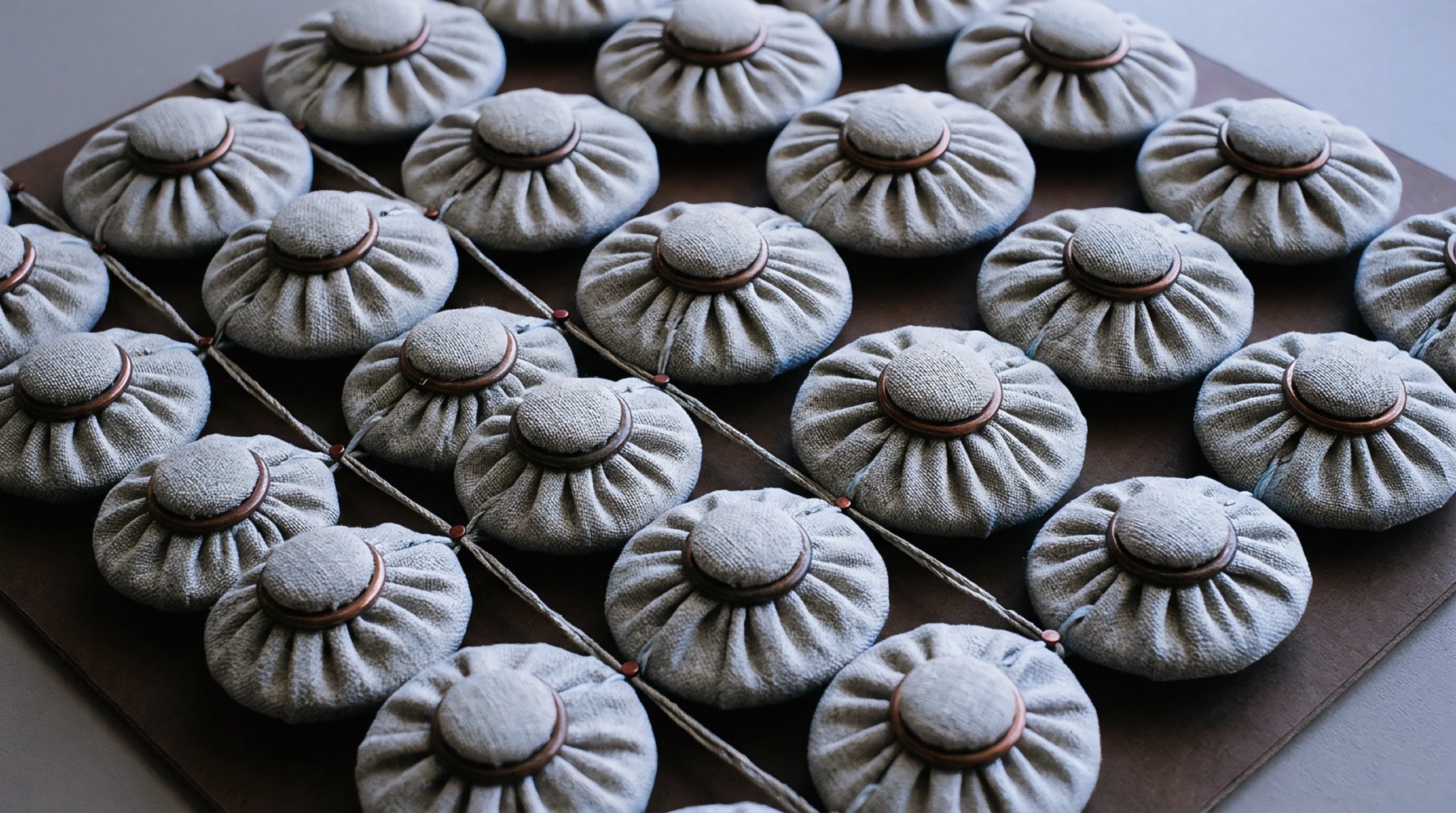
Excessive air-jet nozzle pressure degrades fine linen filling yarns through surface shear and pectin cleavage, requiring strict pressure thresholds to avoid loom stops.

Calculate linear greige yield by dividing net picks per hour by pick density, adjusting reed width and warp length for crimp contraction.
Excess warp breaks from friction defects add unabsorbed loom downtime costs recoverable through measured stop logging and laboratory coefficient of friction proof.

Dynamic multi-axis loom extension triggers rapid viscoelastic stress relaxation in wet spun flax through pectin matrix slip, requiring tuned backrest dynamics.
Optimizing flax warp size with modified starches and acrylic binders locks inner fiber bundles, preventing tensile decay and cutting loom stop costs.
Quantifying fine linen abrasion mechanics requires matching sizing film strength to dynamic shed tension to maintain loom efficiency above ninety percent.

Viscoelastic hysteresis and guide friction cause thermal cord elongation, degrading warp shed geometry during high-speed jacquard weaving.
Optimize harness splay angles under 12 degrees and use ceramic mail eyes to reduce dynamic friction below 0.15 for maximum loom speed and efficiency.
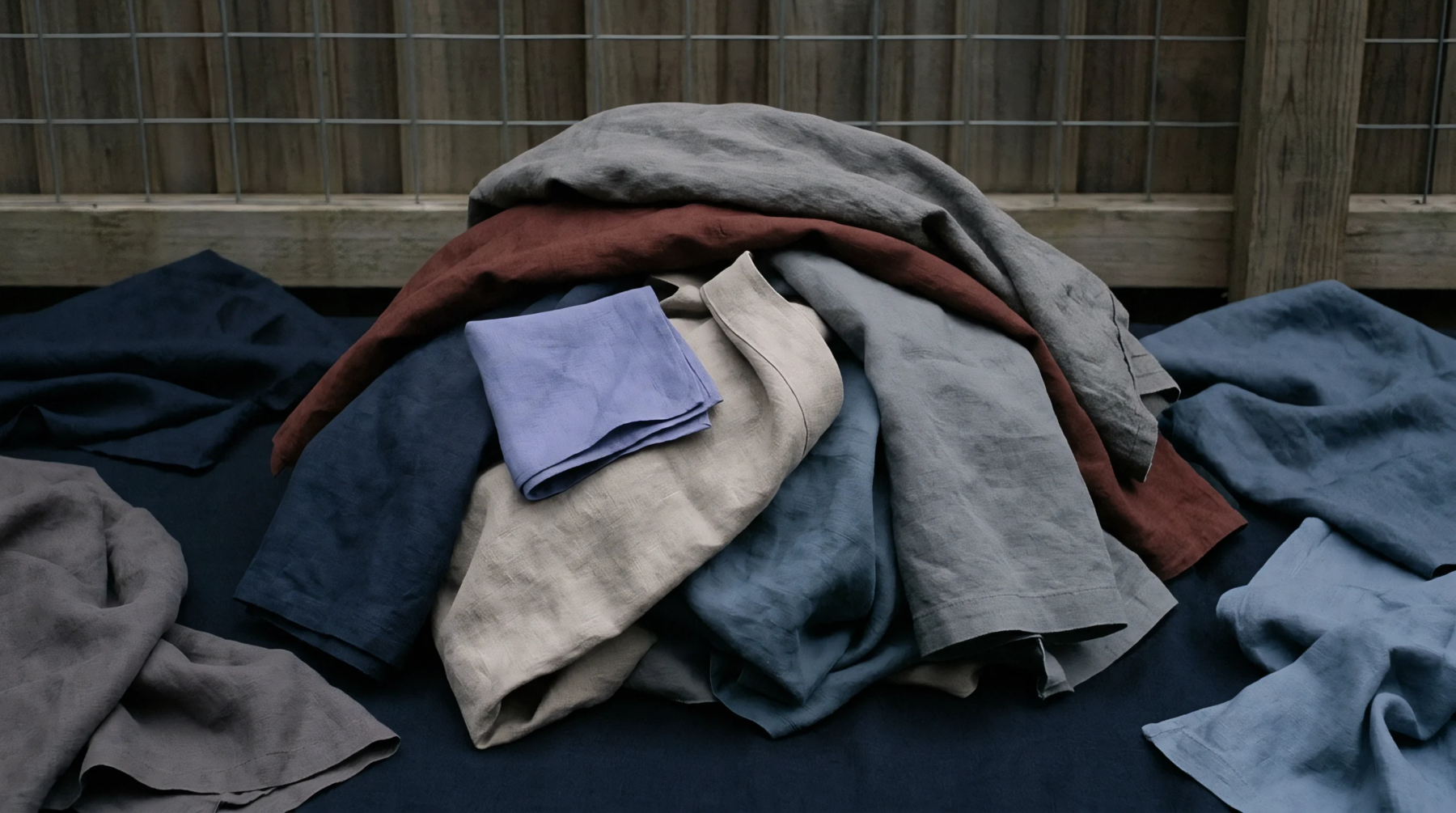
Reconciling wet processed linen weight loss against loom hour billing requires adjusting greige pick counts for chemical extraction and structural shrinkage.
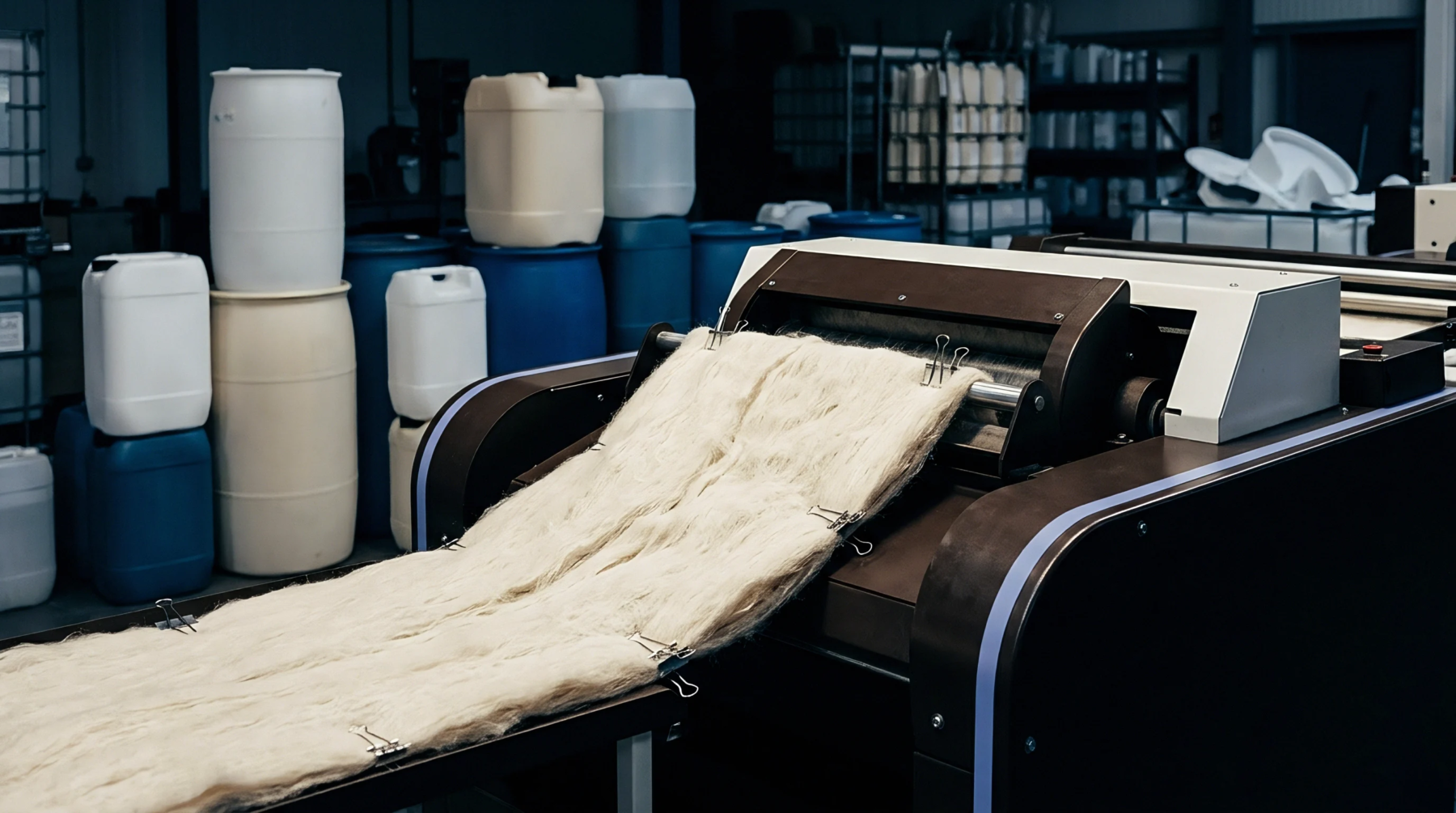
Dynamic flax shedding causes thermal moisture desorption, requiring invoice adjustments based on ISO 6741 oven-dry mass plus standard regain.
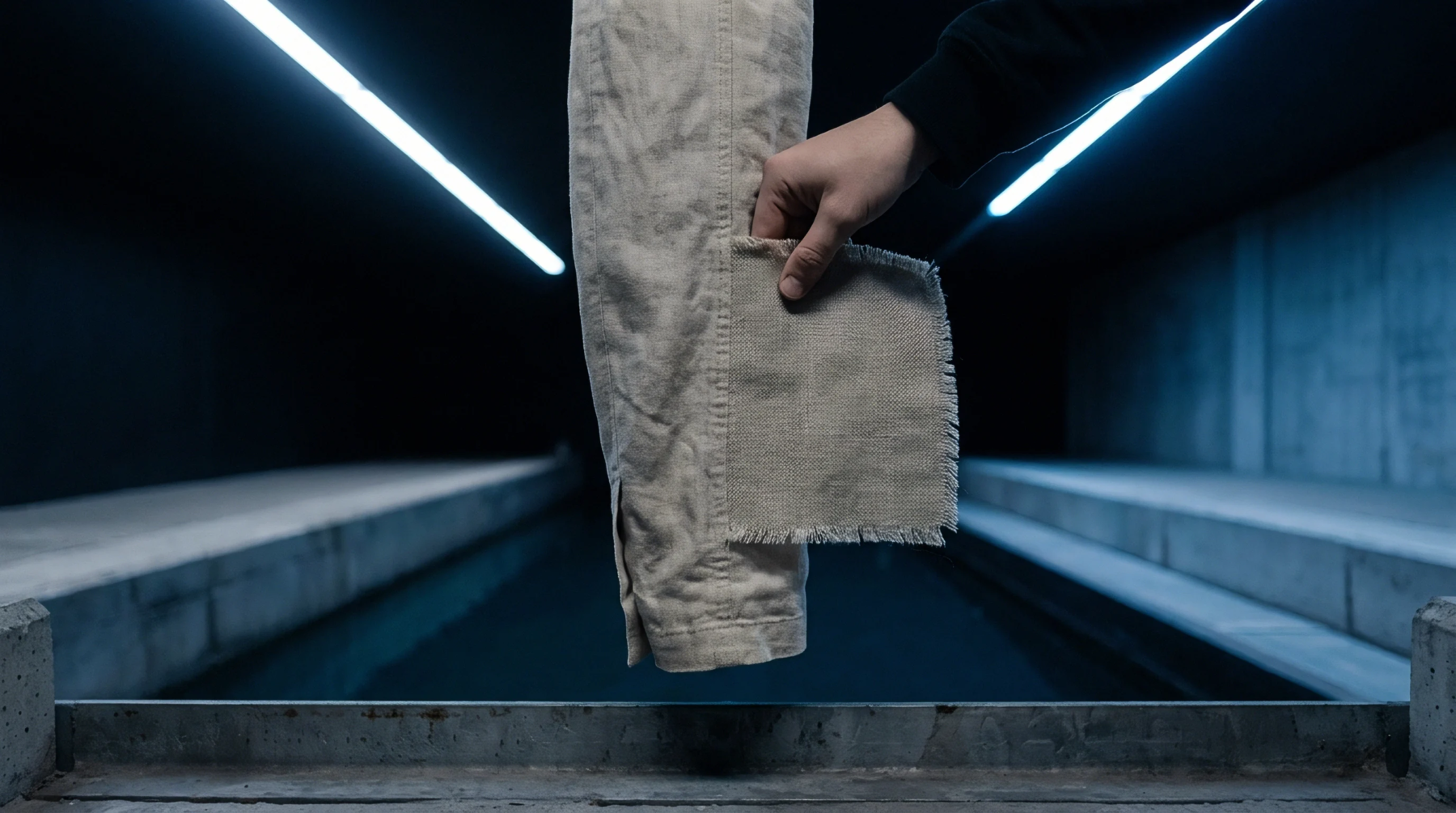
Flax moisture regain directly alters measured yarn count and fabric mass; accurate verification requires oven-drying to normalize weights against standard commercial regain allowances.

ASTM D5430 demerit scores for wide linen twills normalize defect counts per 100 square yards or metres to enforce commercial lot acceptance thresholds.

Standard four-point greige perches require a 45-60 degree tilt, 1200+ lux D65 lighting, synchronized tension drive, and strict ASTM D5430 demerit point scoring.
High-speed rapier friction accelerates evaporative desiccation in wet spun linen, requiring targeted shed micro-climates to maintain eleven percent regain.

Resolving seasonal weaving displacements requires shifting warp warps across compatible air-jet looms using strict tension, reed, and sizing adjustments.
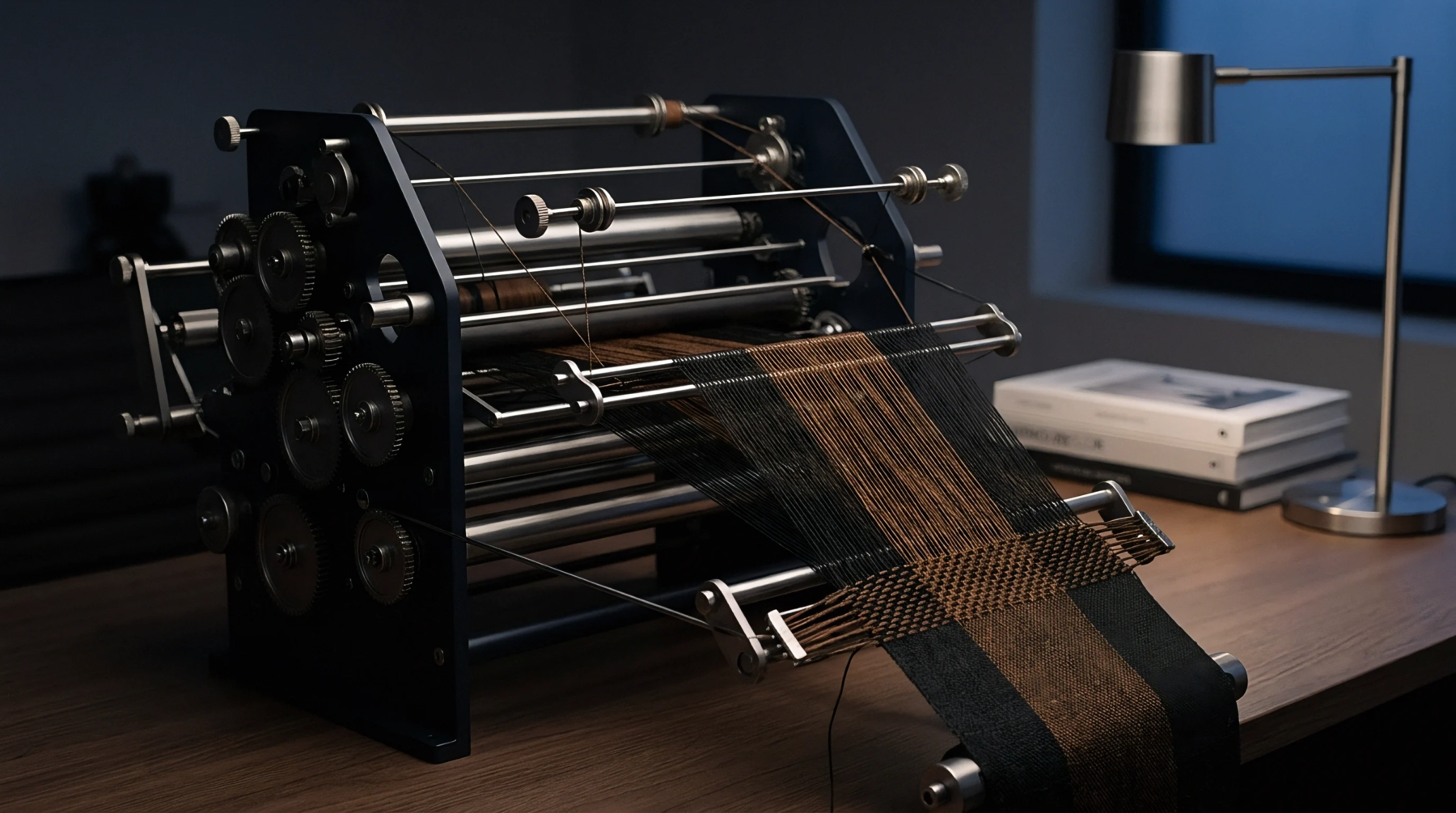
Seasonal Chinese loom allocation demands mapping construction pick counts into hourly machine costs to secure capacity before Q3 peak congestion.

Night-shift linen weaving defects disappear when electronic let-offs calibrate dynamically to mill hall relative humidity drops and machine thermal expansion.
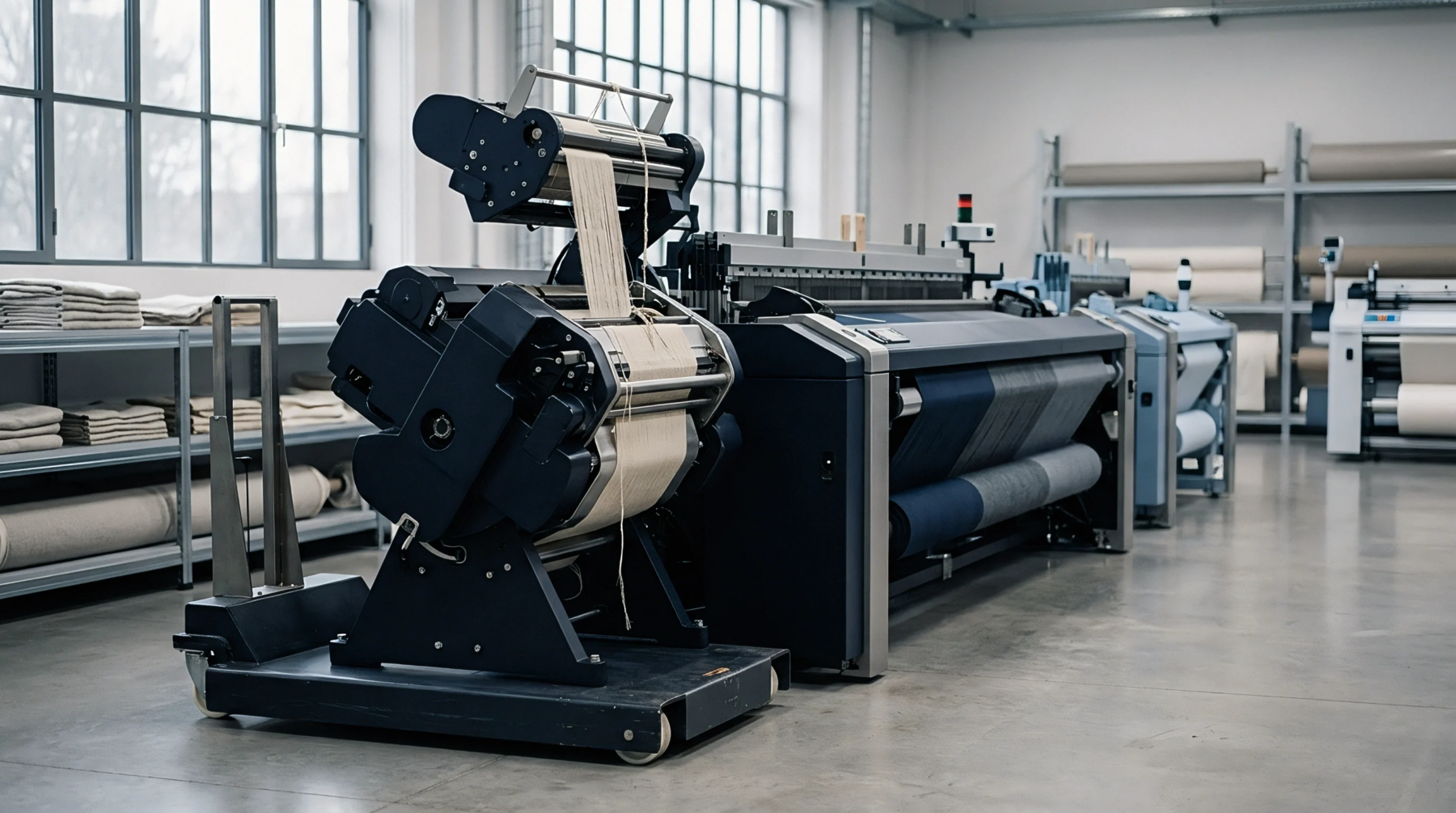
Transitioning linen weaving to mass high-speed looms requires adjusting cover factors for yarn flattening and crimp interchange to prevent weight and width off-spec faults.
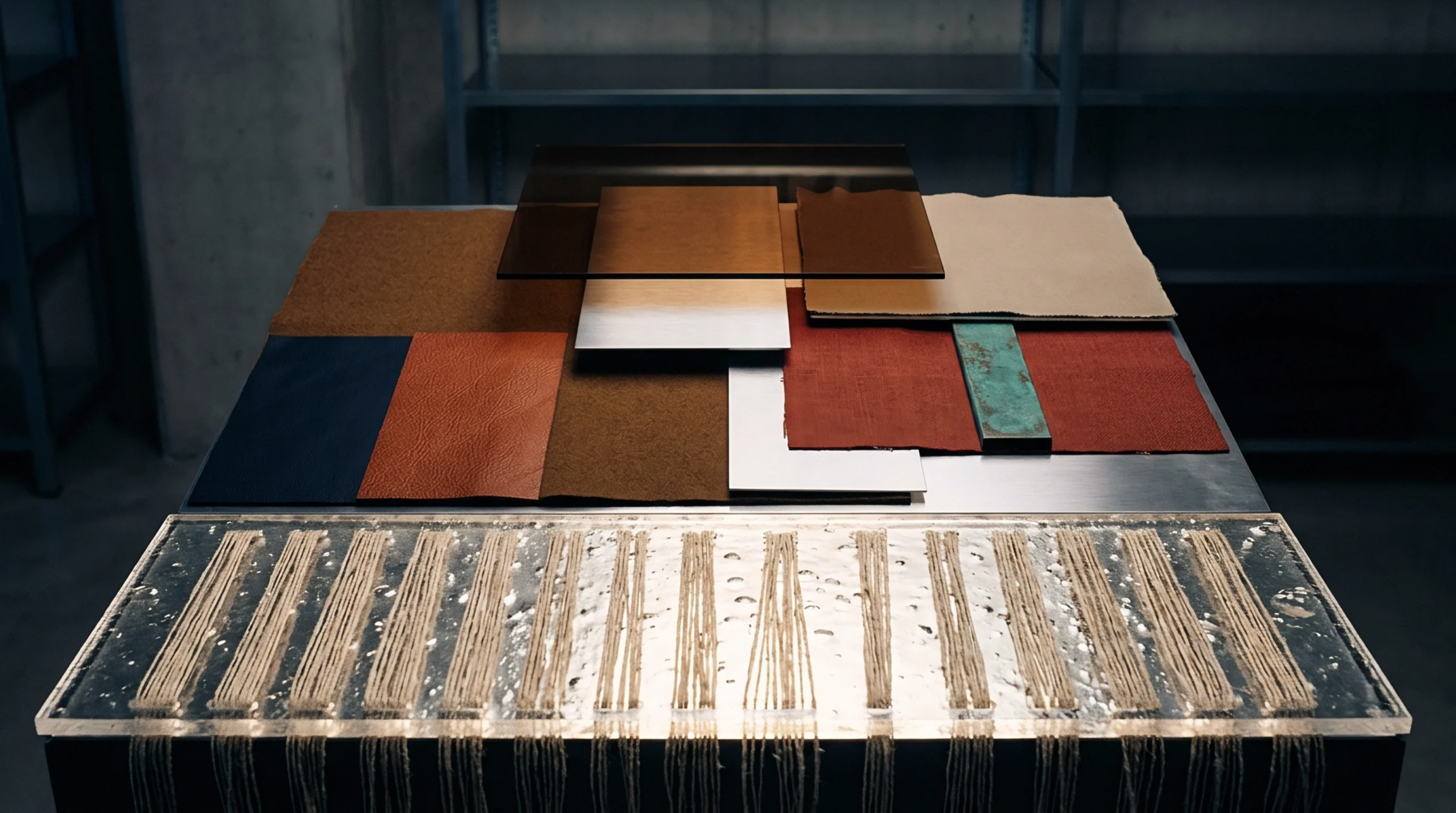
Warp stop downtime in dense weaving elevates fixed loom overhead by multiplying idle machine hours and start mark defect downgrades across production batches.
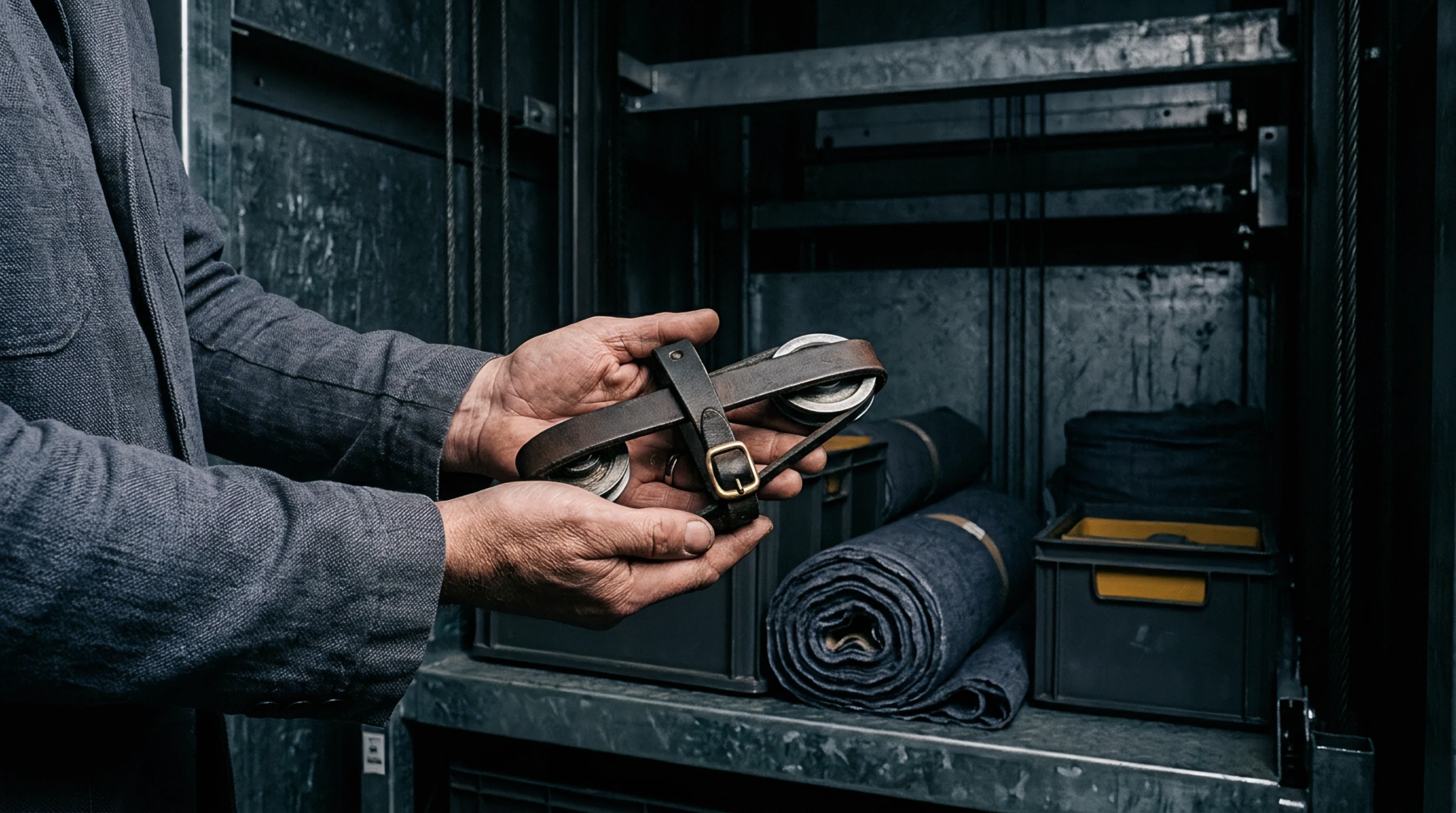
Jacquard harness mass and cumberboard splay force mandatory loom speed derating to prevent dynamic hook float, cord burning, and gearbox failure.
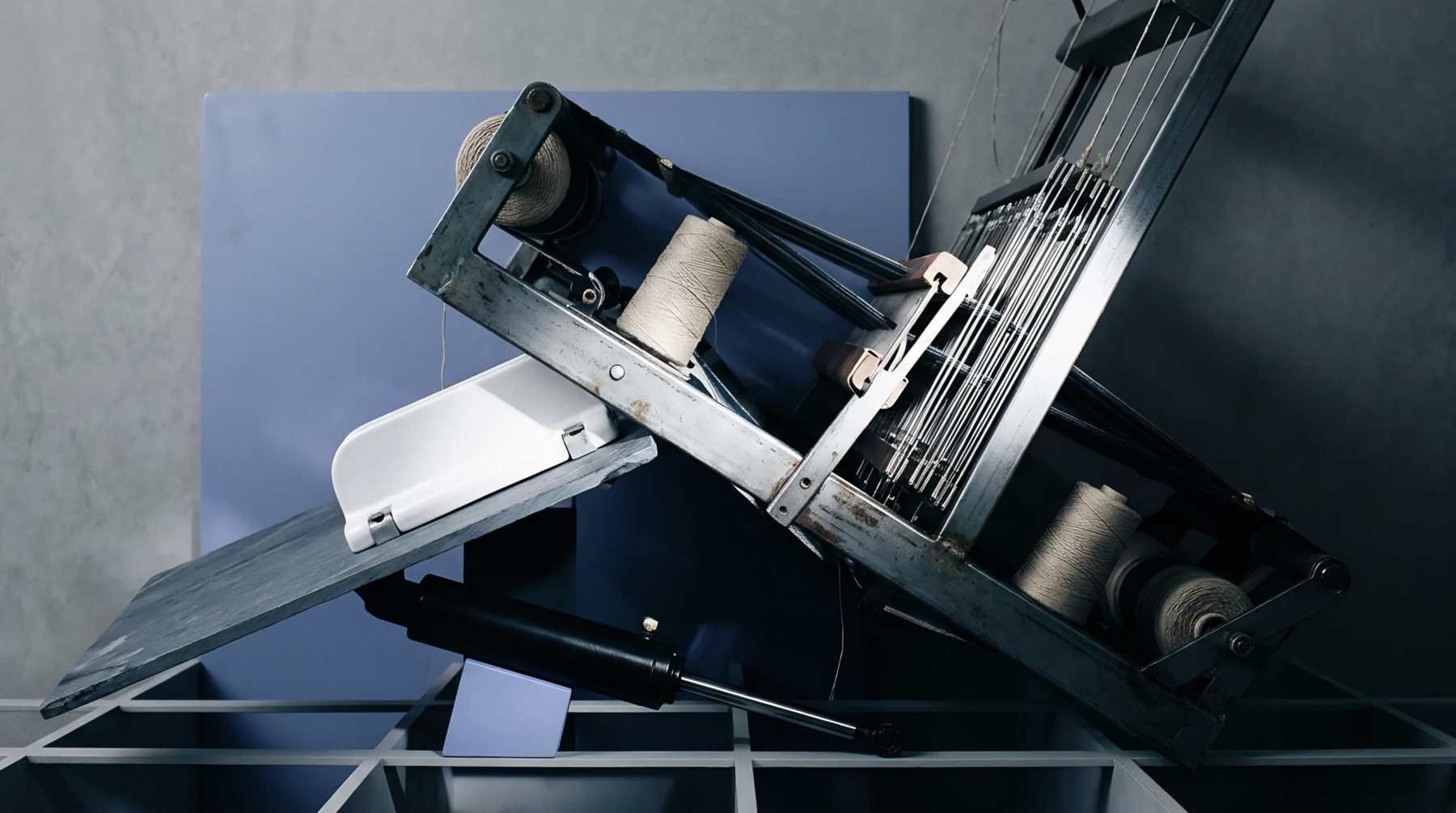
Starch synthetic hybrid sizing films achieve optimal rapier weaving efficiency when elastic strain recovery exceeds 70 percent under 10 Hz dynamic shedding.
Sizing penetration ratios between twenty and twenty-five percent minimize rapier yarn abrasion while preserving elasticity for peak loom efficiency.

Optimizing flax wet pick-up between 80 and 95 percent balances film encapsulation with core penetration, minimizing loom warp breaks and sizing liquor cost.
Expertise is a utility, not a secret. sentiention™ publishes its working knowledge as open reference: intelligence layer covering the materials it sources, the markets it enters, and the reference that serves both.