
Wet Spun Linen Warp Tensile Strength and Single End Breakage
Wet spun linen warp breaking strength depends on low strength CV and elastic sizing film to resist cyclic shed tension and prevent single end loom stops.
Wet spun linen warp breaking strength depends on low strength CV and elastic sizing film to resist cyclic shed tension and prevent single end loom stops.

Optimal wet spun linen weaving requires low viscosity binder penetration, pneumatic water splices, and eight percent size pickup to maintain loom shed efficiency.
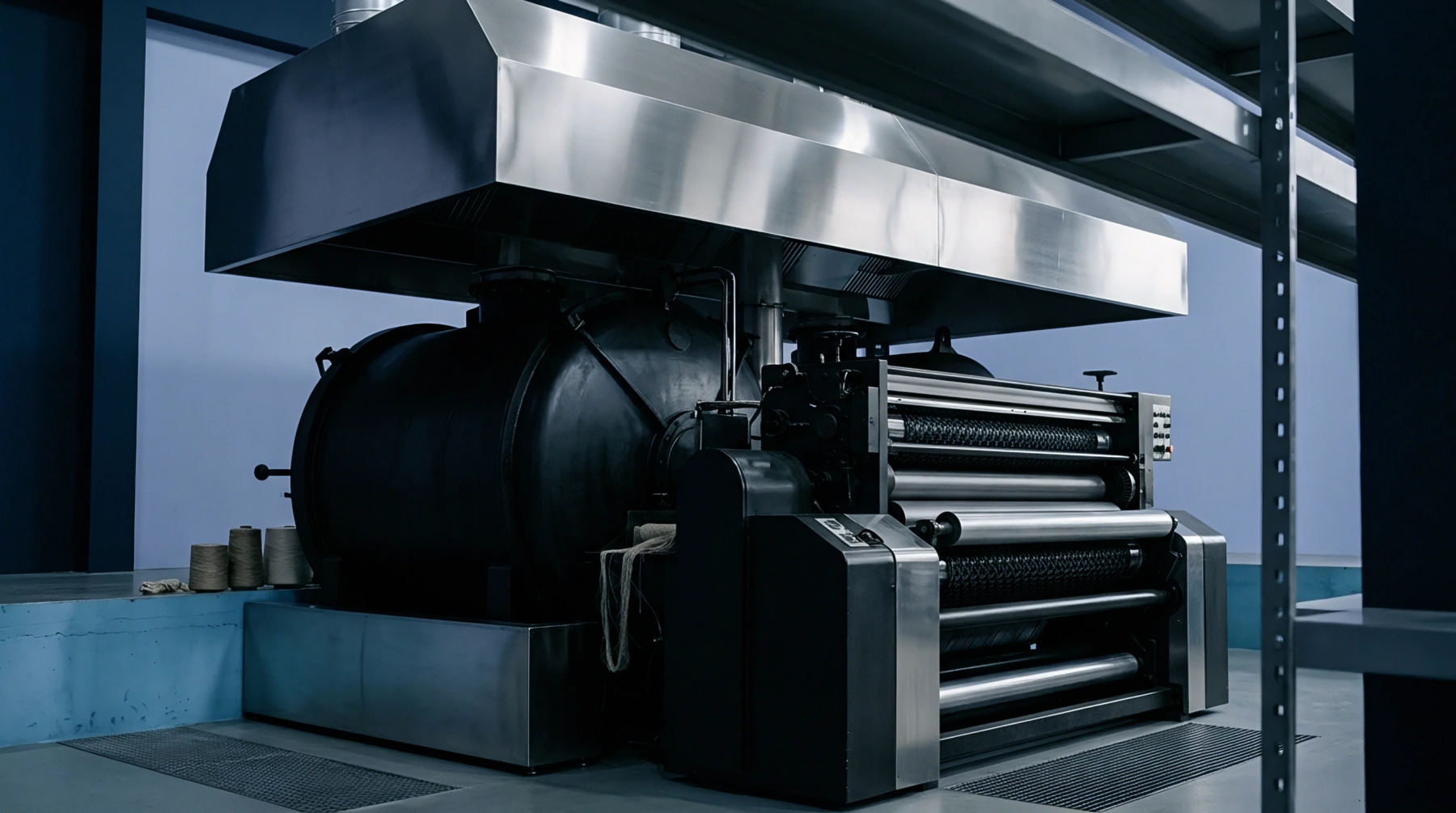
Scouring raw flax reduces mass by 9-12% while yarn crimp increases fabric density, requiring exact reed width allowances to reach finished weight target.

Damping broad jacquard superstructure resonance stabilizes comber board deflection below half a millimeter, extending cord fatigue life and preserving shed clarity.
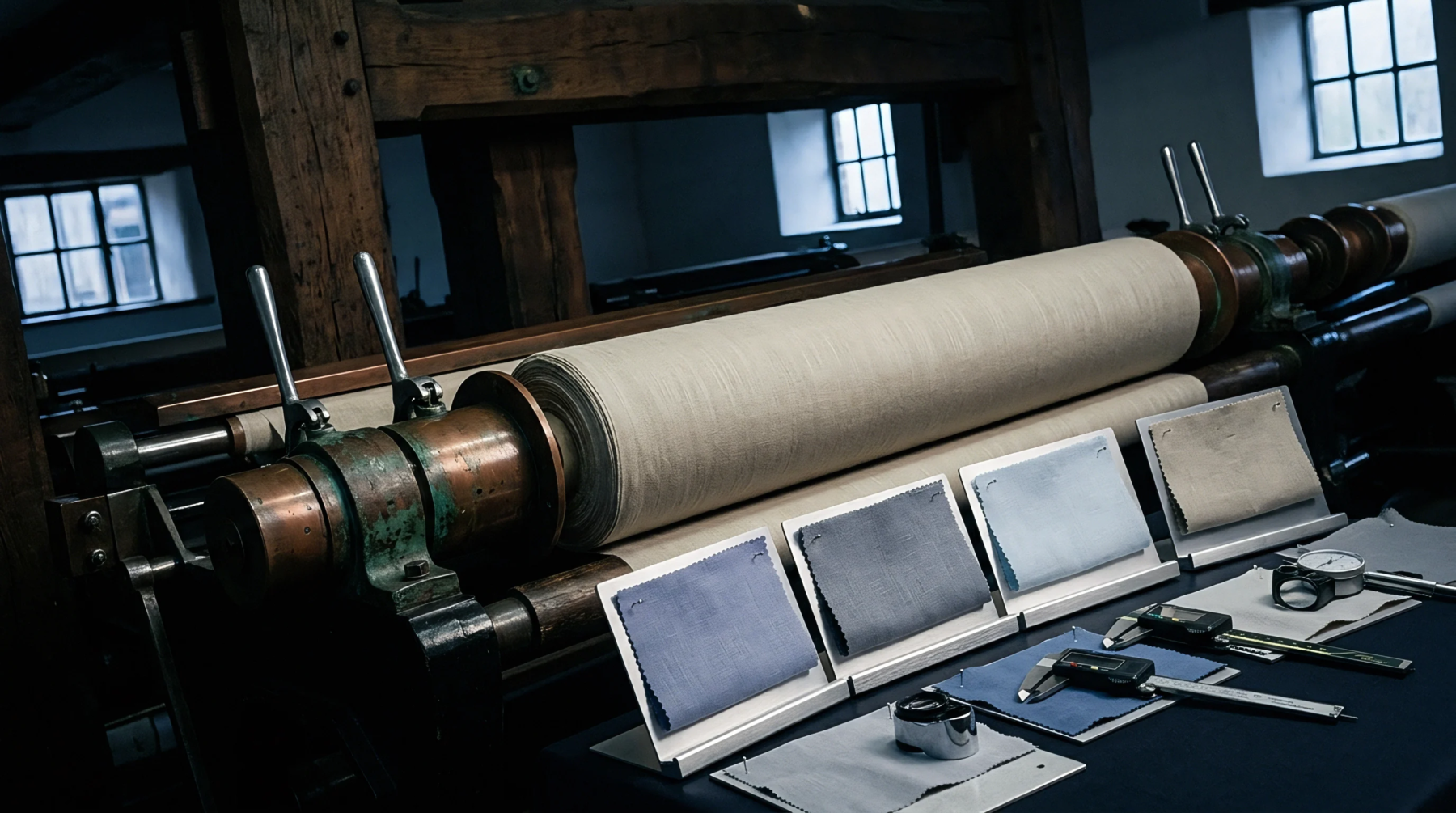
Standard cantilever testing and four-point inspection verify greige cloth stiffness and fault densities to enforce contract specifications before finishing.

Insertion reliability in dense wet spun linen depends on size film cohesion and precise unguided rapier trajectory to limit peak tension under 4.5 cN/tex.

Standardized four-point greige inspection prevents downstream finishing losses by enforcing objective ASTM D5430 defect scoring before cloth conversion.
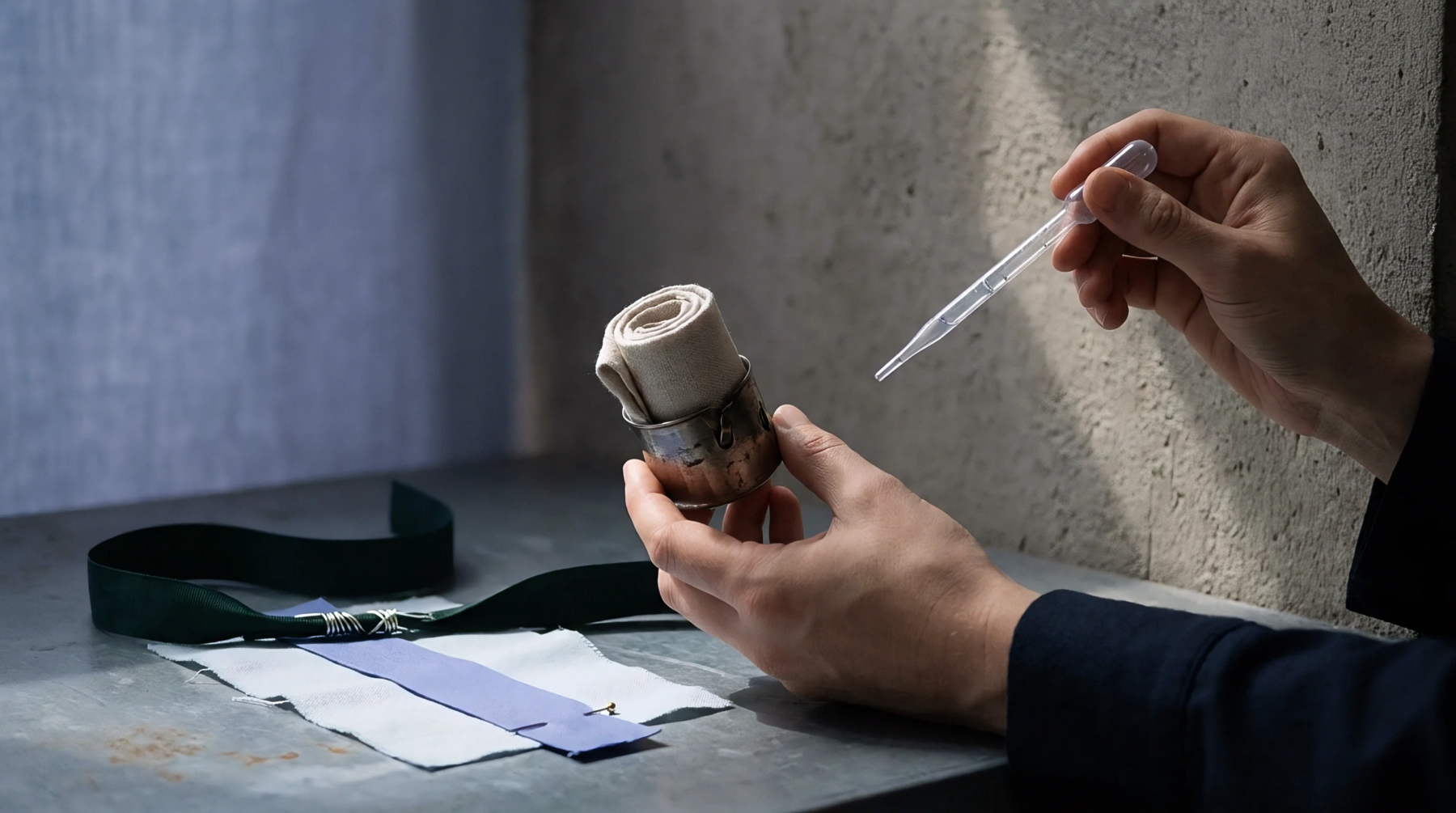
Controlled chemical matrix extraction and continuous moisture regain balance lower dynamic friction, preventing warp breaks during high speed linen warping.

Resolving jacquard linen loom allocation disputes requires tying minimum order economics directly to harness setup hours, denting friction, and humidity limits.

Width dispute mechanics enforce area deductions and loom-hour penalties based on conditioned usable cuttable width versus contract tolerance limits.

Controlled size encapsulation and 10 percent moisture regain suppress linen warp breaks, preserving high loom efficiency and direct landed metre margins.

Balancing bast fiber loom shed humidity requires maintaining 76-80% RH to achieve 12% warp regain, preserving yarn elasticity and preventing size film dusting.

Anisotropic hydration swelling and crimp interchange drive linen contraction, requiring accurate warp allowances to guarantee finished dimensions and cost.

Balancing inter-yarn friction via controlled finishing softeners enables high-density Jacquard linen to dissipate tear energy through localized yarn bundling.
Ultra-high-speed rapier insertion causes non-linear yarn dynamic degradation and micro-slippage that requires optimized clamping and sizing to prevent shed stops.

Primary rapier trim scrap depends on insertion geometry rather than fabric width, requiring exact tail length modeling to prevent yarn yield deficits.
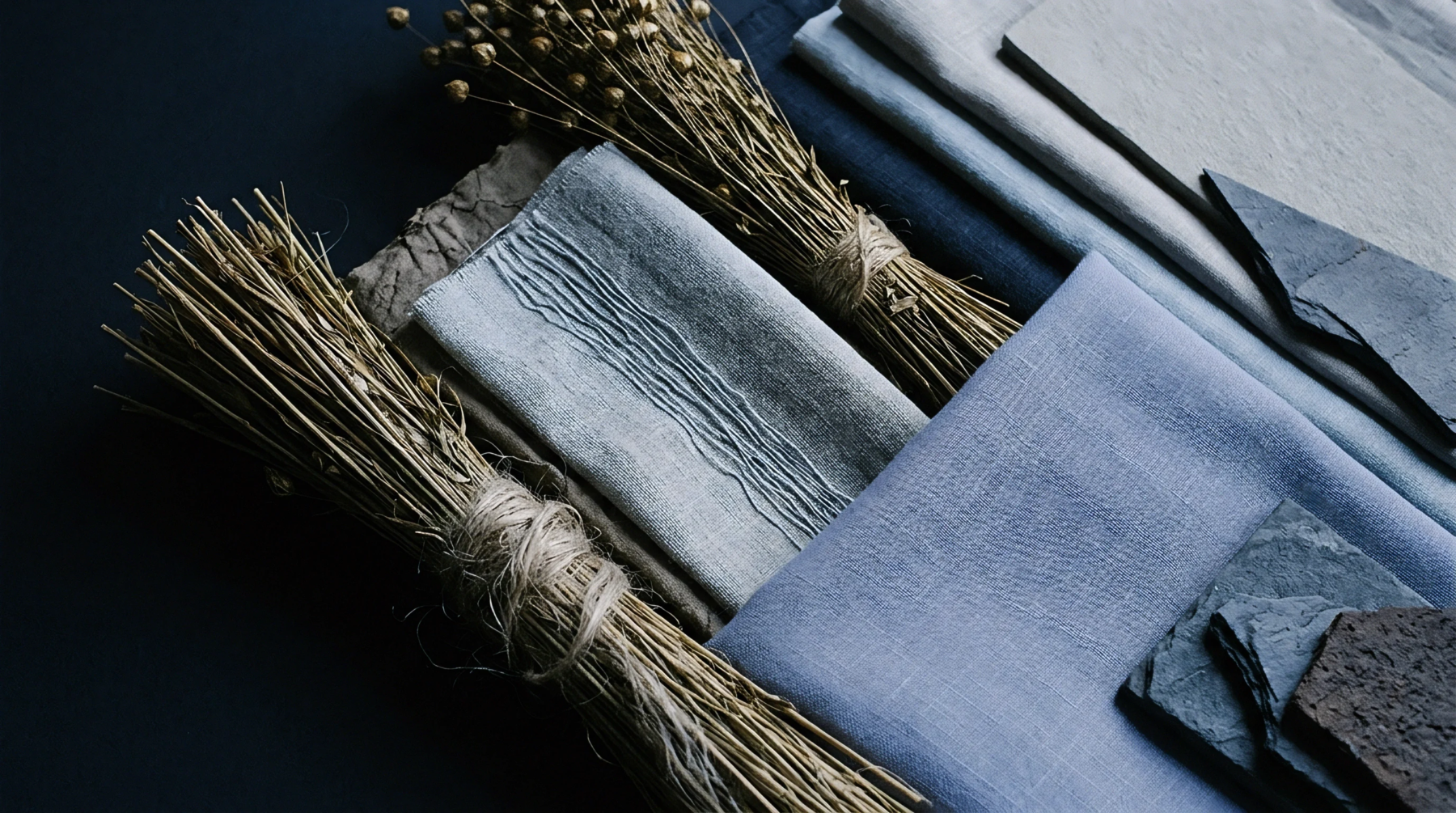
Calibrating inter-elementary pectin matrix cohesive parameters against dynamic loom tension spikes prevents shear failure in ultrafine wet spun linen.
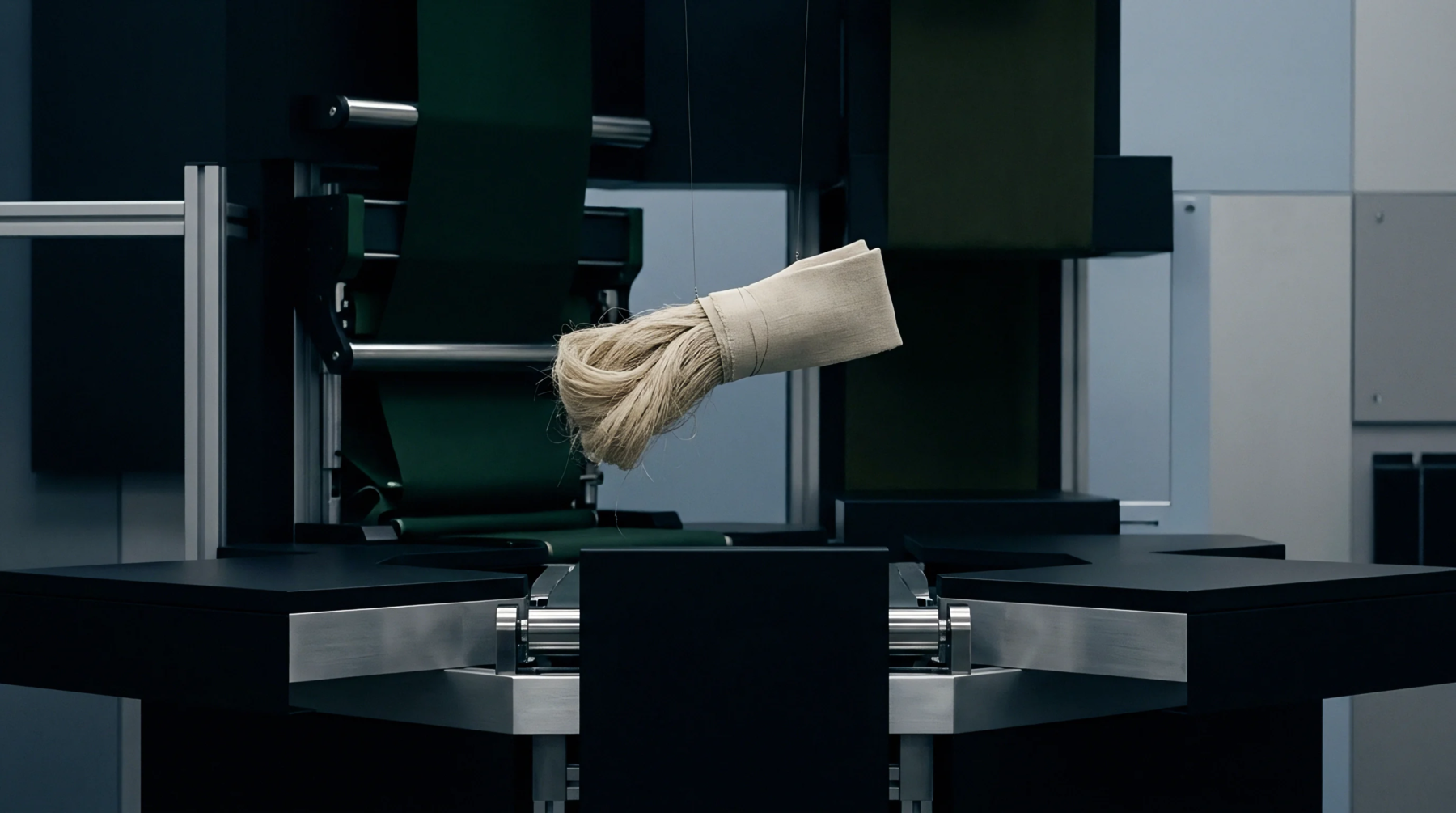
Controlling peak dynamic warp strain in fine linen weaving requires balancing backrest roller damping, shed geometry, and moisture to prevent yarn fatigue.
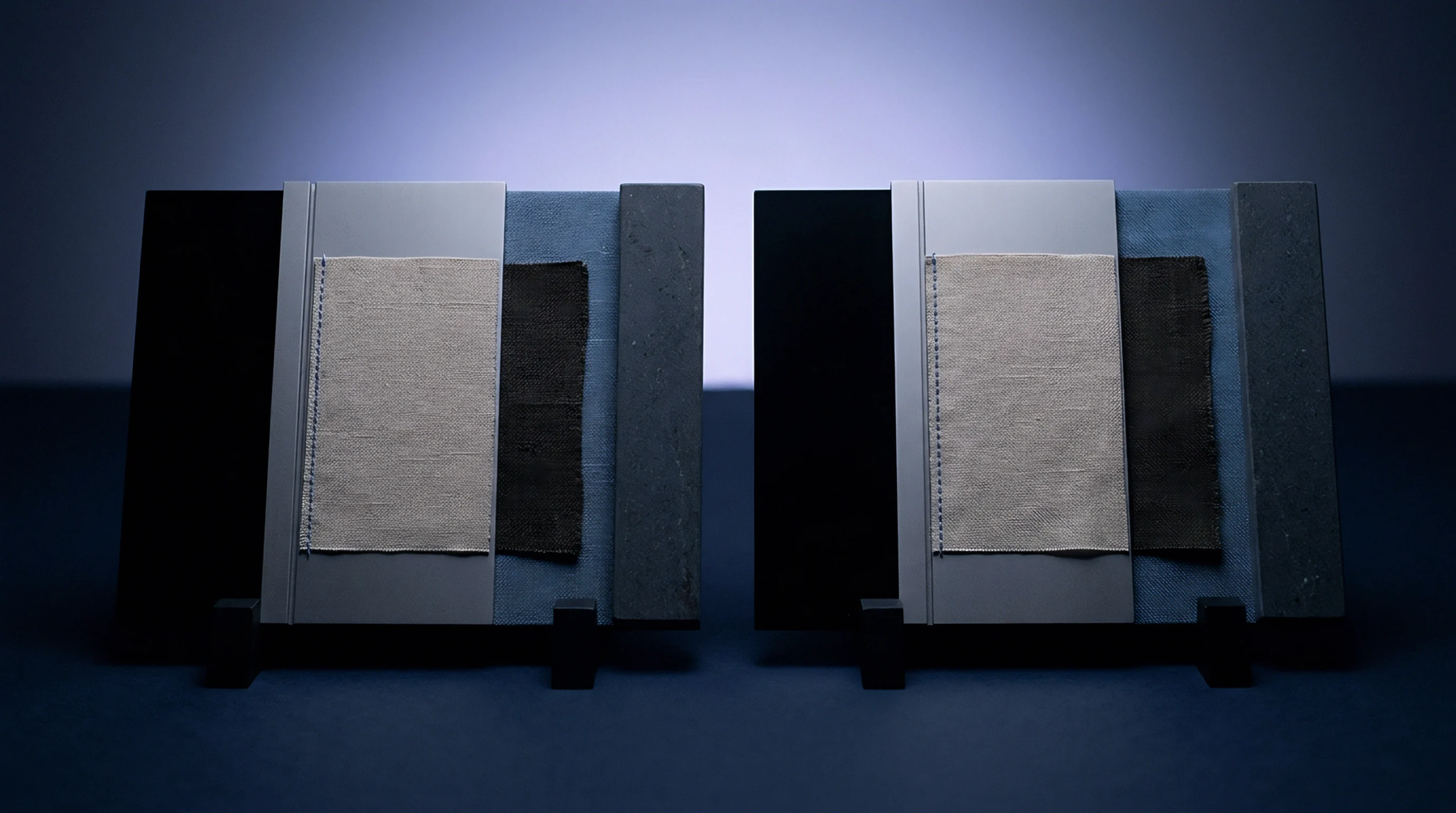
Determine woven linen weight and thread density by converting yarn Lea to Tex, applying cover factor equations, and accounting for finishing shrinkage.
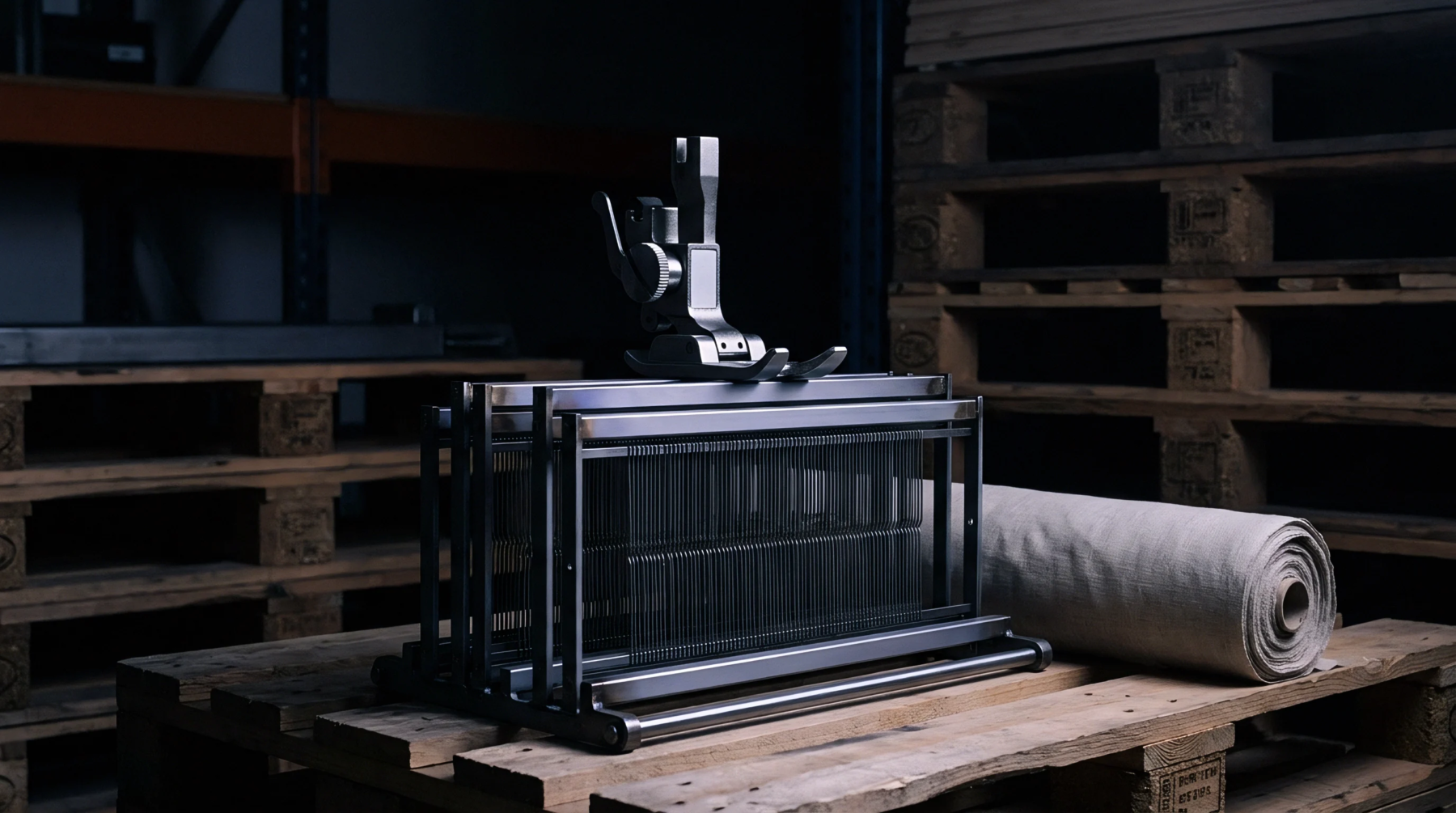
Jacquard repeat limits scale with hook count and warp density, where systematic harness casting-out maintains uniform cord pull angles across the comber board.

Exact yarn mass calculation for plain weave greige linen requires converting Lea to Tex, factoring warp crimp, reed width, and 12% standard moisture regain.
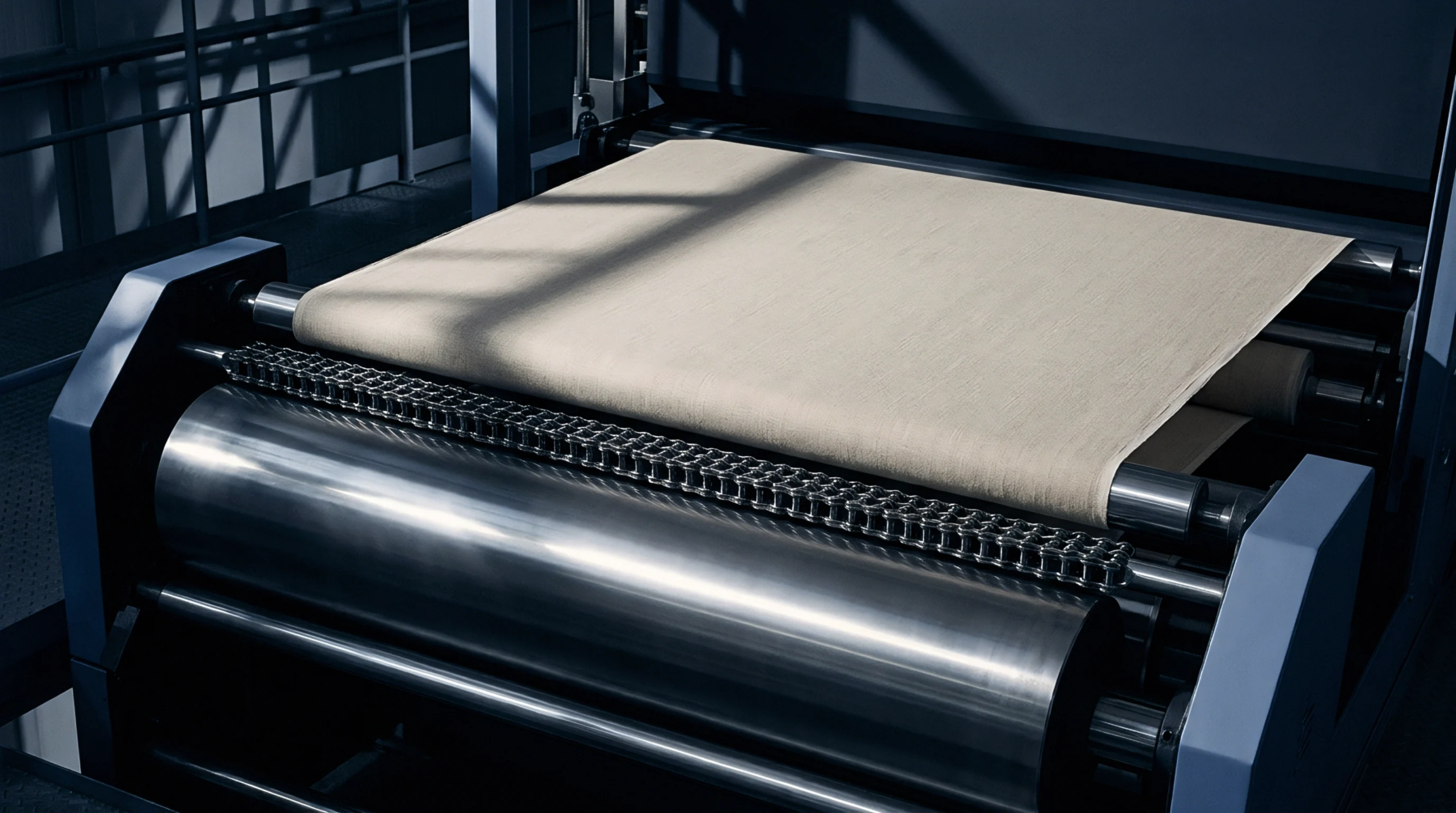
Wide air-jet linen weaving requires synchronized relay nozzle pressures and precise temple pin geometry to stop edge tension drift and edge damage.

Converting hand-loom swatches to rapier loom specs requires rebalancing warp crimp, sizing single yarns, and setting weft brakes to hold cover factor at speed.
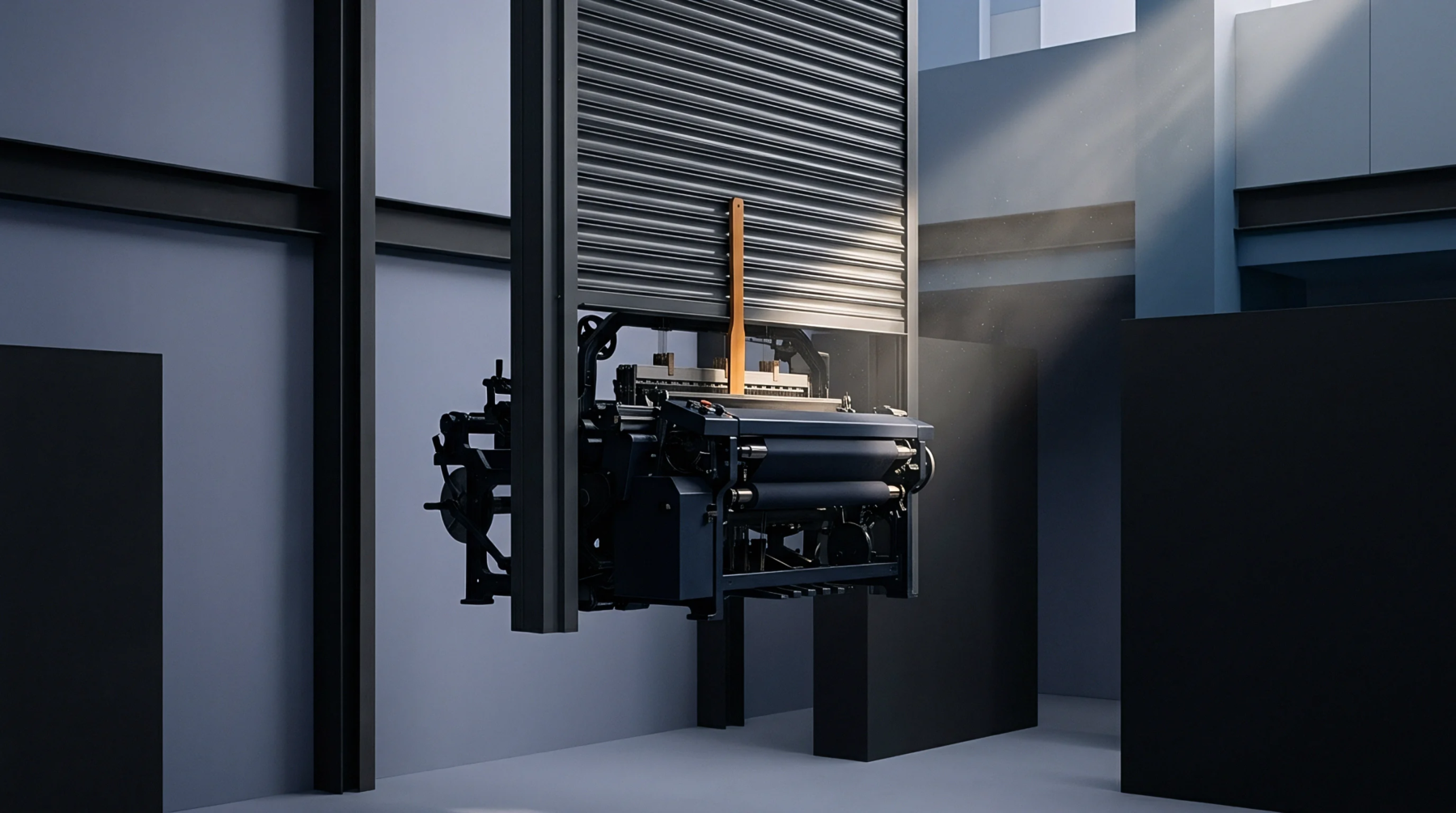
Integrating real-time loom telemetry with four-point demerit scoring automates fabric grading by mapping machine stop pulses directly to physical defect coordinates.

Calibrating warp end density within cover factor limits and aligning loom shed geometry prevents thread chafing, maintains loom efficiency, and controls metre cost.
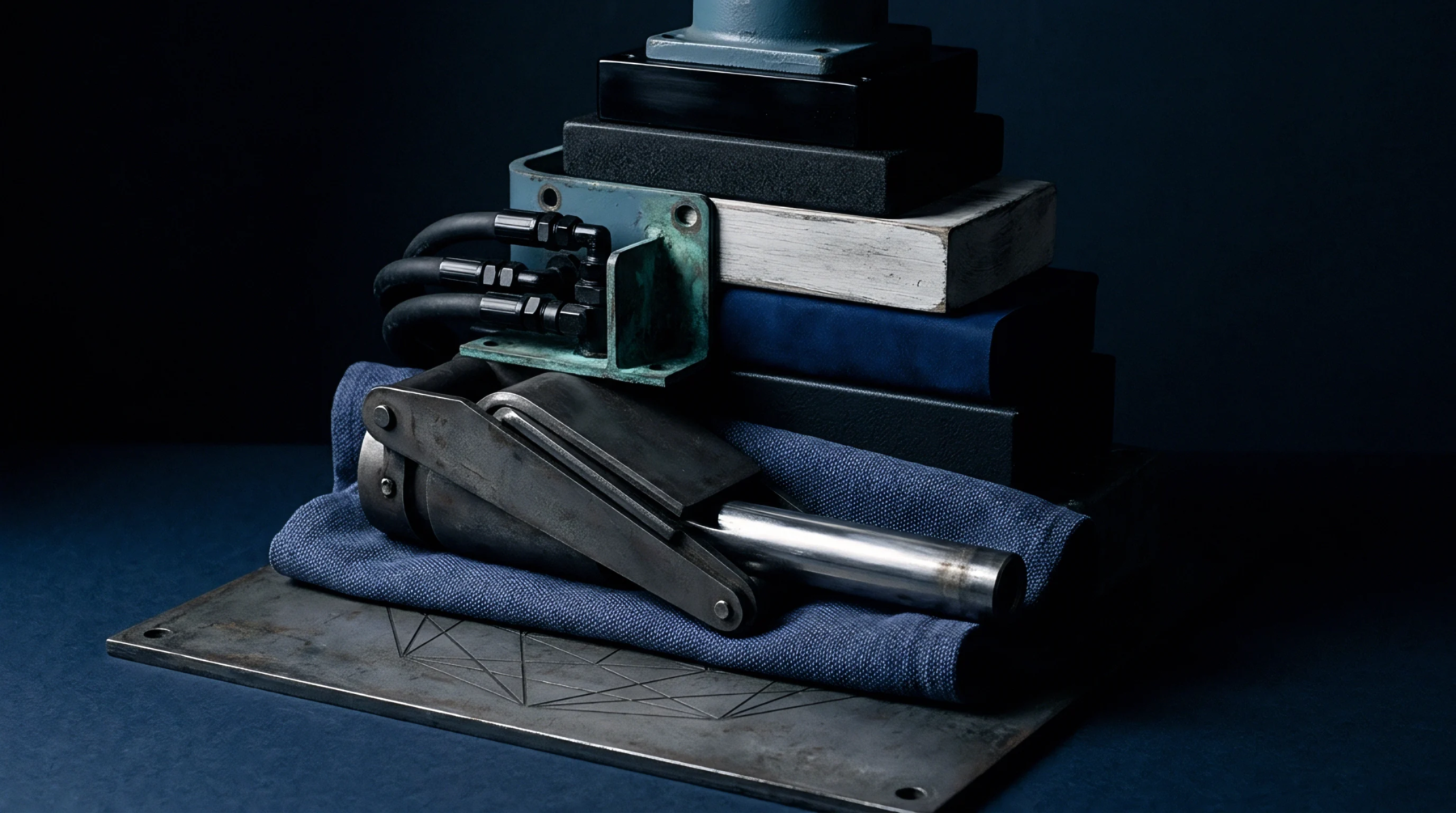
Managing off-loom flax warp crimp contraction requires precise reed denting allowances, ELO tension tuning, and size solubility control to hit target grey widths.

Water-assisted pneumatic yarn splices with optimized wrapper density reduce high-frequency shedding stress failures and protect loom efficiency on rapier sheds.
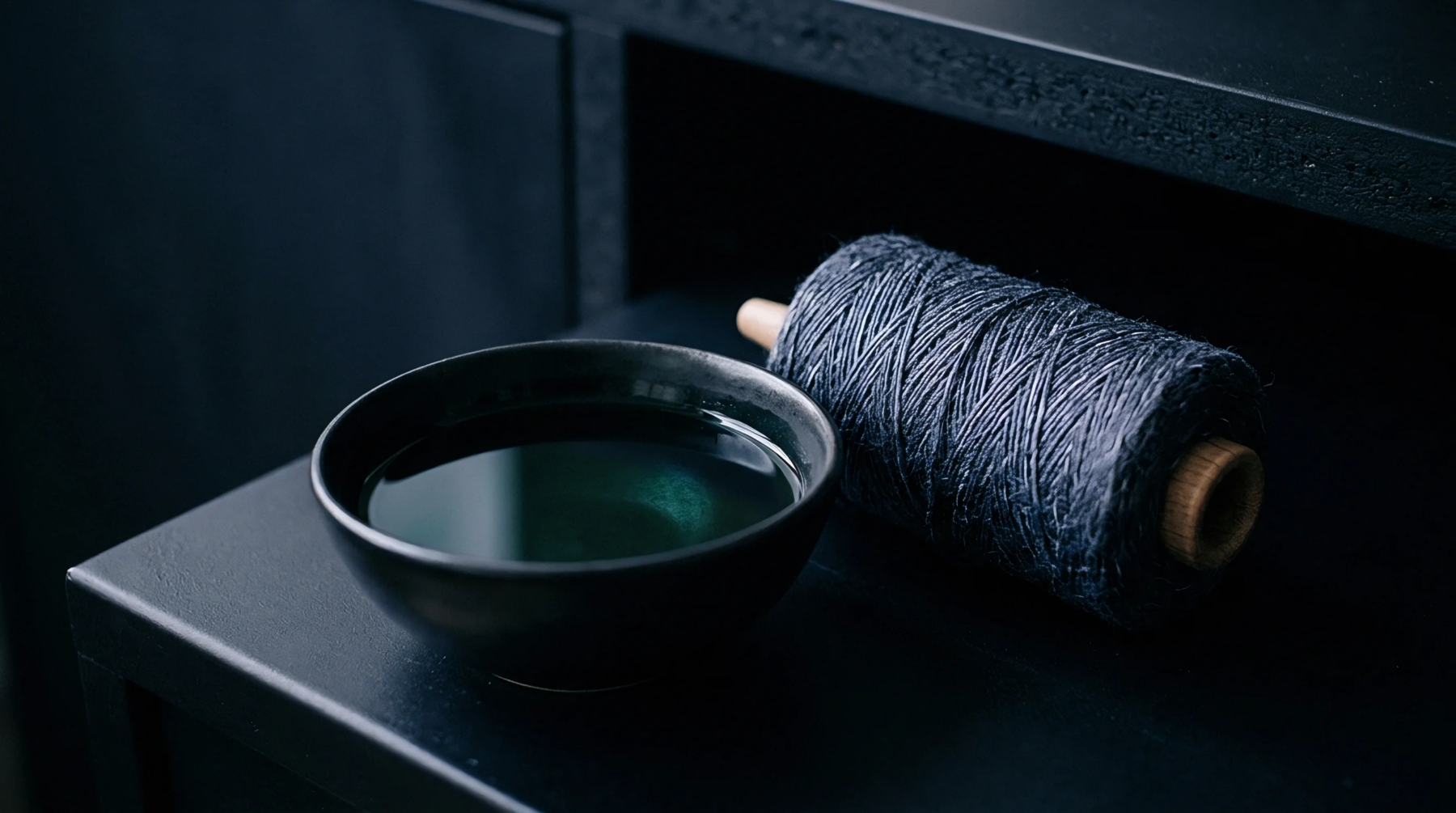
Warp sizing requires matching yarn packing factor to polymer viscosity, adjusting squeeze nip pressure for precise solids add-on, and maintaining elongation.
Standard flax yarn linear density determination mandates motorized skein reeling under 0.5 cN/tex tension combined with ISO 6741 oven-dry commercial mass correction.

Reconciling linen weight requires balancing chemical extraction losses against warp crimp contraction to hit target finished areal mass and dimensional stability.
Expertise is a utility, not a secret. sentiention™ publishes its working knowledge as open reference: intelligence layer covering the materials it sources, the markets it enters, and the reference that serves both.