
Dynamic Tensile Fatigue Decay Mechanics under Asymmetric Loom Shed Geometry
Asymmetric loom sheds accelerate flax warp fatigue by shifting cyclic peak tension onto the lower yarn sheet, causing rapid microfibril fracture and stops.
Asymmetric loom sheds accelerate flax warp fatigue by shifting cyclic peak tension onto the lower yarn sheet, causing rapid microfibril fracture and stops.

Dense flax yarn stress decay stems from matrix shear along cellulose microfibrils, requiring active let-off compensation to prevent restart density defects.

Ultrafine wet spun linen warps demand low-viscosity modified starches with acrylic binders at eight to ten percent size add-on and strict tension limits below one percent.
Excess warp breaks from friction defects add unabsorbed loom downtime costs recoverable through measured stop logging and laboratory coefficient of friction proof.

Wet spun linen warp breaking strength depends on low strength CV and elastic sizing film to resist cyclic shed tension and prevent single end loom stops.
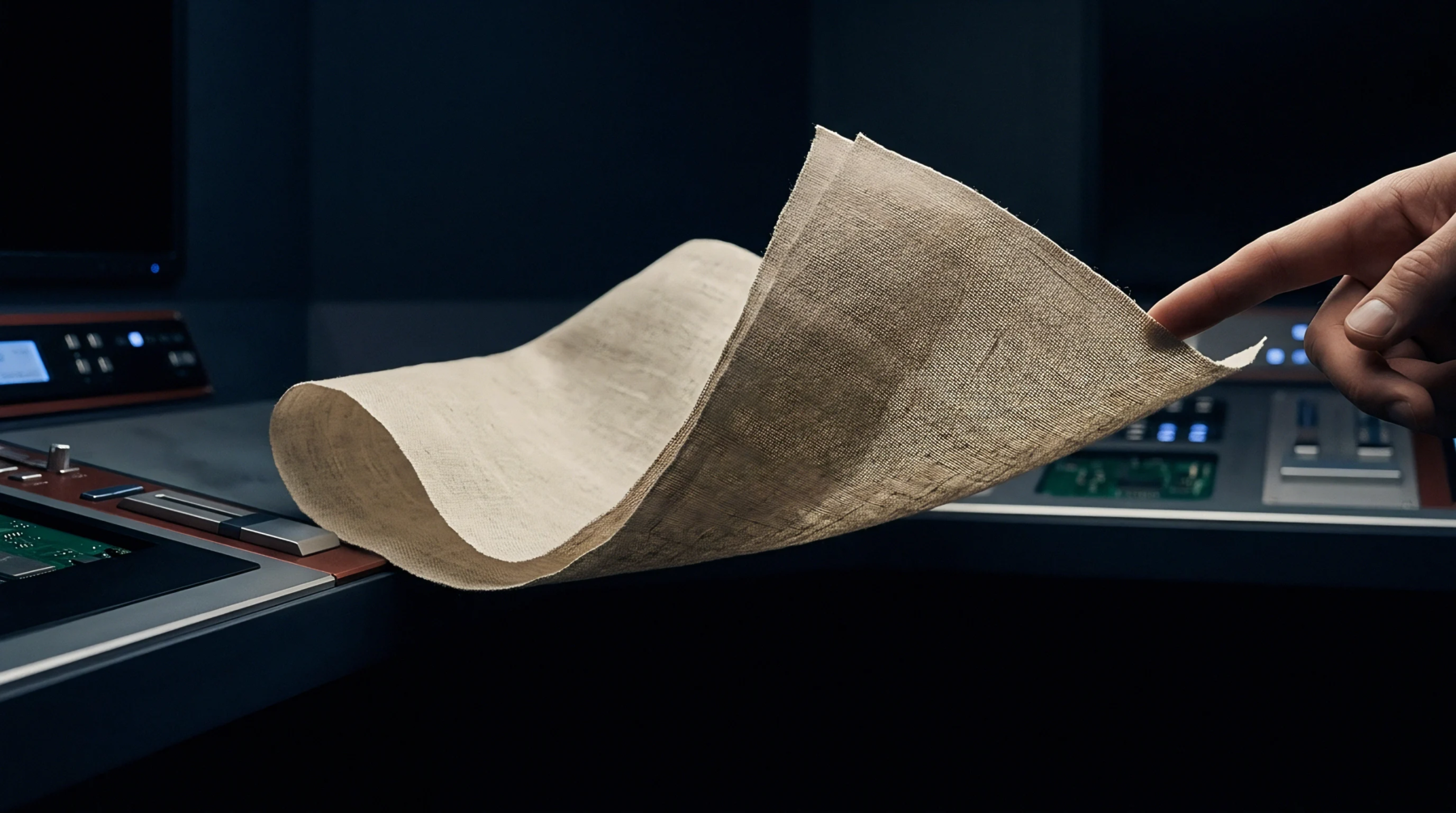
Optimal wet spun linen weaving requires low viscosity binder penetration, pneumatic water splices, and eight percent size pickup to maintain loom shed efficiency.
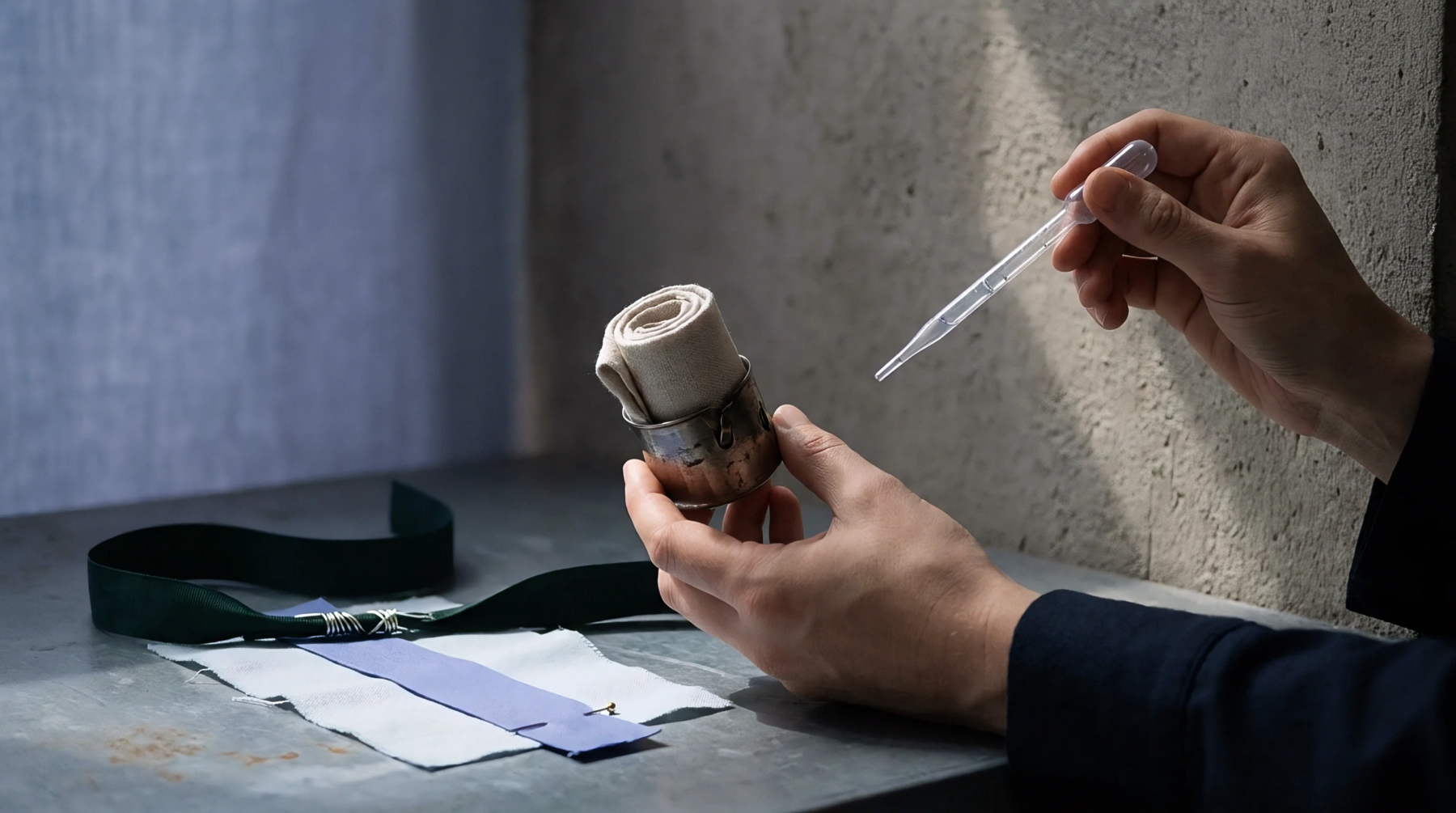
Controlled chemical matrix extraction and continuous moisture regain balance lower dynamic friction, preventing warp breaks during high speed linen warping.

Resolving jacquard linen loom allocation disputes requires tying minimum order economics directly to harness setup hours, denting friction, and humidity limits.

Controlled size encapsulation and 10 percent moisture regain suppress linen warp breaks, preserving high loom efficiency and direct landed metre margins.
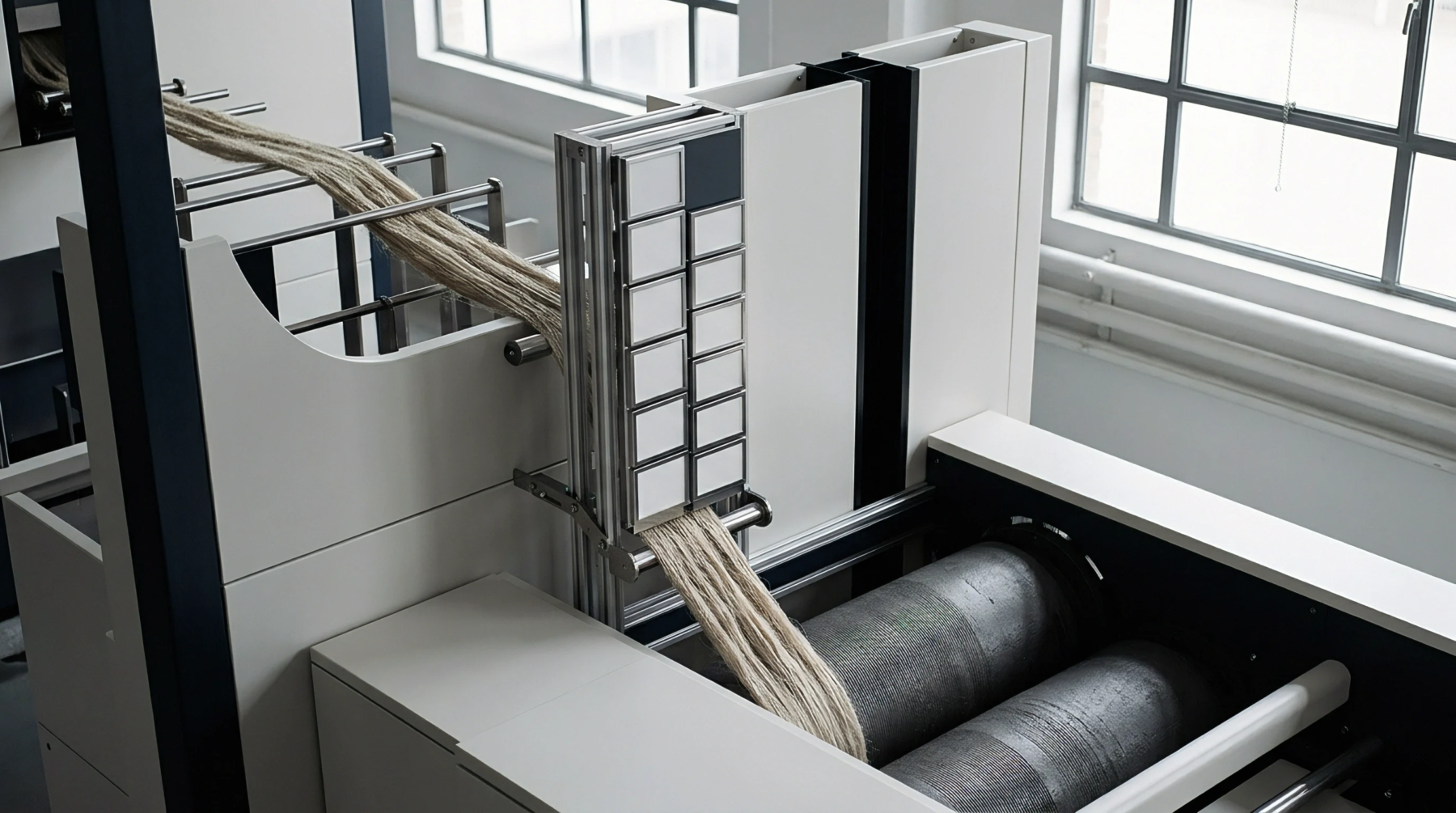
Dynamic weaver routing driven by stochastic queueing telemetry eliminates machine interference losses, raising loom efficiency by over seven percentage points.

Reed width contraction and warp crimp take-up in linen weaving require dynamic adjustment of loom tension and denting space to offset flax inelasticity.
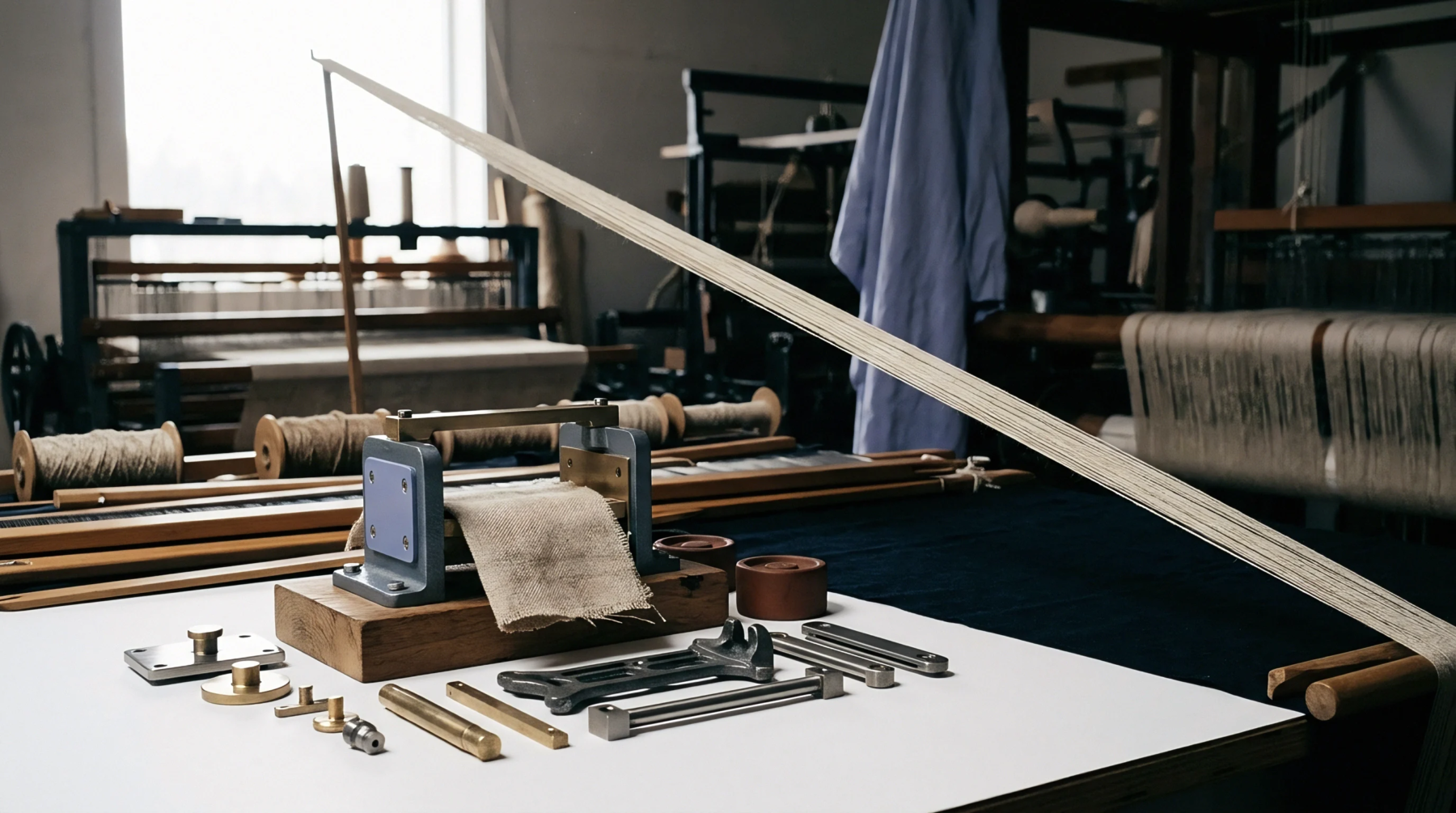
Linear density conversions for linen require applying official moisture regain factors to Lea and Tex counts to fix structural fabric weights accurately.
Wet spun flax linear density and mechanical properties depend on strict moisture regain control, hot water pectin drafting, and CRE tensile evaluation.

Engineering accurate linen fabric specifications requires coupling loom crimp take-up equations with wet process shrinkage factors to fix finished GSM and width.

Evaluating raw flax yarn bundle morphology, pectin chemistry, and tensile metrics prevents high-speed warping breaks and protects loom hour efficiency.

Linen yarn bending rigidity relies on pectin matrix relaxation, where balanced warp and weft crimp distribution controls fabric crease recovery and landed metre costs.
Expertise is a utility, not a secret. sentiention™ publishes its working knowledge as open reference: intelligence layer covering the materials it sources, the markets it enters, and the reference that serves both.