Fibre Strain
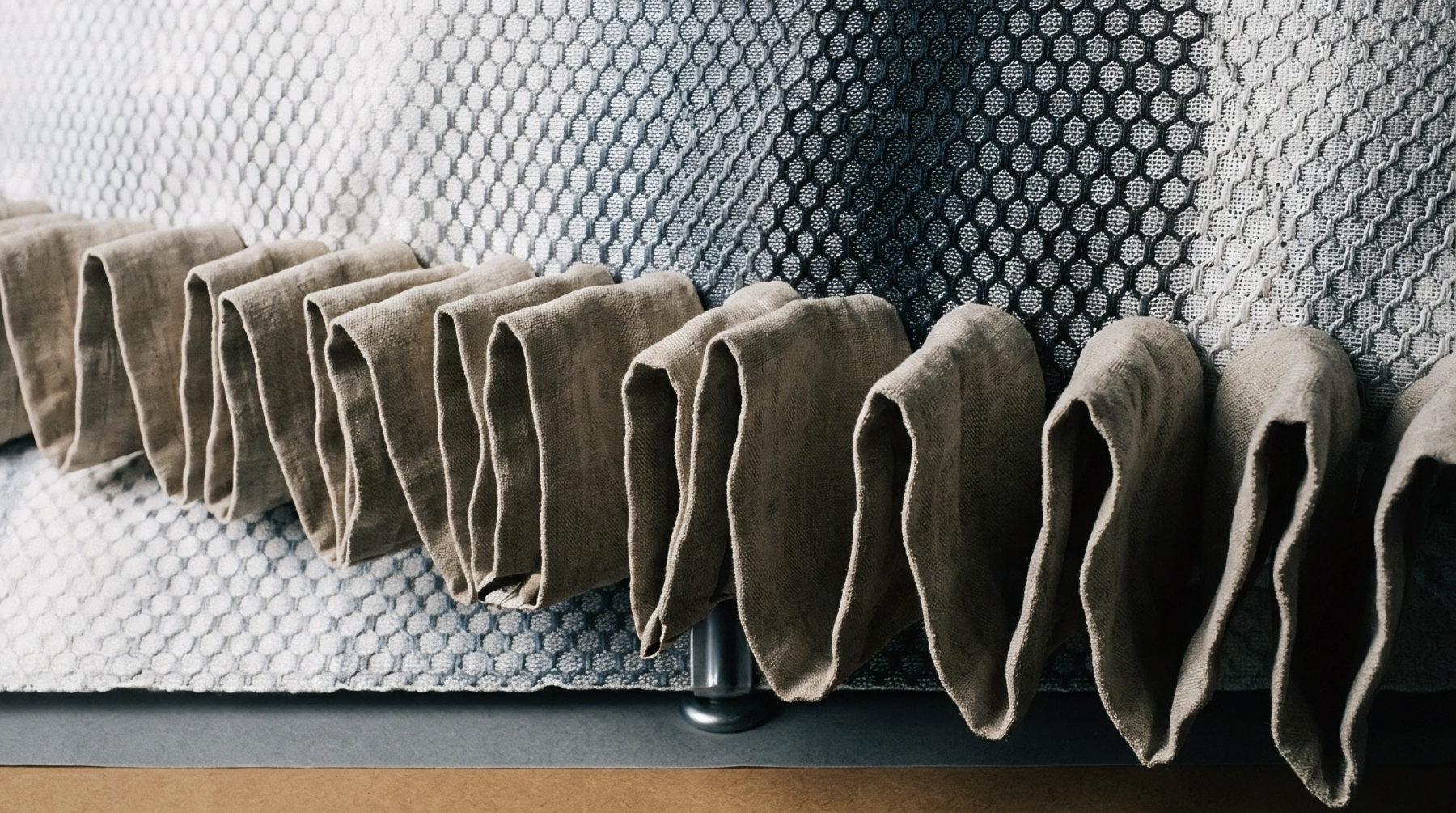
Tensile force resistance applied during the mechanical hackling stage determines how individual flax strands withstand high-speed drawing frames without tearing prematurely. This mechanical stress profile identifies weak bonds along the plant stalk before wet spinning begins. Operators record these breakage thresholds inside the mill production ledger alongside moisture content percentages.
Flax fibre grades depend upon elongation limits established by natural cellulose maturity rather than chemical treatments applied later. Fabric grades rely upon uniform yarn diameter achieved after carding rather than raw stalk resilience. Mill grading standards reflect internal spinning efficiency goals whereas buyer acceptance criteria enforce strict breaking load minimums for commercial export.
Warp Density
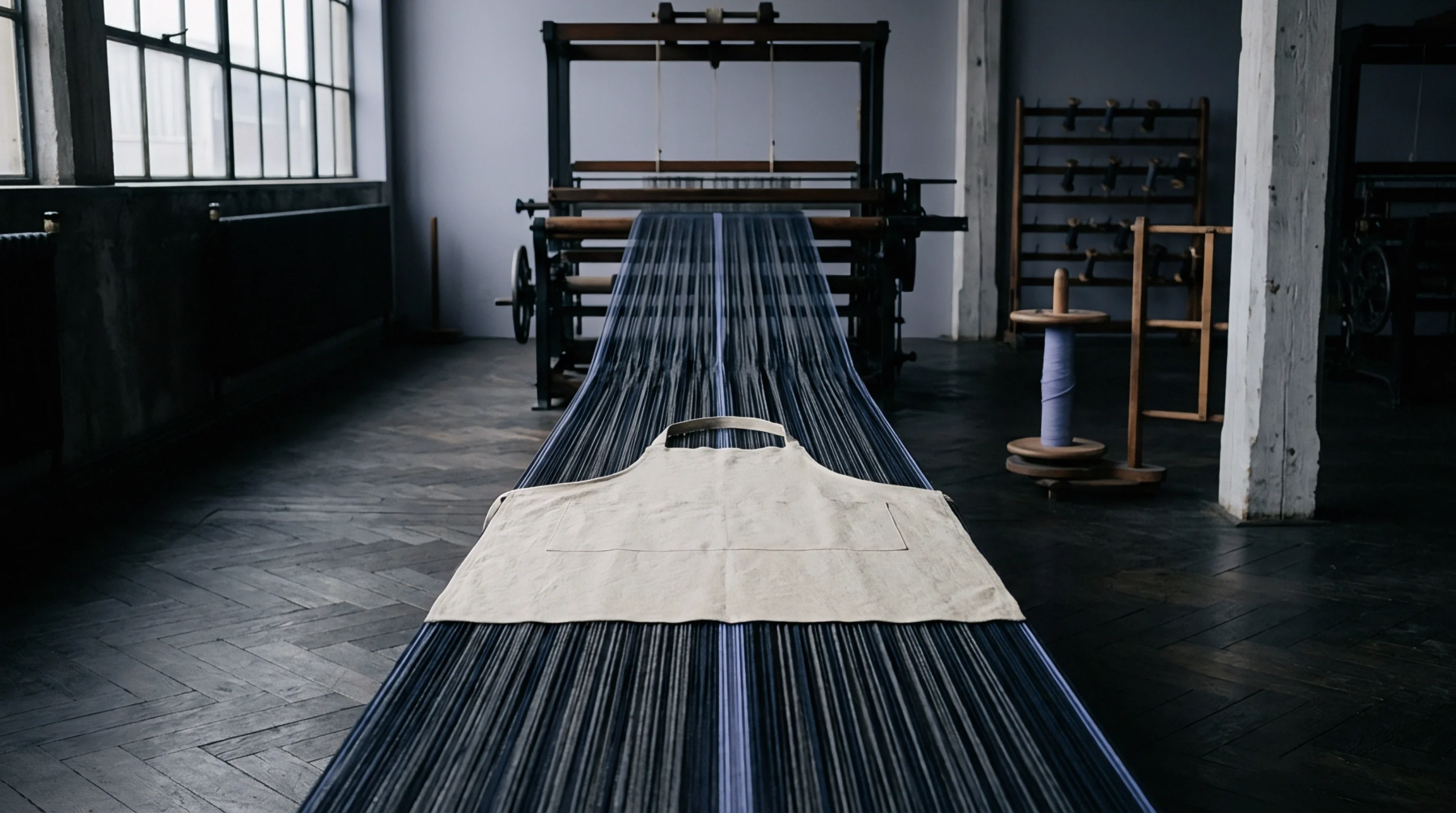
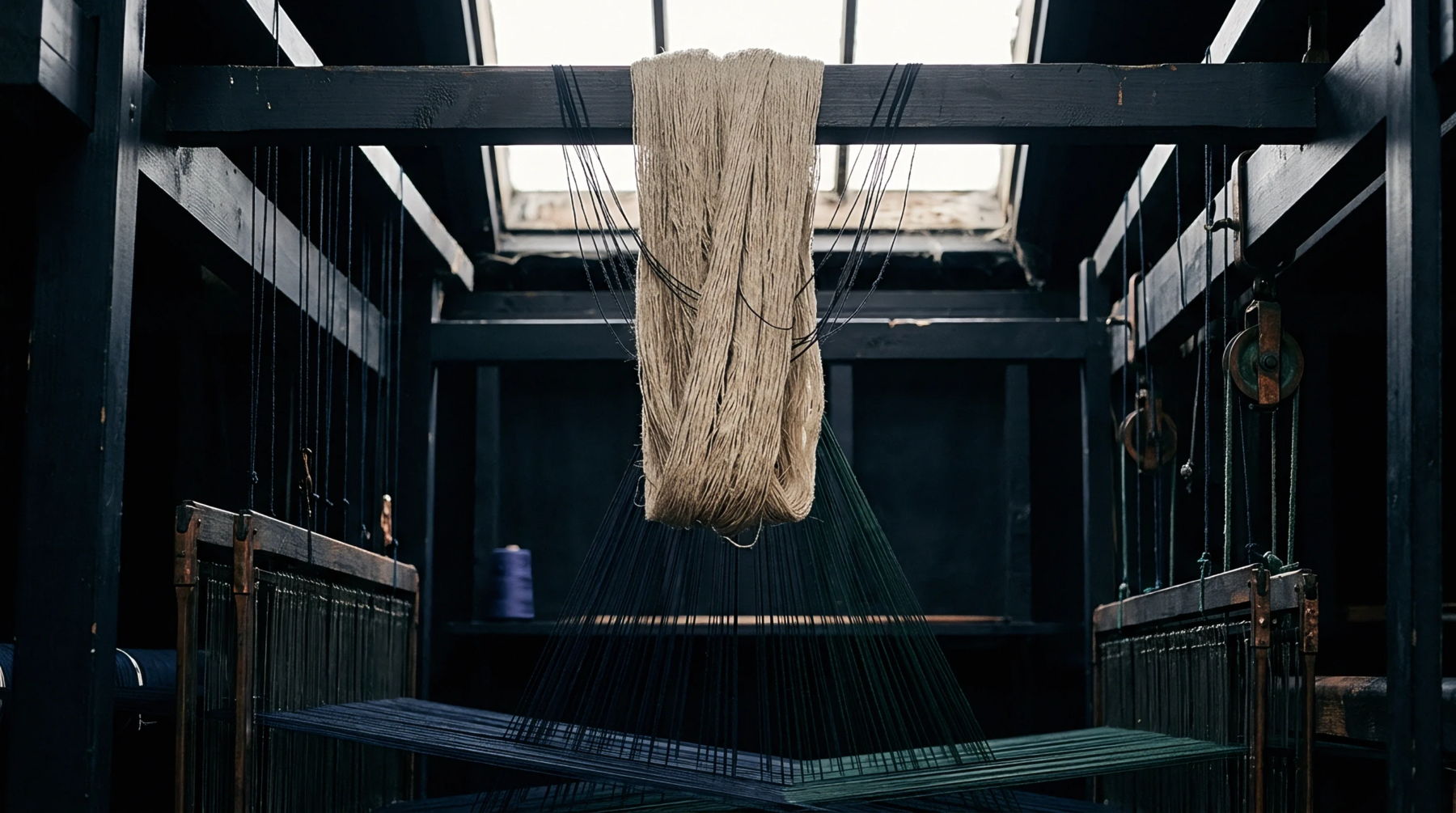
Looms maintain high tension across longitudinal threads during the sizing process to prevent abrasion damage from metal heddles. This specific thread count per centimeter governs the dimensional stability of finished linen cloth before chemical bleaching occurs. Weavers enter yarn spacing measurements into the loom control log along with relative humidity values.
Fibre grading evaluates raw material tenacity per individual strand while fabric grading assesses structural porosity across finished rectangular swatches. Mill acceptance thresholds tolerate minor yarn count variations that buyer contracts reject outright based on visual light transmission tests.
Finish Adherence
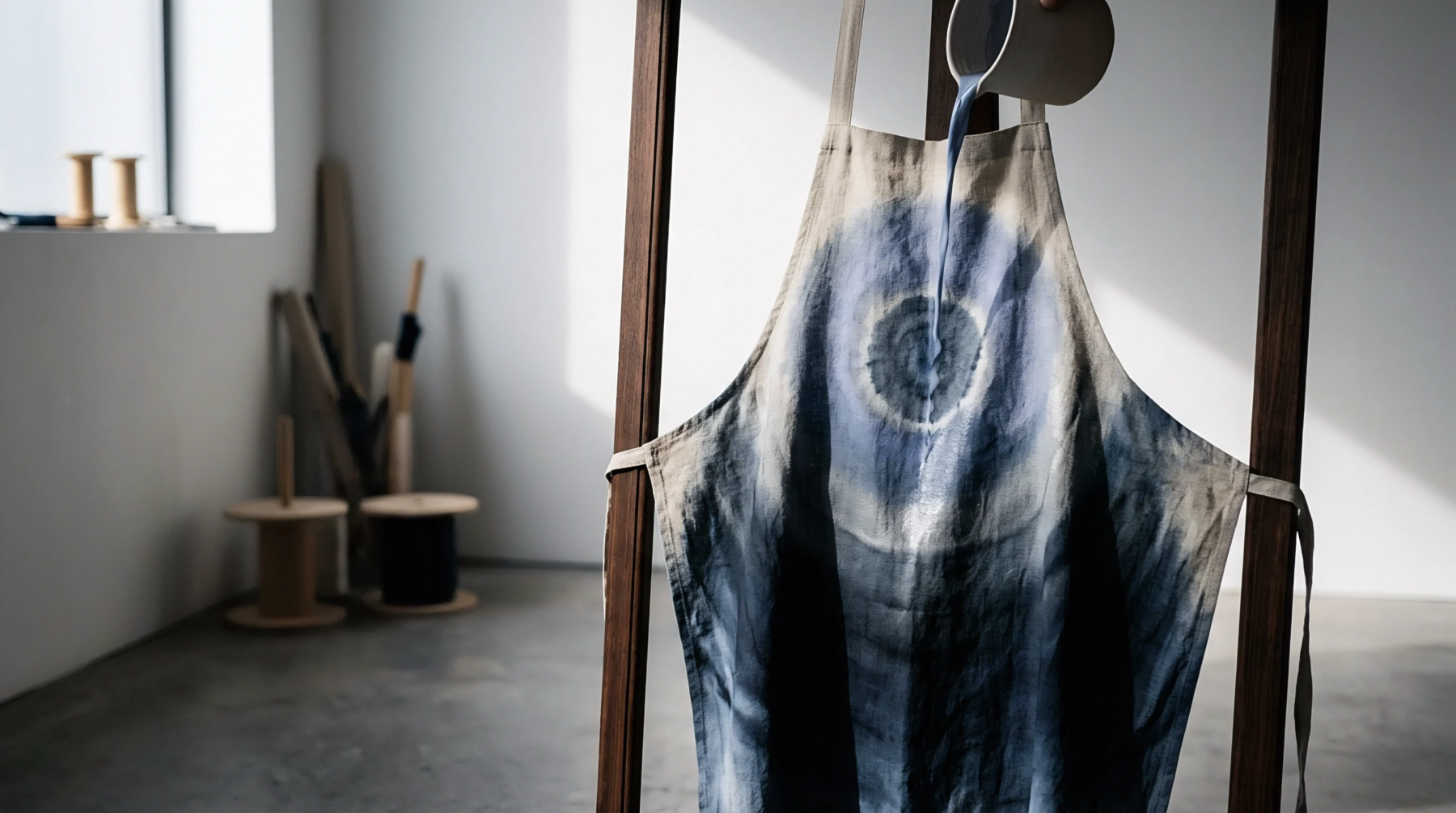
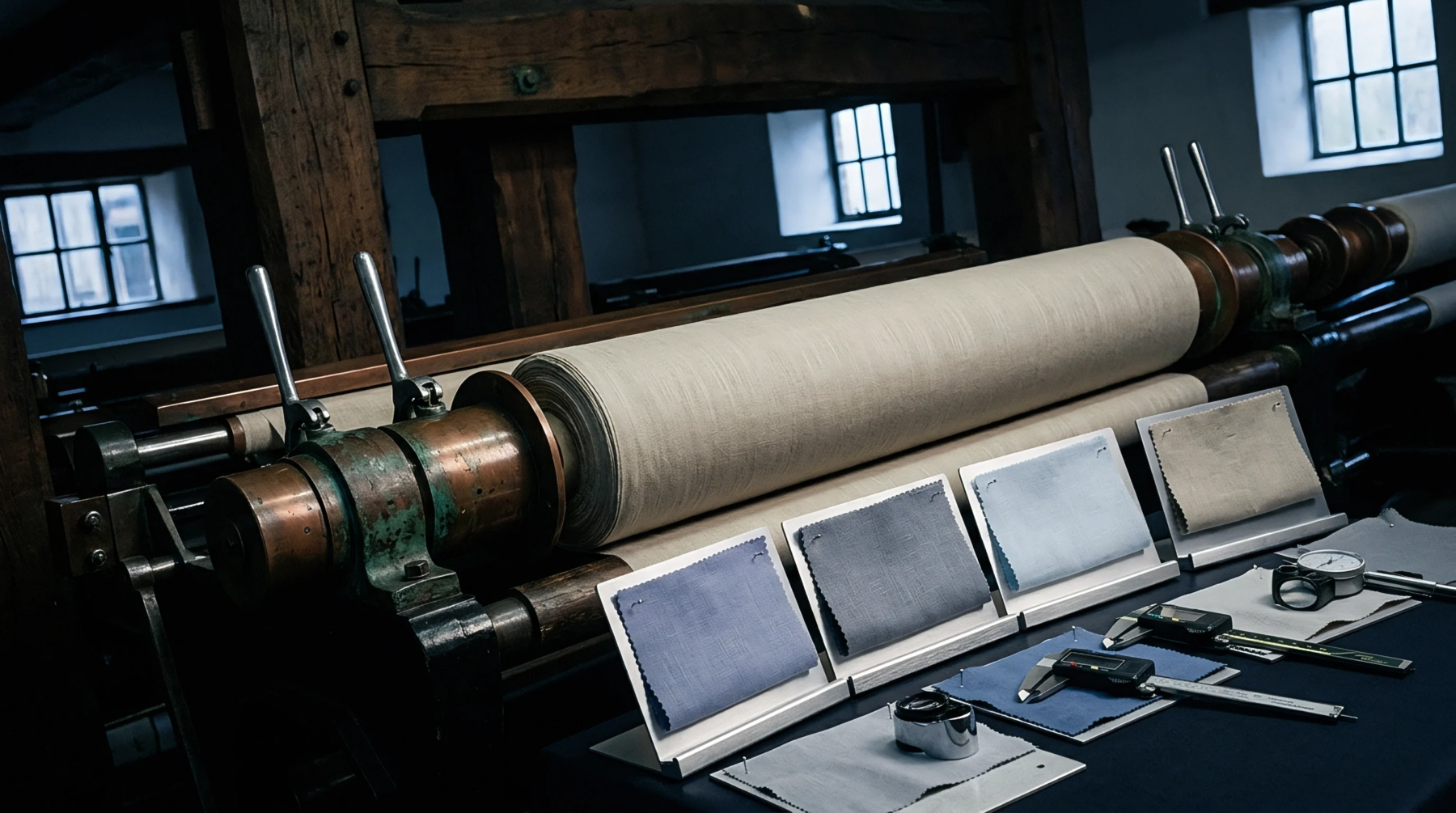
Chemical bonding agents applied during the padding mangle phase must coat each cellulose microfibril uniformly without sealing the interstitial capillary spaces. This surface retention metric dictates how successfully dye molecules penetrate the fabric matrix during high-temperature pressure dyeing. Technicians document chemical pick-up rates in the finishing department dispatch record following standard weight-loss calculations.
Fibre evaluation measures natural wax content on raw flax strands whereas fabric testing measures resin bonding durability after repeated laundering cycles. Mill production protocols prioritize chemical bath economy while export quality standards mandate complete dye penetration across heavy upholstery grades.