Detecting Short-Staple Flax Blends in Combed Line Sliver
Detect short-staple flax blends in combed line sliver using comb sorter mass arrays and ISO 2370 air permeability tests to stop drafting breaks.

Staple

Fiber Geometry in Combed Line Top
Derived from scutched flax, combed line sliver contains parallel, long-staple technical fibers held together by residual middle-lamella pectins. Standard hackling produces a continuous sliver with individual fiber strands ranging from 400 millimeters to 750 millimeters long. The structural integrity of wet-spun flax yarn rests on this length distribution.
If short-staple material gets into the sliver stream, the drafting zone suffers from uncontrolled bundle slip. Short fibers ~ strands under 30 millimeters ~ fail to grip the draft rollers during wet drawing, introducing mass variations that carry through into the roving and final yarn.
Combed line sliver is usually adulterated in one of two ways: spinning mills encounter intentional additions of carded flax tow or mechanically processed cottonised flax. Tow carries non-parallel, broken technical fibers averaging between 80 millimeters and 180 millimeters. Cottonised flax, produced by aggressive mechanical decortication or ultrasonic pectin extraction, breaks bast fibers down to elementary units of 15 millimeters to 25 millimeters.
Blending either fraction into combed line sliver drops the average metric fiber count and skews the length-frequency distribution curve.
| Fiber Classification | Mean Staple Length (mm) | Short Fiber Content (<30mm %) | Metric Fineness (Nm) | Pectin Content (% Mass) |
|---|---|---|---|---|
| Pure Combed Line (Grade 1) | 520 to 680 | 1.2 to 2.8 | 2200 to 2800 | 2.8 to 3.5 |
| Hackler Tow (Dressed) | 120 to 210 | 14.5 to 22.0 | 1400 to 1800 | 3.2 to 4.1 |
| Cottonised Flax (Enzymatic) | 18 to 28 | 82.0 to 94.0 | 3500 to 4500 | 0.4 to 0.9 |
| Ramie Blend Fraction | 110 to 150 | 4.5 to 8.0 | 1800 to 2400 | 1.1 to 1.6 |
Spinnability comes down to linear density and length profile. High-grade line sliver meant for wet spinning into fine lea counts shows narrow fiber length variance. Adding just 5% cottonised flax by mass pushes the short fiber content past what standard screw-gill drawing heads can control under draft tension.
Floating fibers then gather between the front delivery roller and the nip line, creating periodic slubs.
Combed line sliver that keeps short fiber content under two percent supports continuous wet drafting up to sixty lea without spikes in end breakage.
Physical inspection of the raw sliver shows structural changes before spinning even starts. Pure combed sliver displays uniform alignment, strong axial lustre, and tight cohesion when hand-drawn across a black velvet board. Sliver mixed with tow or short bast fractions loses surface reflection because microscopic fibers are misoriented.
Hand drafting causes premature cluster separation, scattering fragmented bundles across the pin bed during gilling.

Microscopic Identification of Fiber Ends
The shape of fiber ends provides clear physical proof of short-staple contamination. Natural long-staple flax breaks along structural nodes under hackling stress, leaving tapered, brush-like tips. Mechanical cutting or harsh decortication during cottonisation leaves square, blunt cross-sections.
Examining isolated fiber ends under 200x magnification makes it possible to count and categorize fiber origin throughout a sliver sample.
Fiber ends pulled from pure combed line sliver show intact outer cell structures with clear cell walls and narrow lumina. Enzymatically cottonised fibers display split fibrils along the main shaft and total breakdown of the inter-cellular pectin layer. When tow is added, samples show high counts of kinked fibers, fractured middle lamellae, and cortical shive fragments.
The shive count per 100 grams of sliver works as a reliable secondary marker for low-grade tow contamination.
Scanning electron microscopy confirms these changes in bundle topography. Raw line flax keeps its longitudinal striations filled with natural waxes and calcium pectate complexes. Mechanically processed short fibers show transverse cracks, crushed ends, and stripped cuticles.
These defects lower inter-fiber friction during drafting, forcing spinners to add twist and sacrifice yarn softness.
Line sliver performance depends on consistent fiber length across the lot. Short fibers carry no tensile load in wet-spun yarn; they simply slip past the nip during hot-water drafting, building up lint in the bath and causing thin spots along the core. A buyer accepting sliver with elevated short fiber counts ends up absorbing higher spinning waste and lower lea counts at the winder.
Cohesion Mechanics in Wet Drafting
Inter-fiber cohesion in long-staple sliver comes down to fiber length, surface roughness, and residual pectin viscosity in the wet-spinning trough. Hot water at 60 to 70 degrees Celsius softens the pectin matrix during spinning, letting elementary fibers slide against each other within the technical bundle. Long technical fibers keep enough overlapping surface area to handle drafting tension without tearing apart.
Short-staple additions shorten that overlapping distance. As hot water dissolves soluble surface compounds, short fibers lose their mechanical grip in the drafting zone. The drafting force drops out, breaking the roving or driving extreme count variation across bobbin lots.
To compensate, spinners have to reduce draft ratios, which directly increases fiber consumption per kilogram of yarn.
Bundle slippage sets the fine-count limit for any sliver lot. Pure line sliver with a metric fiber number of 2400 spins cleanly to 60 lea. Adding 8% tow pulls that spinnable limit down to 40 lea because of localized strand thinning.
The price gap between fine line yarn and coarse tow yarn makes sliver adulteration profitable for suppliers selling into unverified supply chains.
Checking fiber length requires strict sampling discipline. Taking small hand pulls biases results toward longer fibers. Technologists need to take end-to-end cross-sections using mechanical clamped cutters to capture true length distributions.
Relying on hand classing without lab confirmation lets blended lots pass receiving checks, dumping the operational loss right onto the spinning floor.
Bundle alignment defines the physical limit of draft control on every drawing pass. Short fibers disrupt the gill box, turning controlled attenuation into irregular bundle tearing. Without long-staple continuity, slivers simply cannot yield uniform yarn profiles, no matter how the frame is set or the trough temperature is managed.
Sieve

Comb Sorter Array Diagnostics
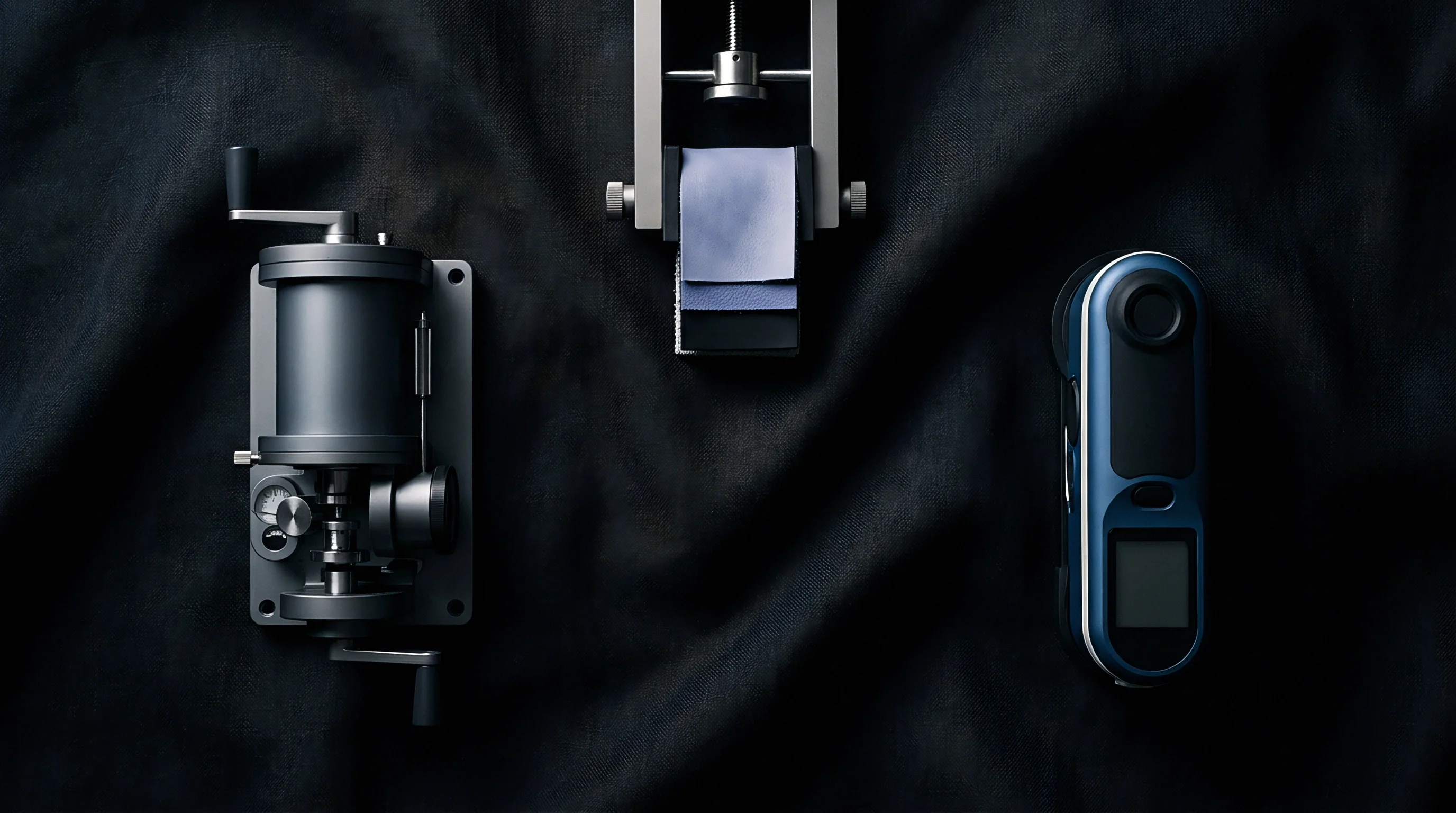
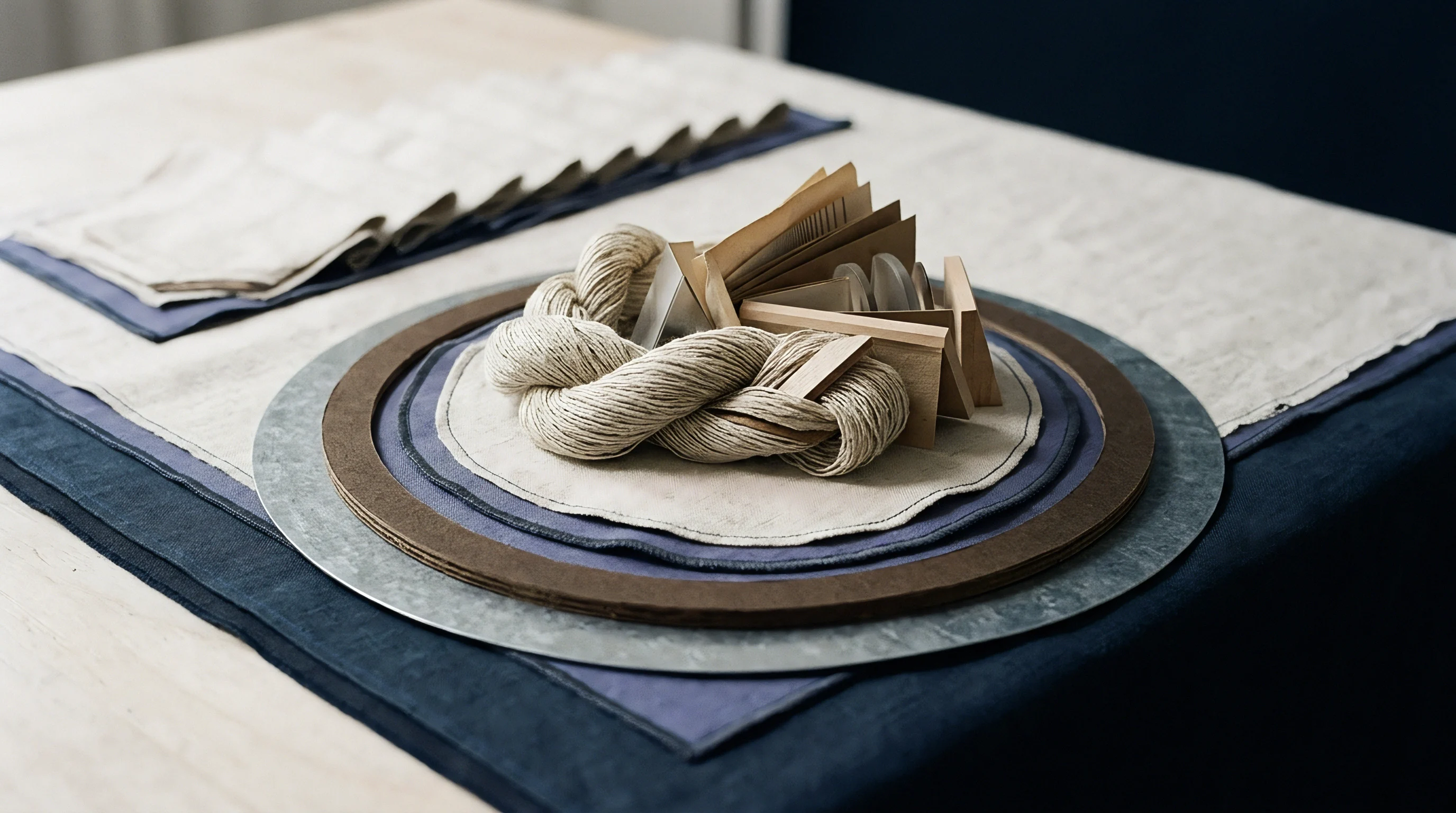
Comb sorter analysis separates discrete length fractions from combed line sliver. The test adapts Johannsen sorter mechanics for long bast fibers, using a double-bank pin bed to sort fibers from 10 millimeters up to 800 millimeters. A 20-gram sample is transferred sequentially across parallel steel pins spaced 10 millimeters apart.
Fibers are pulled in descending length order with wide-jaw flat clamps and laid out on velvet boards to build a fiber length profile.
Plotting the fibrogram exposes structural problems in the sliver. Pure combed line flax generates a smooth, gently descending curve with less than 3% of total fiber mass under 50 millimeters. Tow-blended slivers produce a telltale double-hump curve with a secondary peak between 90 millimeters and 140 millimeters.
Blends with cottonised flax show a sharp drop at the upper end and a heavy concentration under 30 millimeters.
- Fractional Mass Percentage calculated across 10-millimeter increments gives the true short-fiber penalty factor.
- Mean Staple Length derived from cumulative mass profiles establishes the baseline for setting drafting zones.
- Upper Quarter Length identifies the maximum active length that maintains roller grip during high-draft drawing.
- Short Fiber Index measures total mass under 30 millimeters to quantify expected fly waste at the spinning frame.
Comb sorting requires strict conditioning under ISO 139 standards. Bast fibers absorb ambient moisture quickly, changing stiffness and weight during testing. Samples must balance at 20 degrees Celsius and 65% relative humidity for 24 hours before pin bed sorting.
Uncontrolled moisture distorts mass readings, hiding short fiber content and throwing off calculated metric fiber numbers.
Relative humidity shifts above five percent alter fiber friction on sorter pins and distort short-fiber mass calculations.
Interpreting comb sorter data means distinguishing natural short fibers from intentional additions. Standard hackling produces a small percentage of short strands from stem tip breakage during scutching. Mechanical adulteration, by contrast, creates sharp spikes in specific short-length channels.
Spotting these anomalies lets technicians flag blended lots before slivers ever reach the draw frame creel.

Optical and Image Analysis Profiling
High-speed optical systems automate length and fineness checks for combed sliver. Automated image analyzers spread individual fibers over an illuminated glass plate, capturing high-resolution digital profiles of thousands of strands in minutes. The software measures length, width, curvature, and branching simultaneously, removing manual sorting bias.
Optical profiles catch short-staple additions by checking width-to-length ratios across the sample. Elementary flax fibers from cottonised blends show low aspect ratios with uniform diameters between 12 and 18 micrometers. Long technical line fibers have variable widths from 40 to 120 micrometers because of intact cell clusters held together by middle lamellae.
Sudden shifts in width distribution point directly to chemically or mechanically degummed short fibers.
| Parameter | Pure Line Sliver | 10% Tow Blend | 10% Cottonised Blend | 15% Ramie Blend |
|---|---|---|---|---|
| Mean Fiber Length (mm) | 485.4 | 395.2 | 362.1 | 410.8 |
| Length CV (%) | 22.4 | 41.8 | 58.2 | 34.6 |
| Mean Fiber Width (µm) | 68.2 | 74.5 | 28.4 | 42.1 |
| Kink Index (nodes/cm) | 1.2 | 4.8 | 0.6 | 0.2 |
Image analysis also flags non-flax bast fibers introduced as cheap substitutes. Under polarized light, ramie fibers show smooth surfaces, thick cell walls, and wide lumina. Viscose staple fibers show uniform cross-sections, longitudinal striations, and no nodal structure at all.
Automated algorithms separate these contamination types quickly, quantifying blend levels down to 0.5% by volume.
Data integrity depends heavily on good fiber dispersion during sample prep. Clumped fibers register as single thick line fibers instead of overlapping strands, skewing width measurements. Using liquid dispersion media with controlled refractive indices prevents clustering and ensures accurate counts across both fine and coarse populations in the sliver.

Chemical and Dissolution Diagnostics
Measuring pectin and lignin mass fractions provides independent proof of short-staple adulteration. Standard long-line flax retains 2.5% to 4.5% pectin and 2.0% to 3.5% residual lignin in its binder matrix. Enzymatic or alkaline cottonisation drops pectin below 1.0%, while raw tow carries elevated lignin over 4.5% from high shive content.
Quantitative extraction detects these shifts cleanly.
Chemical testing uses sequential dissolution steps to separate cellulosic and non-cellulosic parts. Washing raw sliver in boiled 0.5% sodium hydroxide solution strips out soluble pectins and hemicelluloses, while solvent extraction with ethanol-toluene isolates surface waxes and fats. Weighing the dry residue at each step gives exact mass percentages for the binding matrix.
Dissolution testing catches synthetic or regenerated cellulosic fibers like viscose or lyocell. Acetone washes out synthetic sizes, and cold 72% sulfuric acid selectively dissolves cellulosic fibers while leaving non-cellulosic material behind. Comparing mass loss against established baselines flags unauthorized blending in certified organic or 100% European linen shipments.
Length variation is sometimes attributed to unpredictable retting weather in Western Europe, on the grounds that dew-retting conditions made fibers brittle and caused extra tip breakage during hackling. Comb sorter data showing distinct bimodal distributions refutes this argument by isolating short-staple populations that natural mechanical breakage simply cannot produce.

Draft

Drafting Zone Instability and Floating Fibers
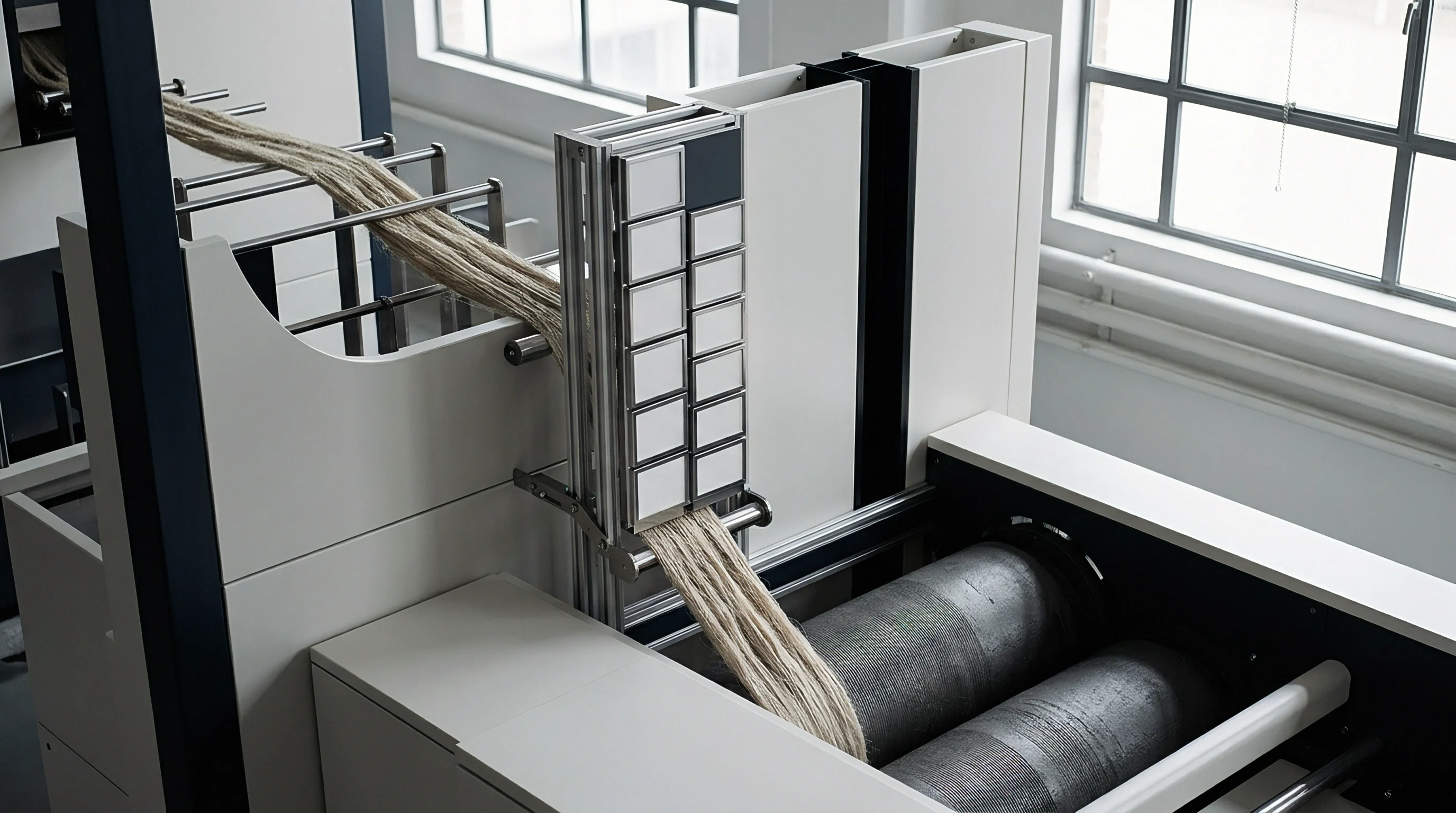
Short-staple fibers destabilize the drafting zone during attenuation. Screw-gill drawing frames rely on speed differentials between back and front rollers, paired with faller pin control, to draft line sliver cleanly. Long technical fibers engage both the faller pins and front delivery rollers at once, holding constant tension.
Short fibers under 30 millimeters drop free from the faller pins before reaching the front roller nip, turning into uncontrolled floating fibers.
These floating fibers build up in the drafting zone to form localized clouds that pass through the front rollers periodically, creating thick slubs in the sliver. On the roving frame, those slubs prevent uniform twist insertion. The resulting roving alternates between hard-twisted thick sections and almost untwisted thin spots, causing constant breaks during wet spinning.
Severe drafting collapse occurred during trial runs on a suspect batch of 40 Nm line sliver containing unparsed short-staple tow fractions. Front roller drafting force fluctuated by 38%, driving mass variation two standard deviations past yarn evenness tolerances. The mill recorded an immediate doubling of end breaks per 100 spindle hours, forcing a production halt until the lot was isolated and replaced.
Maintaining yarn count uniformity requires strict control over roller gauge settings. When short-staple content passes 5%, standard line-flax settings leave too much open space between pin release and roller grip. Closing the gauge to catch shorter fibers crushes long line bundles, shearing fibers and killing yarn strength.
Spinners face an impossible trade-off with short-blended slivers.

Is High Speed Image Analysis Sufficient for Acceptance?
Relying solely on automated optical length measurement creates operational blind spots. High-speed image devices test dry, dispersed single fibers under zero tension. They report staple lengths accurately, but tell you nothing about inter-fiber cohesion, pectin stickiness, or bundle separation resistance inside the wet-spinning trough.
Wet drafting depends on hot water softening inter-cellular pectins. Optical testing cannot simulate what happens when sliver enters 60 degree Celsius water under drafting tension. A lot with an acceptable optical profile can still fall apart on the spinning frame if chemical degumming damaged the middle lamella, causing total bundle dissolution in the trough.
Full lot qualification requires physical spinning trials alongside optical profiling. Running a 50-kilogram sample through roving and wet spinning frames reveals drafting defects, bundle slip, and trough pollution that dry optical scans miss completely. Relying on optical test certificates alone lets compromised sliver pass into main production unnoticed.

Spinning Frame Performance Metrics
Short-blended sliver degrades performance across the entire spinning floor. End-breakage rates give the earliest warning of short-staple contamination. Pure combed line sliver keeps end breaks below 15 per 100 spindle hours at standard 6000 RPM speeds.
Blending in 10% short tow pushes breaks above 45 per 100 spindle hours, crippling frame efficiency.
- Mount test sliver coils on the creel stand of a three-passage screw-gill draw frame equipped with pneumatic top-roller loading.
- Set back-to-front roller draft ratios to exactly 7.5 and adjust faller pin density to 6 pins per centimeter across the drafting field.
- Feed sliver through a 65 degree Celsius wet-spinning trough filled with soft water adjusted to a pH of 6.8 to 7.2.
- Measure drafting force variations continuously with a load cell transducer mounted on the front roller press arm assembly.
- Doff test bobbins after 4000 meters of continuous delivery and transfer them directly to automated single-yarn tensile testers.
- Calculate yarn count CV percentage, breaking tenacity in centinewtons per tex, and mass evenness Uster values across twenty sample skeins.
| Short Staple Blend (%) | Frame End Breaks (per 100 Spindle Hours) | Yarn Mass Evenness (Uster CV %) | Tensile Strength (cN/tex) | Spindle Speed Limit (RPM) |
|---|---|---|---|---|
| 0% (Pure Line) | 11.2 | 12.4 | 28.5 | 6800 |
| 3% Short Tow | 16.8 | 14.1 | 25.2 | 6400 |
| 7% Short Tow | 31.4 | 17.8 | 20.8 | 5600 |
| 12% Cottonised Flax | 54.0 | 22.6 | 16.1 | 4500 |
Tensile strength drops sharply as short-staple content rises. In wet-spun line yarns, strength comes from overlapping continuous fibers clamped together by twist. Short fibers create structural break points in the yarn core where twist cannot generate enough normal force to prevent slippage.
Single-yarn strength tests show high CV values, which translate into frequent warp breaks during high-speed weaving.
Load cell force fluctuations in the drafting zone over twenty percent point directly to uncontrolled short-fiber bundle slip inside the wet-spinning trough.
Spindle speed limits make short-staple contamination even more expensive. To keep end breaks manageable on bad sliver, operators have to cut spindle speeds by 20% to 30%. That reduction cuts hourly frame output directly, inflating energy and labor costs per kilogram of yarn.
A 42000 euro penalty hit a fine-count weave contract after delivering yarn spun from unverified imported sliver. The sliver contained a hidden 8% short-staple tow fraction that passed initial visual checks. The resulting yarn suffered excessive mass variation, failed tensile specifications at the warping mill, and forced the repurchase of replacement yarn on the open market at spot prices.
Audit
Standardized Laboratory Protocol Workflow
Acceptance testing for combed line sliver requires an integrated lab audit combining physical, optical, and chemical methods. Sampling follows ISO 2859-1, pulling core samples from at least 10% of bales in an incoming lot. Specimens are conditioned in a standard atmosphere for 24 hours to stabilize moisture before applying mechanical force or chemical reagents.
Initial physical testing measures linear density uniformity and staple length distribution. Technologists run conditioned sliver through a standard comb sorter array to measure mass fractions down to 10-millimeter increments. Any sample exceeding the 2.5% short-fiber limit under 30 millimeters goes straight to chemical and microscopic confirmation to identify the adulterant.
- ISO 2370 Fineness Verification determines metric fiber number by testing air permeability through compressed sliver plugs.
- Comb Sorter Mass Fractionation separates fiber length bands to calculate true short-fiber percentages.
- Chemical Pectin Extraction measures residual middle lamella binders using hot alkaline dissolution.
- Cross-Sectional Microtomy uses cell wall measurements under a microscope to distinguish elementary flax from intact technical bundles.
ISO 2370 fineness testing offers a fast screening check for cottonised flax. The test measures air permeability through a fixed mass of fiber packed into a constant-volume cylinder. Because elementary bundle splitting gives cottonised flax a much higher specific surface area, airflow drops dramatically.
The instrument registers an artificially high metric fiber number, signaling fine, short-staple inclusions in coarse line sliver.
Microtome cross-sectioning provides visual confirmation of processing history. Samples are embedded in synthetic resin, cut into 5-micrometer slices, and mounted on slides for microscopic analysis. Technologists count elementary cells per technical fiber bundle across 200 random fields.
Pure line sliver shows large clusters averaging 15 to 30 bound elementary cells, whereas cottonised blends show single isolated cells or small groups of 2 to 4.
Tensile Strength and Bundle Cohesion Testing
Pressley or Stelometer testing evaluates fiber bundle strength under controlled loading rates at zero or 1/8-inch gauge lengths. Pure combed line flax yields zero-gauge bundle tenacities between 45 cN/tex and 60 cN/tex. Adulterated sliver containing damaged tow or stripped cottonised fibers shows tenacity drops down to 25 cN/tex to 32 cN/tex.
Standard supply contracts specifying ISO 2370 compliance permit immediate shipment rejection upon detecting short-fiber mass fractions exceeding two point five percent.
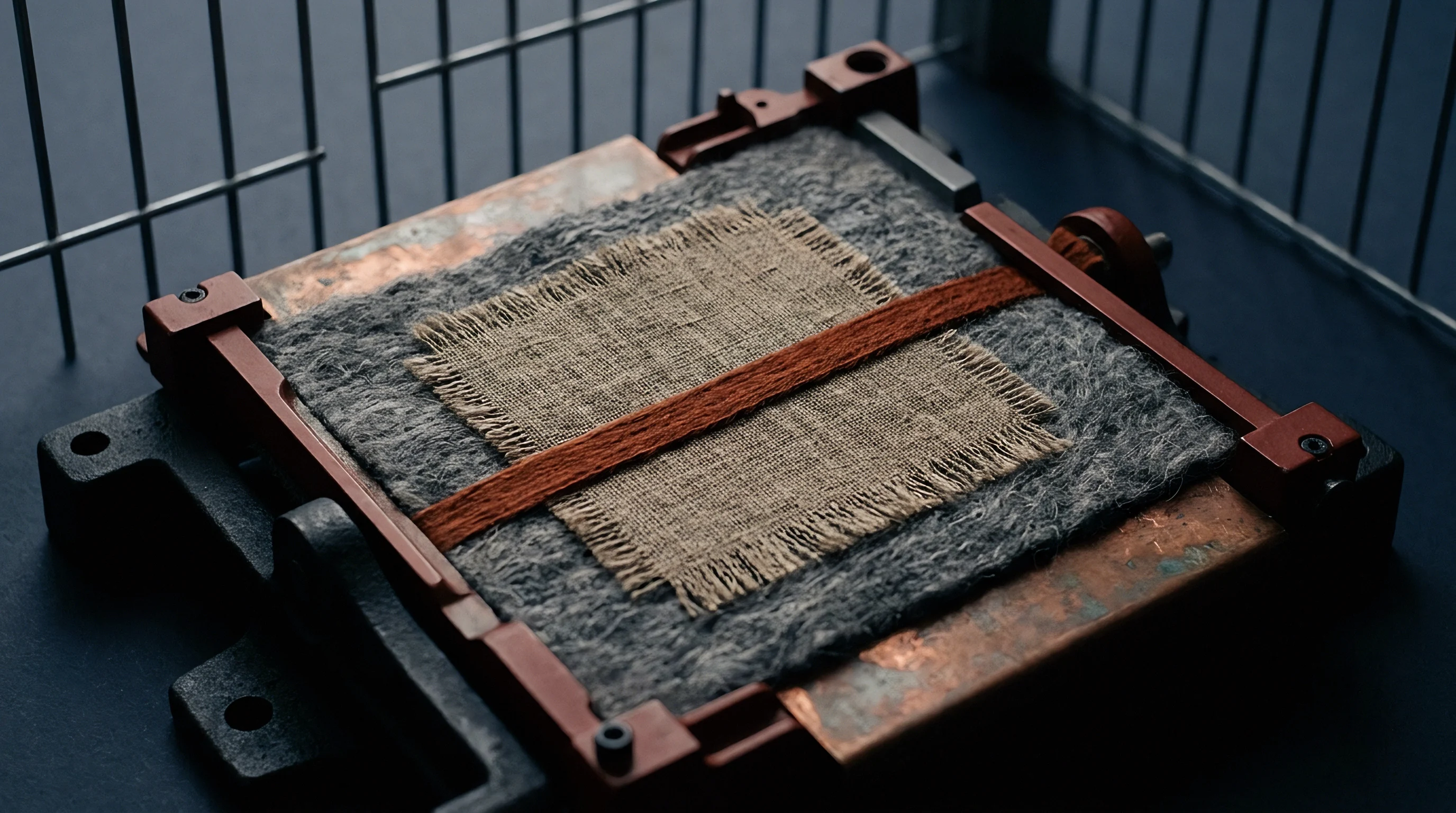
Cohesion testing measures the force needed to draft sliver strands dry. A specialized tester pulls the strand between two sets of rollers running at different speeds, recording the force needed to pull the fiber mass apart. Long line fibers produce high, smooth force curves reflecting strong inter-fiber friction.
Short-blended slivers yield low, erratic curves with sharp drops that signal structural slippage.
Data gathered across these tests feeds directly into the quality dossier used for commercial settlement. Technologists compile short fiber index numbers, chemical pectin mass loss, microtome cell counts, and bundle tenacity into a single verification report. That report serves as the sole technical basis for accepting, discounting, or returning sliver lots under international trade terms.
Microtome cross-sectional analysis verifies cell wall structure. Hand classing catches obvious failures, but microtome sections expose sophisticated short-staple blends designed to pass visual inspection. Spotting cell wall degradation before sliver reaches the creel saves thousands of dollars in wasted mill time.
International procurement agreements write ISO 2370 testing directly into quality terms. Under standard arbitration rules, lab reports showing short fiber fractions over 3.0% trigger mandatory supplier replacement of the entire shipment lot. That clause shifts all transport costs, testing fees, and downtime claims straight back to the selling broker.
Yield

Landed Cost Mechanics and Blend Arbitrage
Pricing combed line sliver requires balancing fiber grade against clean yarn yield per kilogram of raw material. High-grade European long-line sliver trades at 8.50 to 11.20 euros per kilogram depending on crop year quality and metric fiber number. Short-staple tow sliver trades at 3.20 to 4.50 euros per kilogram, while cottonised flax fractions sit near 2.80 euros per kilogram.
Unscrupulous processors exploit this spread through blend arbitrage. Cutting a long-line sliver batch with 10% short-staple tow drops input cost by roughly 0.70 euros per kilogram. The processor sells the lot at full line-sliver prices, capturing an artificial margin while dumping severe spinning penalties on the yarn manufacturer.
| Sliver Grade Composition | Raw Sliver Cost (€/kg) | Hackling & Spinning Waste (%) | Frame Efficiency (%) | Landed Yarn Cost (€/kg Finished) | Metre Cost at 150g/m² Fabric (€/m) |
|---|---|---|---|---|---|
| 100% Premium Line (Nm 2600) | 9.80 | 8.5 | 91.2 | 14.85 | 2.23 |
| 95% Line / 5% Short Tow | 9.45 | 12.8 | 84.6 | 15.60 | 2.34 |
| 90% Line / 10% Short Tow | 9.10 | 18.2 | 76.0 | 16.95 | 2.54 |
| 85% Line / 15% Cottonised | 8.75 | 26.5 | 62.4 | 19.80 | 2.97 |
Evaluating raw material prices without factoring in waste yields creates a false economic picture. Blended sliver containing short fibers generates heavy waste during drawing and wet spinning. Draw-frame fly waste, trough washing losses, and spinning-head suction waste quickly erase initial material savings, driving up net landed cost per kilogram of finished yarn.
Lost frame efficiency compounds the financial damage. High end-breakage rates require extra operators to re-tie broken ends and clean clogged draft zones. Dropping frame speeds to manage breaks reduces plant output, pushing fixed overhead per kilogram higher and inflating the final cost per woven meter of fabric.
Raw material cost discounts of five percent are completely wiped out when spinning waste increases by three percentage points.
Finding the true cost per finished meter requires tracking raw material performance all the way to final fabric weight. A 150-gram per square meter linen fabric woven from a 10% short-tow blend costs 0.31 euros more per meter than fabric made from pure line yarn. Higher waste rates, reduced spinning speeds, and fabric rejections from slub defects explain this cost increase.

Waste Allowance Arithmetic and Invoice Auditing
Certified sliver contracts establish strict waste allowances. Standard long-line agreements set maximum waste thresholds of 8.0% to 9.5% across drawing, roving, and wet spinning. On blended lots, total measured waste frequently spikes to 18% or 26%, breaching contract terms.
Invoice auditing relies on tracking waste across every production lot. Mill managers weigh incoming sliver coils against clean yarn doffs and collected waste, including draw-frame fly, trough sludge, and suction fiber. Any mass discrepancy exceeding contractual waste limits triggers automatic debit notes against the broker to recover lost material value.
Rejection of forty bales of certified long-line sliver followed sorter testing that showed an eighteen percent short-fiber fraction. Rejecting the lot avoided an estimated 28000 euro net loss across the spinning run, preserving frame efficiency targets and preventing delays on a high-count apparel order.
Short-staple inclusions also mess with commercial moisture invoice weights. Short, damaged fibers absorb water erratically during conditioning, distorting calculated mass under ISO 6741 standards. Brokers shipping short-blended sliver often take advantage of high moisture retention to bill buyers for water rather than clean fiber mass.
Will European sourcing desks eventually adopt continuous inline optical scanning on commercial hackling lines to eliminate short-staple adulteration at the scutching mill before sliver coils are pressed and invoiced?

Remedy
Contract Specification and RFQ Drafting
Preventing short-staple adulteration requires writing strict physical and chemical specs into initial RFQs and purchase contracts. Vague descriptions like 100% pure flax line sliver offer zero protection during trade disputes. Procurement documents need absolute numerical boundaries for short fiber content, length parameters, metric fineness, and bundle strength under standard ISO test methods.
Contracts must specify sampling protocols, designated independent labs, and exact rejection thresholds. The agreement should name the comb sorter test methodology, stating that any shipment with short-fiber mass under 30 millimeters exceeding 2.5% constitutes a total material breach. Specific financial penalties for frame downtime and wasted labor ensure full cost recovery when non-conforming lots reach the mill.
- Maximum Short Fiber Allowance fixed at 2.0% by mass under 30 millimeters length, measured via ISO-conditioned comb sorter array.
- Minimum Bundle Tenacity Floor set at 48.0 cN/tex measured at zero gauge on Pressley instruments under standard atmospheric conditions.
- Air Permeability Fineness Limits defined within a tight range of 2200 Nm to 2600 Nm to prevent cottonised fiber blending.
- Binding Third-Party Arbitration Laboratory specified by name to settle technical disputes without legal delay.
Quality terms can account for crop year variations while maintaining firm performance floors. Retting weather alters color and wax content, but it does not justify structural short-staple blending or tow substitution. Setting separate price adjustments for minor color or trash variations protects the buyer without compromising core length requirements.
Supplier qualification should require pre-shipment sample approval in addition to lot inspection. Sellers submit 5-kilogram representative sliver samples drawn from actual production for lab auditing before dispatching main shipments. Passing pre-shipment screening does not waive the buyer’s right to test incoming bales at the dock.

Incoming Inspection Protocols and Rejection Rights
Receiving controls are the final physical barrier against blended sliver. Quarantine procedures must isolate incoming shipments as soon as they are unloaded. Coils stay in quarantine until lab reports confirm compliance with contract specs.
Releasing unverified sliver to the spinning creel waives key rejection remedies under standard textile trade terms.
Sampling plans should follow ISO 2859-1 single sampling tables for normal inspection at General Inspection Level II. Technologists draw core samples from sealed bales across top, middle, and bottom packing layers to catch stratified blending. Sub-sampling ensures hand-blended bale cores containing tow or cottonised fragments are exposed before testing.
| Lot Size (Bales) | Sample Bales Drawn | Comb Sorter Sub-Samples | Acceptance Number (Ac) | Rejection Number (Re) |
|---|---|---|---|---|
| 1 to 15 | 2 | 6 | 0 | 1 |
| 16 to 50 | 5 | 15 | 0 | 1 |
| 51 to 150 | 8 | 24 | 1 | 2 |
| 151 to 500 | 13 | 39 | 1 | 2 |
Rejection notifications must meet specific time windows under international trade rules. Upon finding non-conforming short-staple content, the buyer issues a formal Notice of Defect backed by certified lab reports. The seller retains the right to request joint re-testing at an independent reference lab within ten business days of receiving notice.
Handling rejected goods requires secure quarantine storage to prevent cross-contamination with verified stock. The buyer holds the non-conforming lot under warehouse lien until the seller settles logistics, testing fees, and replacement shipping. Re-sorting or re-combing contaminated sliver at the buyer’s expense is rarely economic, leaving complete lot return or a scrap allowance as the only practical options.
Enforcing rigorous incoming inspection protocols creates a permanent defense for the spinning mill. Suppliers quickly learn that blended or adulterated lots will fail dockside lab screening, triggering heavy freight penalties and contract cancellations. Maintaining strict laboratory standards shifts leverage back to the buyer, protecting yarn quality, plant productivity, and margins across every spinning run.