Coarse Yarn
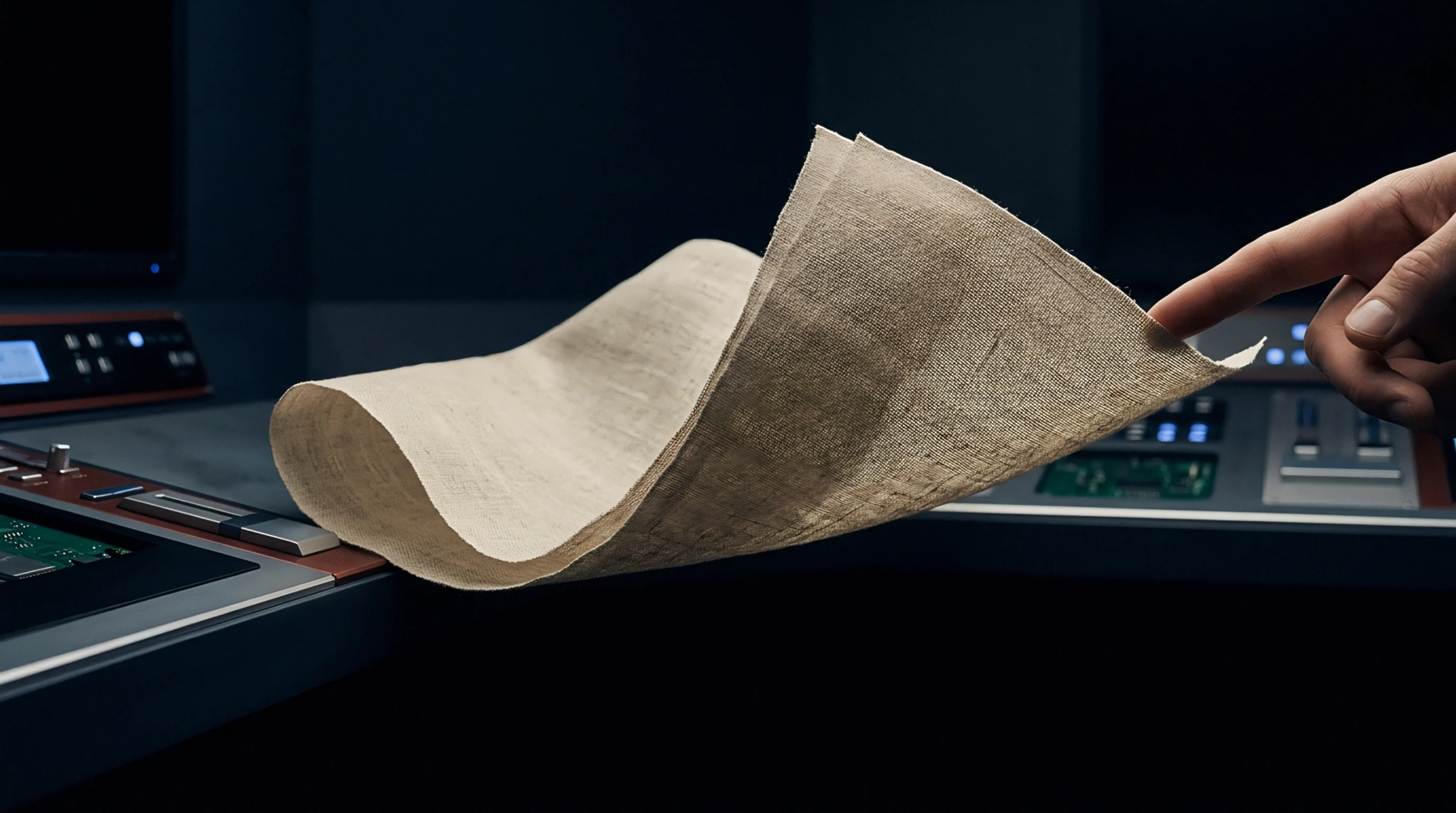
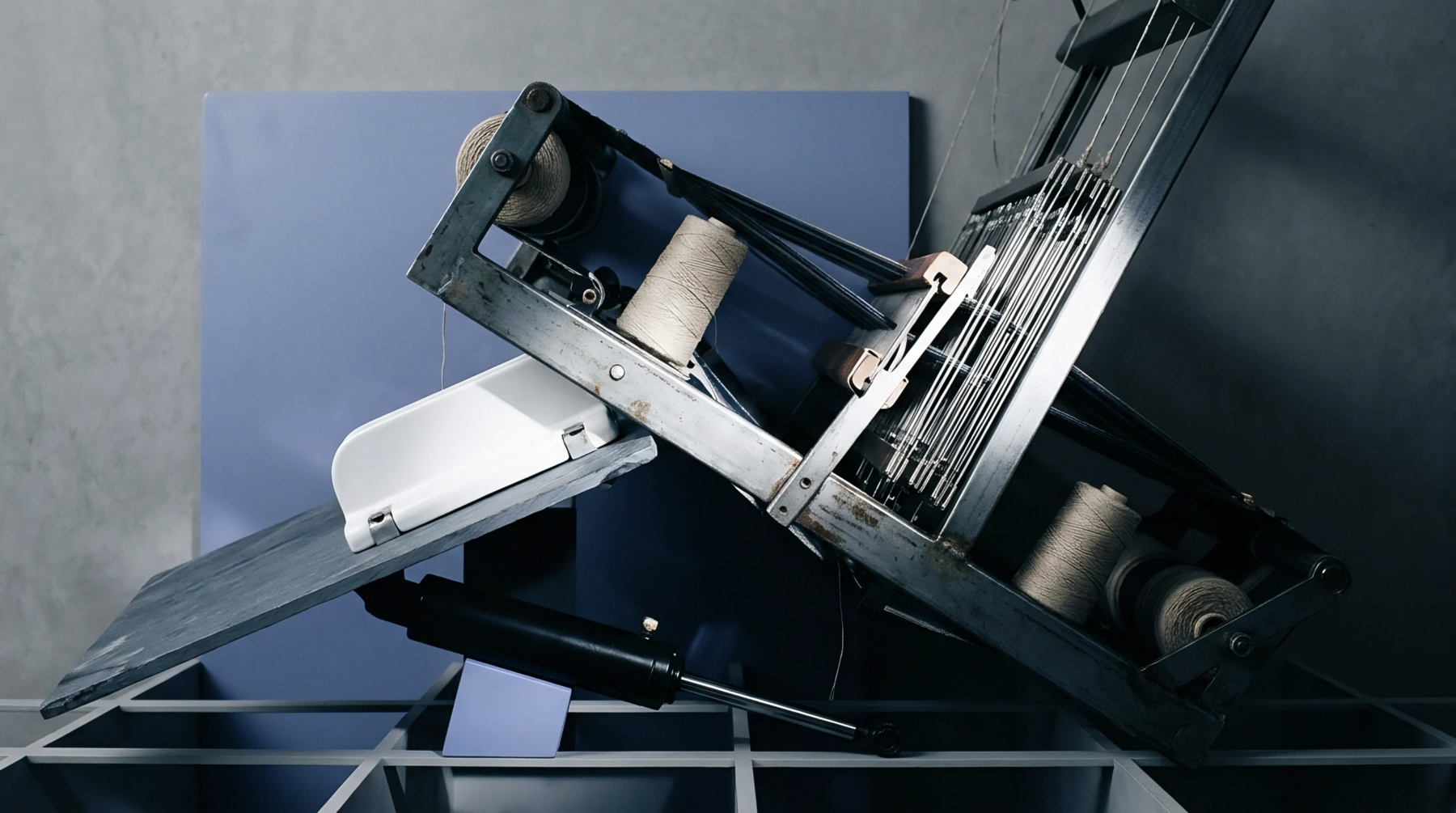
Flax filaments produced from shorter plant fibres without a water bath represent the traditional method for creating heavy textiles. The production of dry-spun tow results in a yarn that is bulkier and less compact than its wet-spun counterparts. These yarns are typically used for upholstery or industrial textiles where high lustre and fineness are not the primary requirements.
The process relies on the natural friction between the short fibres to maintain structural integrity.
Fibre Architecture
Short fibres, known as tow, are separated from the long line fibres during the hackling stage. In the dry-spinning frame, these fibres are twisted together at ambient humidity, which keeps the natural pectins in a solid state. Because the pectins do not soften, the dry-spun tow yarn remains hairy and has a more textured surface.
This texture is a defining characteristic of linen canvas and certain types of rustic apparel fabrics. The yarn strength is lower than wet-spun linen because the fibres are not glued together by softened pectins. Modern dry-spinning machines use high-precision drafting zones to improve the levelness of the yarn.
Market Application
Buyers choose this yarn for its specific aesthetic and tactile qualities. It provides the characteristic slubby look that is associated with traditional linen textiles.