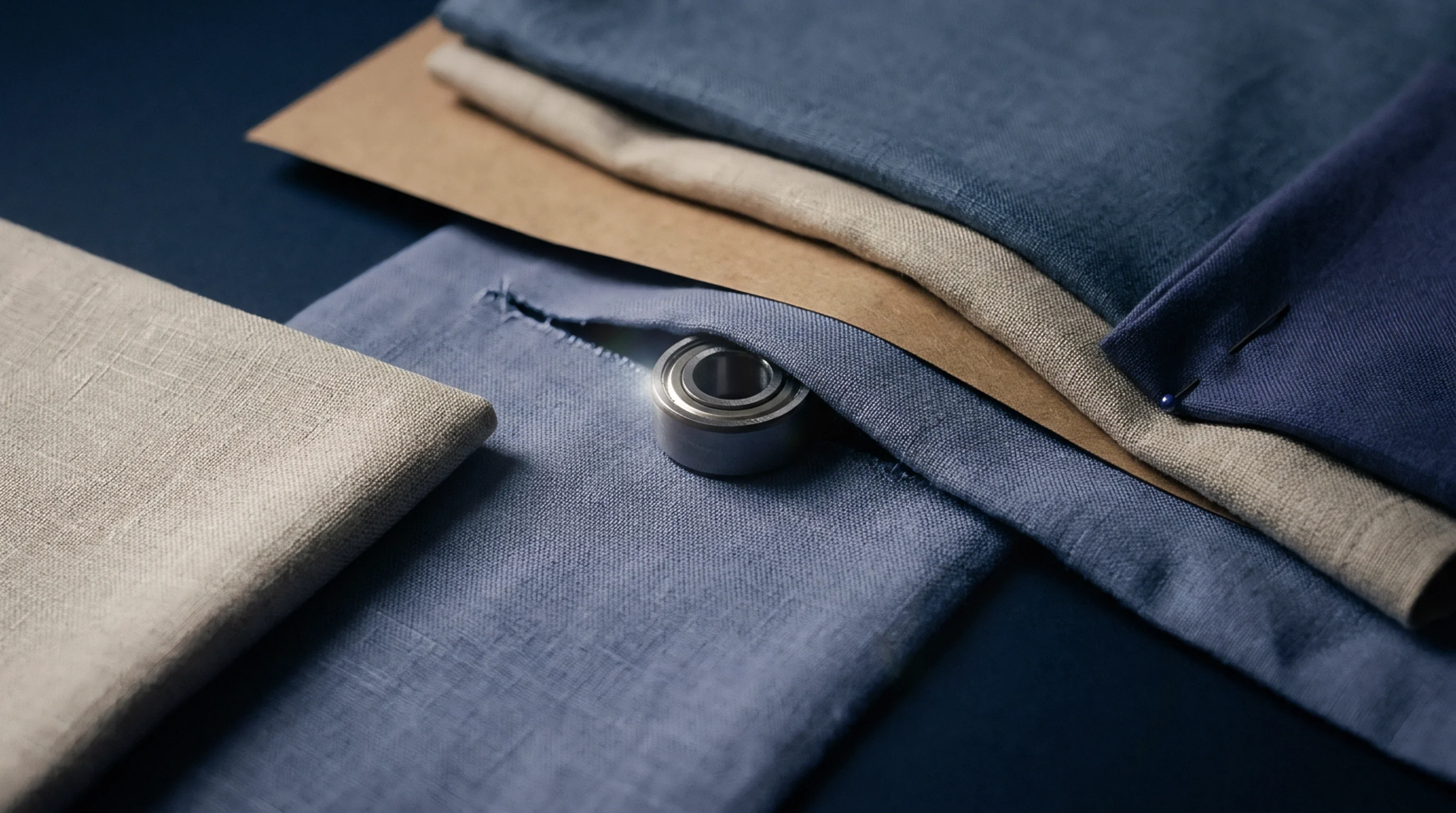
Fluid Film Mechanism
Fluid dynamics govern the mechanical separation of solid surfaces moving relative to each other by generating a continuous liquid wedge under viscous pressure. Within ring spinning frames for wet flax yarns, hydrodynamic lubrication develops between the high-speed steel or ceramic traveler and the stationary spinning ring. Water and conditioning agents carried upward by the damp flax yarn accumulate in the contact zone, generating sufficient fluid pressure to float the traveler above the ring profile.
This fluid layer reduces metallic wear and manages thermal build-up generated by the friction of high yarn tension. The lubrication regime collapses into boundary friction whenever rotational speeds drop or yarn water carryover falls below the critical volume needed to maintain the pressurized fluid wedge.
Tribological Interface
Stroboscopic cameras and ring thermography record the operational clearance between ring surfaces and travelers during high-speed linen spinning. Wet-spun flax continuously delivers liquid into the running path, and internal viscous shearing within this water film generates the hydrodynamic lifting force. Viscosity of the fluid medium determines the load-bearing capacity of the gap, meaning water-bath additives alter traveler flotation mechanics.
If the ring traveler contacts dry spots, micro-welding degrades both contact faces immediately. Mill maintenance protocols log ring service hours and surface finish wear profiles to identify breakdown of the fluid film. Stable film generation stabilizes traveler flight, which evens out yarn winding tensions onto the spinning tube.
Traveler Stability
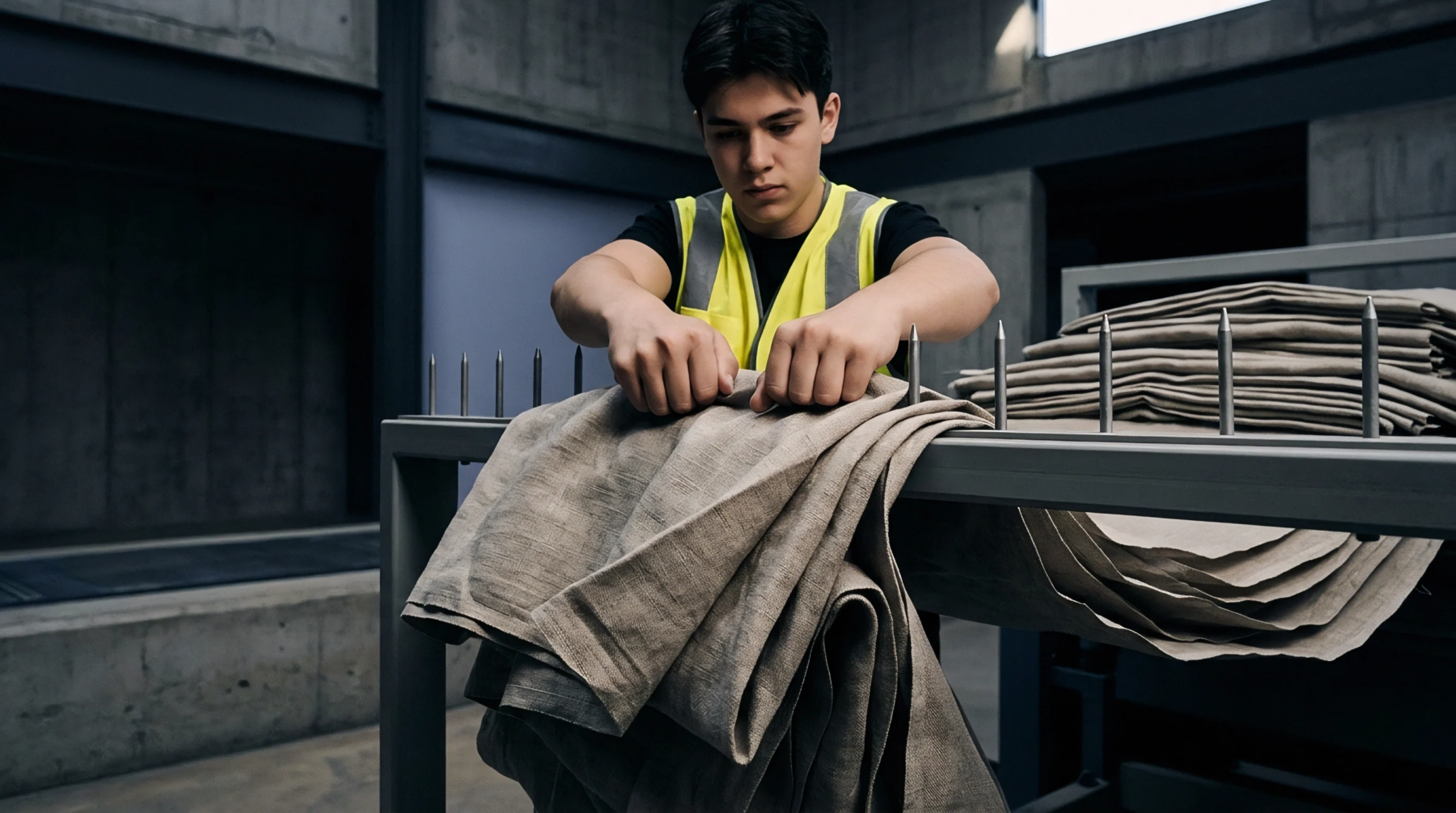
Stable traveler motion minimizes yarn breakages and limits frictional heat transfer to the freshly spun bast yarn. Ring burn marks indicate that lubrication broke down, causing the traveler to gouge the steel surface and snap wet flax strands. Mill floor operators monitor trough water levels and yarn delivery paths to maintain uniform moisture delivery to every spindle.
Excessive water volume floods the ring, splashing outward and throwing irregular tension waves into the yarn balloon. Reliable hydrodynamic lubrication preserves traveler life, enabling continuous round-the-clock ring frame operation on fine linen counts without frequent traveler replacement.