Flax Retting Methods and Raw Fiber Sourcing Essentials
Flax retting breaks down stalk pectin to separate spinnable fibers, requiring strict moisture control and scope-verified chain of custody to secure origin.
Microbe
Pectinaceous polysaccharides bind primary bast fiber bundles to the surrounding woody xylem core inside Linum usitatissimum stems. Extracting spinnable technical fibers demands controlled degradation of this middle lamella without weakening the crystalline cellulose structure within the cell walls. Industrial retting utilizes selective enzymatic action, driven either by field-colonizing microflora or controlled aqueous bioreactors, to solubilize polygalacturonans and hemicelluloses.
When retting halts prematurely, coarse fiber bundles remain cemented to shive tissue, increasing mechanical fiber breakage during scutching. Conversely, excessive exposure permits cellulolytic fungi to degrade the structural primary wall, dropping fiber bundle tenacity below commercial wet-spinning thresholds.
Biochemical Mechanics of Pectin Dissolution
Anaerobic and aerobic bacterial populations secrete specific enzymes that cleave calcium pectate bonds. Polygalacturonase breaks down the linear alpha-1,4-D-galacturonan backbone, while pectin lyase drives trans-elimination on esterified pectin molecules. Pectin binds fiber bundles.
In traditional tank retting, species like Clostridium felsineum thrive in warm, stagnant water, rapidly fermenting soluble carbohydrates into short-chain organic acids. This anaerobic fermentation lowers bath pH, requiring buffered water circulation to avoid acidic degradation of the bast fiber core.
Enzymatic retting replaces living bacterial cultures with concentrated fungal enzyme blends derived from Aspergillus niger or Trichoderma reesei. Processing parameters demand strict temperature control between forty-five and fifty-five degrees Celsius alongside a stabilized pH band from 4.5 to 5.5. Enzymatic treatment completes pectin removal within six to twelve hours, whereas field exposure spans three to seven weeks.
The speed of enzymatic bath extraction comes with elevated chemical costs and demands secondary rinse infrastructure to flush residual protein fragments before drying.
| Retting Method | Processing Duration | Water Demand (L/kg) | Residual Pectin (%) | Tenacity (cN/tex) | Cost Index |
|---|---|---|---|---|---|
| Dew Retting | 21 to 49 Days | 0.0 | 2.1 to 3.5 | 38 to 45 | 1.00 |
| Warm Water Tank | 3 to 5 Days | 15.0 to 25.0 | 1.2 to 1.8 | 42 to 50 | 2.40 |
| Enzymatic Bath | 6 to 12 Hours | 8.0 to 12.0 | 0.8 to 1.4 | 35 to 40 | 3.80 |
| Green Decortication | Immediate | 0.0 | 8.0 to 12.0 | 22 to 28 | 0.75 |
Comparative Processing Metrics across Retting Systems
Industrial fiber extraction relies on distinct environmental conditions to isolate clean long-line bundles. Green decortication bypasses biological retting entirely, mechanically stripping raw fiber ribbons from green stems. This unretted fiber retains high pectin levels exceeding eight percent by weight, rendering the bundles stiff and unsuitable for fine wet spinning without post-decortication chemical degumming.
Warm water tank retting achieves high uniformity and superior fiber tenacity, but generates severe wastewater loads rich in biological oxygen demand. Modern green field sourcing prioritizes dew retting due to zero water consumption, accepting weather-induced quality variations across crop years.
Biological failure modes in retting systems damage structural yarn properties before mechanical processing starts.
- Cellulolytic Over-Retting occurs when prolonged humidity allows Aspergillus and Penicillium fungi to secrete cellulase, consuming structural glucan chains and reducing fiber cleavage resistance.
- Heterogeneous Curing develops during weather patterns with uneven dew distribution, leaving top straw under-retted while bottom ground straw suffers fungal rotting.
- Bacterial Slime Contamination happens in uncirculated water tanks, depositing insoluble polysaccharide biofilms onto fiber surfaces that impede subsequent dye uptake.
- Thermal Denaturation strikes enzymatic bath systems when fluid temperatures surpass sixty degrees Celsius, deactivating pectolytic enzymes and leaving unretted shive adhesions.
Suppliers often explain batch-to-batch strength variations by alleging that unseasonable field rainfall altered local fungal populations beyond factory control.


Field
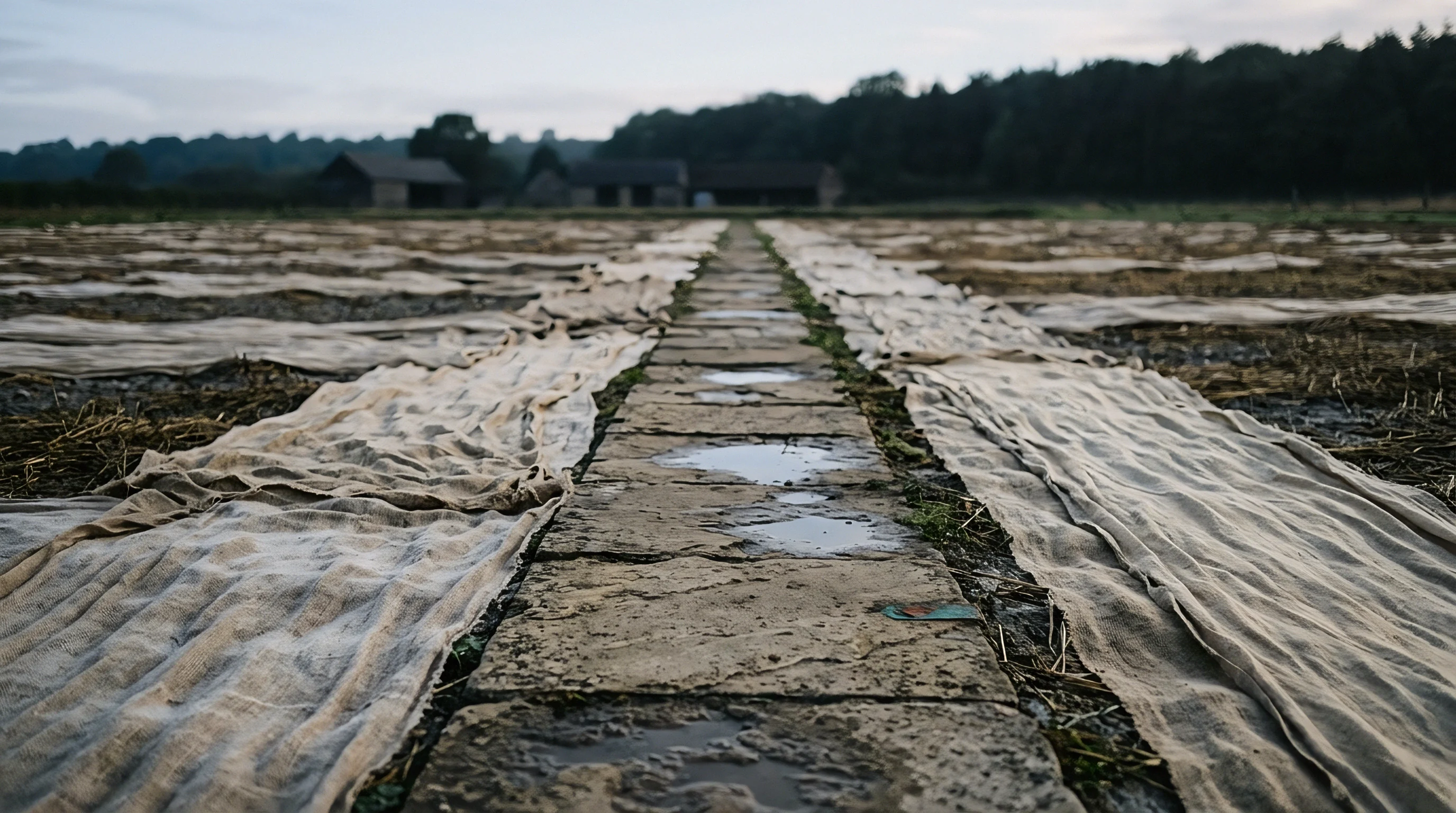
Dew execution relies on pulled straw lying in swaths across open agricultural land for three to seven weeks. Root-pulled flax plants are mechanically laid in parallel bands across harvested soil, exposing the stems to alternating night condensation and day solar heating. Indigenous saprophytic fungi, predominantly Cladosporium herbarum and Epicoccum nigrum, colonize the damp epidermis, penetrating stem stomata to reach the pectin-rich middle lamella.
Fungi degrade cell walls. Controlled field curing requires soil moisture management, windrow turning, and real-time monitoring of stem degradation stages to harvest clean long fiber before structural cellulose erosion occurs.

Dew Weather Windows and Straw Inversion
Alternating cycles of morning condensation and sunlight stimulate Cladosporium herbarum colonization. Field operators turn the swaths two to three times using specialized self-propelled mechanical turners during the retting period. Inverting straw windrows presents unexposed underside stems to atmospheric air, preventing ground-contact rot and ensuring uniform fungal growth across the entire stalk circumference.
Rain events exceeding twenty millimeters accelerate fungal growth, but persistent precipitation without intermittent dry periods leads to waterlogging, encouraging unwanted cellulose-degrading soft rot organisms.
Field monitoring protocols track dew progression through sequential physical and chemical measurements.
- Sample ten representative straw stalks across five sampling points in the field swath every three days.
- Perform a manual peel test by breaking the stem core and pulling bast fiber ribbons away from the woody core to evaluate separation ease.
- Measure stem moisture content using a portable capacitance probe calibrated specifically for flax straw.
- Inspect fungal color change along the stem, looking for the transition from golden yellow to uniform charcoal grey.
- Execute Fried test chemical staining on isolated fiber bundles to measure residual water-insoluble pectin fractions.
- Bale the retted straw when core stem moisture drops below fourteen percent during dry afternoon weather windows.
Straw moisture exceeding eighteen percent during swath baling generates localized fungal over-retting that reduces fiber tenacity below thirty cN per tex.
Field dew requires patience. Baling high-moisture straw leads to internal heating within stored round bales, fostering mold expansion that destroys fiber brightness and creates localized brittle zones. Wet straw ruins scutching.
Agricultural logistics coordinate swath inversion machinery with local satellite precipitation forecasting to hit the ideal harvesting window before autumn frost events halt fungal metabolic activity.
Straw that turns dark charcoal grey while maintaining stem springiness when squeezed by hand signals the end of swath curing.
Decortication
Scutching machinery converts dried straw into separated long line fiber, co-product tow, and shive. Dry, retted flax stems pass through feeding breakers equipped with intermeshing fluted rollers that crush the brittle woody xylem into small fragments called shive. Crushed straw feeds into scutching turbines where rotating wooden or steel beaters strike the suspended fiber ribbons.
These mechanical impacts knock loose broken shive particles while aligning intact bast fiber bundles into clean long-line hanks. Long line flax commands high market pricing, whereas short, tangled fibers harvested as scutching tow sell at substantial discounts into coarse yarn or technical nonwoven applications.
Mechanical Extraction and Shive Separation
Fluted breaking rollers crush the brittle woody core while leaving flexible bast ribbons intact. Roller nip pressure must match stem diameter and straw moisture. Excessive pressure crushes bast fibers, generating short tow fractions, while insufficient pressure leaves woody shive clinging to the long flax hanks.
Pneumatic dust extraction systems draw light shive fines and residual soil out of the scutching chamber, maintaining clean turbine blade surfaces and preventing particle re-entrainment into the fiber web.

How Does Scutching Yield Vary across Moisture Ranges?
Optimized breaker settings produce clean long fiber when straw moisture stays between ten and twelve percent. Moisture levels below nine percent increase stem brittleness, causing fiber snapping under scutching beaters and inflating tow yields at the expense of long line output. When straw moisture exceeds thirteen percent, woody shive loses its brittleness, bending under breaker rollers rather than snapping.
Unbroken shive stays attached to bast ribbons, forcing turbine operators to increase impact speeds, which degrades bundle length and damages long line yield.
| Output Fraction | Mass Yield Range (%) | Mean Fiber Tex | Residual Shive (%) | Commercial Destination |
|---|---|---|---|---|
| Long Line Flax | 20.0 to 26.0 | 1.5 to 2.2 | 0.5 to 1.2 | High-Count Wet Spinning (Nm 26 to 80) |
| Scutching Tow | 10.0 to 14.0 | 3.5 to 5.0 | 2.5 to 4.5 | Coarse Dry Spinning (Nm 6 to 18) |
| Woody Shive | 48.0 to 55.0 | N/A | N/A | Horticultural Mulch & Particle Board |
| Dust & Fines | 8.0 to 12.0 | N/A | N/A | Biomass Pellets & Thermal Energy |
Moisture drives scutching yield. Hackling mills receive scutched long line hanks and run them through pins to comb out short fibers, parallelizing long bundles into hackled slivers ready for wet spinning. Scutching co-products carry value.
Proper adjustment of turbine blade clearances ensures maximum removal of bark fragments without stripping natural waxes that protect fiber flexibility.
Milling straw above fourteen percent moisture crushes flexible fiber ribbons, driving scutching yield down by five percent while generating unusable wet shive fines.


Provenance
Certification standards trace raw flax from Western European fields through global textile processing routes. European Flax certification guarantees traceably grown Western European fiber up to the scutcher stage, auditing farm geography, non-irrigated cultivation practices, and mechanical extraction without chemical intervention. Scope certificates issued by accredited bodies like Bureau Veritas verify that scutching mills process eligible straw grown strictly within France, Belgium, or the Netherlands.
As raw fiber moves into spinning mills in China or India, chain of custody rules mandate physical segregation and batch transaction certificates to ensure certified Western European fiber is not blended with uncertified Asian or Eastern European tow during yarn spinning.

Scope Boundaries of European Certification Schemes
European Flax covers raw fiber growing and scutching within France, Belgium, and the Netherlands. Masters of Linen certification extends this chain, demanding that every processing stage from straw scutching, spinning, and weaving to fabric finishing occurs within European territory. Chinese spinning mills can hold European Flax chain of custody certification, allowing them to produce certified European Flax yarn, but they cannot qualify for Masters of Linen status due to geographic limits.
Scope limits enforce origin.
Auditors verify compliance by reconciling physical inventory ledgers against issued Transaction Certificates (TCs). Every consignment moving from a French scutcher to an Asian spinning mill carries a dedicated TC listing net fiber weight, harvest year, bale numbers, and scutching facility identification codes.

Chain of Custody across Asian Spinning Mills
Yarn manufacturing in Chinese mills splits physical material flows from documentation batches unless transaction certificates accompany every import bale. Unscrupulous mills sometimes purchase small quantities of certified European fiber to obtain scope certificates, then blend lower-cost uncertified local or Russian flax into production lots destined for export. Preventing origin dilution requires physical segregation in mill raw material stores, dedicated spinning line runs, and mass-balance auditing that cross-checks raw fiber consumption against spun yarn output.
Auditing a cross-border flax supply chain requires verified original documents at every transfer link.
- European Flax Scope Certificate verifies that the scutching facility operates under audited European Flax standard protocols, renewing annually through third-party audits.
- Harvest Scutcher Delivery Note logs original pulled straw farm lot numbers, field locations, and weight ticket records at the scutching plant entrance.
- Bale Specification Shipping Manifest details individual bale numbers, net weights, core moisture levels, and fiber grade designations for ocean freight loading.
- Transaction Certificate for Import links specific raw fiber bale numbers to the overseas buyer, issued by an accredited certifier upon export vessel departure.
- Spinning Mill Batch Run Record matches processed raw fiber lot numbers against carding sliver output, wet spinning frame allocations, and yarn bobbin lot tags.
Submitting a scope certificate without a matching transaction certificate invalidates preferential origin claims under European Union customs audits.
Certificates expire in twelve months. Audit spinning lot ledgers to ensure physical yarn shipments match declared raw material imports down to the kilogram. Discrepancies between imported fiber tonnage and spun yarn export declarations expose importers to severe customs penalties and illegal origin mislabeling liabilities under national fiber identification legislation.
Under European Flax Standard Clause 4.2, failure to record bale batch numbers on shipping bills forfeits certified status for the entire consignment.
Arithmetic
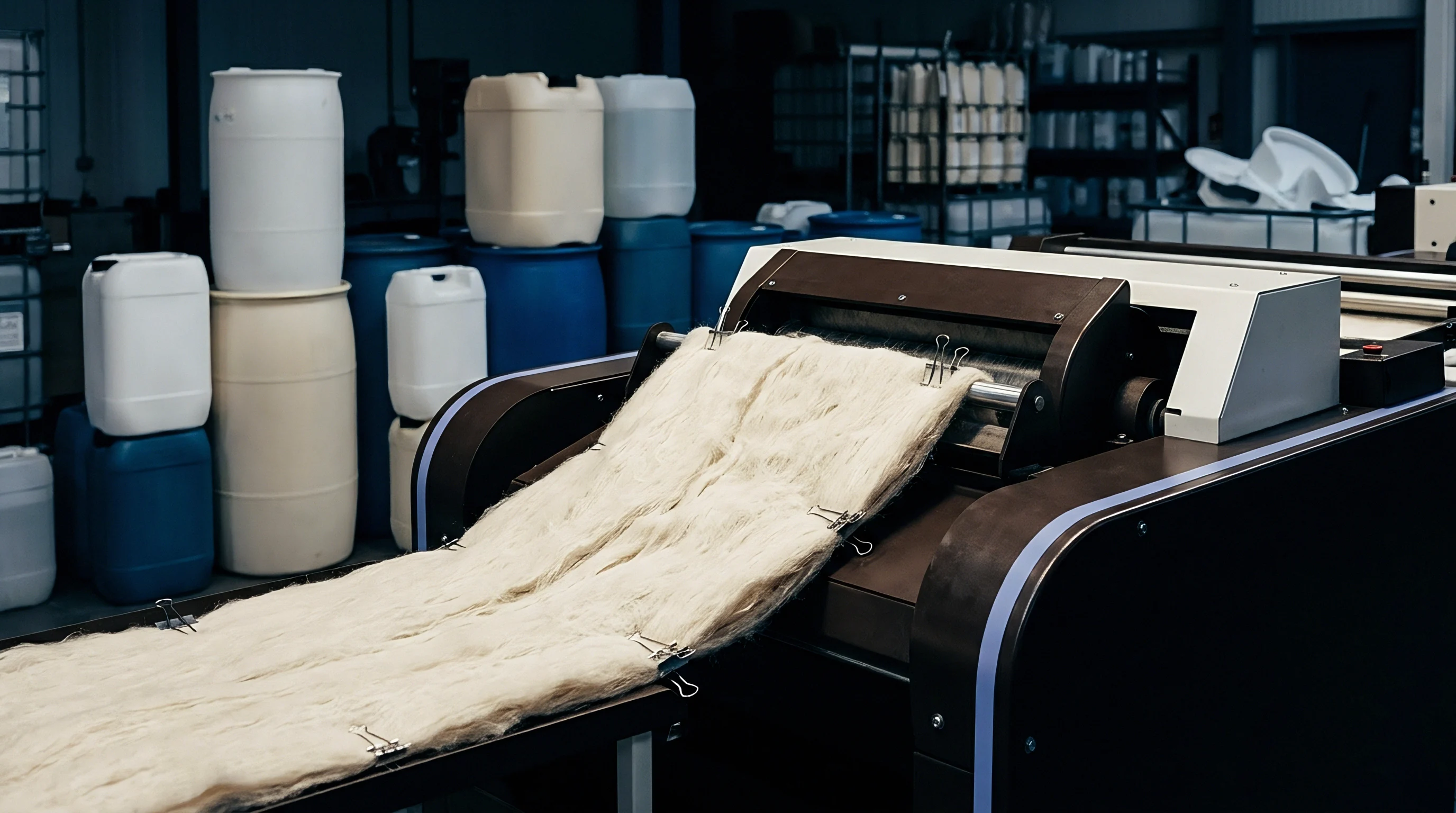
Raw material cost accounting calculates true landed fiber pricing by adjusting for scutching losses and transport tariffs. Purchasing unretted field straw at two hundred Euros per metric ton appears economical until factoring in scutching conversion ratios, moisture shrinkages, and transport logistics for bulky straw bales. Landed cost models track cumulative mass loss across retting, scutching, hackling, and spinning stages to establish real fiber input costs per kilogram of finished greige linen fabric.

Mass Balance Calculations from Field Straw to Hackled Yarns
Processing one metric ton of raw unretted straw yields approximately seventy kilograms of hackled long fiber suitable for high-count wet spinning. Field retting causes an initial dry weight loss of eight to twelve percent as microflora consume soluble cell wall components. Scutching extracts twenty-two percent long line fiber and twelve percent tow, discarding shive and dust co-products.
Hackling combs the scutched long line hanks, removing thirty percent of the mass as hackling tow while leaving seventy percent high-value hackled sliver.
Qualifying an overseas spinning mill demands systematic evaluation of processing equipment and traceability controls.
- Verify Scope Validity by cross-checking the mill’s European Flax certification number against the official online certifier registry for current active status.
- Audit Raw Material Stores to confirm physical separation of certified European Flax bales from uncertified inventory using distinct color-coded lot tags.
- Reconcile Mass Balance by comparing the mill’s raw fiber purchase TCs against spun yarn sales invoices for the preceding twelve-month operational period.
- Inspect Spinning Machinery during production runs to confirm dedicated sliver drawing and wet-spinning frame allocations for certified export lots.
- Review Quality Lab Logs to ensure test reports for fiber tex, moisture regain, and yarn single-end break strength meet technical purchase order limits.
Lower raw straw prices rarely offset high scutching fiber loss when spinning fine yarn counts.
| Processing Stage | Western Europe (€/kg) | China Landed (€/kg) | Yield Conversion (%) | Cumulative Cost (€/kg) |
|---|---|---|---|---|
| Field Straw Harvest | 0.22 | 0.28 | 100.0 | 0.22 |
| Dew Retted Straw | 0.26 | 0.33 | 88.0 | 0.30 |
| Scutched Long Line | 4.20 | 4.85 | 22.0 | 4.85 |
| Hackled Sliver | 6.80 | 7.60 | 70.0 | 7.60 |
| Wet Spun Yarn (Nm 26) | 11.50 | 10.20 | 92.0 | 10.20 |
| Assumes ocean freight at 180 Euros per metric ton bulk bale container, duty rate 3.2% under HS 5301.21. | ||||
Dry spinning produces coarse yarn. Wet spinning creates smooth yarn. Chinese spinning mills maintain lower labor costs during spinning and winding stages, offsetting ocean transport surcharges on raw European fiber imports.
Fiber yield loss at the hackling frame remains the single largest financial driver in linen yarn spinning, making raw fiber bundle uniformity and low residual shive content critical purchasing factors.
Whether emerging digital mass-balance tracking can eliminate fraud in transshipped greige yarns remains an open operational question for global import authorities.

Contract
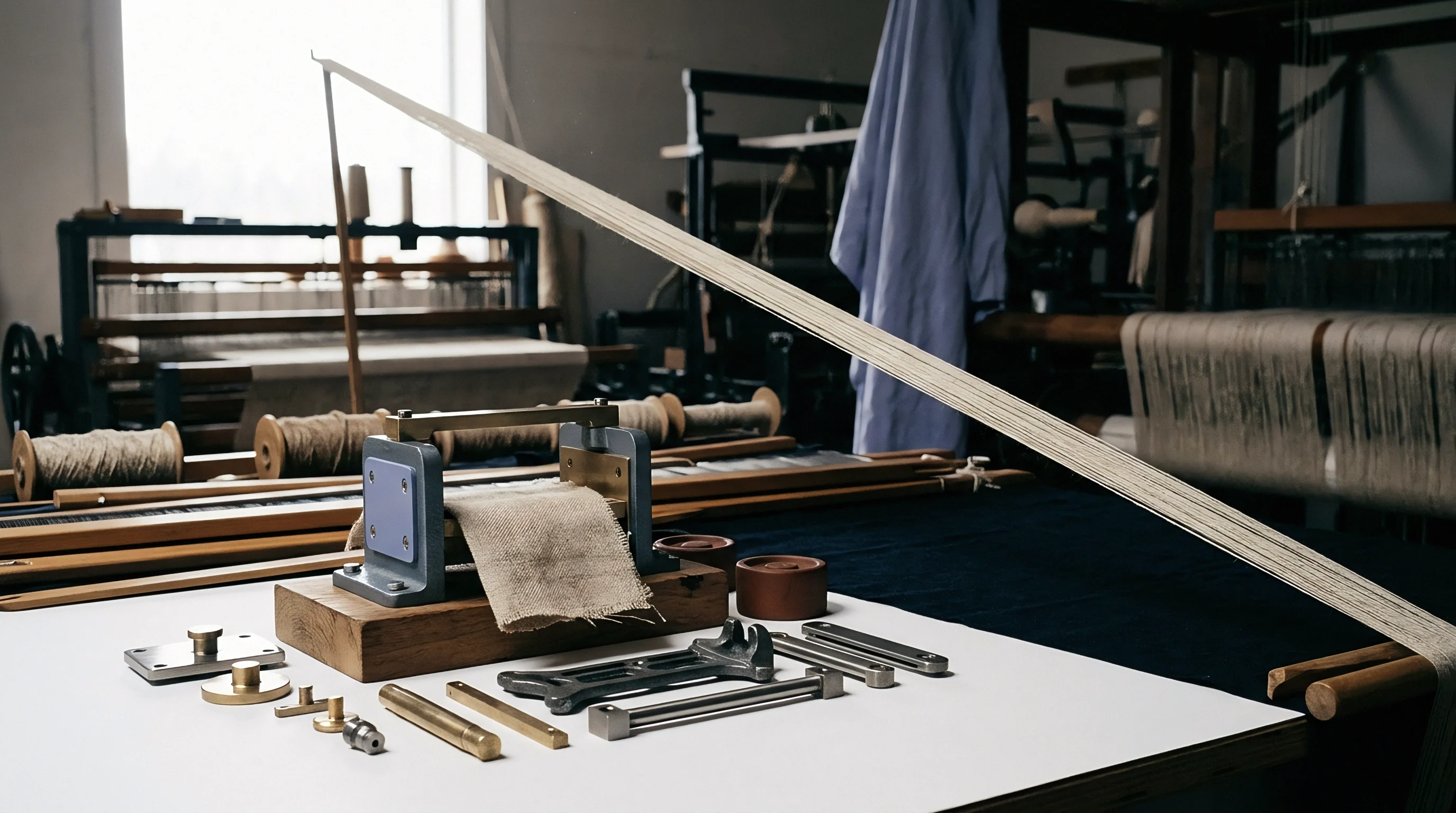
Purchase specifications establish binding legal protections for physical fiber properties and documentary compliance. Technical contracts detail allowable moisture regain percentages, maximum residual shive fractions, mean fiber length, and minimum breaking tenacity values measured under standardized ISO test protocols. Commercial agreements incorporate strict origin clauses, requiring mill suppliers to furnish valid Transaction Certificates for every yarn batch before payment release.
Including explicit rejection thresholds for off-spec fiber parameters protects buyers against downstream weave breaks, dye streaking, and customs origin challenges.
Physical Fiber Specifications and Testing Tolerances
Technical purchase orders state explicit limits for residual shive content, tensile strength, and moisture regain. Standard commercial regain for raw flax stands at twelve percent by weight under ISO 6741 test conditions. Suppliers shipping over-moist fiber sell water weight while exposing the shipment to internal mildew growth during maritime container transit.
Lab testing measures fiber bundle tenacity using flat bundle clamp methods, rejecting long flax shipments testing below thirty-four cN per tex for high-speed loom warp preparation.

Non Preferential Origin Declarations and Customs Compliance
Customs authorities in importing territories enforce strict transformation rules on textile goods entering under Harmonized System chapter 53. Spinning raw imported flax fiber into yarn confers non-preferential origin of the country where spinning occurred under United States and European Union customs rules. Weaving imported yarn into greige cloth similarly assigns origin to the country of weaving.
Misrepresenting imported Chinese yarn spun from European fiber as wholly European origin violates customs laws, exposing brand importers to seizure of goods, severe anti-circumvention duties, and commercial penalties.
Customs audits inspect physical spinning lot records rather than relying on commercial invoices.
Documentary verification of origin relies on cross-checking scutcher weighbridge receipts against spinning mill lot allocations. When physical delivery weights match original harvest certificates within standard loss tolerances, import declarations withstand regulatory scrutiny.