
Differentiating Ring Yarn Splice Rupture from Size Film Degradation in Greige Inspection
Distinguish splice rupture from size film failure by inspecting fiber tail slip length versus parent yarn twist retention under optical magnification.
Distinguish splice rupture from size film failure by inspecting fiber tail slip length versus parent yarn twist retention under optical magnification.

Optimal PVA size pick-up on flax warps ranges from 8.0 to 9.0 percent dry weight, balancing yarn friction resistance with hot-water desizing washability.
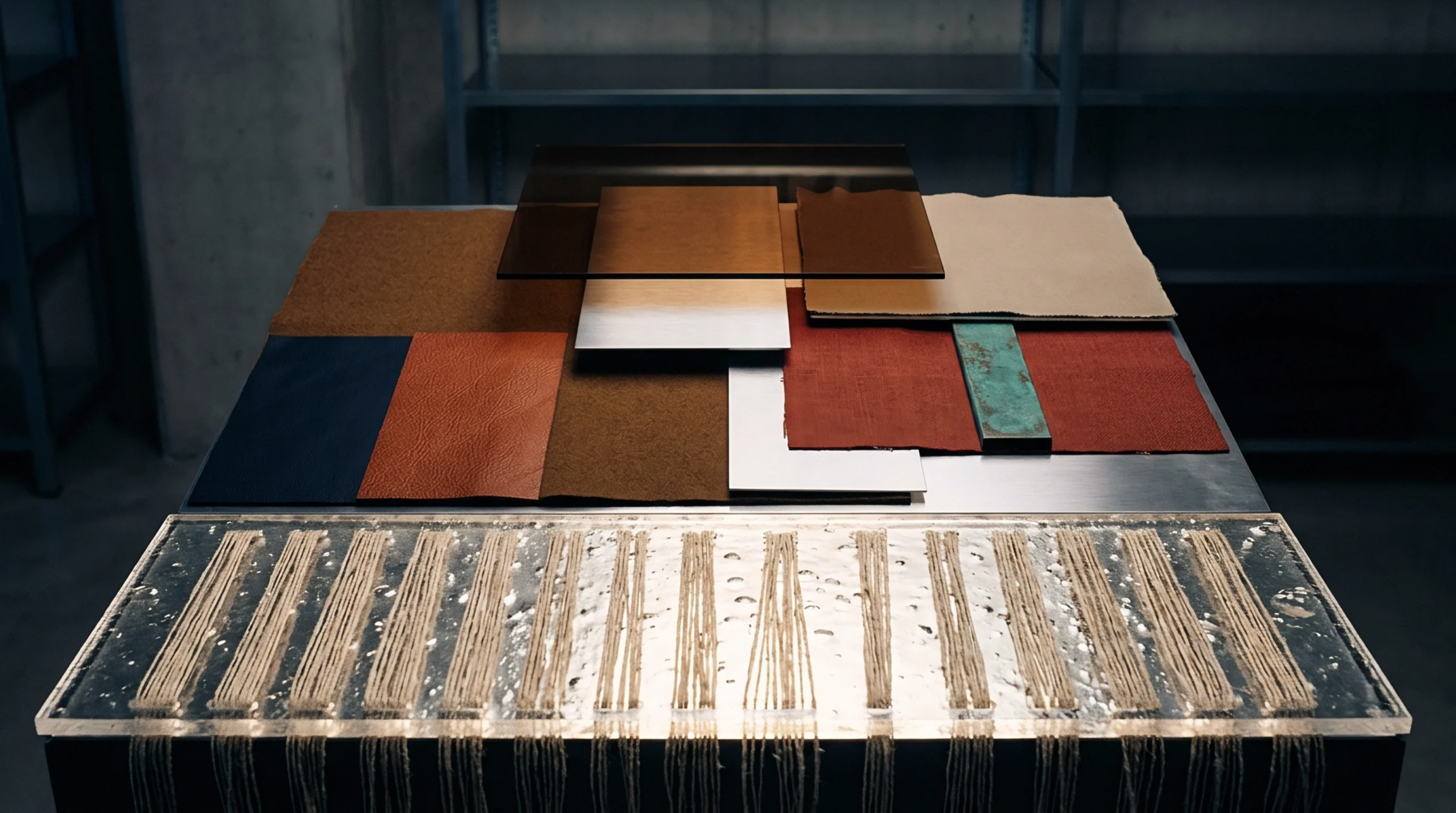
Wet-spun linen warps demand a minimum tenacity of 18.5 cN/tex with under 1.2% beaming stretch to maintain loom stop rates below 1.5 per 100,000 picks.
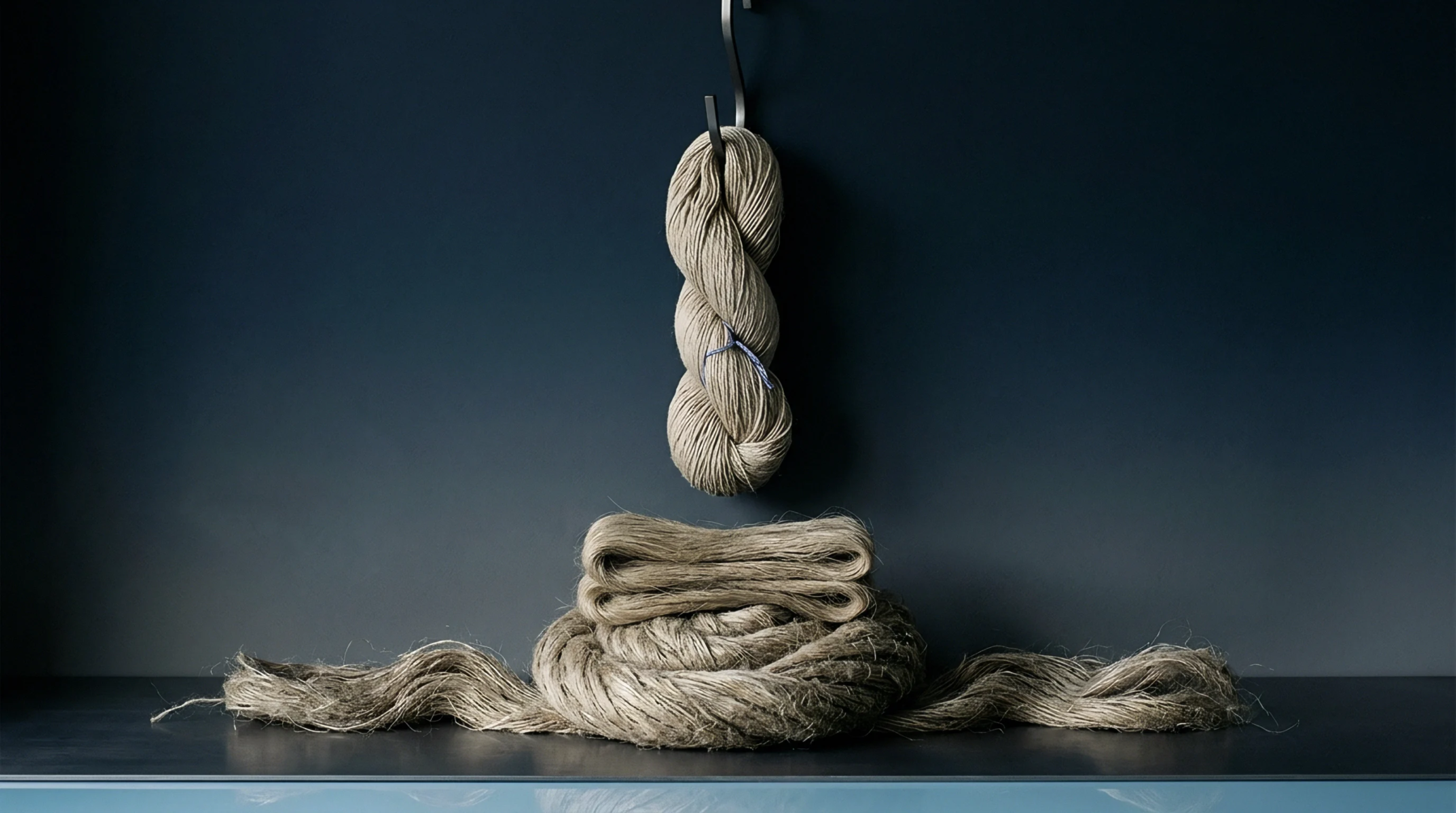
Ultrafine wet spun linen warps demand low-viscosity modified starches with acrylic binders at eight to ten percent size add-on and strict tension limits below one percent.

Resolving seasonal weaving displacements requires shifting warp warps across compatible air-jet looms using strict tension, reed, and sizing adjustments.

Exact yarn mass calculation for plain weave greige linen requires converting Lea to Tex, factoring warp crimp, reed width, and 12% standard moisture regain.

Converting hand-loom swatches to rapier loom specs requires rebalancing warp crimp, sizing single yarns, and setting weft brakes to hold cover factor at speed.
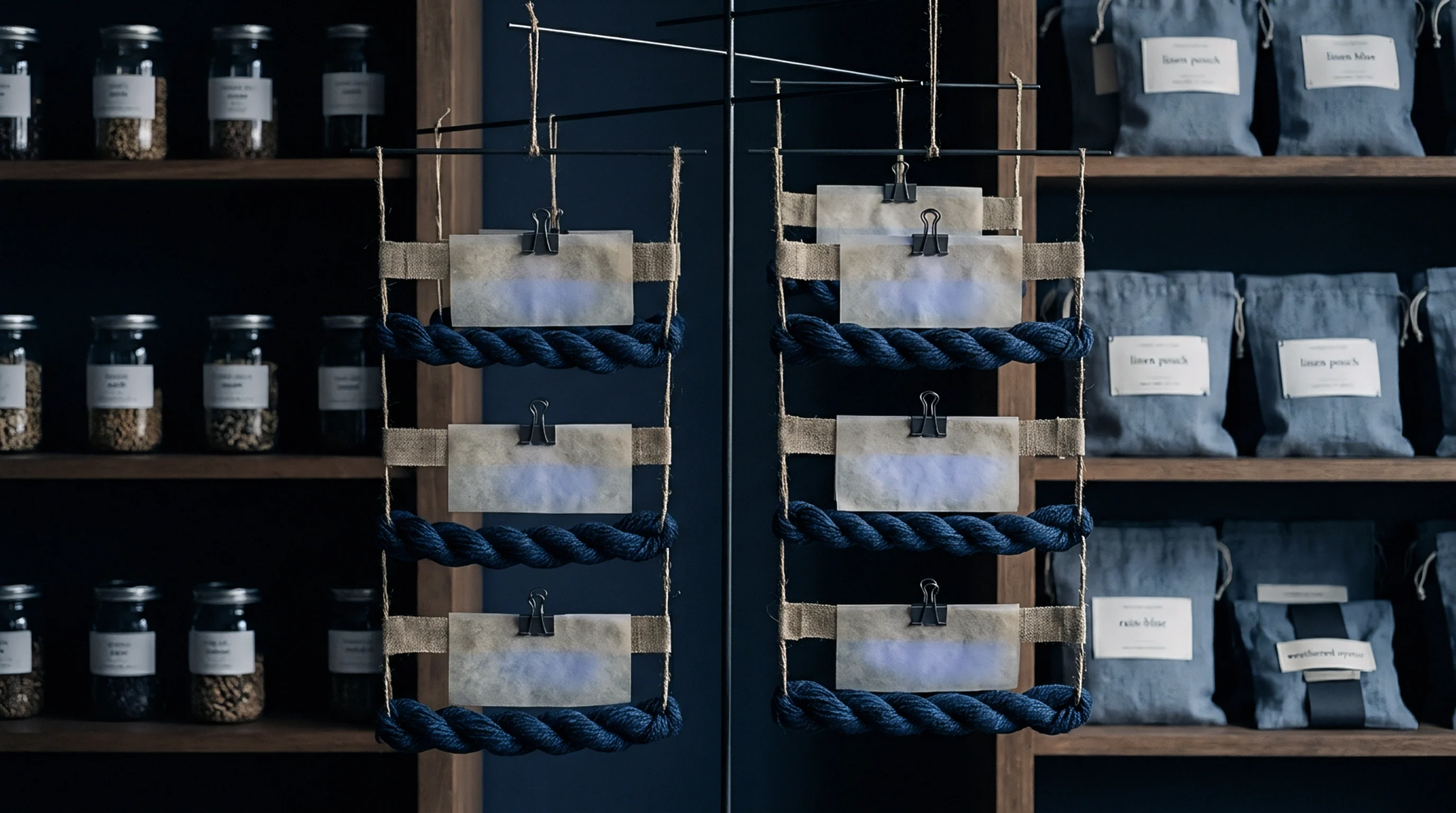
Yarn friction defect liability caps at 200 percent of raw yarn value based on verified ASTM D3108 friction test failures and digital loom stop records.
Expertise is a utility, not a secret. sentiention™ publishes its working knowledge as open reference: intelligence layer covering the materials it sources, the markets it enters, and the reference that serves both.