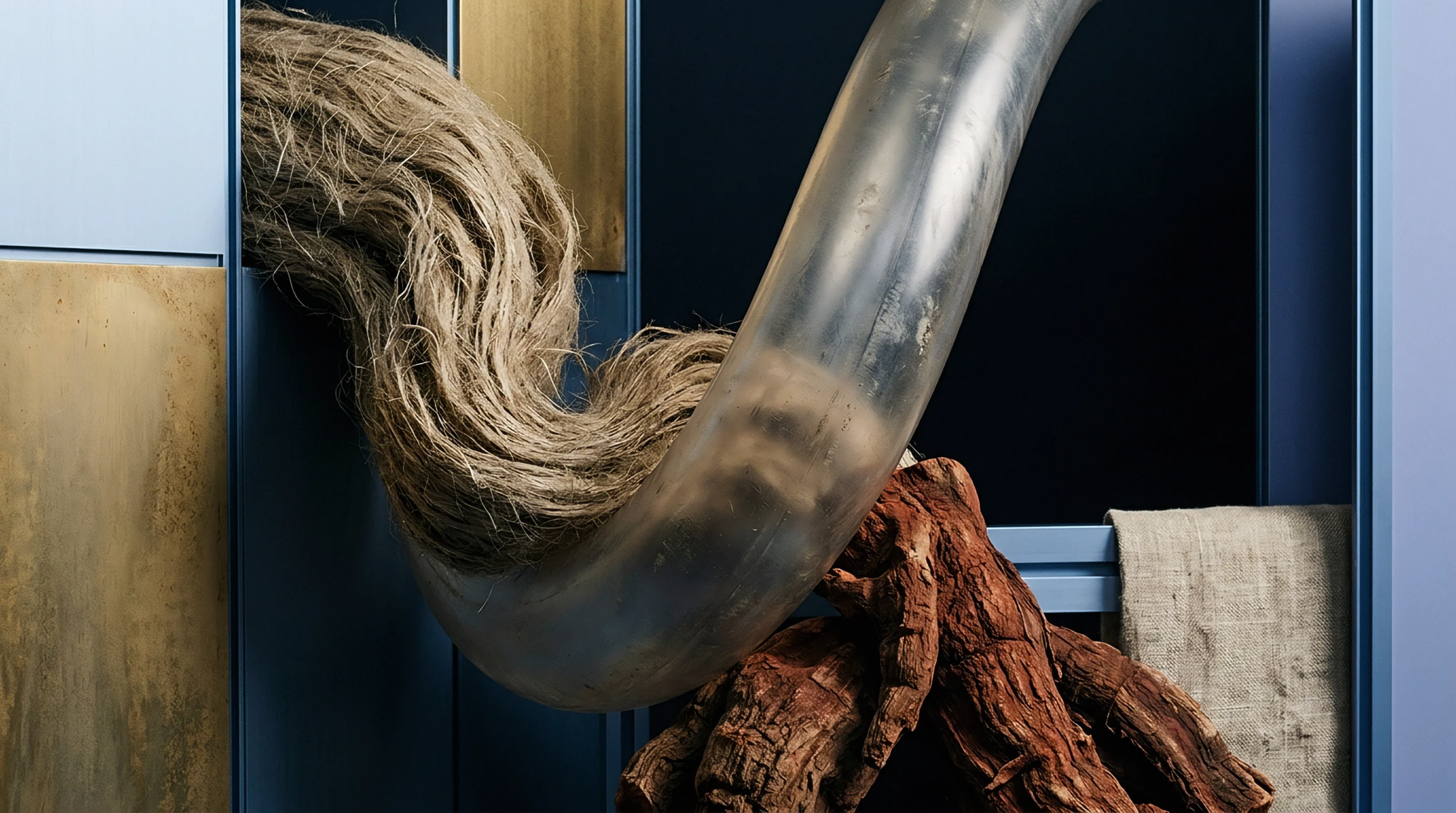
Laboratory Container
Sealed glass containers with ground-glass stoppers are used in laboratories to prevent hygroscopic materials from absorbing moisture during the weighing process. In the textile testing laboratory of a linen mill, the weighing bottle is used to hold flax or yarn samples during moisture regain analysis. The identification number of the bottle is recorded on the test report alongside the sample’s dry weight.
Hygroscopic Protection
Technicians place the hot sample from the oven directly into the dry vessel and secure the stopper to isolate the flax from the humid air of the room. After the weighing bottle has cooled to room temperature in a desiccator, the total mass is measured on a high-precision laboratory balance. This procedure prevents the dried linen from reabsorbing moisture, which would otherwise distort the dry-weight measurement.
Mill standard operating procedures require the empty bottle to be weighed periodically to update the tare weight recorded in the laboratory log. Using these bottles ensures that the moisture regain calculations conform to the standards of the international flax and linen federation.
Moisture Isolation
Using unsealed containers instead of these specialized bottles leads to overestimated dry weights and underestimated moisture regain figures. This error can result in yarn batches being rejected during quality audits by international buyers. The presence of these vessels is a mandatory requirement for mill laboratory certification.