
Warp Sizing and Tension Optimization for Rapier Loom Conversion
Optimizing size film elasticity and asymmetric shed geometry on rapier loom conversions cuts warp stops below 0.5 per hour and lowers total metre cost.
Optimizing size film elasticity and asymmetric shed geometry on rapier loom conversions cuts warp stops below 0.5 per hour and lowers total metre cost.
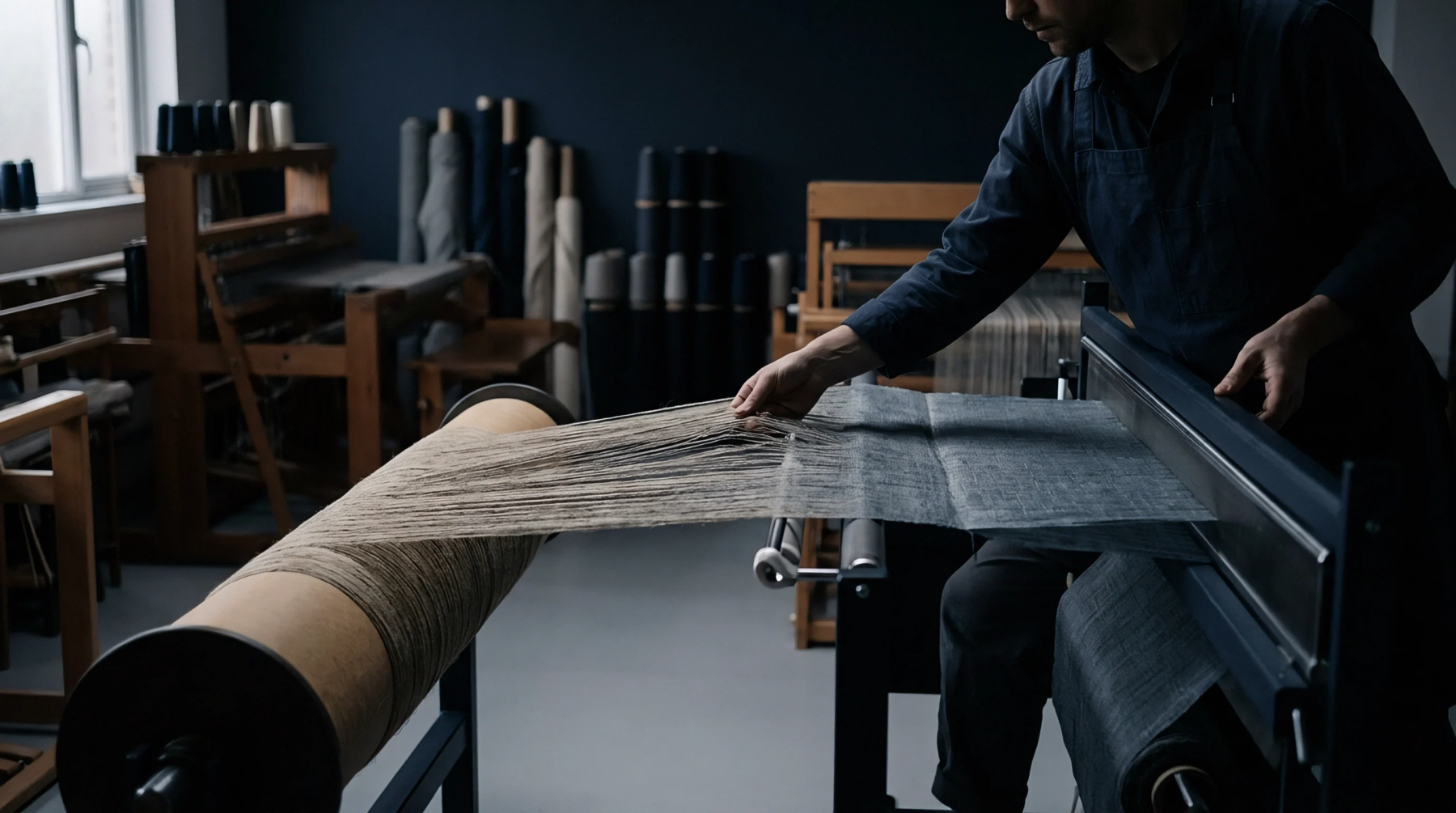
Optimizing starch and PVA size rheology balances shear-thinning viscosity for precise core penetration, reduced warp stops, and maximum air-jet loom output.
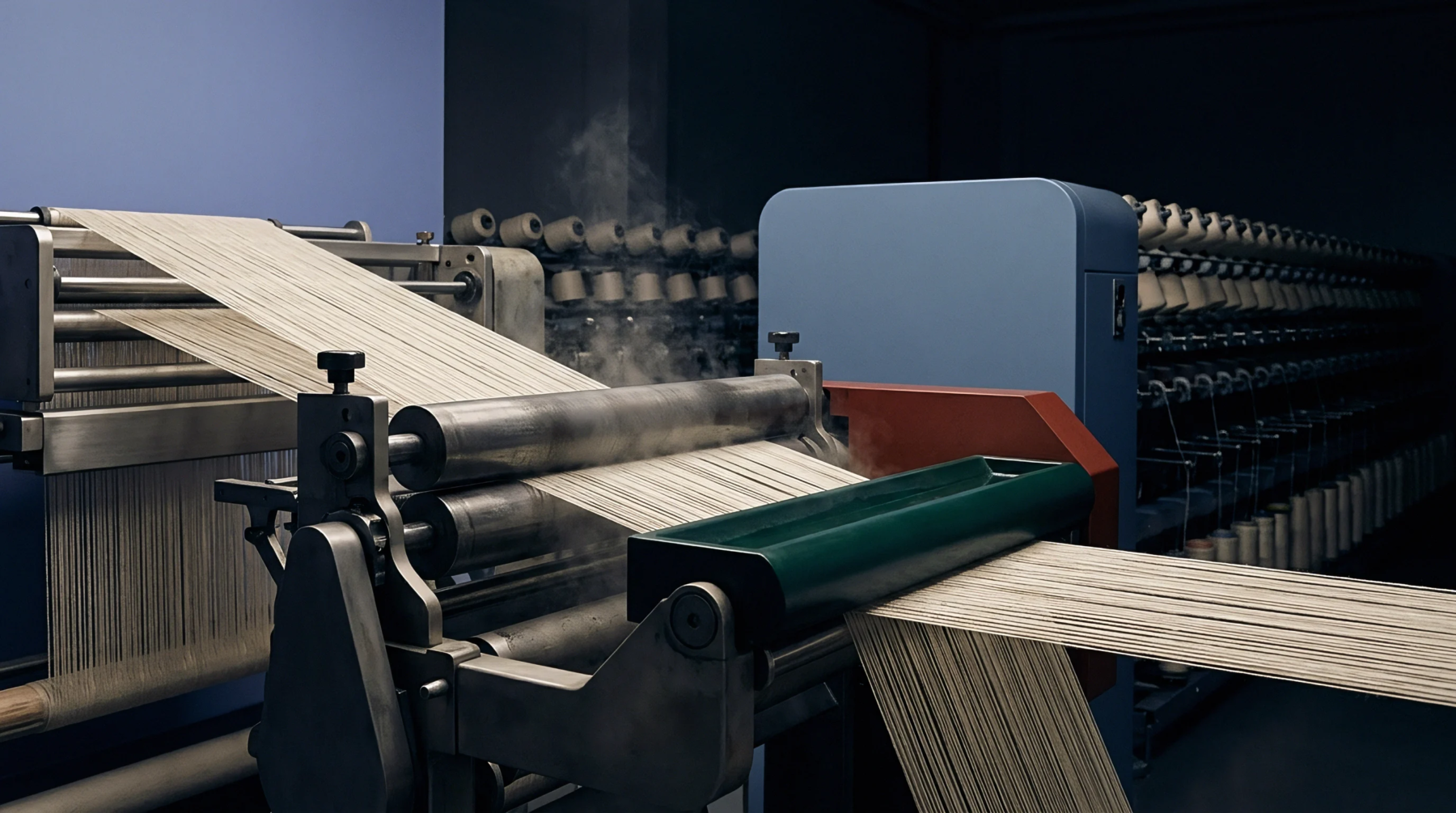
Wet spun linen warp yarn requires a minimum dry tenacity of 26 cN/tex to run on rapier looms at 85 percent efficiency.
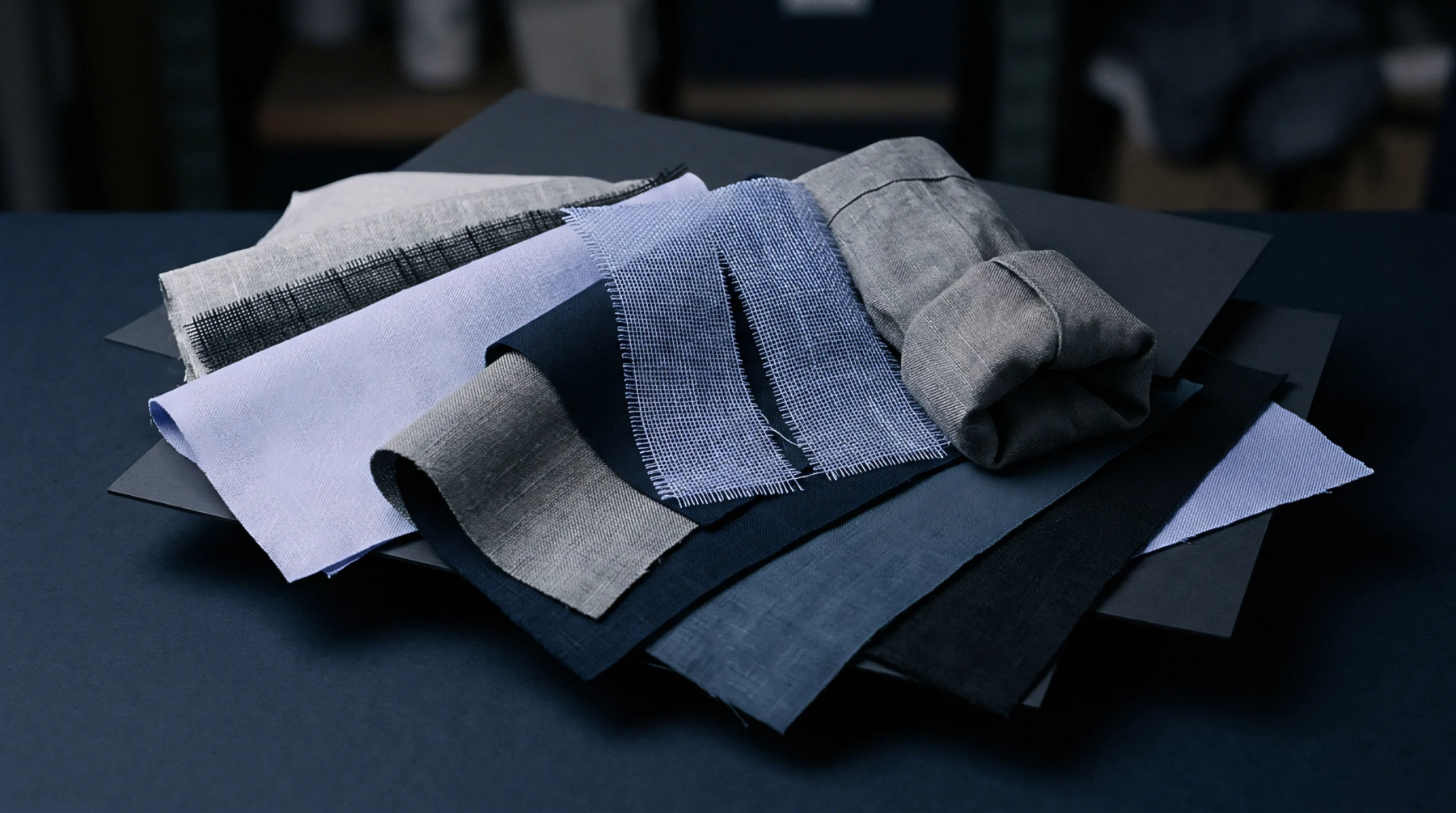
Establishing a minimum 0.45 core-to-sheath spectroscopic absorbance ratio prevents high-density Jacquard linen sizing penetration failure and loom downtime.

Distinguish splice rupture from size film failure by inspecting fiber tail slip length versus parent yarn twist retention under optical magnification.
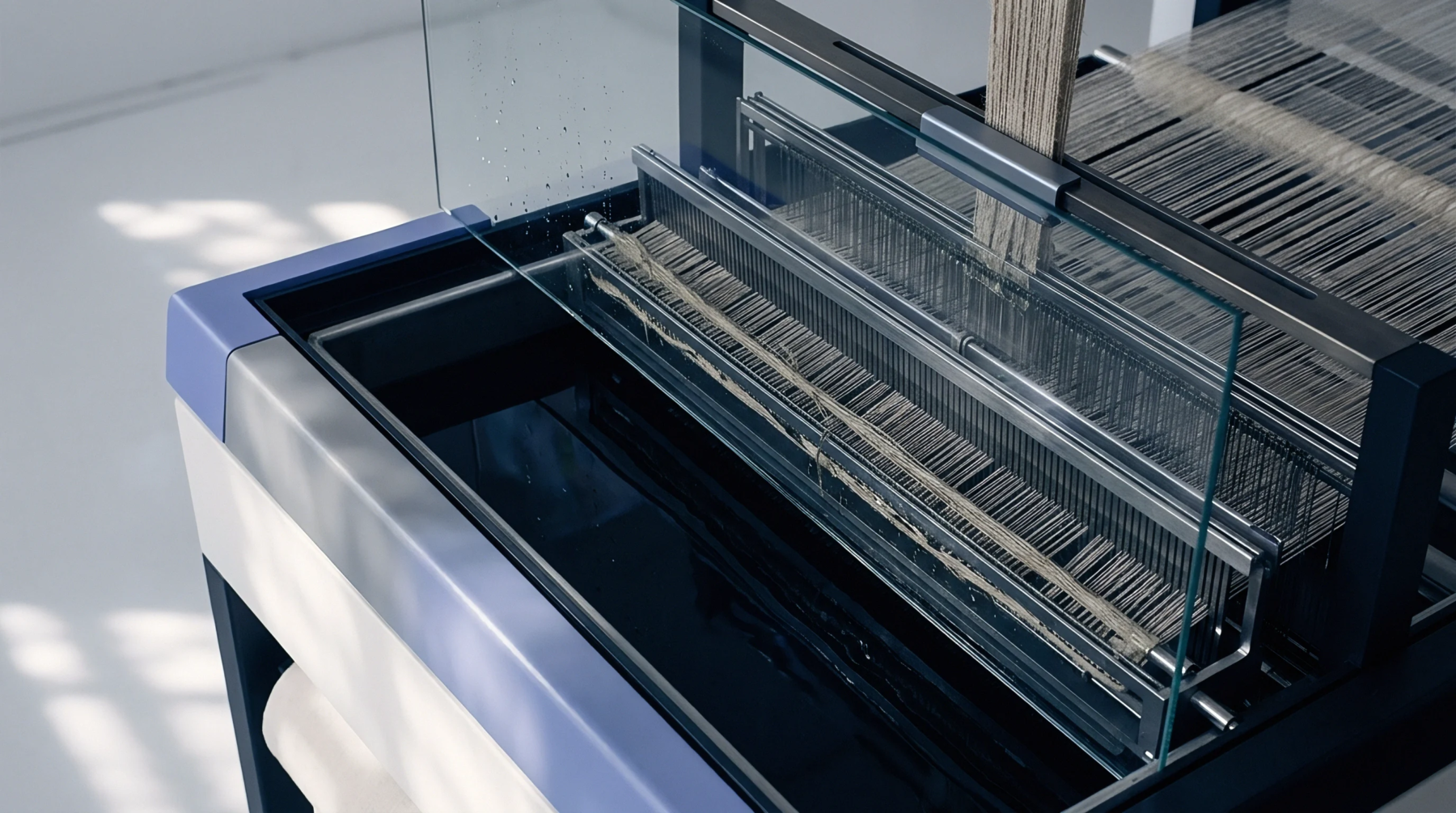
Optimize high-density linen warping via low-drag ceramic creels, 7-degree drum cones, 10% PVA-starch add-on, and 8-tier splitting to keep loom stops below 1.5.
Optimal fine bast yarn sizing requires balancing PVA and CMC polymers to achieve eleven percent dry add-on without causing warp brittleness.

Moisture regain directly alters yarn linear density, requiring strict shed humidity control and ISO 2060 dry mass corrections to stabilize rapier weaving mechanics and landed cloth costs.
Optimal PVA size pick-up on flax warps ranges from 8.0 to 9.0 percent dry weight, balancing yarn friction resistance with hot-water desizing washability.

Controlled size encapsulation and 10 percent moisture regain suppress linen warp breaks, preserving high loom efficiency and direct landed metre margins.
Warp sizing requires matching yarn packing factor to polymer viscosity, adjusting squeeze nip pressure for precise solids add-on, and maintaining elongation.
Differentiating spinning and sizing root causes requires cross-sectional microscopy and high-speed tensile testing to map size encapsulation against yarn mass variation.
Optimizing modified starch PVA acrylic sizing formulations combined with staggered early shedding suppresses friction spikes and stabilizes fine wet spun linen warps.

Dynamic friction in fine wet spun linen warps limits loom speed, demanding tailored size films, optimized shedding angles, and ambient humidity control.

Optimal polyvinyl alcohol and starch size blends limit cyclic tensile stress decay in wet spun flax warp yarns below 15 percent, maximizing high-speed loom efficiency.
Linen yarn counts and cloth weight must be verified against dry fiber mass plus standard 12 percent moisture regain to eliminate costly moisture billing errors.

Booking Chinese linen loom capacity requires evaluating warp preparation bottlenecks and machine hours rather than linear metre price quotes alone.
Uniform chemical size pick-up on long run linen warps requires continuous viscosity control, deflecting-compensated squeeze pressure, and balanced film elasticity.

High warp tension on wet spun flax accelerates crystalline bundle micro-cracking, requiring controlled sizing regain and reduced shedding angles to maintain shed capacity.
Expertise is a utility, not a secret. sentiention™ publishes its working knowledge as open reference: intelligence layer covering the materials it sources, the markets it enters, and the reference that serves both.