Fibre Dispersion
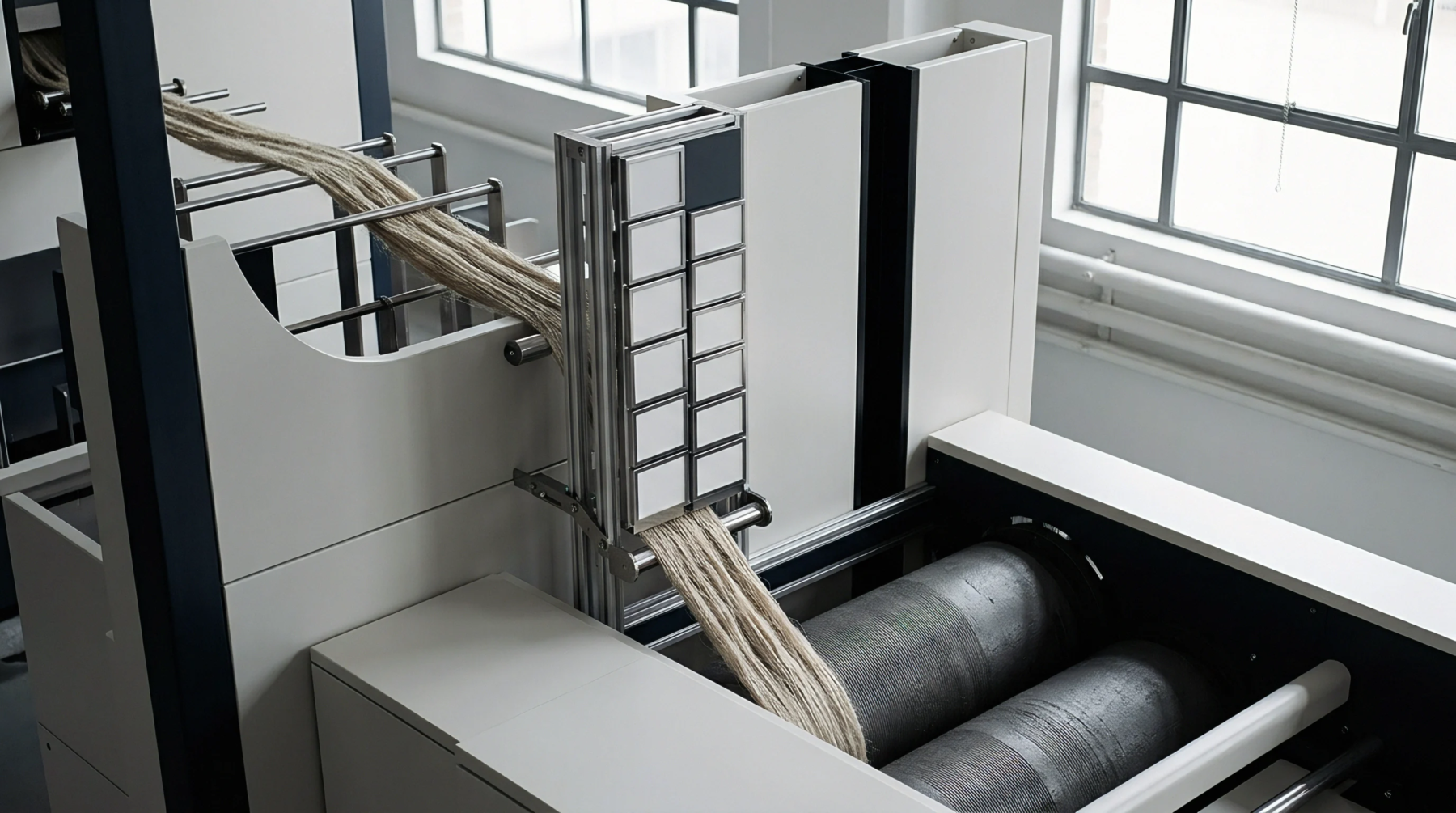
Flax sliver preparation relies on mechanical carding banks that receive scutched raw material before drawing frames align parallel strands for roving production. Mass weighted distribution specifies the physical proportion of individual fibre lengths within a combed sliver batch sampled across the spinning mill floor. Chinese export standards mandate this parameter for all linen yarns destined for high-speed automatic looms to prevent spinning breaks caused by short tow variations.
Quality control inspectors record the resulting length frequency graph on the batch certificate accompanying each pallet leaving the coastal facility.
Length Variance
Spinning mills calculate this statistic by sorting drawn slivers through automated optical drop counters that separate individual strand segments into distinct physical bins. Heavier fractions dominate the metric because longer flax segments contribute disproportionately to the total mass of the test sample drawn from the carding room. Raw material harvested from northern provinces exhibits wider natural variance than southern crops, forcing technicians to adjust drawing roller pressures before yarn drafting begins.
Buyer acceptance criteria reject lots where the calculated index drops below thresholds established in the purchase agreement regardless of visual appearance.
Tow Rejection
Weaving sheds require high tensile uniformity to sustain rapid shuttle insertion speeds without shedding lint onto neighboring warp threads. Yarn failing the designated threshold leads directly to warp breakage during sizing operations, which halts production on automated looms until broken ends are manually tied. Fabric inspection boards classify cloth woven from substandard yarn into lower commercial grades that command reduced prices in export markets.
Mill operators modify carding drum speeds to correct deviations observed in daily laboratory printouts before processing new flax shipments.