Scutcher Turbine Intensity Calibration for Intrinsic Fiber Strength Retention and Yield Optimization
Scutcher turbine calibration balances blade clearance and tip speed to strip woody shive while preserving bast bundle tenacity and long line yields.
Rotor
Straw fed into primary decortication units meets opposed scutching drums turning between two hundred and four hundred revolutions per minute. Incoming stalks consist of a dry, woody shive encasing an outer ring of technical bast bundles. Longitudinal blades mounted on the drum beat the stems over breaker bars and rounded grid edges, shattering the brittle xylem core into chips while sparing the more ductile bast fiber.
The severity of this impact depends directly on the clearance maintained between blade tip and breaker edge.
Decortication has to strip shive cleanly without tearing up fiber bundles. Running the turbines too hard shatters the bundles into short lengths that fall into the tow chutes, while running them too soft leaves shive adhering to long flax, generating defects in downstream wet spinning. Rotor tip speed, blade clearance, and feed velocity together determine strike severity, which operators adjust to match the retting depth and moisture of incoming straw.
A dry straw lot processed below nine percent moisture loses three percent of long line yield to tow for every fifty revolutions per minute of excess rotor speed.
Because bale density dictates the feed rate, operators align dew-retted stalks parallel into clamping belts that carry them past two successive turbine rotors. The first drum works the root end, and the second beats the upper stem once the strick transfers across to a second clamp. Rotors in modern European lines run between one thousand and one thousand two hundred millimeters across.
At three hundred revolutions per minute, a one-meter drum produces a tip speed of roughly 15.7 meters per second ~ enough kinetic energy to fracture the woody xylem without passing the yield point of well-retted bast bundles.
Beater Geometry and Bast Clearance
The gap between the turbine blades and the curved grid plate sets the shear force delivered to the flax. European drums carry twelve to twenty-four blades around their circumference, with working edges rounded to a radius between four and eight millimeters. Sharp edges slice through the stems and sever long fibers, whereas blunt edges simply crush the stalks without generating enough shear to break the shive away from the bast ring.
Clearance from blade edge to lower grid bars ranges from twelve to twenty-two millimeters along the drum axis, tapering toward the discharge. The intake stays wide to take incoming, uncrushed straw, while the exit tightens down to scrape off stubborn shive. Profiling the gap this way over the four-meter drum length stabilizes decortication.
When straw moisture shifts mid-shift, operators reset the profile through eccentric cams on the grid frame; adjusting these clearances by eye routinely produces immediate yield losses.

Velocity
Tip speed determines how much kinetic energy transfers into the suspended strick with each strike, while impact angle alters bundle splitting. Because kinetic energy scales with the square of rotational velocity, slight adjustments at the drum drive inverter cause sharp shifts in impact force. A drum turning at two hundred and eighty revolutions per minute delivers forty-four percent less impact energy than one running at three hundred and sixty revolutions per minute.
The lower speed spares the pectin in the middle lamella and preserves long line fiber, whereas the higher speed trades bundle cohesion for raw throughput.
Evenly dew-retted flax tolerates higher peripheral speeds because bacterial enzymes have already digested the cross-linking pectins. Under-retted straw still holds tough pectin bonds that require higher impact forces to clear the woody hurds. Mills in Flanders and Normandy check the retting stage with manual separation tests before setting turbine speeds; driving under-retted straw at high velocities crushes xylem and bast simultaneously, grinding line fiber into unrecoverable waste.

Can Rotor Velocity Compromise Bast Tenacity?
Overspeeding the rotor breaks the pectin interfaces binding elementary fibrils together. While the cellulose microfibrils in flax have an intrinsic tensile strength of eight hundred to one thousand two hundred megapascals, the surrounding pectin matrix fails at twenty to forty megapascals. Severe blade impacts deliver transverse shocks that crack the middle lamella.
These crosswise dislocations shorten the effective fiber span and reduce the tensile strength of downstream yarn.
Fiber lots decorticated under aggressive turbine regimes show measurable losses in tenacity. Standardized tensile tests on single technical bundles show a drop from fifty centinewtons per tex to thirty-eight centinewtons per tex when drum speed increases from three hundred to three hundred and eighty revolutions per minute. The table below details the mechanical response of dew-retted French straw across a range of turbine speeds.
| Rotor Speed (RPM) | Tip Velocity (m/s) | Kinetic Energy per Strike (J) | Residual Shive Content (%) | Bundle Tenacity (cN/tex) | Long Line Fraction (%) |
|---|---|---|---|---|---|
| 260 | 13.6 | 18.5 | 3.8 | 52.4 | 54.2 |
| 290 | 15.2 | 23.1 | 2.1 | 50.8 | 51.6 |
| 320 | 16.8 | 28.2 | 1.4 | 47.1 | 47.8 |
| 350 | 18.3 | 33.5 | 0.9 | 41.3 | 42.5 |
| 380 | 19.9 | 39.6 | 0.6 | 36.2 | 37.1 |
| Data measured on 1.0-meter diameter turbine processing dew-retted straw under standard industrial conditions. | |||||

Kinetic Delivery across Drum Stages
Primary decortication runs at lower drum speeds to break the woody hurds without snapping bast strands under excessive beat frequency. Industrial lines divide the work between two distinct stages, operating the primary and secondary drums at separate speeds. The primary drum treats the root end with lower kinetic force, after which the secondary drum turns faster to strip finer shive from the branched seed end.
This stepped progression protects fiber integrity along the full stem.
Calibrating these stages involves balancing five interdependent mechanical settings across the processing line:
- Braking roller pressure crushes the internal wooden stem before drum entry, reducing the kinetic impact required from rotating blades.
- Primary turbine speed strips seventy percent of woody shive from the root section while operating below critical fiber shearing thresholds.
- Transfer clamp grip secures the mid-stalk position with textured rubber belts to prevent longitudinal slipping during high-velocity impacts.
- Secondary turbine speed accelerates rotation by fifteen percent to clear tightly bound shive from branched top sections.
- Extraction suction air velocity draws liberated hurds through grid bars at fifteen to eighteen meters per second to prevent re-entrainment.
Failing to balance these velocity steps causes internal fiber damage that surfaces during ring spinning as poor draftability and frequent end breaks.

Fracture
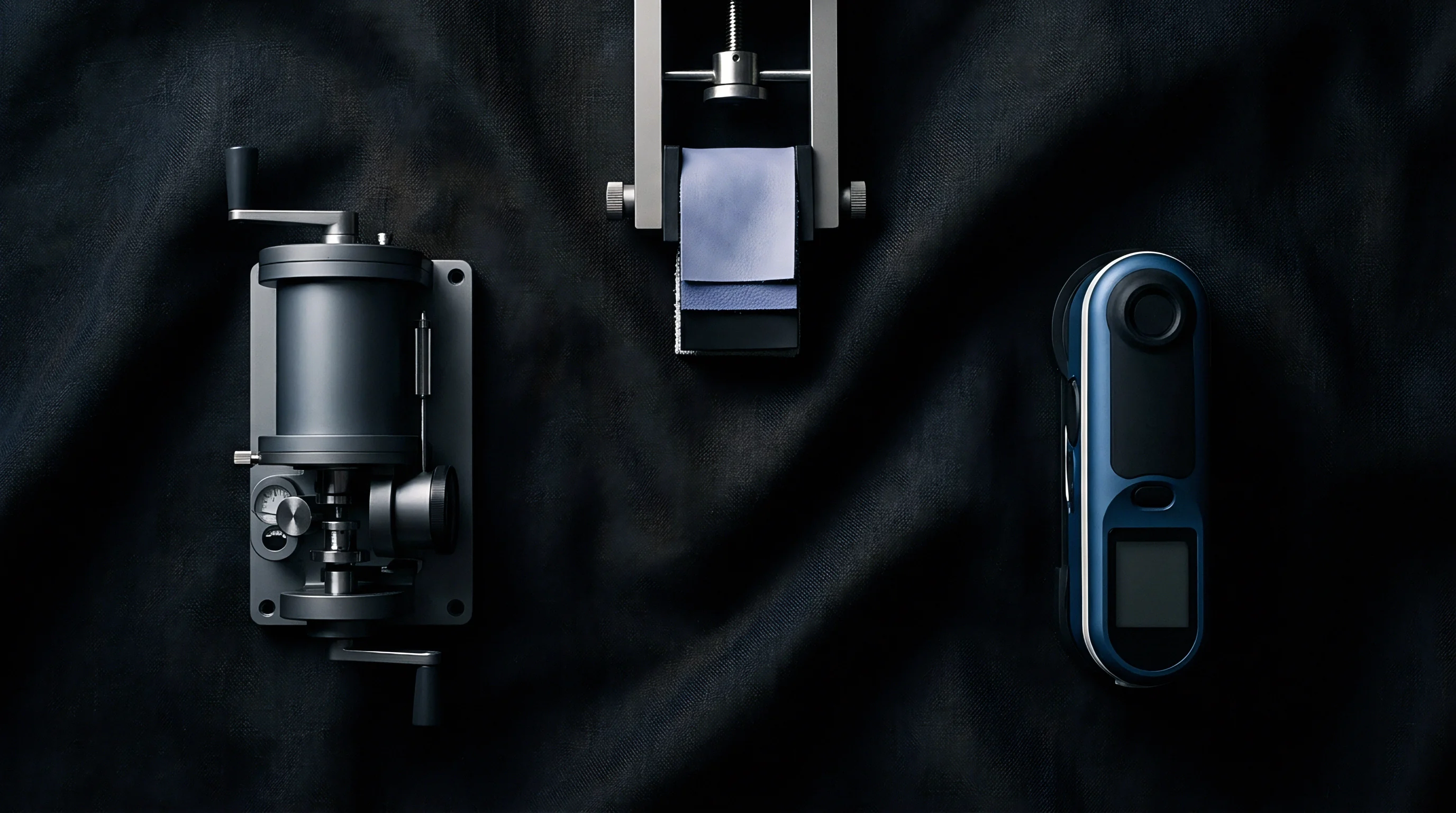
Mechanical damage in scutched flax starts as microscopic dislocations in the cellulose microfibrils. Flax consists of crystalline cellulose chains set within an amorphous hemicellulose and lignin matrix. Axial compressive stresses caused by violent turbine strikes produce transverse defects termed kink bands or slip planes ~ zones where the crystalline lattice bends and loses its orientation, creating weak spots that fail under mild tensile loads during hackling.
Slip planes multiply rapidly when dry fiber receives heavy mechanical beating. Mill humidity directly governs fiber ductility: below sixty percent relative humidity, flax sheds moisture, stiffening its modulus of elasticity, dropping strain at break, and shattering under impact. Rather than peeling along natural bundle boundaries, dry-processed fiber snaps transversely, reducing the average fiber length and downgrading potential warp material into weft or nonwoven tow.
Under standard European Flax audit rules, lots exhibiting mechanical shear damage that lowers fiber bundle tenacity below forty centinewtons per tex forfeit registration for certified wet-spinning applications.

When Do Turbine Shear Forces Exceed Cohesion?
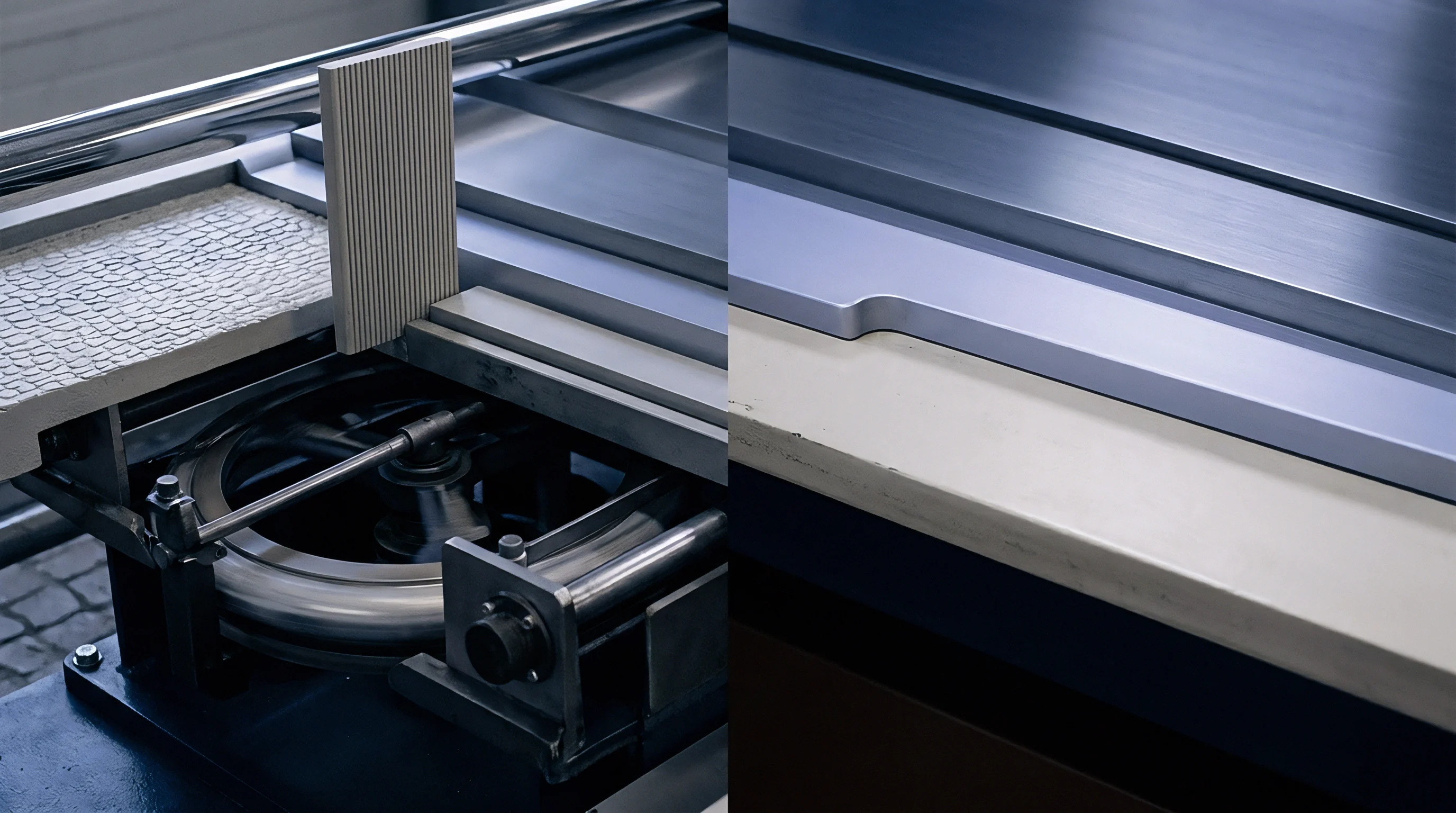
Peripheral turbine loads exceed the adhesive strength of the middle lamella once stalk moisture drops below nine percent. In dew-retted flax, pectinolytic fungi weaken this interface, leaving an adhesive strength of roughly 0.15 millinewtons per millimeter between adjacent bast cells. The technical bundle relies entirely on that residual pectin layer.
If turbine blades deliver shear forces beyond this threshold, the bundle delaminates into elementary fibers that crumble into dust.
Balancing drum velocity against straw retting condition prevents this delamination. Processors encounter several distinct structural failure modes when turbine intensity exceeds the cohesive strength of the flax stem:
- Transverse kink formation weakens bundle tensile strength following excessive impact pressure from blunt turbine blade surfaces.
- Premature bundle splitting separates long technical stricks into coarse tow fractions due to uncalibrated grid clearances.
- Cut-end fiber chipping shears the root ends of stalks when clamping belts place straw too close to the blade arc.
- Pectin stripping strips the inter-cellular matrix completely, leaving dry elementary fibers that burn during high-speed wet drafting.
Diagnostic Detection of Decortication Stress
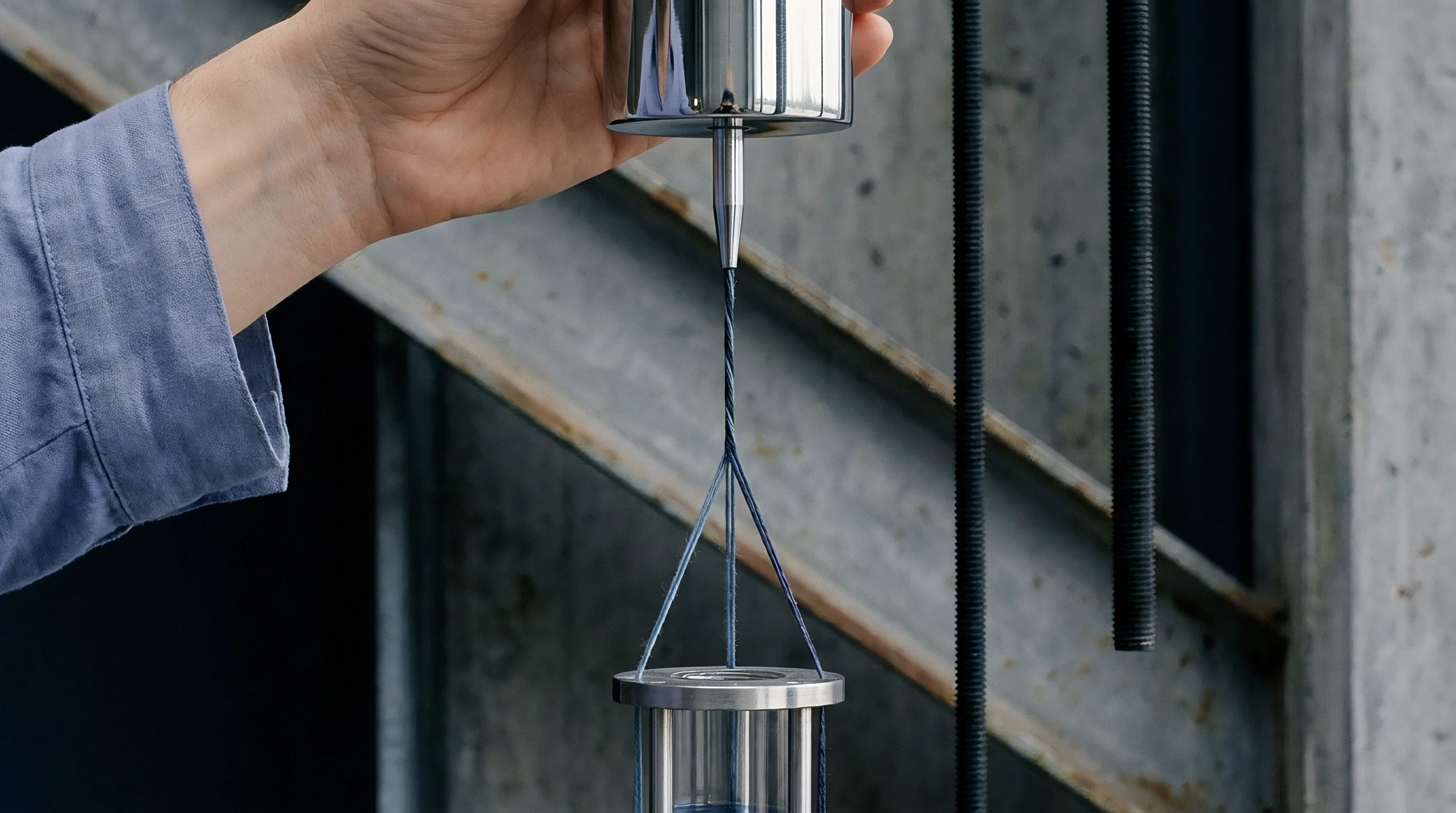
Scanning electron microscopy shows transverse compression kinks across the outer cortical layers after heavy beating, though polarized light microscopy offers a faster check on kink-band density in production lots. Undamaged, hand-peeled bast displays uninterrupted crystalline alignment with rare slip planes. By contrast, fibers run through over-driven turbines show cross-striations every twenty to fifty micrometers along the bundle; these damaged points take up dyes faster, producing streaks in finished fabric.
Acoustic emission testing during tensile elongation tracks the sound waves generated as individual fibers break. Intact bundles produce a single, sharp acoustic burst at the final rupture point. Bundles compromised by over-scutching emit continuous acoustic noise beginning at thirty percent of their breaking load, reflecting the progressive collapse of internal slip planes before twenty-ton delivery lots ever reach the spinning floor.

Margin
Commercial decortication divides recovered fiber into long line flax and lower-value scutching tow. Long line trades on European markets between 4.50 and 6.20 euros per kilogram depending on grade, color, and fineness, whereas tow ~ the tangled short fiber falling through the grid bars ~ brings only 1.20 to 1.80 euros per kilogram. Every one percent of total fiber displaced from long line into tow reduces mill revenue by roughly forty euros per ton of straw processed.
Controlling turbine intensity is the main lever for protecting operating margins in primary processing. Holding long line yield above twenty-four percent of dry straw mass through careful adjustment of clearance and speed determines whether a mill operates profitably. A facility processing fifteen thousand tons of dew-retted straw annually generates more than twelve million euros in fiber sales.
Dropping long line yield by just two percentage points diverts three hundred tons of premium fiber into the tow bin, wiping out roughly 1.2 million euros in operating margin.
A processing mill running fifteen thousand metric tons of raw straw loses thirty thousand euros in gross margin for every decimal point that long line yield slips into tow fraction.
Mass Reconciliation across Turbine Grids
Weighbridge records for incoming straw establish the baseline tonnage against which all recovered fiber balances. Scutching lines yield three distinct product streams: long line fiber from the clamping belts, tow pulled from under the grids, and woody shive carried away through pneumatic ducts. Shive accounts for roughly fifty percent of initial stalk weight, selling to composite-board and animal-bedding buyers at eighty to one hundred and twenty euros per metric ton, while dust and moisture loss account for another ten to twelve percent.
Audits track mass balances across these three outputs to flag unauthorized fiber blending or hidden equipment wear. The table below outlines mass reconciliation and financial return for a standard sixty-ton straw lot under calibrated versus aggressive turbine settings.
| Output Category | Calibrated Mass (kg) | Calibrated Value (EUR) | Aggressive Mass (kg) | Aggressive Value (EUR) | Revenue Variance (EUR) |
|---|---|---|---|---|---|
| Scutched Long Line | 14,400 | 74,880 | 12,600 | 65,520 | -9,360 |
| Scutching Tow | 7,200 | 10,800 | 8,700 | 13,050 | +2,250 |
| Woody Shive (Hurds) | 30,600 | 3,060 | 30,900 | 3,090 | +30 |
| Dust and Moisture Loss | 7,800 | 0 | 7,800 | 0 | 0 |
| Total Realization | 60,000 | 88,740 | 60,000 | 81,660 | -7,080 |

Downstream Drafting and Ring Performance
Wet spinners face higher spindle break rates whenever over-scutching truncates the span length of stricks. Long line bundles pass through hackling, spread boards, and roving frames before entering drafting troughs heated to sixty degrees Celsius. Hot water softens remaining pectins so elementary fibers can slide during drafting; if fibers carry transverse kink bands from harsh beating, draft tension snaps them, creating slubs and roving breaks that shut down spinning frames.
Mill auditors assess incoming raw lots using five operational checks before approving transfer to wet spinning rooms:
- Hand hackling yield assessment confirms that long line lots yield at least sixty-two percent combed sliver without excess comb waste.
- Span length array verification measures the proportion of fibers exceeding four hundred millimeters to prevent drafting slippage.
- Shive cleanliness count guarantees that residual wood particles remain below 1.5 percent by weight in delivered line bales.
- Bundle moisture equilibrium test confirms fiber moisture sits between eleven and thirteen percent to prevent brittle handling.
- Dry tensile bundle check confirms that bundle breaking tenacity exceeds forty-five centinewtons per tex under standard test methods.
Tolerating higher shive levels leaves wood fragments in the sliver, but ramping up turbine intensity to clear them risks crushing fiber bundles and undermining downstream spinning yields.


Warranty
Contracts for scutched long line link payment releases directly to certified tensile strength and clean fiber fractions. While provenance papers guard against blending, physical performance clauses ensure the material can survive mill drafting. Standard commercial terms set fiber grade, lot weight, moisture regain, and maximum allowable shive; adding enforceable mechanical limits places the financial liability of turbine over-beating squarely on the scutching mill.
Pushing turbine speeds solely for throughput rapidly degrades fiber quality. Overseas buyers purchasing European flax for conversion in Asian spinning mills carry heavy freight and tariff liabilities; moving compromised fiber across maritime routes inflates landed costs while extinguishing practical recourse against the supplier. Effective contracts therefore require pre-shipment testing at independent European laboratories before export clearances are granted.
Verification of European Provenance Documents
Material provenance relies on transaction certificates from accredited bodies linking shipments to cooperative harvest records. European Flax certification confirms that straw grew on certified farms in France, Belgium, or the Netherlands, tracing the crop from grower through scutching cooperatives to trading merchants. Chain-of-custody rules mandate physical segregation or mass-balance accounting at every stage, connecting bale barcodes directly to individual processing runs.
Transaction certificates remain valid for twelve months and cover only the volumes specified on commercial packing lists. Spinners verify bale tags against the central certification registry to confirm Western European origin. Mixing non-certified straw into certified scutching runs voids certification for the entire batch, exposing buyers to labeling penalties in import markets.
Documented origin qualifies a lot for purchase, but physical fiber metrics decide its actual spinning performance.
Drafting Enforceable Technical Specifications
Procurement agreements require explicit mechanical thresholds before letters of credit are issued. Generic trade terms specifying ‘first-grade’ scutched flax offer no protection against internal bundle fractures caused by aggressive scutching. Specifications must instead define objective physical metrics measured under controlled atmospheric conditioning: bundle tenacity, mean fiber length, maximum shive content, and moisture regain.
Contracts stipulate that any lot falling below forty-six centinewtons per tex in bundle tenacity or exceeding 1.8 percent residual shive incurs automatic price penalties or immediate rejection at the seller’s expense.