
Wet Spun Flax Yarn Tensile Behavior under High Warp Tension
High warp tension on wet spun flax accelerates crystalline bundle micro-cracking, requiring controlled sizing regain and reduced shedding angles to maintain shed capacity.
High warp tension on wet spun flax accelerates crystalline bundle micro-cracking, requiring controlled sizing regain and reduced shedding angles to maintain shed capacity.

Transitioning hand-loom samples to automated looms requires increasing warp cover factor and tuning shed dynamics to withstand high-speed night-shift tension.
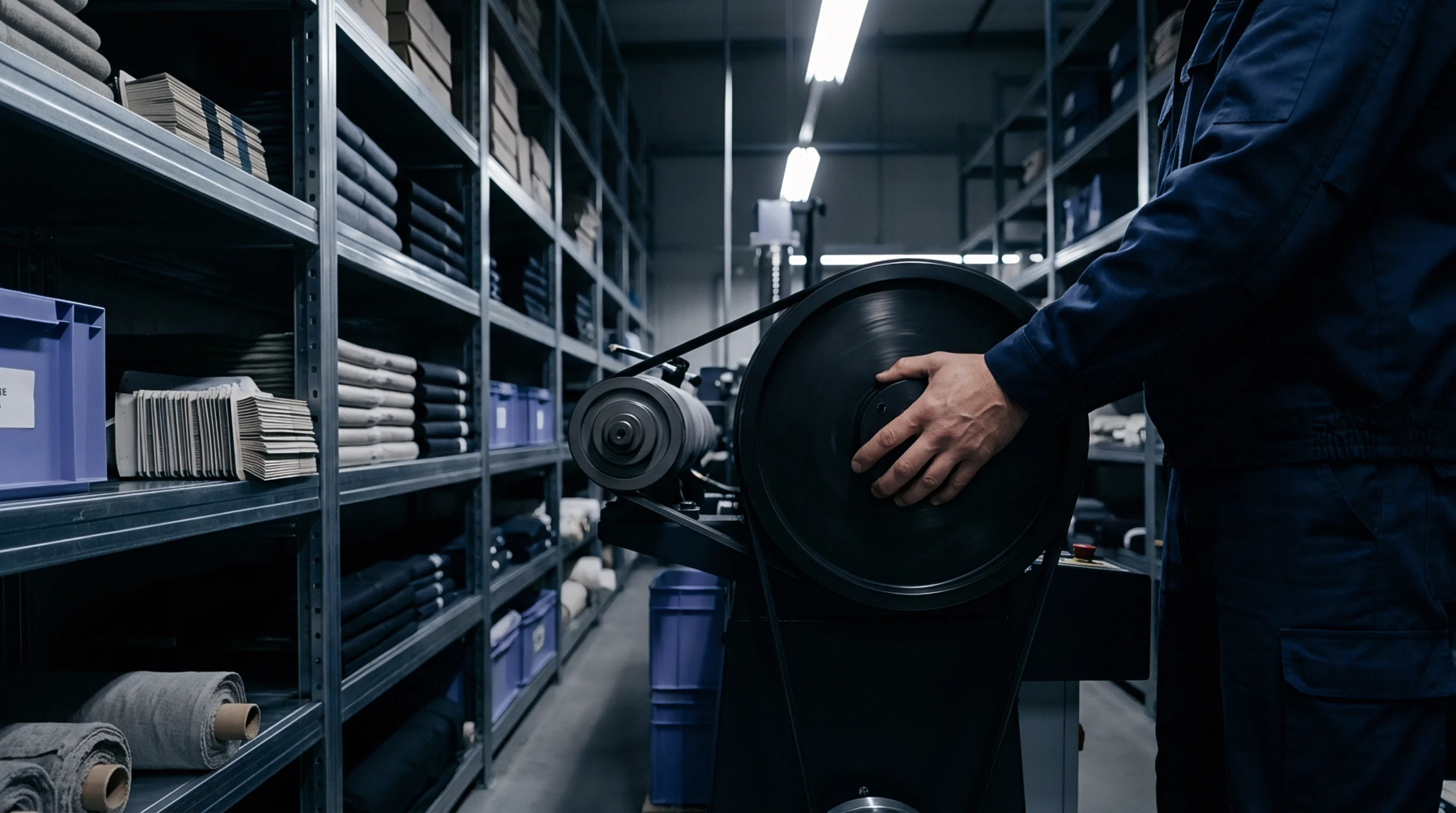
ASTM D5430 four-point scoring normalises greige defects per 100 square yards, capping penalties at four points per yard to decide lot acceptance.

Calculating real landed fabric cost requires dividing hourly loom shed rates by efficiency-adjusted yield and adding verified yarn loss, finishing shrinkage, and freight.

Dynamic friction in fine wet spun linen warps limits loom speed, demanding tailored size films, optimized shedding angles, and ambient humidity control.

Optimizing fine bast warp sizing with PVA acrylic blends and gentle rapier kinematics lowers loom stoppages below 1.5 breaks per 100,000 picks.
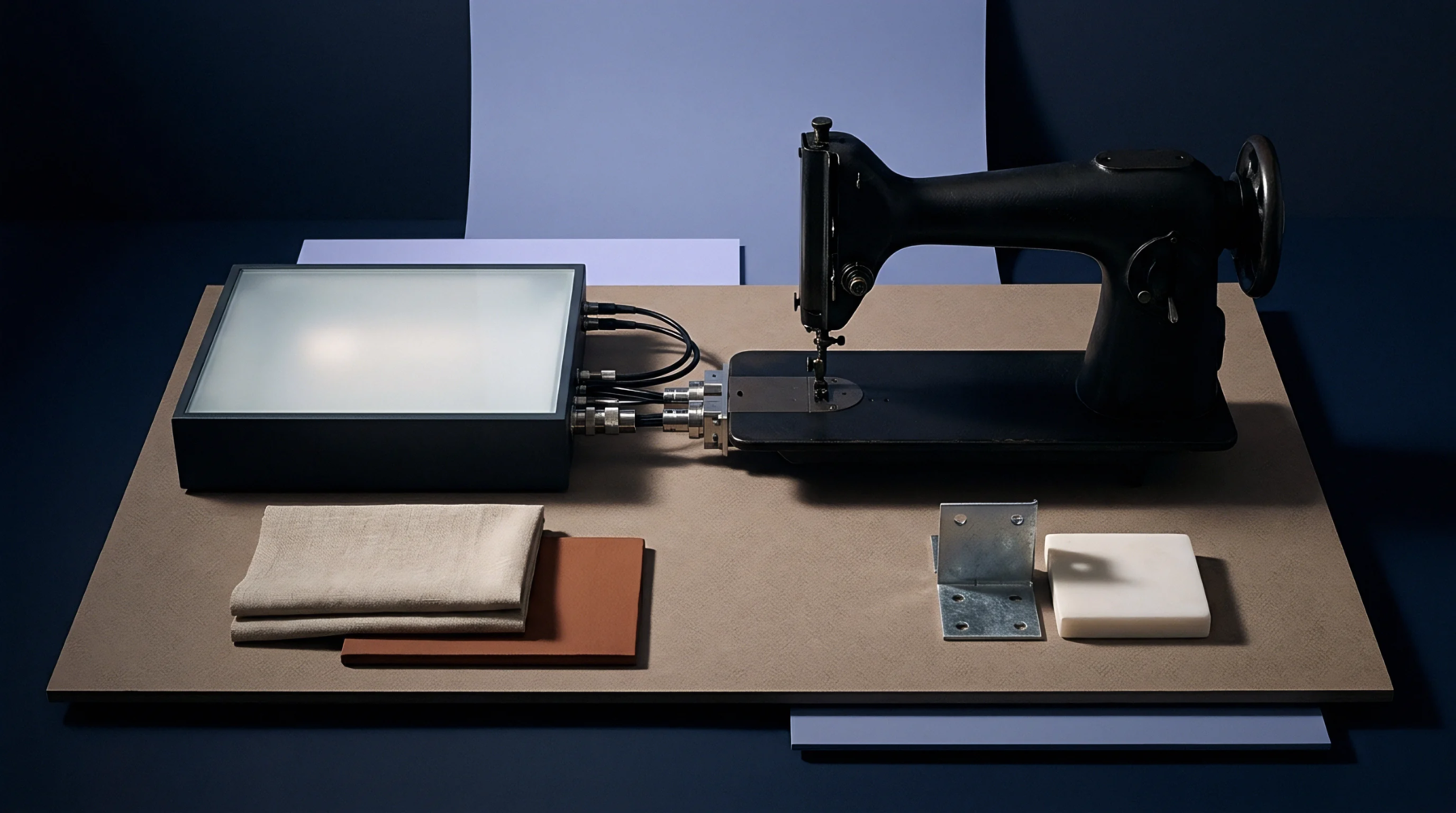
Calculating multi-machine allocation penalties in high-density flax weaving requires auditing loom sensor response times against interference efficiency formulas to penalize unabsorbed overhead and defect downgrades caused by operator overburden.

Resolving jacquard linen loom allocation disputes requires tying minimum order economics directly to harness setup hours, denting friction, and humidity limits.

Standardized four-point greige inspection prevents downstream finishing losses by enforcing objective ASTM D5430 defect scoring before cloth conversion.
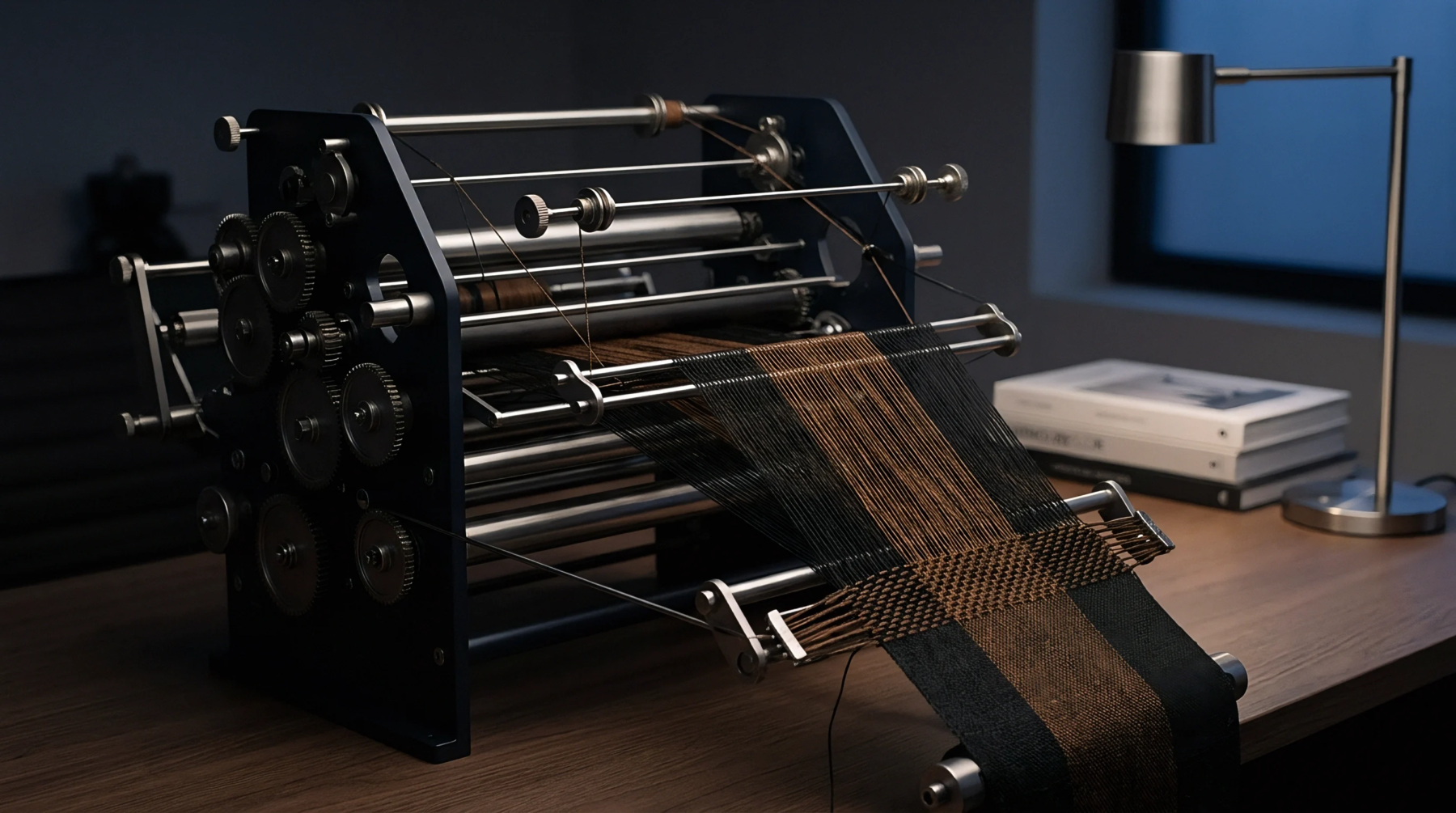
Seasonal Chinese loom allocation demands mapping construction pick counts into hourly machine costs to secure capacity before Q3 peak congestion.

Standard four-point greige perches require a 45-60 degree tilt, 1200+ lux D65 lighting, synchronized tension drive, and strict ASTM D5430 demerit point scoring.
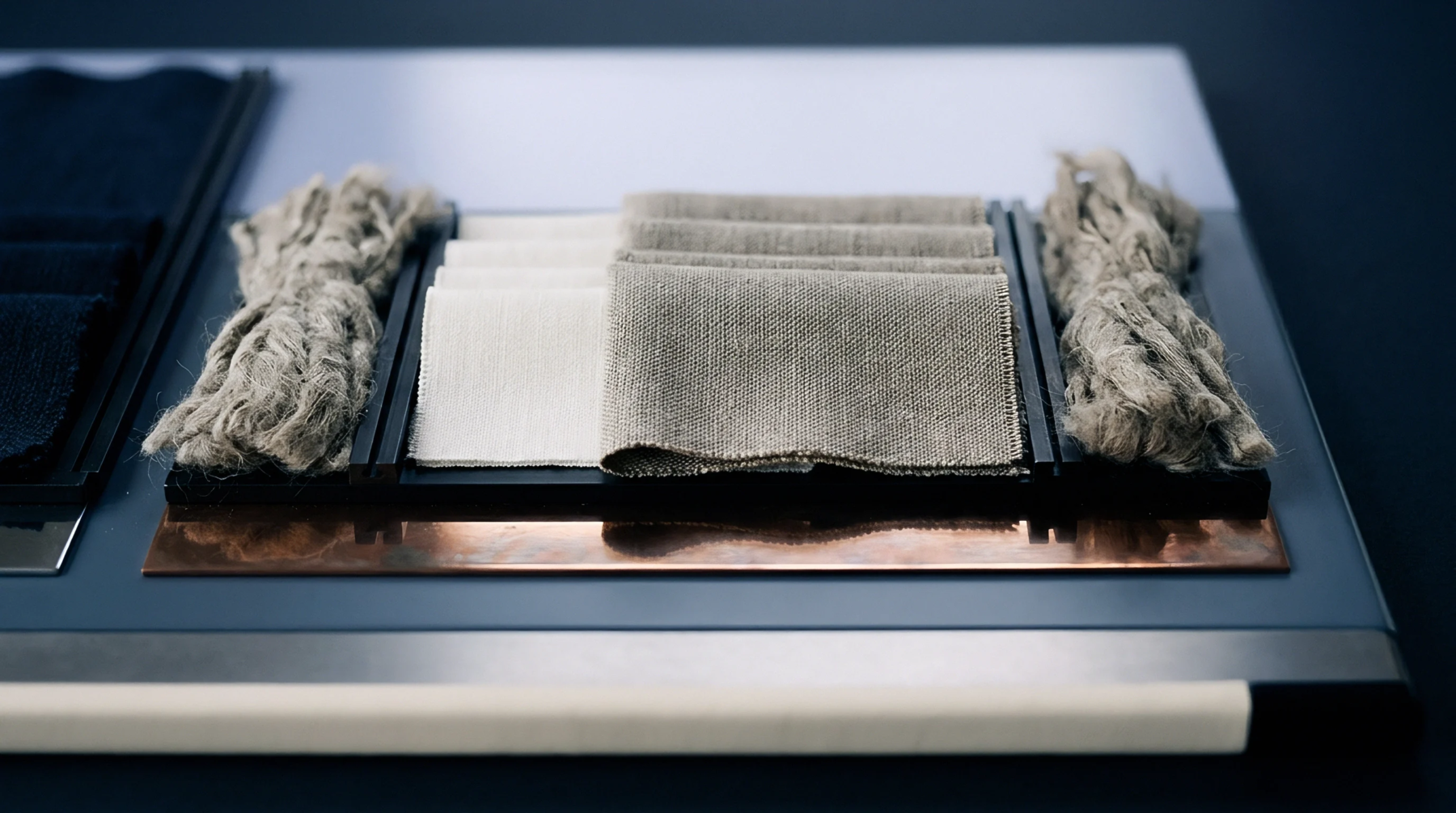
Dynamic localized psychrometric control sustains viscoelastic sizing compliance on bast warps, preventing film fracture and lifting loom speeds past 500 PPM.

Dense flax yarn stress decay stems from matrix shear along cellulose microfibrils, requiring active let-off compensation to prevent restart density defects.
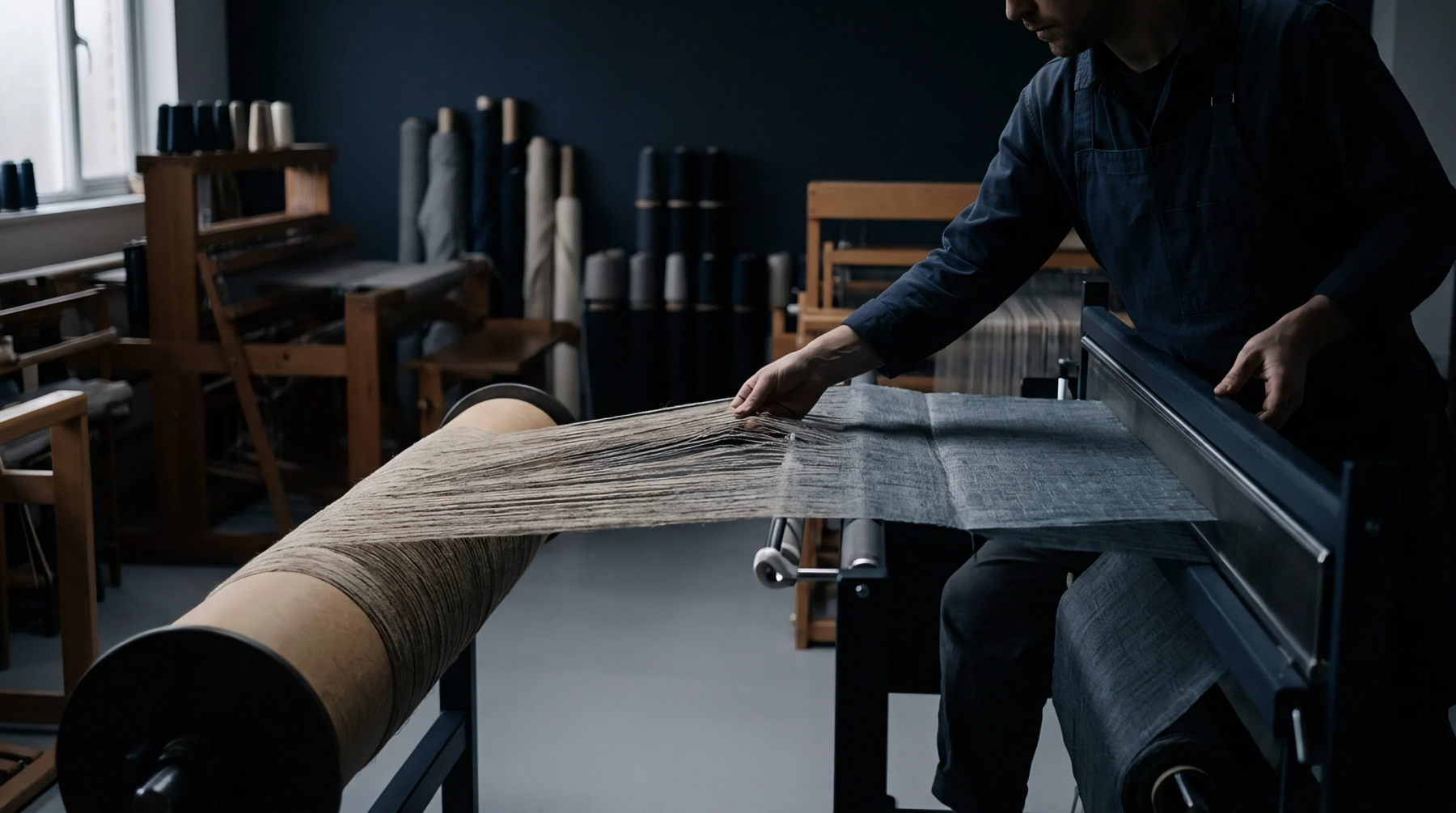
Weaver allocation balances labor wages against machine interference losses, where optimal loom-to-operator ratios maximize amortized shed efficiency.

Residual pectin above 3 percent prevents fiber bundle flattening, inducing premature mechanical yarn jamming that cuts rapier loom efficiency by 19 percent.
Dynamic viscoelastic friction transitions in wet bast yarns trigger severe stick-slip stops, demanding rigid moisture control to protect loom efficiency.

Optimizing bast fiber warp regain between 11.5 and 12.5 percent through targeted shed psychrometrics maximizes yarn elasticity, cutting warp breaks and loom downtime.

Dynamic shedding cycles degrade inelastic linen sizing films, inducing viscoelastic warp creep, starting marks, and avoidable stop frequency losses.
Resolve ultrafine flax warp fatigue by combining asymmetric low-lift shedding, core-penetrating starch-PVA sizing, DLC eyelets, and 70 percent shed humidity.
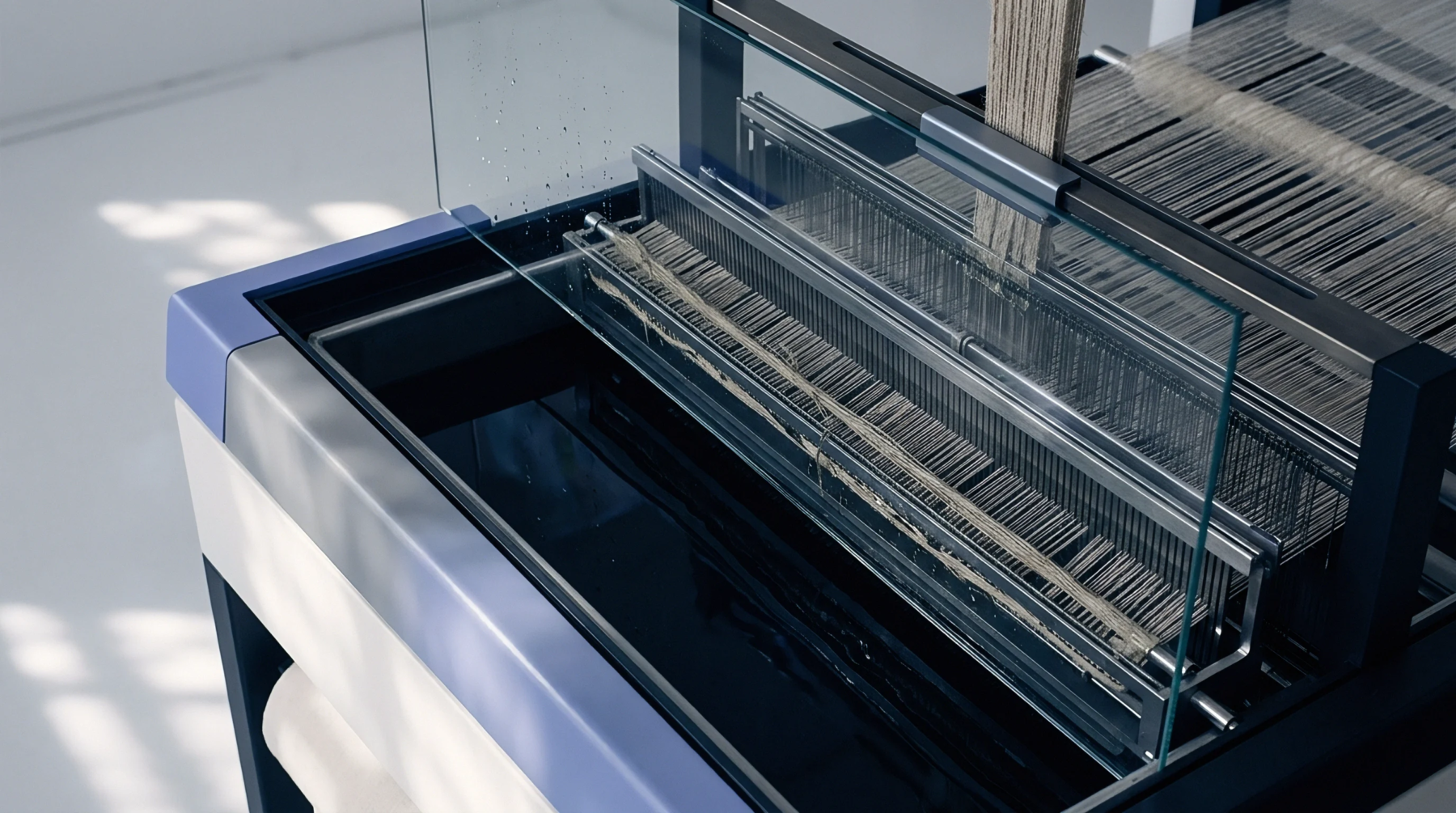
Locking jacquard linen capacity requires booking minimum warp beam lengths of 1,200 metres and balancing pick densities to protect low-elasticity flax yarns.

Dynamic friction and lateral harness splay create wide-width warp tension gradients, requiring viscoelastic modeling to prevent edge breaks and defect scrap.

Controlled moisture regain between 10.5 and 12.5 percent combined with dynamic load-cell let-off feedback prevents brittle warp breakage in high-speed linen weaving.

ASTM D5430 greige grading caps penalty points at four per yard and rejects lots exceeding contractual demerit ceilings per hundred square units.

ASTM D5430 Option B divides defect points directly by linear meters, requiring width-adjusted thresholds to prevent wrongful rejection of wide linen goods.

Resolve linen grading disputes by locking inspection light to 1200 lux, separating natural flax slubs from loom faults, and defining width-loss calculation rules.

High sett linen cuts loom output up to 66 percent, requiring overhead costing shifts from linear metre pricing to audited machine hour capacity absorption rates.
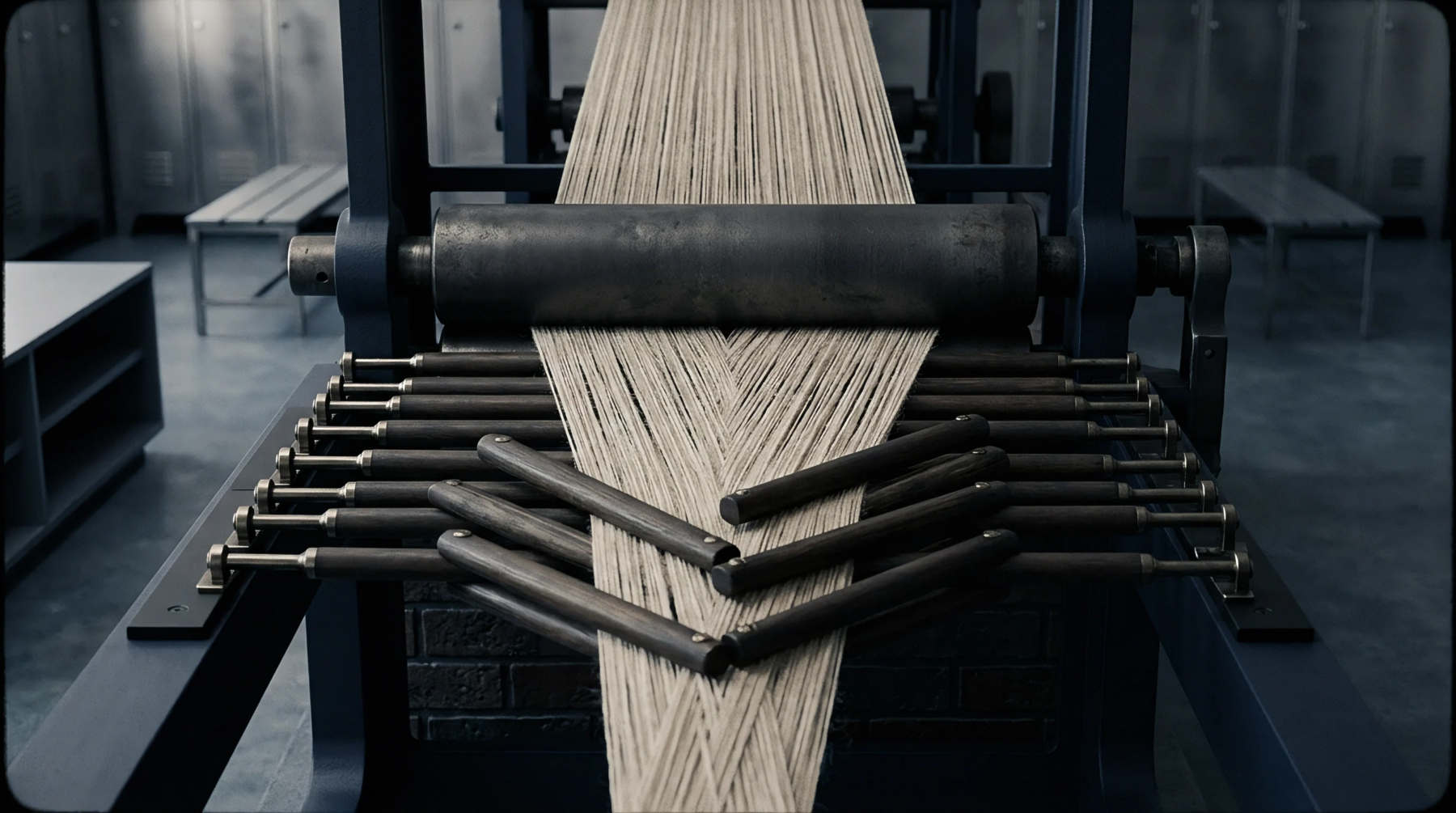
Dynamic back rest damping and precise electronic let-off control keep rigid flax warp tension within a 45 cN limit to prevent end breaks at high speeds.

Dynamic PID let-off loops must counter flax hygroscopic shrinkage by tracking real-time backrest load rather than mechanical pick accumulation.

Optimal greige cloth inspection requires a 45-60 degree bed tilt, 1500-2100 lux illumination, and closed-loop tension to enforce ASTM D5430 grading standards.

Linen twill defect scoring calculates points per 100 square metres to balance natural flax slubs against loomed structural faults for objective grading.
Expertise is a utility, not a secret. sentiention™ publishes its working knowledge as open reference: intelligence layer covering the materials it sources, the markets it enters, and the reference that serves both.