Standard Operating Inspection Protocol for Four Point Greige Scoring
ASTM D5430 four-point scoring normalises greige defects per 100 square yards, capping penalties at four points per yard to decide lot acceptance.


Rig
Greige inspection happens on an illuminated, forward-tilt perch positioned between the off-loom batch winder and warehouse staging racks. The physical setup determines whether an inspector catches warp-tension variations, fine reed marks, or faint oil misting before thousands of running metres move unchecked into scouring. Perches sit at a fixed 45-degree angle relative to the line of sight.
Variable-speed motor drives draw the uncoated web across a matte-black acrylic surface illuminated by overhead 6500 Kelvin daylight tubes delivering 1200 lux across the full reed width. Beneath it, backlighting panels behind an opal diffusion plate catch thin places, low-density faults, and broken picks that overhead illumination loses against the dark deck.
Drive roll speed sets detection reliability across a shift. On wide 100 percent linen tabby or high-density 2/1 twill, running faster than 15 metres per minute halves defect capture rates. At 12 metres per minute, an inspector reliably catches warp end run-outs, fine slubs, and mispicks within the primary field of view.
When greige widths open out to 180 centimetres or 220 centimetres, split viewing zones are needed: two inspectors stand side-by-side across a split cradle, or the drive drops to 8 metres per minute so one person can scan edge-to-edge across every pick.
Drive Calibration and Tension Control
Greige rolls come off the loom holding stress from let-off motions, temple drag, and take-up nip rollers. Feeding that cloth onto the perch without isolating tension skews length meters and disguises necking along the edges. Driven feed cradles with continuous load-cell feedback isolate the deck from roll inertia, stopping soft-twist wefts from stretching while holding heavy flax warps flat to the glass.
Illumination levels across the perch deck fall below 1100 lux when daylight tubes exceed their 2000-hour rated operating threshold.
Uncalibrated mechanical counters routinely create yardage disputes between mill delivery dockets and receiving tallies. Digital rotary encoders on precision-ground urethane wheels ride directly on the fabric face instead, tracking linear travel within a 0.1 percent tolerance. Encoder calibration is verified against a steel yardstick once per shift.
Slippage along slick selvages or high-crimp linen weaves produces encoder drift, skewing the area normalisation required for penalty scoring.
Warp tension across the perch has to stay light and even. Too much pull flattens the natural crimp, hiding loose picks and starting marks in dense linen weaves. Too little lets the web bag diagonally across the viewing zone, casting shadow lines that read as bad reed spacing.
A dual-roll dancer arm tied to the rewind inverter balances the pull, keeping the sheet flat and stable as it passes over the backlighting.

Optical Verification and Environmental Stability
Overhead lighting angles need close attention. Glare off raw sizing film or natural cellulosic wax blinds the operator to faint filling bands and foreign fibers. Fixtures house twin fluorescent or LED tubes behind parabolic louvers, directing light at 90 degrees to the inclined deck.
Secondary cross-lights mounted to the side frames cast a low grazing beam across the plane, throwing slubs, floats, knots, and snarls into relief.
Ambient conditions in the staging bay change how the fiber handles and what shows up under the lights. In unconditioned rooms where relative humidity falls under 45 percent, static builds on dry cellulosic or synthetic warps, curling selvages inward against the guides. Maintaining 60 percent to 65 percent relative humidity at 21 degrees Celsius keeps flax pliable, avoids brittle fiber breaks, and stabilizes moisture regain during inspection.
Drifts in humidity also distort gross roll weight, compromising mass-per-unit-area checks against mill specs.
Logs track drive speed, lux output, and encoder accuracy on every shift. Before starting a batch, the inspector logs room temperature, relative humidity, and core tare weights. Skipping those baseline checks leaves downstream grading vulnerable to argument.
Repeatability on the perch ensures a demerit given on Monday holds up if the roll is re-examined on Friday.
Running perch speeds at 28 metres per minute preserves daily throughput targets, but structural defect detection falls away sharply past standard inspection rates.

Scale
Greige grading relies on ASTM D5430 to translate physical flaw measurements into demerit points. Under the four-point system, penalties range from one to four based on length or diameter, covering both spot defects and continuous runs with a strict ceiling of four points on any single linear yard or metre. That cap keeps an isolated severe flaw from distorting the score for that unit length.
| Penalty Points | Defect Length in Imperial Units | Defect Length in Metric Units | Applicable Defect Types |
|---|---|---|---|
| 1 Point | Up to 3 inches | Up to 75 millimetres | Small slubs, pinholes, loose ends, short mispicks |
| 2 Points | Over 3 inches up to 6 inches | Over 75 mm up to 150 mm | Medium slubs, small knots, short drop wires, localized weft bars |
| 3 Points | Over 6 inches up to 9 inches | Over 150 mm up to 230 mm | Long slubs, broken picks, minor reed marks, oil streaks |
| 4 Points | Over 9 inches or any hole over 1 inch | Over 230 mm or any hole over 25 mm | Continuous streaks, heavy starting marks, torn selvages, structural voids |
Point tiers follow defect length directly. Faults up to three inches take one point. Flaws between three and six inches receive two points.
Anything over six inches up to nine inches draws three points, and disruptions longer than nine inches take the full four points. Open holes earn four points automatically once their diameter exceeds one inch, given the risk they pose to downstream tenter frames and automated cutters.

Dimensional Boundaries and Point Ceilings
Evaluating clusters within one linear increment requires strict spatial accounting. When several distinct defects appear within a single linear yard or metre, the inspector tallies each value separately but caps the total at four points for that interval. A six-inch oil spot sharing a yard with a two-inch slub yields three points rather than exceeding four.
For continuous defects, each consecutive yard affected takes four points along the entire run.
Full-width defects automatically draw the maximum penalty for each affected increment. A dense starting mark spanning 150 centimetres receives four points outright. If a stop mark leaves a visible density change across three consecutive picks, four points go against that linear yard.
When an irregular band stretches across two full yards, each yard takes four points, putting eight demerits on the tally.
ASTM D5430 caps the penalty point accumulation at four points for any single linear yard regardless of defect density.
Pinholes smaller than one inch take two points under standard rules, penalizing the chance that the hole will blow out during bleaching or dye padding. A broken warp end that runs out after an inch receives one point; an uncorrected missing end that runs five yards accumulates twenty points across five linear blocks. Perch tallies must record the exact start and end yardage for every four-point continuous defect.
Linear versus Square Yard Conversion Metrics
Gross demerit counts tell very little until balanced against roll area. Total points have to be converted into points per hundred square yards or square metres before comparing lots. A forty-point roll at 60 inches wide contains far more surface area than a forty-point roll at 36 inches, meaning the wider fabric has significantly lower defect density.
The conversion balances points collected, cloth width in inches, and inspected length in linear yards. In metric setups, width in centimetres and length in metres substitute directly. Omitting the cuttable width adjustment skews the resulting grade: if a mill calculates area using raw selvage-to-selvage width rather than usable fabric between the temple pin lines, the final normalized score looks artificially clean.
Purchase contracts for apparel linen generally set thirty-six demerit points per hundred square yards as the cutoff for first quality. Heavier upholstery constructions often work to a stricter ceiling of twenty-four points. Exceeding those limits triggers a commercial downgrade to second quality or an outright rejection.
Keeping those thresholds in mind allows an inspector to grade rolls decisively on the line.
Allowances vary between end markets, leaving regional standards subject to commercial negotiation between trading partners.


Anomaly
Effective inspection relies on diagnosing the shed mechanics behind every flaw. Loom-state defects trace back to warping preparation, heddle timing, reed alignment, shed geometry, or spinning irregularities. Inspectors classify each flaw by appearance, grain direction, and severity, noting whether the problem sits in the warp, weft, or selvage.
Distinguishing mechanical loom damage from natural fiber variance keeps penalty scoring accurate.
Warp-direction flaws originate in warping, sizing, drawing-in, or let-off control. A broken end shows as a sharp linear gap where a yarn failed before the stop motion tripped the loom. When a drop wire hangs up, that missing thread leaves an extended empty dent line.
Sizing build-up glues yarn clusters together, snagging in reed dents to produce fuzz balls, yarn chafe, and eventual warp breakouts.

Warp Defects and Mechanical Causes
Reed marks show up as fine, continuous streaks running parallel to the selvage down the roll. Bent, burred, or unevenly spaced reed wires crowd warp ends into uneven groups within the dents. On light linen weaves, a single damaged dent changes light reflection right through scouring and piece dyeing, leaving lines that stand out in finished garments.
Tight and loose warp ends point to tension discrepancies at the warping creel or uneven beam build. A tight end bears too much tension as the shed opens, puckering adjacent picks into a ridge along the fabric. Slack ends float through the shed, causing small loops, snarls, and irregular crimp.
Inspectors flag slack ends immediately because they tangle with adjacent yarns, splitting heddles and dropping picks.
Weft Faults and Insertion Failures
Weft faults occur during insertion, rapier handoff, nozzle firing, or bobbin changes. Starting marks remain the most damaging recurring filling defect on modern looms. When a machine stops for a repair, warp relaxation and mechanical creep shift the fell of the cloth backward or forward.
Upon restart, the initial beat-up cycle strikes at the wrong spacing, creating a dense bar or an open gap across the entire width.
- Starting Marks create wide horizontal bands of altered pick density that disrupt light transmission across the perch.
- Broken Picks leave partial-width voids where weft insertion failed partway across the shed.
- Double Picks happen when two filling yarns enter a shed opening meant for one.
- Slub Formations show as thick, uneven yarn segments introduced by uneven spinning or unblended short fibers.
- Oil Streaks appear as dark petroleum contamination dripped from overhead loom tracks or unsealed rapier drives.
Mispicks happen when harness frames lift out of sequence, locking filling yarns outside the intended weave interlacing. On dobby and jacquard looms, card errors or sticking solenoids can repeat mispicks across multiple metres. In a 2/2 twill, a single dropped harness changes the construction into an irregular basket weave, destroying the diagonal wale.
Every structural hole measuring over 25 millimetres incurs four penalty points under standard greige scoring rules.
Knot clusters and heavy splices stem from low-grade spinning or repeated yarn breaks during winding. Fisherman knots or air-jet splices that exceed yarn diameter by more than fifty percent catch in the reed dents, generating trailing warp snags. The inspector measures the knot body and trailing tails to assign one-point or two-point penalties according to length.

Selvage Irregularities and Edge Defects
Selvages anchor the web in tenter clips through wet processing. Weak or irregular edges compromise finishing runnability and cause tear-outs in continuous dye ranges. Broken catch cords, ragged tuck-ins, and overtight leno bindings distort tension, producing scalloped or ruffled edges that curl inward across the inspection rollers.
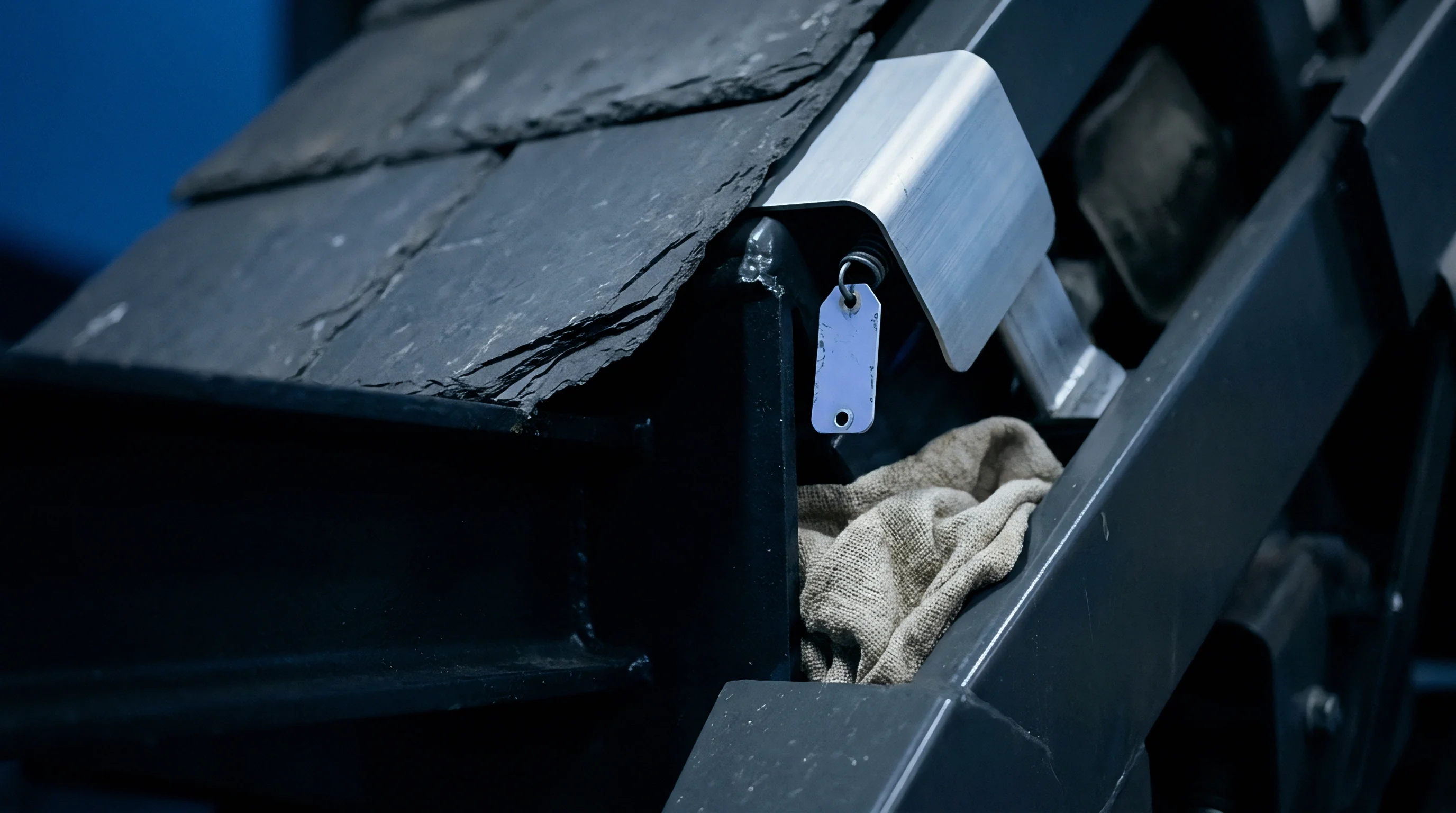
Temple marks come from worn rubber rings or overly aggressive brass pins on the loom temples, which hold the cloth out to full reed width against beat-up contraction. Damaged pins punch small, ragged holes along the margins within two inches of the edge. If those punctures spread into the cuttable width, the inspector enters four-point penalties for continuous edge damage.
Dense starting marks do not wash out during wet finishing or compressive shrinkage; the altered pick spacing remains set in the finished fabric.

Tally
Perch calculations convert raw demerits into standardized ratings for each roll and shipment. The four-point formula calculates points per hundred square yards or square metres, establishing an objective basis for receiving or rejecting goods. The math accounts for variable piece lengths, cuttable widths, and contract tolerances, starting with accurate defect tracking on the perch tally sheet.
How Is Area Normalisation Calculated on Greige Rolls?
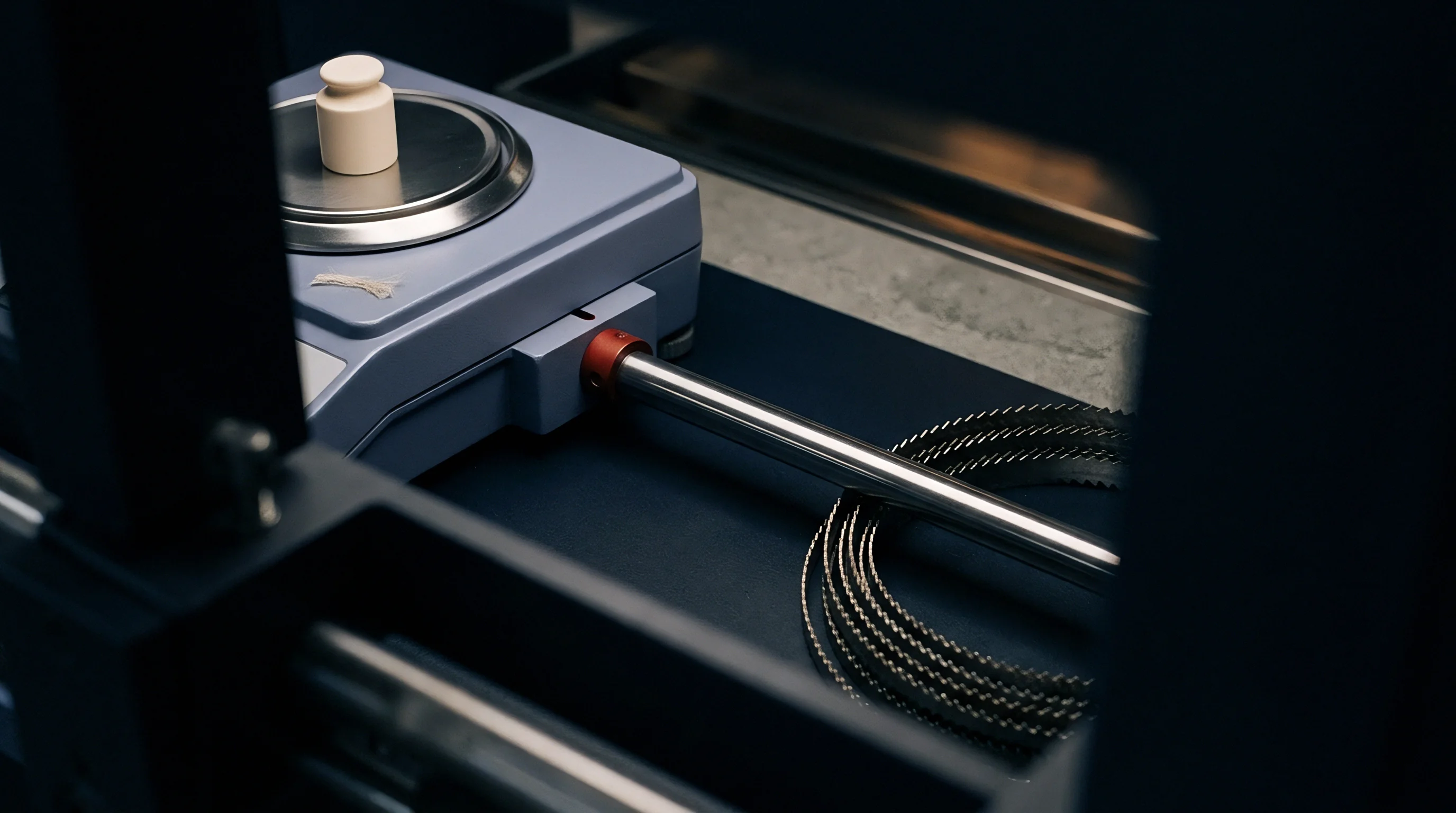
Normalising defect counts against total area keeps wide or long rolls from being penalised unfairly against narrow sample cuts. The imperial formula multiplies total demerits by 3600, then divides that figure by inspected linear yards multiplied by cloth width in inches. The constant 3600 reflects the number of square inches in one hundred square yards.
Metric mills use a constant of 10,000 to scale measurements to one hundred square metres. The calculation multiplies total points by 10,000 and divides by linear metres multiplied by width in centimetres. Both approaches produce an area-adjusted figure that allows direct comparison across different weave lots.
| Roll ID | Length | Width | Total Demerit Points | Normalised Score | Commercial Disposition |
|---|---|---|---|---|---|
| Roll A-101 | 120 linear yards | 58 inches | 32 points | 16.55 pts / 100 sq yd | First Quality Accepted |
| Roll A-102 | 140 linear yards | 60 inches | 78 points | 33.43 pts / 100 sq yd | First Quality Accepted |
| Roll A-103 | 95 linear yards | 54 inches | 62 points | 43.51 pts / 100 sq yd | Second Quality Downgraded |
| Roll A-104 | 150 linear yards | 59 inches | 96 points | 39.05 pts / 100 sq yd | Second Quality Downgraded |
The calculation for Roll A-101 illustrates how raw demerits translate into a final rating. Multiplying 32 points by 3600 yields 115,200. Dividing that by the product of 120 yards and 58 inches (6,960) produces 16.55 points per hundred square yards.
Because that score sits well below the typical 28-point ceiling, the roll passes as first quality.

Lot Accumulation and Cut-Out Rules
Lot evaluation rolls individual tallies into a weighted average for the shipment. A delivery clears inspection when the combined score stays under the contract limit and downgraded rolls represent less than five percent of total yardage. Even when individual rolls pass mathematically, dense localized defect clusters give the buyer cause to reject those specific pieces.
Continuous four-point defects running longer than three yards require a cut-out. When an oil streak or major warp smash ruins a section, the mill cuts out the damaged length and splices the clean ends together. Contracts limit how many short lengths may be joined: standard terms allow no more than two pieces per roll, with neither piece shorter than thirty linear yards.
Individual rolls scoring above forty points per hundred square yards trigger immediate second-quality commercial classification.
The buyer absorbs significant freight costs on raw linen twill when an audit team discovers that the mill omitted uninspectable roll ends from its summary report. Those uninspected roll heads often carry heavy oil spatters from loom setup cycles. Accounting for every linear metre from the outer wrap down to the cardboard core keeps tally sheets accurate and defensible.
Demerit logs track flaw coordinates along the roll length, allowing cutting rooms to nest pattern pieces around known defects. Barcode tags linked to inspection data let automated spreaders skip marked defect coordinates. Clean tallies protect both the weaver and the cutter from unforeseen fabric loss.
Tally calculations hold up only when calibration records align with physical yardage checks across every inspected roll.


Splice
Sampling plans balance inspection labor against the risk of accepting off-quality greige. Unrolling every piece across thousands of loom hours backs up finishing schedules and ties up dock space. Instead, mills and buyers rely on acceptance sampling plans like ANSI/ASQ Z1.4 (ISO 2859-1) to evaluate lots systematically, checking a defined share of rolls to maintain statistical confidence while keeping goods moving.
Standard protocols require pulling ten percent of shipment yardage on routine re-orders with established mills. With new yarn sources, re-rigged looms, or unfamiliar flax fiber, the inspection rate increases to twenty-five percent. If that initial sample fails the demerit threshold, protocol calls for a full one-hundred-percent inspection across every roll in the lot.
Sample Roll Selection and Bias Prevention
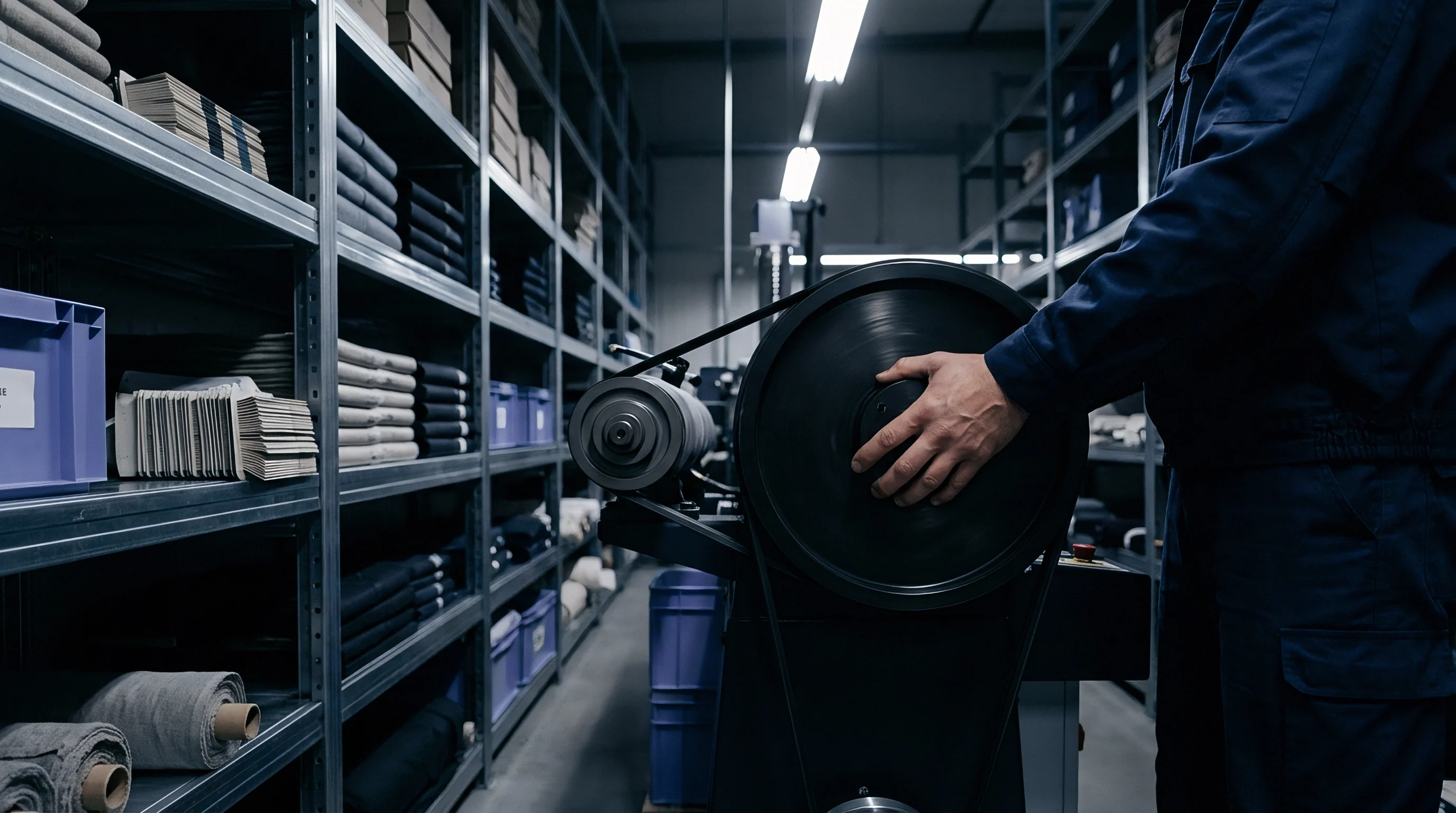
Random sampling stops mills from staging hand-picked rolls on the perch. Inspectors pull sample rolls directly from random pallet positions, selecting across different weaving sheds, operating shifts, and production dates. Sampling across diverse loom sets captures variations in reed wear, loom tuner adjustments, and yarn lots.
- Pull Ten Percent of total shipment rolls across diverse loom numbers and weaving shifts.
- Stage Master Rolls in an environmentally controlled bay for four hours before unrolling.
- Inspect Full Lengths at controlled perch speeds without skipping inner core wraps.
- Calculate Roll Scores using standard area-normalized mathematical formulas.
- Compare Batch Averages against contract limits to determine lot acceptance or rejection.
Visual checks confirm that selected rolls carry intact tags and clear mill face stamps. The inspector records tare, gross weight, and fabric width at the start, middle, and end of each roll. Checking width across three positions reveals any necking caused by uneven temple tension.
What Governs Roll Splicing and Short-Length Limits?
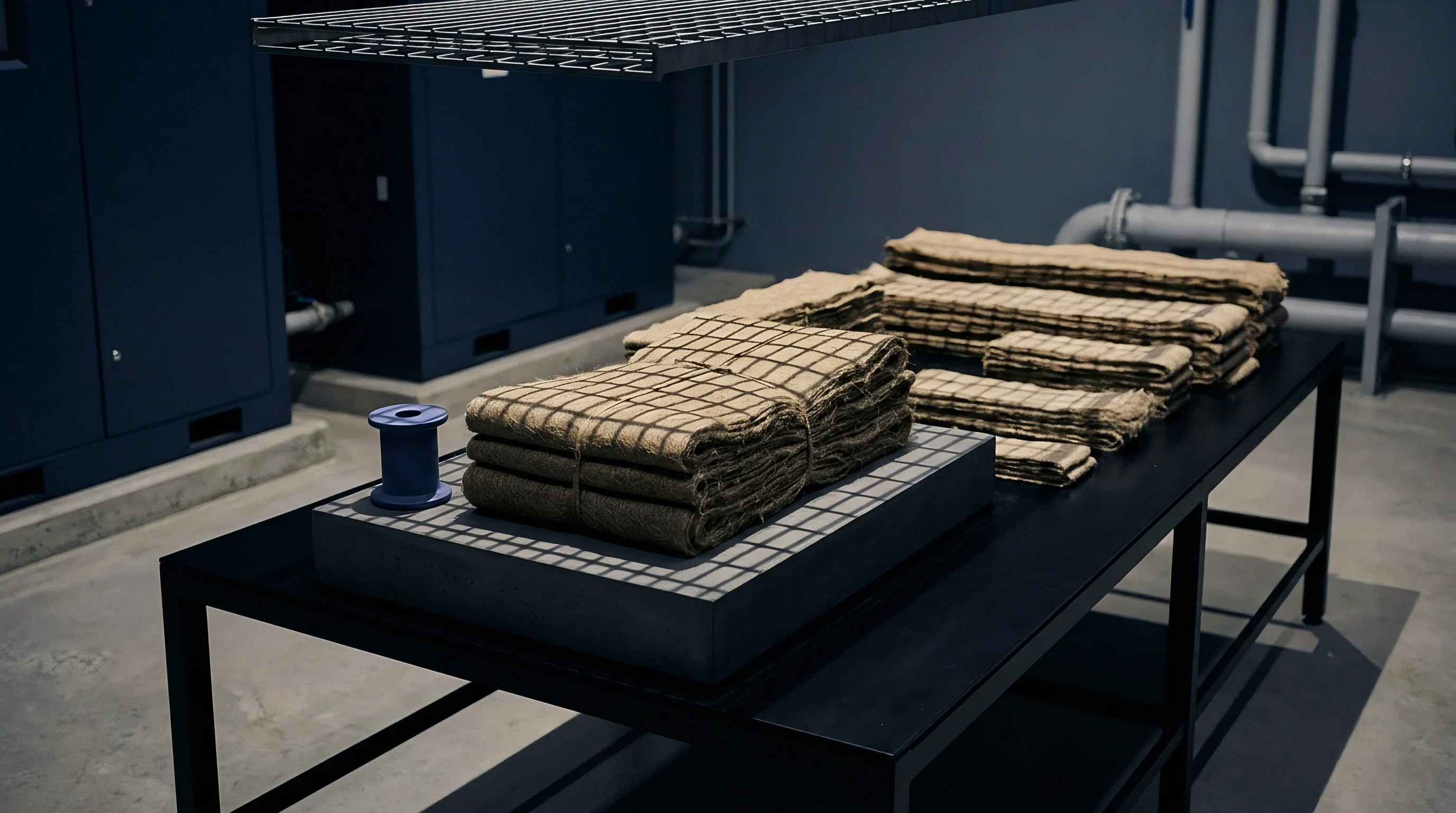
Splice rules govern how mills reassemble rolls after defect cut-outs. Once damaged fabric is removed, the remaining lengths must be rejoined into a single roll. Buyers routinely prohibit adhesive tapes or permanent glue, allowing only sewn joins, ultrasonic welds, or overlapping paper flags that release cleanly as goods unroll.
Contracts specify how many splices are permitted based on total piece length. A 100-metre roll may include at most one splice, dividing the roll into two sections of at least 30 metres each. Rolls under 60 metres must be delivered continuous, with no splices permitted.
Delivering fragmented rolls jams automated spreading equipment in garment plants, increasing scrap and driving up handling costs.
Delivery terms mandate that no individual fabric roll contain more than one spliced seam per one hundred linear metres.
Inspection protocols require noting the precise linear position of every internal splice. Finding an unflagged seam on the perch triggers a mandatory four-point penalty. Marking joins accurately lets cutting rooms lay out spreads without running into unexpected roll ends.
Under Section 8.2 of the master purchasing agreement, any lot failing initial ten-percent sampling goes to one-hundred-percent inspection at the seller’s expense.


Cargo
The final phase of the protocol governs grading, commercial settlement, and shipment release. Normalized scores across all sampled rolls feed into the batch inspection certificate. This certificate grades the lot as First Quality, Second Quality, or Outright Rejection, setting the terms under which the fabric clears the floor.
First Quality grading requires the overall lot average to stay below twenty-eight points per hundred square yards for apparel linens, with no individual roll passing thirty-six points. Rolls meeting that bar receive immediate clearance stamps for wet processing or export staging. Second Quality applies to lots averaging between twenty-nine and forty points, which triggers contractual price discounts between ten and twenty percent.

Commercial Disposition Thresholds and Downgrades
Shipments exceeding forty-five points per hundred square yards fall outside commercial tolerance, resulting in immediate rejection. The buyer issues a formal Notice of Non-Conformance within forty-eight hours of inspection, holding the cargo quarantined on the dock. The mill then chooses whether to re-inspect on site, negotiate a deeper markdown, or take back the goods at its own expense.
Severe local defect clusters can prompt the rejection of individual rolls even when the wider lot passes. An otherwise clean roll with five consecutive yards of four-point starting marks will be rejected outright on that run of defects alone. The mill must replace rejected rolls with certified first-quality fabric within ten business days to prevent line stoppages.

Dispute Settlement and Secondary Audits
Disputed tallies trigger joint audit protocols at an agreed independent testing laboratory. Both parties send representatives to watch a second inspection run on ten percent of the disputed lot, using the original perch angle, lighting, and speed settings. The independent laboratory’s score serves as the final, binding figure for invoice settlement.
Secondary audits often turn on borderline calls, like distinguishing acceptable linen slubs from uncombed trash. Technical specifications need to define allowable slub dimensions using standardized photographic templates. Clear visual benchmarks reduce disputes between mill technicians and receiving inspectors.
Greige inspection protects both parties by setting clear quality standards before yarn hits the loom. Systematic point scoring turns vague aesthetic disputes into verifiable metrics. Buyers enforcing disciplined inspection catch defects early, stabilizing downstream production and heading off costly processing failures.
Once signed and stamped, the inspection certificate and master bill of lading clear the verified cargo for release.