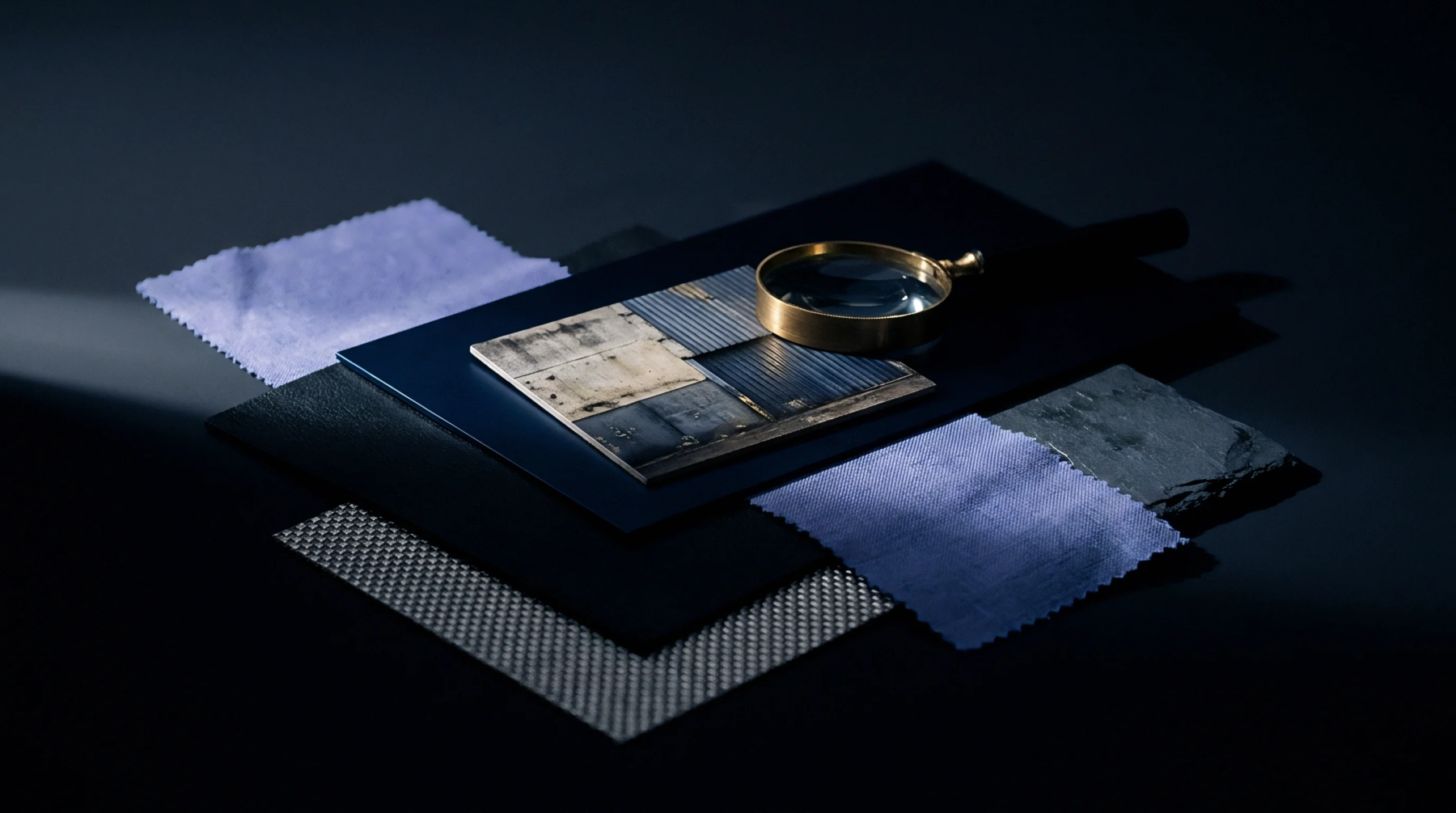
Diagonal Orientation
Textile construction defines the distinct pattern of parallel ribs generated by the offset sequence of yarn interlacing during the loom cycle. Linen twill employs a stepped sequence where each weft passes over at least two warp threads before returning under one, creating a durable cloth with superior drape and reduced wrinkling compared to plain structures. Flax fibres harvested in Northern China undergo standard rettings before spinning into yarns of specified tensile strength for this specific density.
Final inspection protocols for these exports record mass per square metre and diagonal angle consistency within a shipment technical specification document.
Structure Integrity
Variations in fibre origin influence the final count of the diagonal ridge across the fabric face. Consistency in the warp tension during the power loom operation determines the straightness of the twill line, which inspectors verify against reference swatches during final finishing stages. Buyers confirm the suitability of the material by testing the shear resistance across the bias compared to standard plain samples of identical weight.
Such testing reveals the capacity of the material to hold a shape under mechanical load.
Compliance Verification
Acceptance criteria for these textile products remain separate from the internal quality grades assigned during the spinning phase. Export mills follow specific documentation procedures to confirm that the yarn density and the interlacing ratio meet the purchase agreement. Independent testing confirms whether the physical properties of the fabric match the laboratory reports provided by the processor.
A correctly formed diagonal pattern guarantees performance standards for end users who require high resistance to abrasion in commercial upholstery applications.