
Imported Scutched Flax Landed against Domestic Chinese Fibre
Imported French scutched long line delivers higher hackling yield and lower yarn break rates, outperforming domestic Chinese flax on landed metre fabric cost.
Imported French scutched long line delivers higher hackling yield and lower yarn break rates, outperforming domestic Chinese flax on landed metre fabric cost.

Verify flax linear density using ISO 1973 cut-and-weigh gravimetry at standard 12% regain to accurately forecast wet-spinning limits and enforce contract pricing.

Resolving multi-site credit discrepancies requires separating voluntary mass balance ledgers from statutory physical batch origin declarations.

Classification between Chapter 53 flax and Chapter 63 made-up linen depends strictly on Section XI Note 7 edge finishing, sewing, and structural shape criteria.

Verify flax linear density using ISO 2370 cut length gravimetry on conditioned 50 mm bundles to prevent spinning end breaks and landed metre yield loss.

Evaluating scutched flax length distributions using comb arrays identifies short fiber fractions and predicts hackling line yield before spinning.

Customs tariff classification for flax requires precise verification of mechanical processing state, yarn twist insertion, and quantitative dry fiber mass composition.

Auditing spinning mill mass balance requires reconciling net dry fiber intake against yarn output, waste logs, and moisture adjustments across fixed audit windows.

Non-cellulosic content above 3.5% lowers hackling line yield, increasing tow waste and landed line fibre cost per finished metre.

Linen non preferential origin follows exact HS tariff shifts where spinning yarn confers 5306 origin and weaving cloth confers 5309 origin under customs law.

Specify long-staple line flax and wet spinning in purchase contracts to prevent spinners from substituting short tow fibre into ambiguous metric yarn orders.

Cross-border linen contracts allocate chain of custody discrepancy risks through lot specific warranties, mandatory mass balance audits, and immediate seller indemnity.

Lot-to-lot flax variance costed via hackling yield formulas protects mill margins by adjusting line sliver pricing before wet spinning.
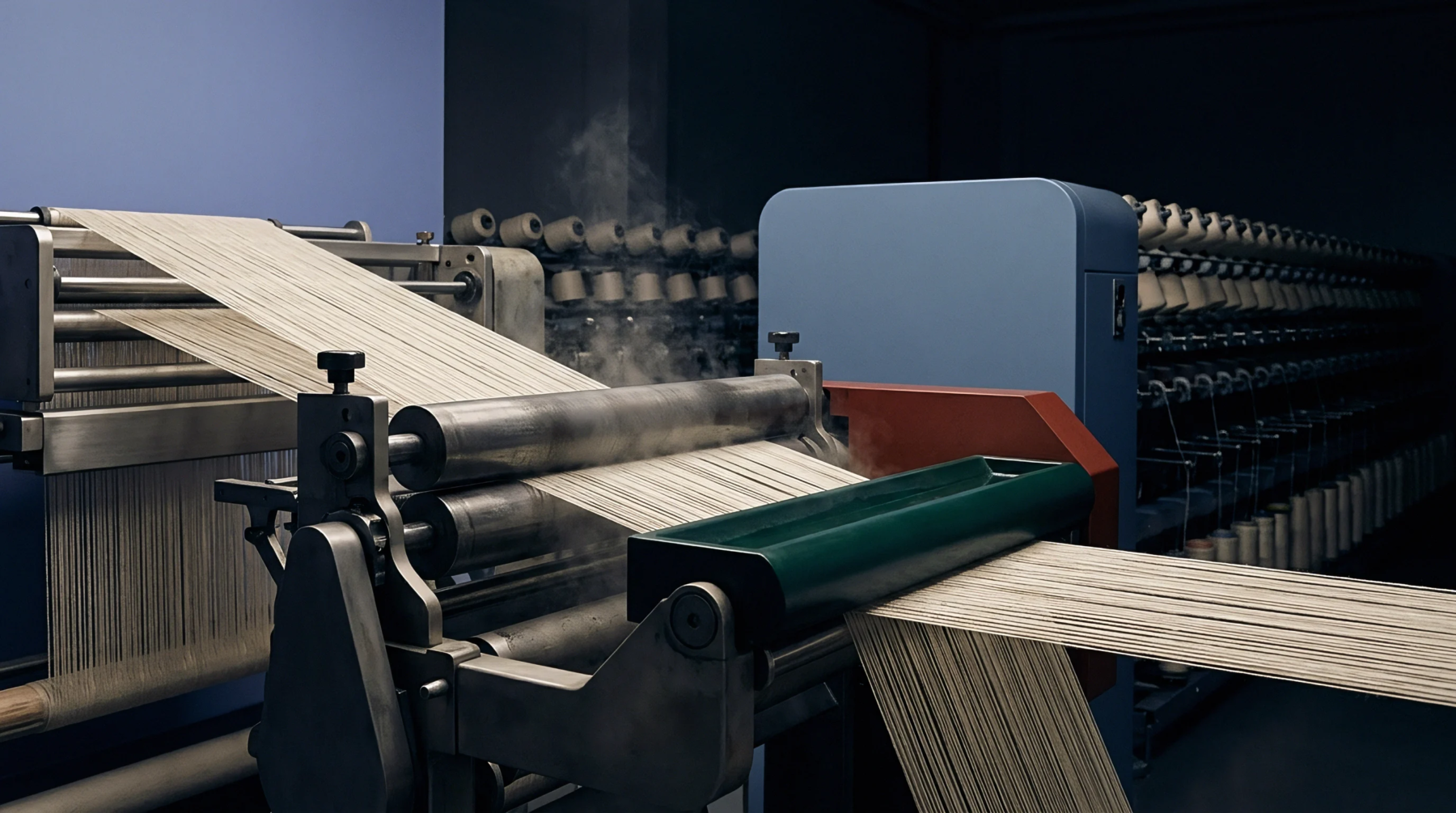
Commercial mass calculations based on ISO 6741 oven-drying protocols protect buyers from paying landed mass prices on sea-transit moisture uptake in flax.

Hackling yield calculations convert scutched line flax mass into spinnable sliver through precise moisture regain corrections and mechanical tow loss balancing.

Optimizing hackling pin density requires matching pin pitch progression directly to the scutched flax length array to maximize fine line yield while preventing fibre breakage.

Commercial moisture adjustments convert raw flax scale weight to invoice weight using dry mass and the contractual twelve percent regain baseline.
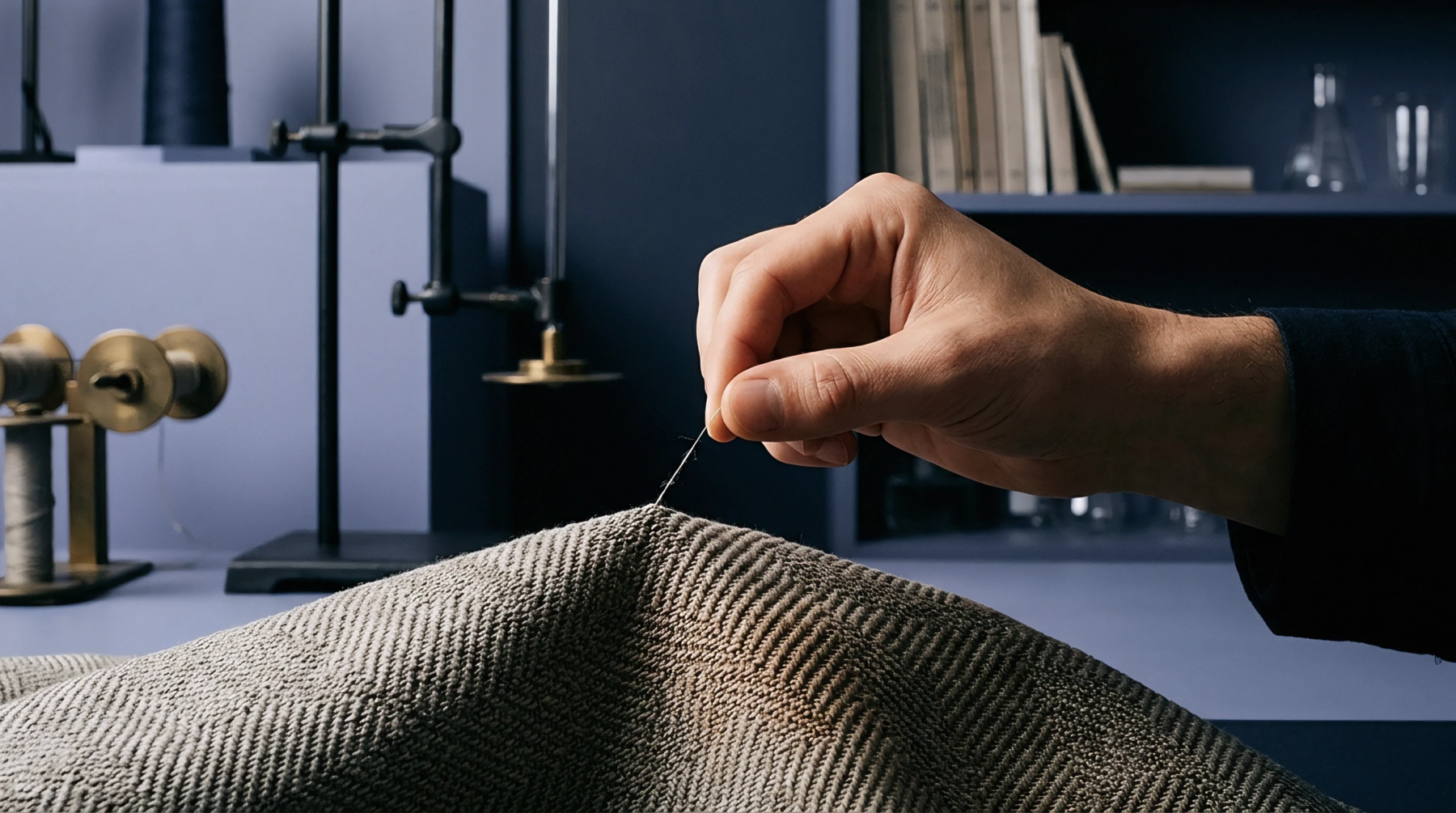
Multi-spectral optical image analysis of raw flax sliver enables real-time hackling comb adjustments, increasing long line yield by over 7 percent.
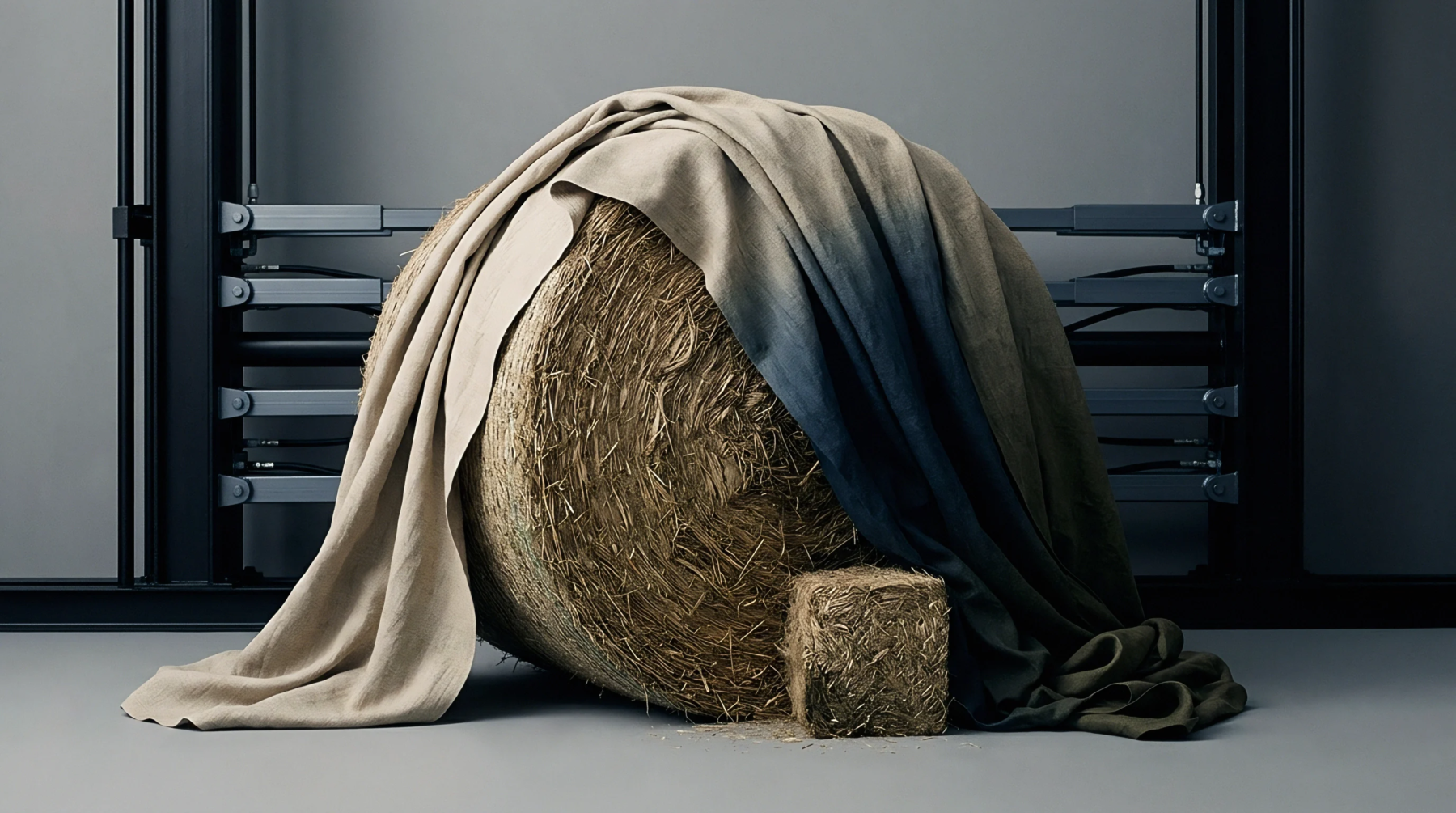
Landed linen metre cost depends primarily on hackling line yield, where each percentage loss in combed sliver inflates yarn preparation costs down the loom.

Mass balance certificates balance inventory on paper but offer zero proof of physical European flax containment in individual fabric bolts.

Landed flax contracts adjust invoice mass by converting quay scale weights to dry cell wall mass using ISO 6741 oven tests before applying 12% standard regain.
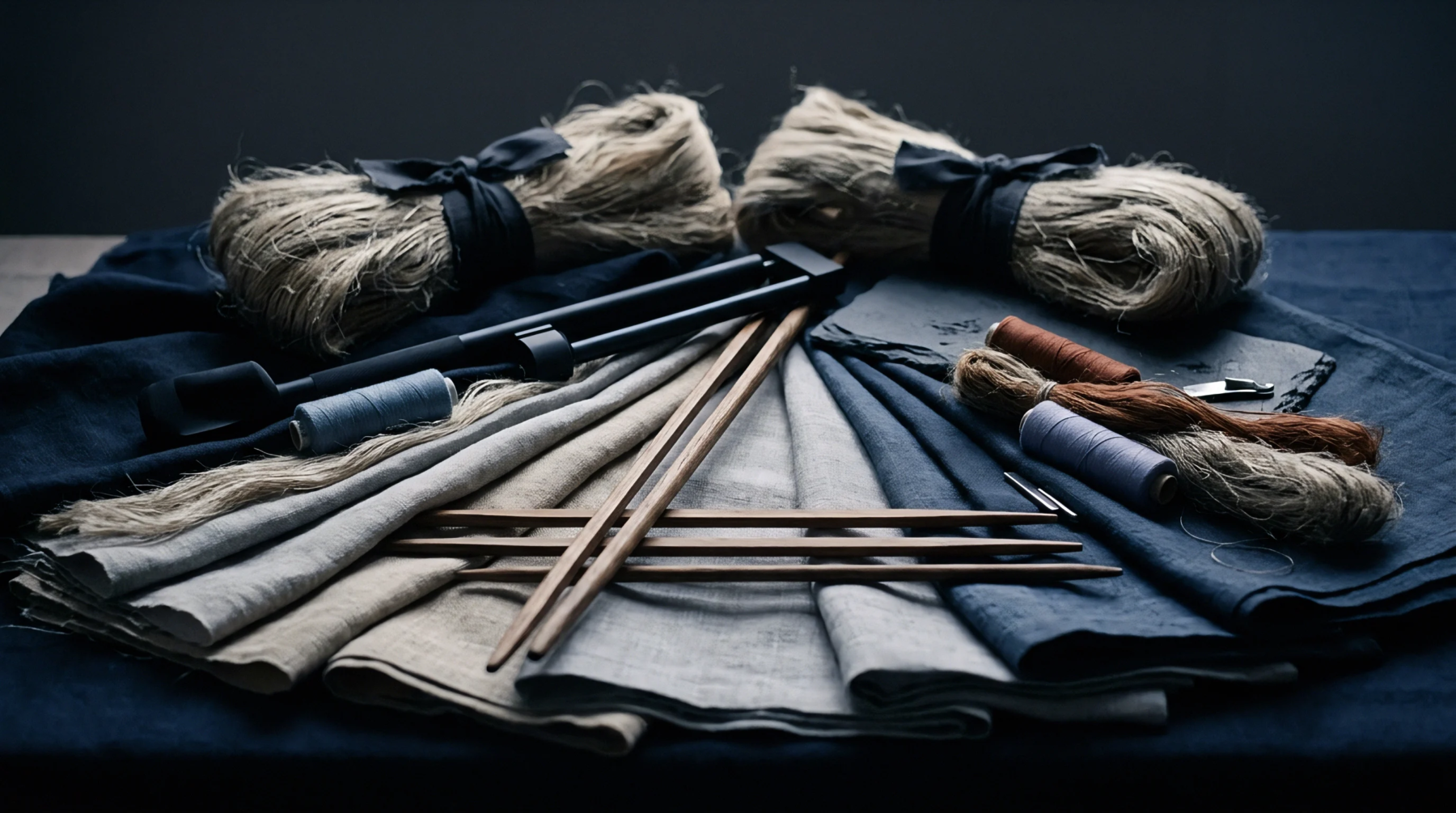
European Flax fibre spun in China retains certified raw material status under valid Transaction Certificates, but confers Chinese country of origin and forfeits Masters of Linen eligibility.

Flax fibre grading determines spinnable yarn count, where hackling yield and fibre fineness dictate wet-spinning efficiency and landed cost per metre.

Customs country of origin depends on transformation laws like spinning and weaving, making fibre certificates invalid as sole statutory proof.

Cut length flax gravimetric linear density variance triggers tiered commercial debits based on wet spinning draft limits and yarn count yield loss.

Auditing European wet spinning yield requires dry-mass standardization, pectin extraction accounting, and lot-level reconciliation across hackling and combing.
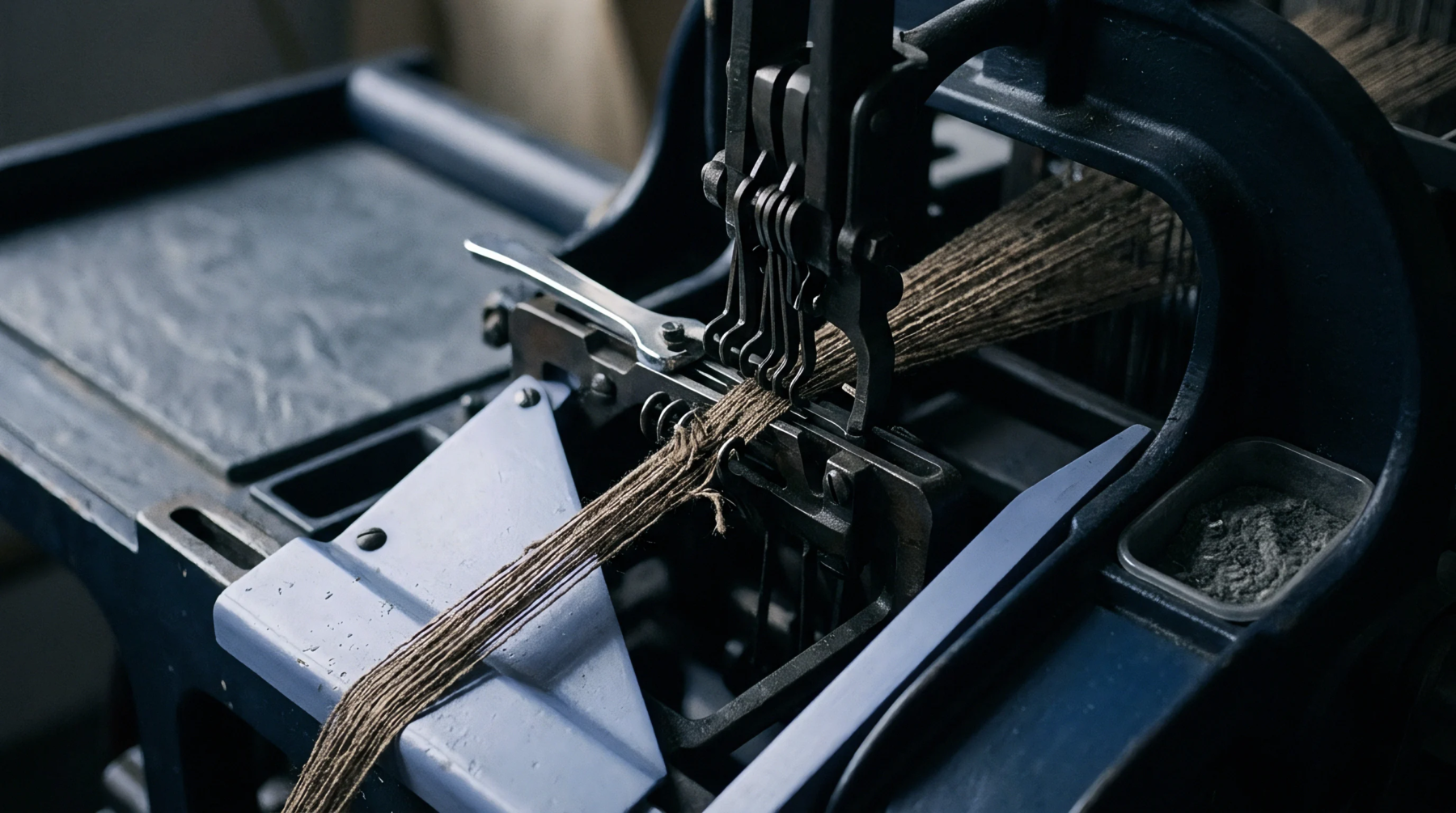
Non-European flax fiber substitution in transferred yarn stocks is capped at zero percent for pure European Flax and Masters of Linen claims.

Graduated hackling pin density increases flax sliver tenacity by splitting bundles until needle pitch falls below bundle diameter, causing fiber truncation.
Commercial mass adjustment corrects delivered flax invoice weight by calculating bone-dry mass via oven drying and applying standard regain allowances.

Comb array length analysis predicts hackling long-line yield, tow waste, and spinnable count limits to establish true landed cost per finished metre.
Expertise is a utility, not a secret. sentiention™ publishes its working knowledge as open reference: intelligence layer covering the materials it sources, the markets it enters, and the reference that serves both.