Structural Breakdown
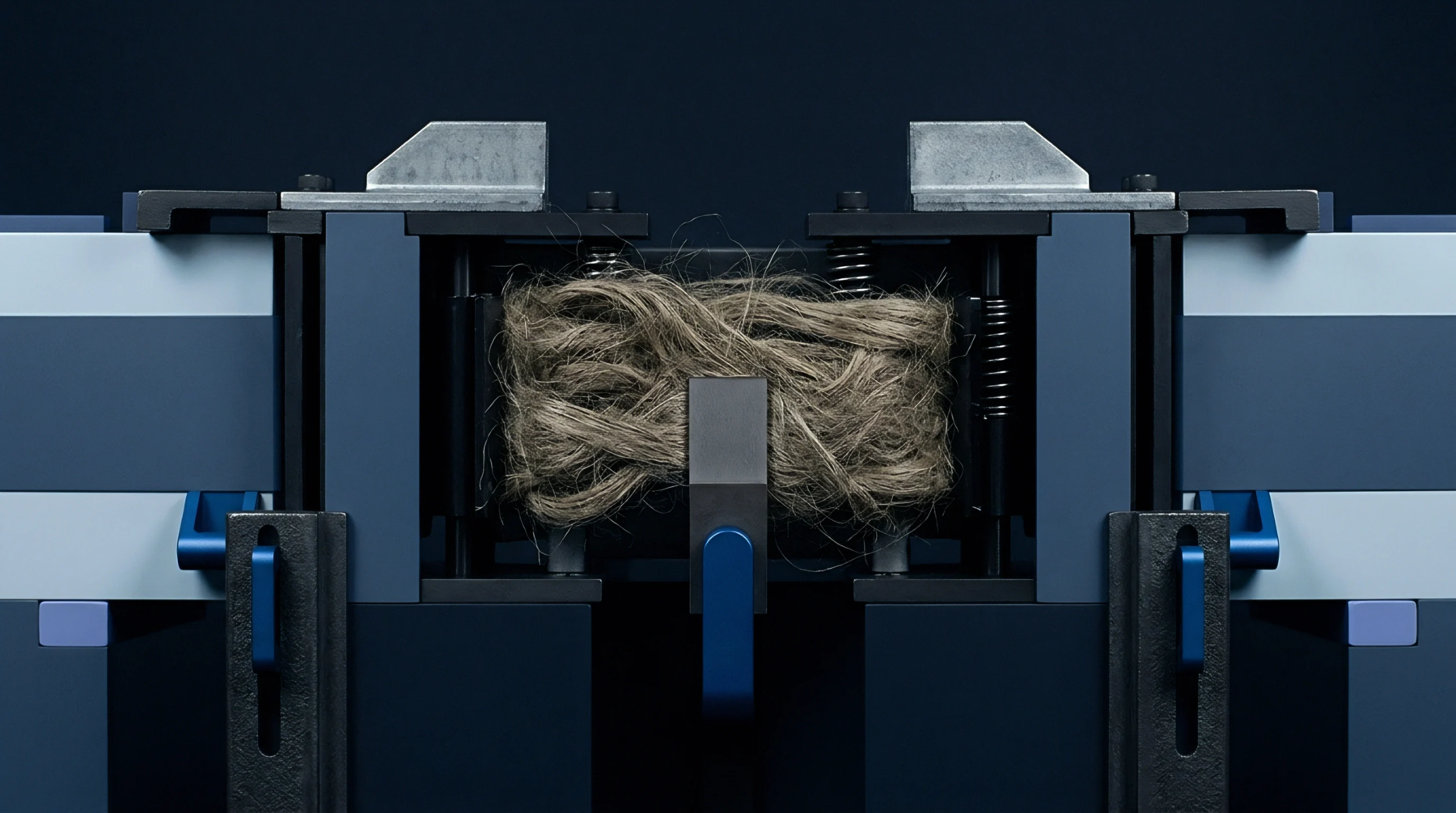
Physical breakdown of the bonding layer between adjacent plant cells in the flax stem. Middle lamella cleavage occurs when the pectin-rich interface between the fibres is broken down during processing. It represents the transition from a rigid plant structure to a flexible textile fibre.
Separation Mechanism
Enzymatic action during water retting is the traditional method for inducing this cleavage. Bacteria consume the pectins in the middle lamella, allowing the fibre bundles to be easily stripped from the core. In modern Chinese mills, chemical scouring with sodium hydroxide achieves the same result more quickly.
The degree of middle lamella cleavage must be carefully controlled to avoid damaging the cellulose of the fibres themselves. If the cleavage is incomplete, the resulting flax is coarse and difficult to spin into fine yarns.
Quality Influence
Extent of this separation directly affects the softness and the spinning limit of the linen. Full middle lamella cleavage allows the fibres to be drafted more finely and results in a smoother yarn surface. Insufficient cleavage leaves the fibres as wide, stiff ribbons that create a prickly feel in the finished fabric.
Technicians use microscopy to observe the cross-sections of the bundles and determine the success of the separation. Observation guides the duration and temperature settings of the chemical treatments.