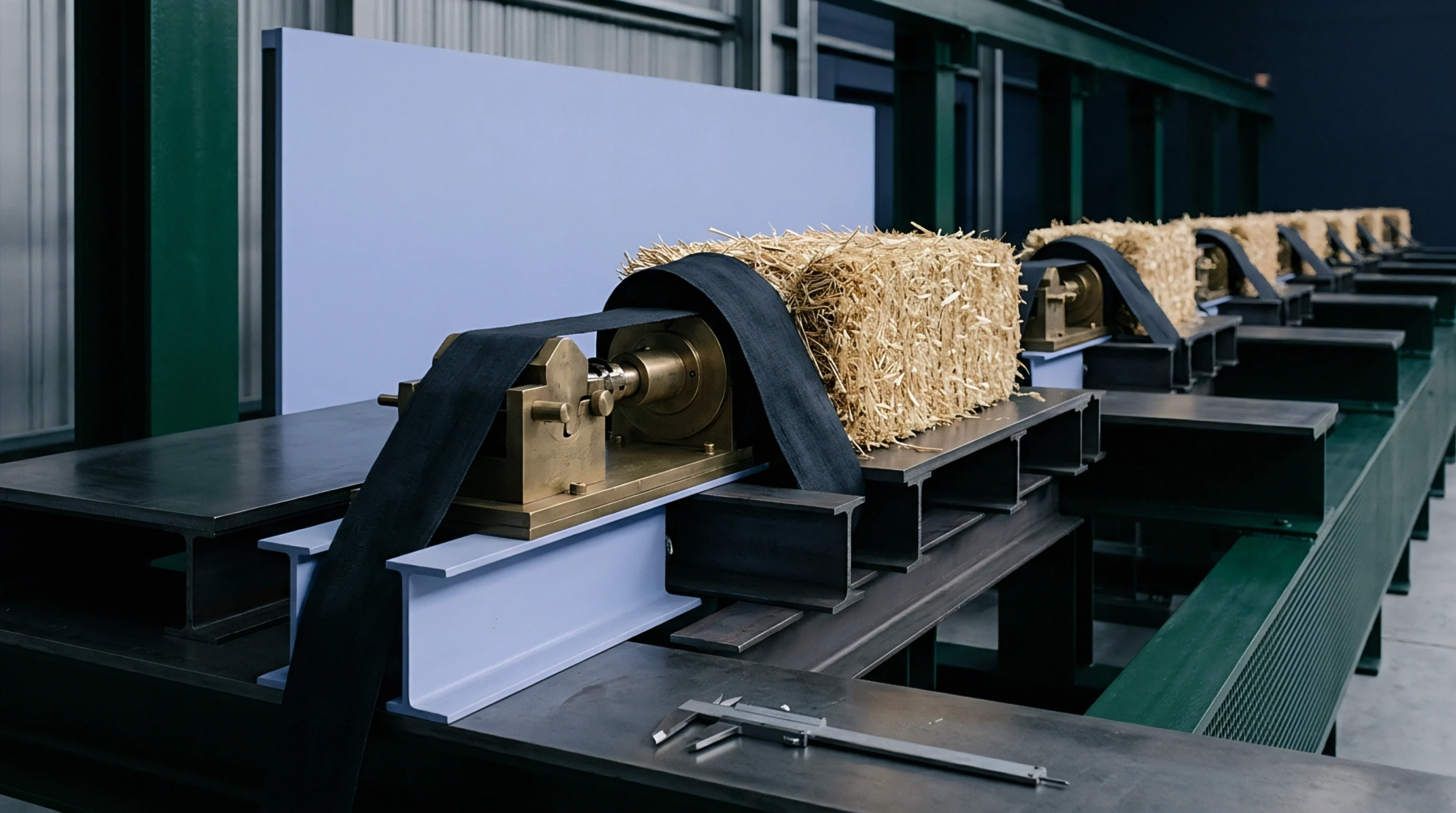
Determining Flax Commercial Mass from Desorption Testing
Commercial mass determination from desorption testing requires converting anhydrous dry mass to invoice weight using standard regain percentage allowances.
Commercial mass determination from desorption testing requires converting anhydrous dry mass to invoice weight using standard regain percentage allowances.
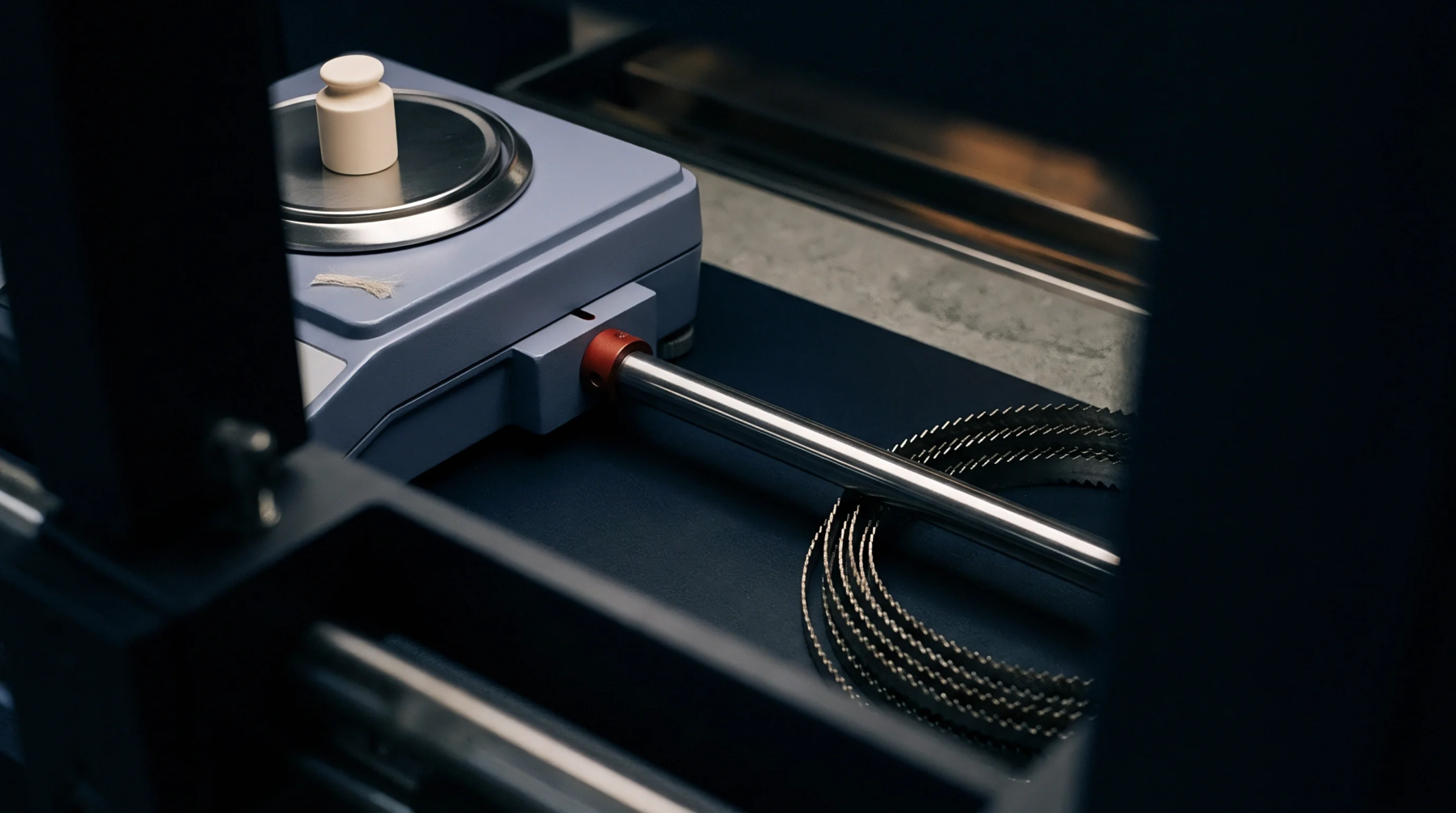
Commercial weight equals oven-dry mass multiplied by one plus agreed regain allowance, turning core lab desiccation into invoice billing proof.

Thermal degradation of non-fibrous flax impurities during 105°C drying inflates apparent moisture regain, mathematically erasing clean fibre from invoiced shipments.

Scutched flax moisture testing relies on oven desiccation at 105 degrees Celsius under ISO 2370 to adjust gross invoice weights to twelve percent regain.

Commercial mass calculation converts oven dry weight into billable trading weight using official moisture regain and non fibrous impurity allowances.

Non-enzymatic calcium chelators sequester cross-linking ions to suppress trough bath viscosity, reduce drafting force, and prevent roller lapping at high frame speeds.

Buoyancy corrections adjust scutched flax microbalance readings for shifting air density, preventing systematic tex errors and commercial lot mass discrepancies.

Enforce a 72-hour adsorption conditioning protocol with bone-dry mass normalization to eliminate pectin hysteresis drift in bast fibre linear density disputes.

Reconcile cross-border fiber logistics ledgers by converting gross weighbridge scale mass to certified commercial weight using ISO 6741 oven-dry core test values.

Mass balance yarn accounting requires empirical conversion factors adjusting for moisture regain, mechanical tow extraction, and customs processing loss limits.

Linen spinning yield calculates net long line yarn mass against raw scutched fiber inputs, bounded by a 42 to 52 percent mechanical and chemical conversion limit.

Flax moisture disputes require oven-dry testing under ISO 6741, enforcing financial adjustments when measured regain exceeds contractual deadbands by over 0.50%.

Non preferential origin for scutched flax depends on verifying where primary mechanical scutching transformed raw flax straw under specific tariff rule tests.

Enzymatic scouring weakens flax middle lamellae using pectate lyase, splitting bundle diameters from 80 to 25 micrometers to enable fine wet-spun yarns
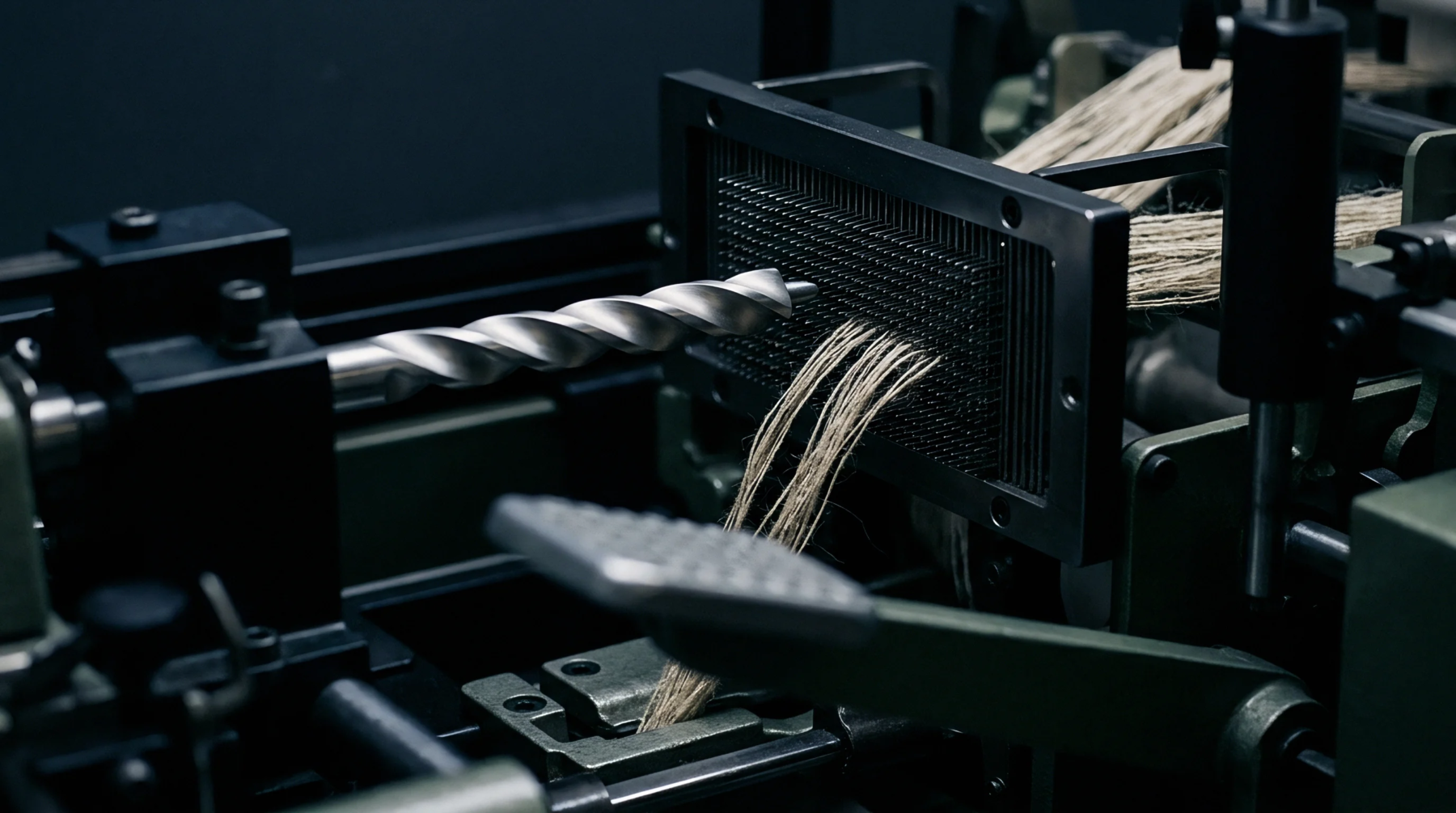
Scutched flax hackling requires progressive pin densities up to 20 pins/cm to maximize sliver tenacity without increasing tow loss or cutting fiber length.

Airflow porosimetry on cut bast stricks determines bundle fineness and spinnable count by measuring differential pressure across an isotropic chopped plug.

European Flax origin claims require batch-level transaction certificates matching mill mass-balance yields across line hackling and wet spinning stages.

Correlating line-scan bundle area variance with drafting force prevents spinning tension surges, cutting wet-spun yarn breaks and loom downtime.

ISO 22095 mass balance in linen spinning reconciles fiber intake against yarn yield administratively, permitting co-mingling while requiring paper mass balance.

Reconcile scutched flax mass balance ledgers by applying BISFA moisture regains, verified hackling yield fractions, and a rolling twelve-month credit window.

Standardizing raw flax container intake moisture regain requires core boring oven drying to adjust physical weighbridge scale tonnage to invoice allowances.

Selecting an 11.8-millimetre Pressley clamp gauge over zero gauge measures inter-filament pectin shear, yielding tenacity figures that predict flax spinning performance.

Reconciling hackling yield requires continuous mass balance records matching physical sliver, tow, and extraction waste to incoming scutched flax lot certificates.

Scutched flax line classification dictates hackling yield, bundle fineness, and wet-spinning count limits, establishing the landed cost per metre of cloth.

Field origin documentation requires cadastral straw intake manifests reconciled against scutching yields and verified transaction certificates per bale lot.

Ocean microclimates generate steep radial moisture gradients in dense flax bales, rendering single-core regain tests inaccurate for invoicing and spinning prep.

Standard commercial mass in scutched flax trading converts oven-dry weight to invoice mass using the agreed twelve percent moisture regain factor under ISO 6741.

Scutched flax line yarn suitability requires bundle fineness below 1.8 tex, shive under two percent, and uniform retting to prevent comb tow losses.

Mitigate Transaction Certificate latency by tying 15 percent of contract value to certifier registry release and establishing pre-cleared mass balance yields.

Flax hackling yield hinges on sorption history; desorption-path fibers hold higher internal moisture, cutting brittle breakages and shifting line outturn by 3%.
Expertise is a utility, not a secret. sentiention™ publishes its working knowledge as open reference: intelligence layer covering the materials it sources, the markets it enters, and the reference that serves both.