Determining Customs Tariff Classification for Unspun Flax and Woven Fabrics
Customs tariff classification for flax requires precise verification of mechanical processing state, yarn twist insertion, and quantitative dry fiber mass composition.

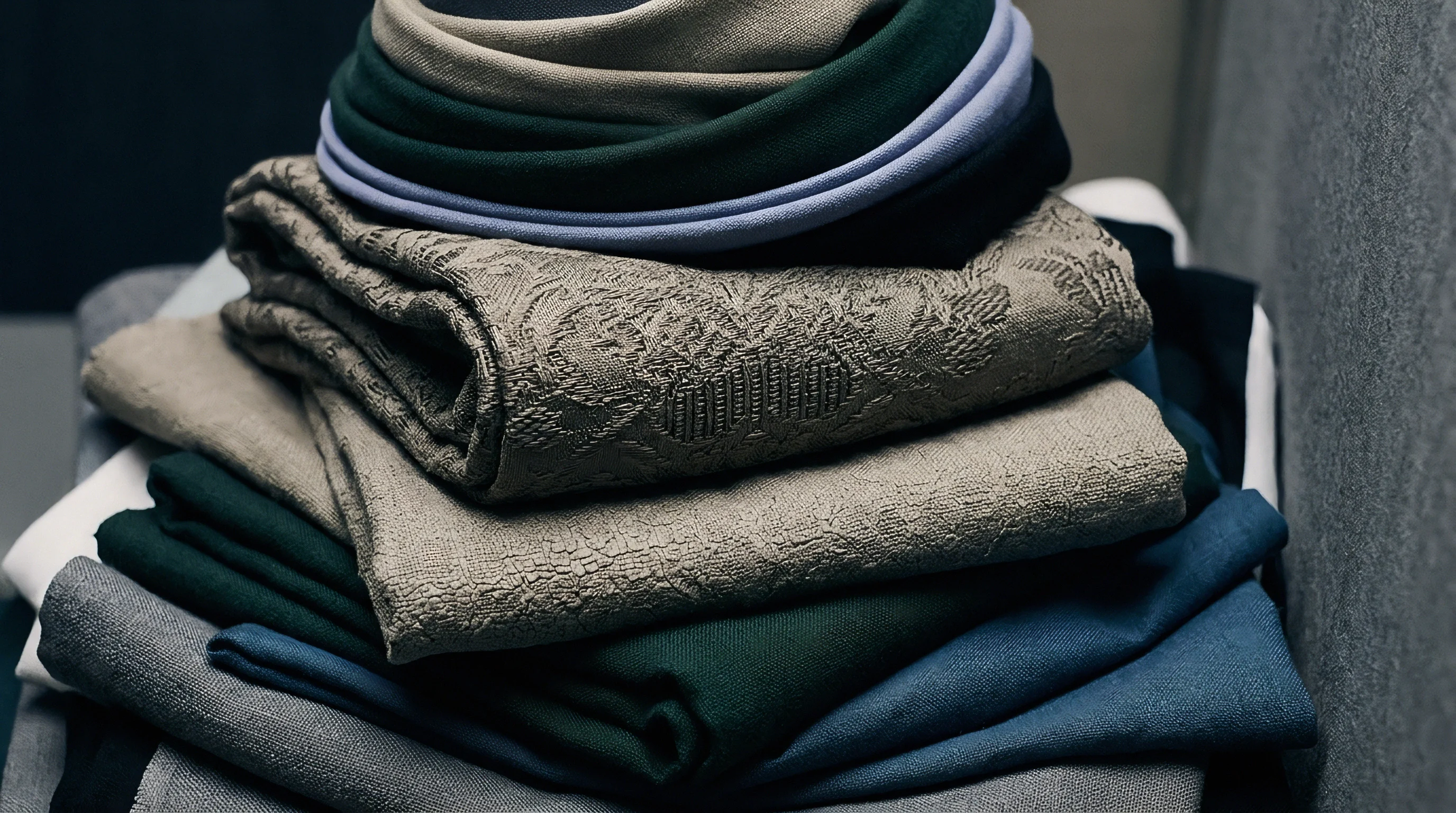
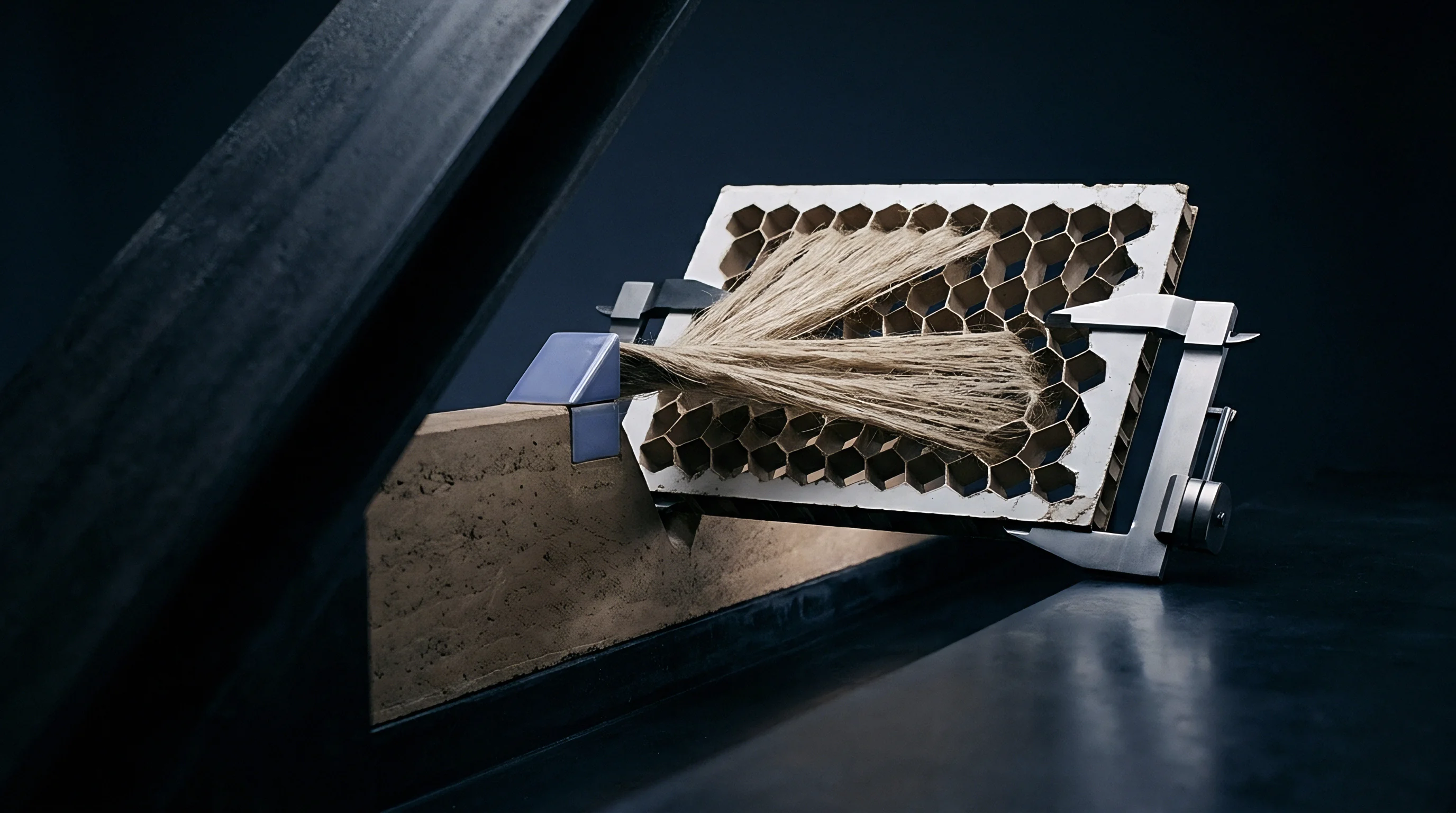
Bale
Customs entries for unspun bast fibers depend on the physical state of the fiber at clearance. Harmonized System heading 5301 covers raw, retted, scutched, hackled, combed, or otherwise processed flax, as well as flax tow and garnetted waste stock. To classify shipments under heading 5301, inspectors must verify that mechanical processing converted raw straw into unspun slivers or roving without crossing into true yarn structures.
That physical condition determines duty rates across international tariffs, where unspun stock faces distinct rates compared to fully spun single yarns.
Raw flax arrives at customs checkpoints after field pulling, retting, and drying. Retting relies on soil fungi or water immersion to break down the pectic substances binding bast fibers to the woody stem core. Dew-retting leaves characteristic dark specks and uneven moisture levels across shipments; water-retting yields a lighter, more uniform straw color.
Customs officers inspect raw straw under tariff subheading 5301.10. Declarations need to specify whether stems remain whole or have been stripped of seed heads. Because raw straw carries high bulk volume relative to usable fiber yield, it directly affects transport valuation calculations during port audits.

Scutched and Hackled Fiber Parameters
Scutching separates the woody core ~ known as shives ~ from the outer bast fiber bundles. Mechanical scutching mills pass broken straw through corrugated rollers and turbine beaters, yielding two distinct tariff commodities: long scutched fiber and short tangled tow. Long scutched flax falls under subheading 5301.21.
Customs authorities distinguish scutched fiber from raw straw by checking residual shive content. Clean scutched fiber contains less than 5 percent woody debris by weight. Tow generated during scutching contains high shive fractions and entangled fibers, placing it under subheading 5301.30.
Hackling aligns scutched long fiber into parallel ribbons while removing remaining shives and short broken fragments. The resulting hackled flax represents a refined unspun state under subheading 5301.29. Modern hackling machines draw fiber bundles through progressively finer pin beds.
Combing then separates out short fibers, leaving long, aligned bundles termed hackled sliver or unspun top. Distinguishing hackled fiber from scutched fiber comes down to parallel fiber alignment and bundle length. Hackled flax shows fiber lengths exceeding 400 millimeters, with uniform bundle arrangement lacking true false-twist or mechanical spin cohesion.
Mislabeling hackled flax as raw tow creates immediate compliance risks. Importers face penalty assessments when customs laboratories identify hackled long fibers inside shipments declared as low-value waste tow under 5301.30.
Scutching efficiency determines the residual shive percentage recorded on raw bast import declarations.

Tow and Garnetted Waste Stock
Flax tow consists of short, disorganized bast fibers rejected during scutching and hackling operations. Tariff subheading 5301.30 covers tow alongside yarn waste and garnetted stock. Garnetted stock comes from mechanically tearing discarded fabric or yarn offcuts back into open fiber form.
Customs valuation for waste stock requires verifying fiber length distribution and trash content. Scutching tow contains short fibers mixed with residual shive particles, whereas combing tow contains cleaner, shorter fibers suitable for coarse rotor spinning or non-woven industrial mats.
Classification disputes often arise when suppliers press tangled long-fiber waste into high-density packages to alter perceived tariff bands. Inspectors extract core samples from dense shipments to evaluate fiber orientation and mean staple length. Randomly oriented short fibers under 50 millimeters confirm classification as tow under 5301.30.
Parallel bundles exceeding 150 millimeters indicate hackled or scutched process stages under 5301.21 or 5301.29. Importers must reconcile invoice descriptions against physical lab reports before submitting customs entries.
Errors in unspun fiber declarations typically trace back to improper documentation at the scutching mill. When paperwork omits processing steps, customs officials default to higher duty classifications.
- Scutched Long Fiber classifies under tariff line 5301.21 when mechanical turbine beating leaves continuous aligned bundles free of woody straw.
- Hackled Bast Slivers land under subheading 5301.29 following comb-bed alignment without structural yarn twist insertion.
- Scutching Tow Waste enters under tariff code 5301.30 when random fiber orientation and high shive ratios confirm waste status.
- Garnetted Textile Stock requires clearance under 5301.30 when shredded woven or knitted offcuts revert to open web form.
Dense mechanical pressing of long hackled sliver does not alter its classification into unprocessed tow eligible for lower entry duties.


Twist
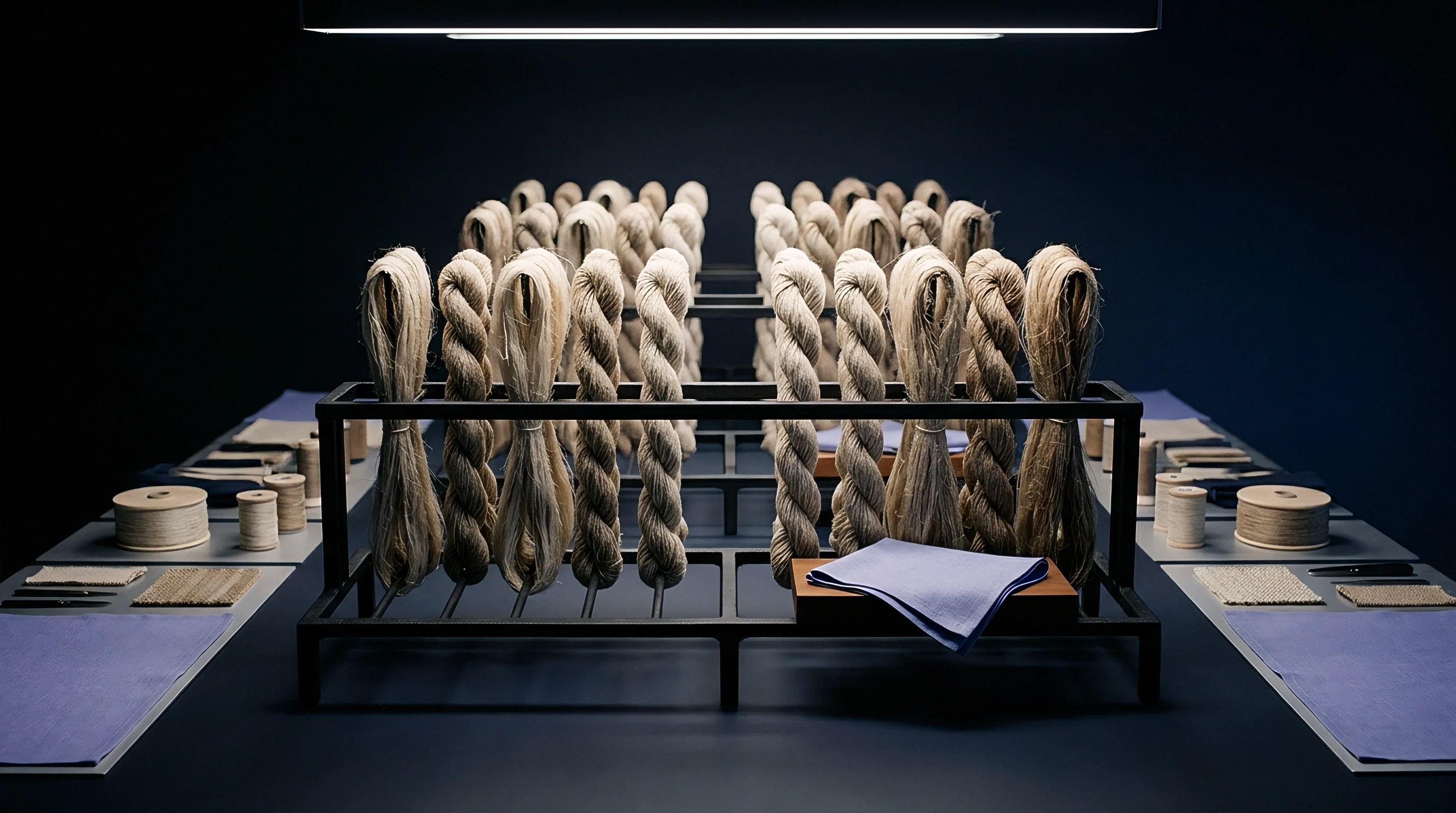
Determining the boundary between unspun fiber assemblies and true spun yarn is a critical decision point in textile tariff classification. Unspun slivers, webs, and rovings belong within heading 5301, whereas single or folded yarns belong within heading 5306. The distinction rests on whether continuous mechanical twist has been inserted to confer structural tensile strength.
Slivers carry zero twist, relying solely on inter-fiber friction within dense parallel mats. Rovings contain minimal protective twist to prevent breakage during transport, but lack the cohesive density of finished yarn.
Customs auditors evaluate physical samples using twist-testing apparatus compliant with ISO 2061 standards. The test measures turns per meter inserted along the longitudinal axis of the strand. Strands with fewer than 50 turns per meter require careful laboratory scrutiny.
If the assembly drafts apart under slight hand tension without yarn core resistance, customs laboratories classify the product as unspun roving under 5301.29. Continuous strands that resist manual drafting because of mechanical twist alignment belong under single yarn classifications within 5306.10.
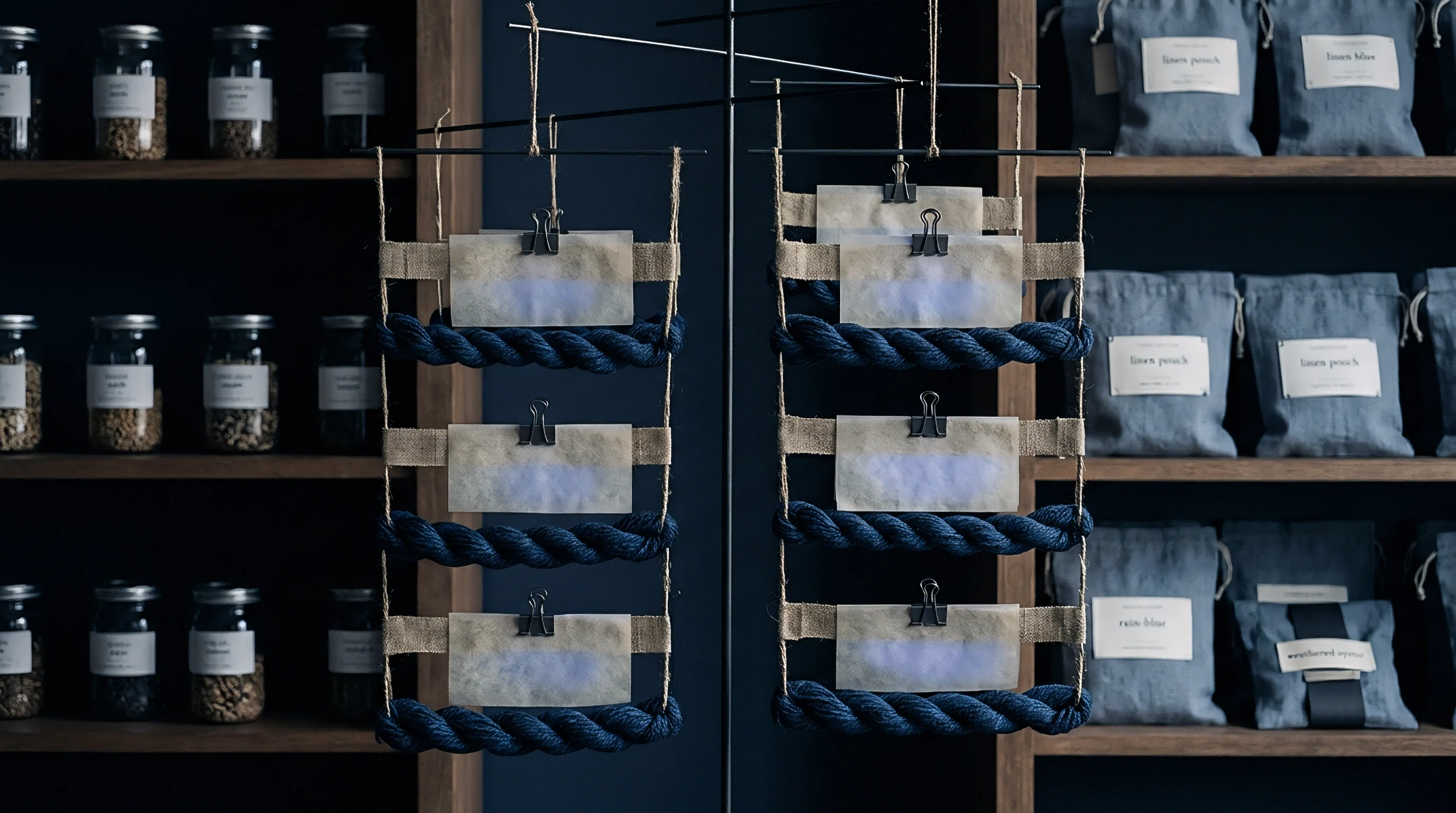
When Does Flax Processing Cross the Spun Threshold?
The transition from unspun roving to spun yarn occurs on the spinning frame, where draft rollers elongate the strand before spindle twisting. Wet spinning passes roving through a hot water bath at 60 degrees Celsius to soften inter-fiber pectins before drawing, producing smooth, high-tenacity yarns classified under heading 5306. Dry spinning operates on coarse flax without water softening, producing bulkier yarns for heavy canvas or industrial packaging fabrics.
Both wet and dry spun single yarns carry distinct tariff lines based on linear density measured in tex or metric number.
Linear density metrics dictate subheading selection within heading 5306. Metric number (Nm) defines the length in meters of one gram of yarn, whereas tex defines the mass in grams of 1,000 meters of yarn. A high Nm value indicates fine yarn, while a low Nm indicates coarse construction.
Customs tariffs separate single yarns under 5306.10 from multiple or cabled yarns under 5306.20. Folded yarns combine two or more single strands twisted together in a secondary spinning operation to provide greater structural uniformity.
Cross-checking scutching certificates against raw fiber intake at spinning mills in Jiangsu shows that unspun roving stored on open bobbins frequently gets misdeclared as single spun yarn to bypass export quotas on raw agricultural fibers.
| Processing Stage | Harmonized System Code | Twist Threshold (Turns/Meter) | Tensile Cohesion Mechanism | Customs Laboratory Test Method |
|---|---|---|---|---|
| Hackled Ribbon / Sliver | 5301.29 | 0 | Inter-fiber friction only | ISO 2060 manual fiber drafting |
| Unspun Wet Roving | 5301.29 | 10 to 35 | Softened pectin gel adhesion | ISO 2061 low-tension untwist |
| Single Dry Spun Yarn | 5306.10 | 150 to 400 | Mechanical helix rotation | ISO 2061 direct counting twist meter |
| Folded Wet Spun Yarn | 5306.20 | 250 to 600 | Secondary plied counter-twist | ISO 2061 double-strand unwinding |

Yarn Linear Density and Metric Number Specifications
Verifying yarn fine count requires precise laboratory conditioning under ISO 139 standard atmosphere at 20 degrees Celsius and 65 percent relative humidity. Wet-spun flax yarn absorbs atmospheric water up to its natural saturation limit. Standard customs calculations apply an official moisture regain factor of 12 percent to dry yarn mass before calculating final tex or Nm ratings.
Failing to adjust dry yarn mass for standard regain results in artificial count inflation, shifting goods across customs tariff thresholds.
Customs schedules establish specific duty rates based on linear density limits. Yarns finer than Nm 40 (under 25 tex) face different import duties than coarse yarns under Nm 14 (over 71.4 tex). Importers must verify that supplier mill certificates declare yarn count corrected for commercial regain.
Laboratory verification involves wrapping 100-meter skeins on a reel, drying them to constant mass in an oven at 105 degrees Celsius, adding 12 percent regain, and weighing on an analytical balance precise to 0.001 grams.
Unspun roving retains parallel fiber bundles with negligible cohesion, while spun yarn exhibits continuous structural integrity under tension.
Yarn count dictates tariff subheadings. When physical testing reveals twist insertion below commercial weaving stability thresholds, customs authorities categorize the shipment as unspun stock regardless of spool packaging.
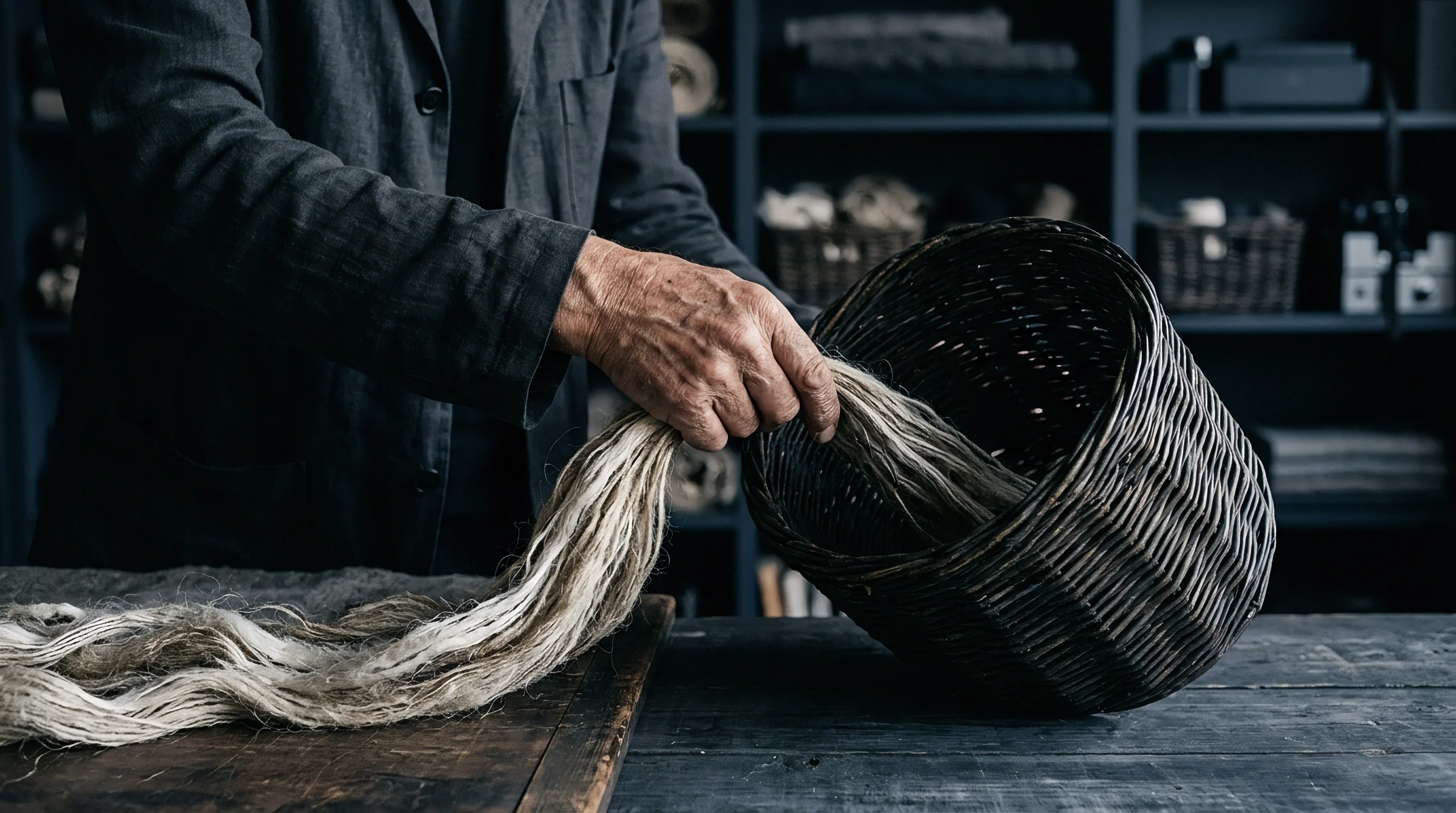

Weave
Classifying woven bast fabrics under heading 5309 demands systematic analysis of fiber weight proportions, surface coloration, and construction geometry. Chapter 53 Note 1 and General Explanatory Notes to Section XI establish that fabrics containing 85 percent or more by weight of flax belong under subheadings 5309.11 or 5309.19. Fabrics containing less than 85 percent flax by weight, blended primarily with cotton, synthetic filaments, or wool, fall under subheadings 5309.21 or 5309.29.
Importers must establish exact blend ratios through quantitative chemical analysis before selecting entry codes.
Surface treatment and coloration dictate secondary tariff distinctions within heading 5309. Unbleached fabrics retain natural grey or tan shades from raw bast fibers, containing residual pectins and wax. Bleached fabrics undergo peroxide or chlorine washing to eliminate natural pigments, giving them a white or off-white appearance.
Dyed fabrics undergo piece-dyeing in uniform colors after weaving. Yarn-dyed fabrics incorporate threads of different colors during loom setup to create stripes, checks, or jacquard patterns. Printed fabrics receive surface color post-weaving via screen or digital print heads.

Flax Content Weight Threshold Breakdown
Customs regulations enforce a strict binary classification based on the 85 percent fiber mass threshold. Subheading 5309.11 covers unbleached or bleached pure fabrics containing 85 percent or higher flax content. Subheading 5309.19 covers dyed, yarn-dyed, or printed pure fabrics.
When synthetic or cotton fibers exceed 15 percent of total fabric weight, goods shift to subheading 5309.21 for unbleached/bleached blends or 5309.29 for colored blends. Customs laboratories perform quantitative separation under ISO 1833 standards to verify these ratios.
Sourcing practices must monitor fabric weight per square meter alongside thread density per centimeter. Heavy linen canvas exceeding 300 grams per square meter carries different commercial valuation structures than lightweight apparel fabrics under 120 grams per square meter. Loom construction parameters like warp end count, weft pick count, and weave pattern (plain 1/1, twill 2/2, satin 5/2) do not alter heading selection, but must appear accurately on customs invoices to validate stated production costs during customs audits.
| Flax Weight Ratio | Fabric Coloration State | Harmonized System Code | Dominant Blend Fiber | Customs Verification Criteria |
|---|---|---|---|---|
| 85% or Greater | Unbleached or Bleached | 5309.11 | None (Pure Flax) | ISO 1833 solvent extraction under 15% non-flax |
| 85% or Greater | Dyed, Yarn-Dyed, or Printed | 5309.19 | None (Pure Flax) | Piece-dyed visual check plus 85% mass proof |
| Under 85% | Unbleached or Bleached | 5309.21 | Cotton or Polyester | ISO 1833 chemical dissolution of non-flax portion |
| Under 85% | Dyed, Yarn-Dyed, or Printed | 5309.29 | Cotton, Viscose, or Silk | Yarn-by-yarn separation plus weighbridge mass audit |
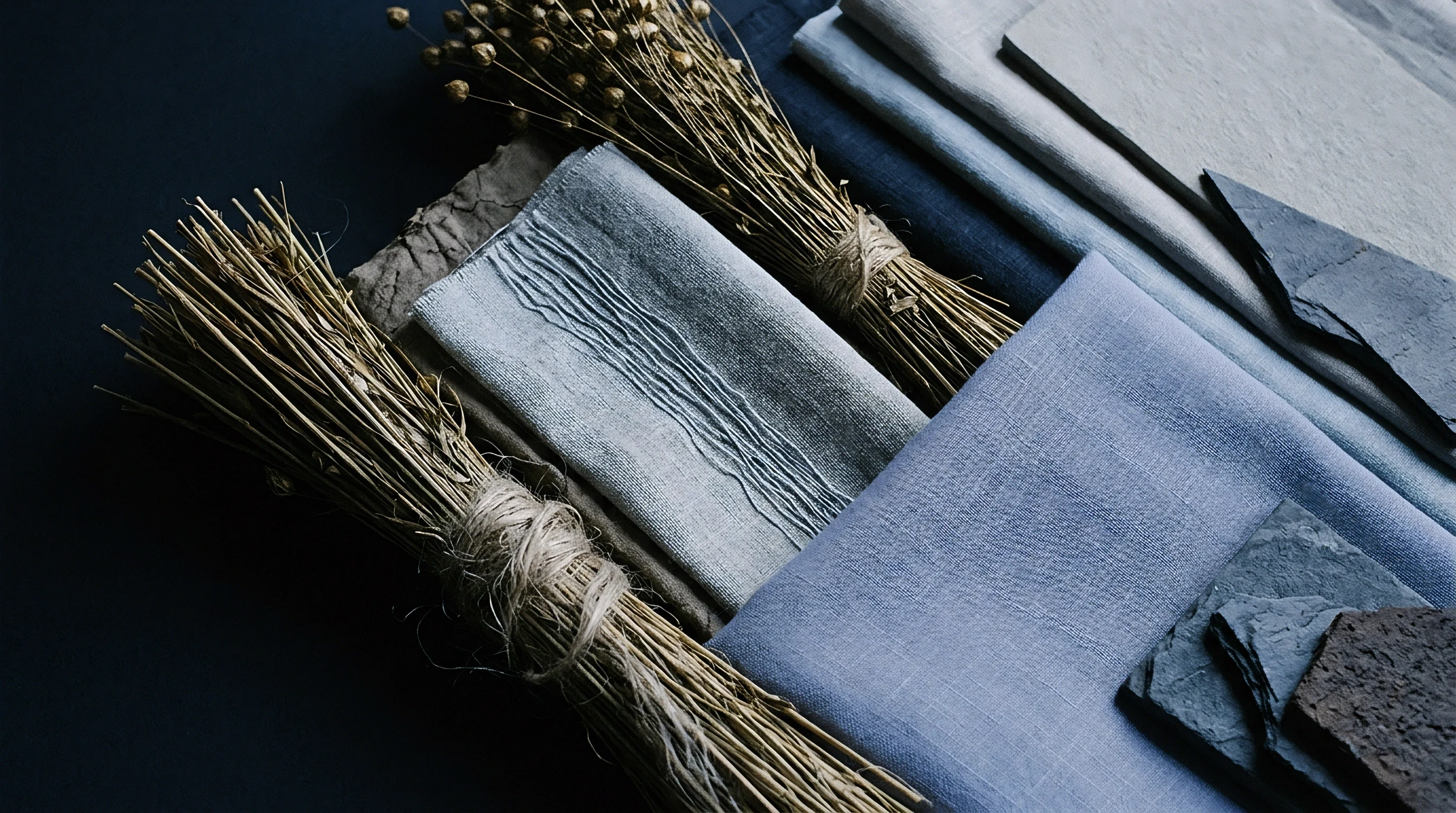
Coloration Categorization Standards under Section XI Notes
Section XI Subheading Note 1 defines precise parameters for fabric coloration categories. Unbleached fabric consists of uncolored yarns retaining original natural fiber shades. Bleached fabric includes cloth woven from bleached yarns or piece-bleached after loom removal.
Yarn-dyed fabric contains yarns of different colors, or different shades of the same color, arranged across warp or weft axes. Importers misclassifying yarn-dyed stripes as piece-dyed fabric face tariff reclassifications and back-duty assessments during post-entry audits.
Customs laboratory analysts examine cross-sectional yarn cuts under optical microscopes to distinguish piece-dyed fabric from yarn-dyed fabric. Piece-dyed cloth shows uneven dye penetration inside dense yarn cores, whereas yarn-dyed cloth demonstrates complete dye saturation across individual filaments before weaving. Printed fabrics show color application confined strictly to the surface plane, leaving reverse sides noticeably lighter.
Accurate entry filings rely on verifying dye house process logs prior to shipment departure from origin ports.
Importers must embed precise raw material content covenants directly into loom-shed procurement contracts to secure legal defense against customs seizures.
“The seller warrants that all woven cloth supplied under this contract contains a minimum of 85.0 percent bast flax fiber by oven-dry mass, and agrees to indemnify the buyer for duty adjustments resulting from laboratory quantitative variances.”
Arithmetic
Customs quantitative fiber analysis relies on precise dry mass calculations adjusted for official moisture regain values. Flax fibers possess a natural moisture absorption capacity recognized by global customs administrations. International tariff schedules establish an official regain allowance of 12.0 percent for flax, compared to 8.5 percent for cotton, 1.5 percent for polyester, and 13.0 percent for viscose.
Calculating true constituent fiber mass ratios requires converting raw laboratory specimen masses to oven-dry states before applying statutory regain multipliers.
Failing to apply moisture regain corrections introduces systematic errors into classification arithmetic. A blended fabric specimen composed of raw flax and polyester will exhibit shifting weight percentages as ambient atmospheric humidity fluctuates. If a testing laboratory weighs a specimen without oven drying and official regain application, the natural moisture retained by the bast fiber artificially inflates its weight percentage.
This inflation can incorrectly push an 83 percent flax blend across the 85 percent threshold, leading to incorrect tariff entry under 5309.11 instead of 5309.21.

Worked Case Study: Blend Composition Derivation
Consider a commercial shipment of unbleached woven fabric declared as 86.0 percent flax and 14.0 percent polyester by weight. Customs authorities detain the shipment at the port of entry and submit a 10.000-gram fabric sample to the customs central laboratory for quantitative composition testing according to ISO 1833-11 protocols.
The laboratory places the 10.000-gram raw specimen into a drying oven at 105 degrees Celsius until it reaches constant dry mass. The measured total dry mass of the specimen equals 9.150 grams. The laboratory then applies chemical dissolution using cold zinc chloride and formic acid reagents to dissolve the flax bast fiber content, leaving the insoluble polyester constituent intact.
The residual polyester fiber is rinsed, dried to constant mass at 105 degrees Celsius, and weighed on an analytical balance. The measured dry mass of the residual polyester equals 1.350 grams.
The laboratory calculates the oven-dry mass of the flax fiber by subtracting the dry polyester mass from the total dry specimen mass. Subtracting 1.350 grams of dry polyester from 9.150 grams of total dry specimen mass yields 7.800 grams of dry flax fiber. Next, the laboratory calculates the official commercial mass for each fiber component by applying the statutory moisture regain percentages: 12.0 percent for flax and 1.5 percent for polyester.
The commercial mass of the flax constituent is calculated by multiplying its dry mass of 7.800 grams by 1.120, yielding 8.736 grams. The commercial mass of the polyester constituent is calculated by multiplying its dry mass of 1.350 grams by 1.015, yielding 1.370 grams. The total commercial mass of the conditioned fabric sample equals the sum of 8.736 grams and 1.370 grams, which equals 10.106 grams.
To determine the final legal customs weight percentage of flax, the laboratory divides the commercial flax mass of 8.736 grams by the total commercial sample mass of 10.106 grams and multiplies by 100. Dividing 8.736 by 10.106 yields 0.8644, or 86.44 percent flax content by commercial mass. The polyester percentage equals 1.370 divided by 10.106, yielding 13.56 percent.
Because the calculated commercial flax content of 86.44 percent exceeds the 85.0 percent legal threshold, the customs laboratory confirms the importer’s original classification under heading 5309.11.
Consider the alternative outcome if the laboratory omitted official moisture regain adjustments and calculated percentages directly from oven-dry masses. The dry flax mass of 7.800 grams divided by total dry mass of 9.150 grams yields 85.25 percent flax. If the original fabric had contained 1.420 grams of dry polyester and 7.730 grams of dry flax, the dry ratio would equal 84.48 percent flax, prompting tariff reclassification.
Applying the 12.0 percent regain factor to 7.730 grams yields 8.658 grams commercial flax mass, while applying 1.5 percent to 1.420 grams yields 1.441 grams commercial polyester. The total commercial mass equals 10.099 grams. The commercial flax ratio becomes 8.658 divided by 10.099, which equals 85.73 percent.
Correct regain application elevates the legal weight past the 85 percent border.
| Fiber Designation | Customs Standard Regain Rate (%) | Commercial Mass Multiplier | ISO Quantitative Test Standard | Chemical Dissolution Agent |
|---|---|---|---|---|
| Flax / Linen Bast Fiber | 12.0% | 1.120 | ISO 1833-11 | Zinc chloride / Formic acid |
| Cotton Fiber | 8.5% | 1.085 | ISO 1833-11 | Sulfuric acid 75% solution |
| Viscose / Rayon Filament | 13.0% | 1.130 | ISO 1833-7 | Sodium zincate solution |
| Polyester Synthetic Fiber | 1.5% | 1.015 | ISO 1833-11 | Concentrated m-cresol |
| Polyamide (Nylon) Fiber | 6.25% | 1.0625 | ISO 1833-4 | Formic acid 80% solution |

Quantitative Chemical Dissolution under ISO 1833
Customs central testing laboratories execute quantitative fiber separations in strict accordance with ISO 1833 standard operating procedures. The process demands exact chemical reagent concentration, temperature control, and agitation cycles. Laboratory technicians extract non-cellulosic impurities, oils, and sizing waxes using petroleum ether in a Soxhlet apparatus before solvent dissolution steps.
Unextracted warp sizing chemicals add false mass to residual fiber measurements, distorting calculation figures.
When analyzing complex multi-fiber blends containing flax, cotton, and polyester, analysts execute sequential dissolution steps. ISO 1833-11 uses cold concentrated formic acid and zinc chloride to dissolve cotton and bast fibers while leaving polyester unaffected. A separate specimen undergoes selective dissolution of cotton using sulfuric acid reagents, allowing manual or mathematical isolation of the flax component.
Laboratory reports must state whether calculations reflect dry mass values or commercial mass values adjusted for standard regain allowances.
ISO 1833-11 protocol mandates chemical separation of bast fibers using cold zinc chloride and formic acid reagents to prevent cellulosic degradation.
An unverified commercial laboratory report calculating a linen-cotton blend using oven-dry weights rather than statutory commercial regain adjustments resulted in a 14,200 euro tariff penalty and customs reclassification at the clearance port.


Origin
Determining country of origin for unspun flax and woven fabrics governs tariff treatment, anti-dumping exposures, and eligibility for preferential trade agreements. Non-preferential origin rules determine the legal origin of goods for standard duty assessment under frameworks like Union Customs Code Article 60 or US Customs Regulation 19 CFR 102. Preferential origin rules determine whether goods qualify for reduced or zero duty rates under specific free trade agreements, such as the EU-UK Trade and Cooperation Agreement or the Pan-Euro-Mediterranean Convention.
Non-preferential origin for raw bast fiber links directly to the harvest location. Straw pulled from fields in Normandy, France, carries French origin regardless of where scutching, hackling, or combing occurs. Scutching straw in a secondary country does not confer origin under non-preferential rules because scutching is treated as simple processing of an agricultural crop.
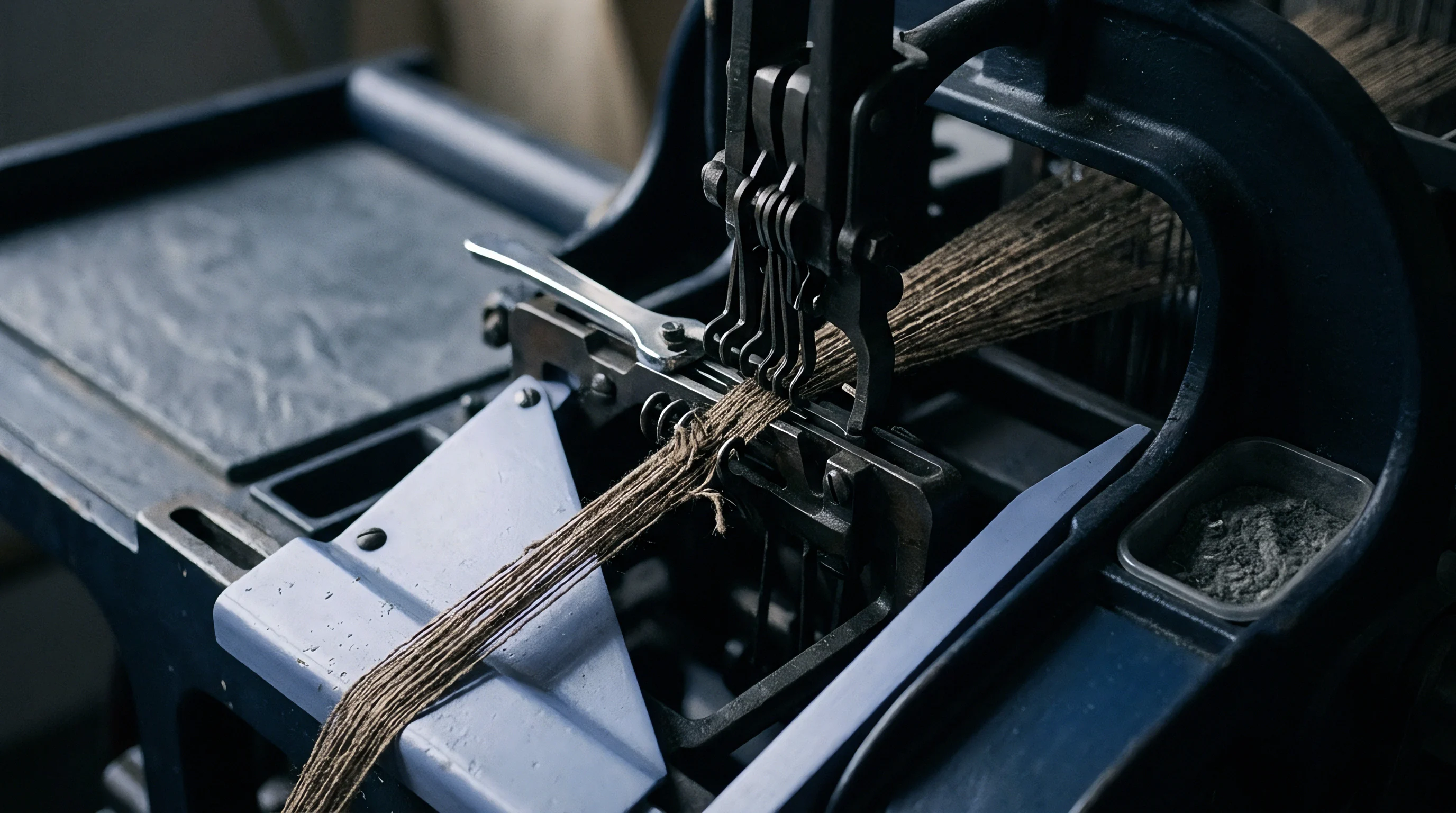
Mechanical hackling and roving operations similarly retain the original harvest country origin for unspun fiber categories under heading 5301.
Substantial Transformation Criteria in Textile Trade
Substantial transformation occurs when mechanical processing creates a new commercial article with a distinct name, character, or use. In tariff terms, substantial transformation typically requires a heading shift. Converting unspun fiber under heading 5301 into spun yarn under heading 5306 constitutes substantial transformation, conferring origin to the spinning location.
Converting spun yarn into woven fabric under heading 5309 constitutes a secondary substantial transformation, assigning origin to the weaving mill under standard non-preferential rules.
Preferential trade agreements enforce stricter origin criteria, frequently imposing double-transformation or specific process rules. Preferential rules often demand that fabric weaving be preceded by yarn spinning within the preference territory ~ the yarn-forward rule. Fabric woven in an EU member state from yarn spun outside it fails to qualify for preferential duty-free entry into partner territories unless the agreement contains specific single-transformation exceptions for bast fibers.
Importers certifying preferential origin must construct a documented audit chain linking physical processing steps back to primary agricultural sources.
- Field Harvesting Records provide primary proof of raw straw cultivation site, establishing baseline agricultural origin.
- Scutching Mill Delivery Tickets log straw volume inputs against scutched long fiber output mass.
- Spinning Lot Records record yarn spinning batch numbers, link roving intake to finished yarn tex specifications, and detail twist parameters.
- Loom Shed Production Logs match yarn lot delivery numbers with woven fabric roll tags, warp beam specs, and finished meter tallies.

Chain of Custody Audits for Certification Schemes
Commercial verification of European flax origin relies on scheme frameworks operating across international supply chains. European Flax certification, managed by the Alliance du Lin et du Chanvre Européen, verifies the Western European origin of raw fiber grown in France, Belgium, and the Netherlands. The certification follows raw fiber through scutching and hackling operations globally.
While European Flax certification tracks raw material sourcing, it does not restrict downstream spinning or weaving locations.
Masters of Linen certification enforces stricter geographic limits. It mandates that every manufacturing stage following harvest ~ scutching, hackling, spinning, dyeing, and weaving ~ takes place entirely within European facilities. A Chinese spinning mill importing certified European Flax raw fiber produces European Flax certified yarn, but cannot obtain Masters of Linen certification for its woven fabric.
Customs compliance auditors must separate raw fiber origin certificates from fabric origin declarations during port inspections.
Documentary audit gaps occur when Chinese spinning mills combine certified European unspun flax with uncertified local bast fibers during roving preparation. Tracking raw bast shipments through physical lot numbers attached to weighbridge receipts reveals these discrepancies. When spinner lot records show input fiber mass exceeding raw harvest delivery certificates by more than 3 percent, customs auditors invalidate origin claims across all downstream woven fabrics.
Whether customs authorities will establish standardized isotopic testing of strontium ratios in bast fiber samples to verify geographical soil origin during entry disputes remains an open question.
Clearance
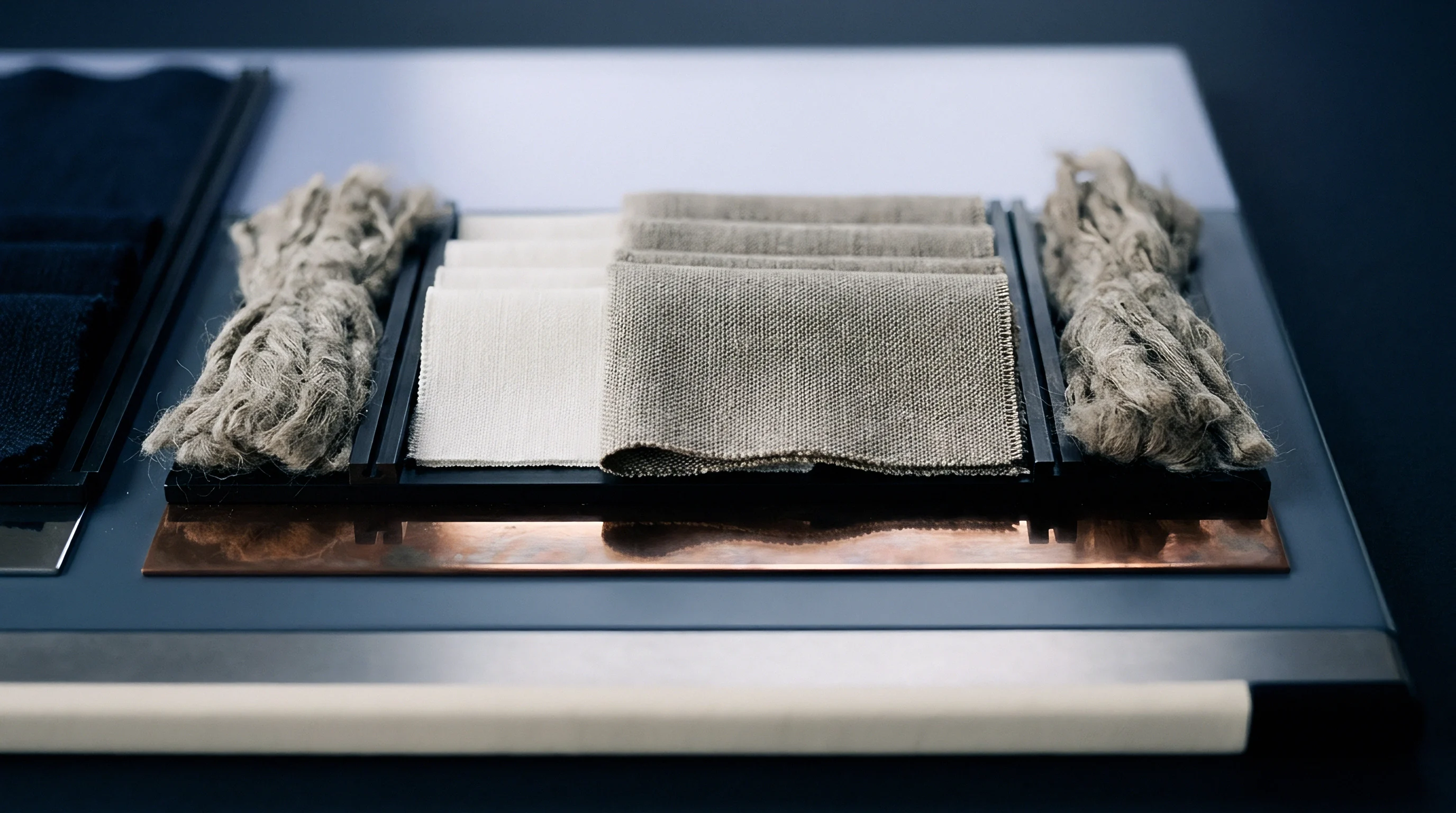
Successfully navigating customs entry clearance for unspun flax and woven fabrics requires assembling a complete compliance dossier before goods arrive at entry ports. Importers file entry summaries using Harmonized Tariff Schedule codes matching the exact physical, chemical, and structural properties of the cargo. Customs authorities inspect paperwork for matching descriptions across commercial invoices, packing lists, bills of lading, and mill test certificates.
Discrepancies between invoice terminology and declared tariff lines trigger physical container holds and sampling orders.
Binding Tariff Information rulings provide legal certainty for importers facing complex classification determinations. Importers submit formal applications to national customs administrations accompanied by physical samples, detailed manufacturing descriptions, and laboratory test reports. An issued binding ruling legally binds customs authorities across the jurisdiction to accept the declared tariff classification for a specified period, typically three years.
Obtaining a binding ruling eliminates classification risk at port clearance for novel fiber blends or specialized unspun roving products.

Customs Entry Dossier Requirements
Complete import entries for Chapter 53 textile commodities require specific supporting documents attached to the digital entry declaration. Invoices must state fiber composition percentages by dry mass, yarn linear density in tex or Nm, fabric construction width in centimeters, total weight per square meter, and specific coloration finish. Mill laboratory test certificates must cite standard testing methods used to determine composition and physical metrics.
Customs officers evaluate valuation declarations alongside classification codes. Port auditors verify whether invoice prices accurately reflect commercial values for specific processing states. Unspun hackled fiber declared at values matching raw scutching tow raises immediate red flags, prompting detailed financial audits.
Importers must reconcile purchase orders, wire transfers, and freight receipts against declared customs values to avoid penalty assessments under customs valuation laws.
Importers managing high-volume bast fiber import programs execute a structured operational verification procedure to secure clearance approval without port delays.
- Request pre-shipment laboratory analysis from origin mills, confirming quantitative fiber content under ISO 1833 standards and yarn metrics under ISO 2061.
- Audit commercial invoice line items to ensure descriptions state physical processing state, twist thresholds, fabric weight per square meter, and exact color finish category.
- Cross-check declared Harmonized Tariff Schedule codes against active Binding Tariff Information rulings or national customs precedent database entries.
- Transmit digital entry summary filings to port customs clearance systems prior to vessel berth arrival, attaching certified mill test reports and origin documentation.
- Inspect physical cargo roll tags and bale markings upon port release to confirm lot numbers match customs entry dossier paperwork exactly.

Mitigating Administrative Disputes at Entry Ports
When customs authorities challenge declared tariff entries, importers must act quickly to prevent escalating demurrage charges. If a port inspector detains cargo based on suspected misclassification of unspun roving as spun yarn, the importer files an administrative protest supported by independent laboratory testing. Samples drawn jointly by customs officers and importer representatives undergo re-testing at an accredited ISO 17025 laboratory.
The resulting test protocol forms the evidentiary basis for administrative appeals.
Securing port release during ongoing tariff classification disputes often involves posting a customs indemnity bond. The bond covers potential duty differentials and administrative fines while customs legal offices review contested entries. Retaining detailed mill processing logs, fiber spinning records, and scutching tickets ensures the importer maintains the evidentiary chain necessary to defend original entry filings before customs review boards.