Binding Agent
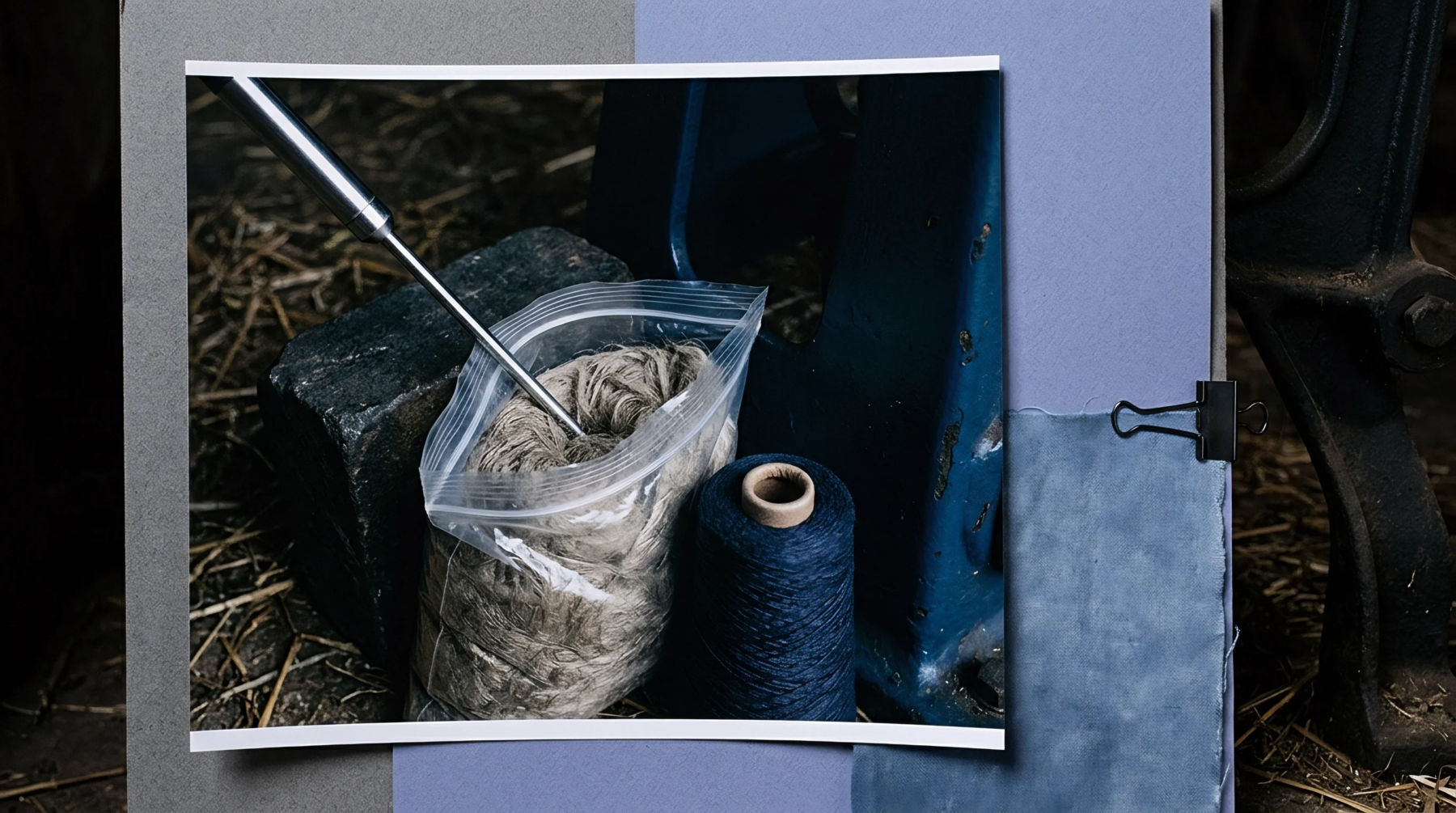
Natural adhesive material from botanical sources provides the structural integrity required to hold flax fibres together during the initial preparation phases of linen manufacturing. A pectin matrix functions as the primary intracellular glue within the stalk of the flax plant, surrounding individual cellulose bundles to maintain botanical cohesion until mechanical extraction begins. Processing facilities remove this substance during retting where specific microbial or chemical action breaks down the cellular bonds to free the long fibres.
This removal stage must reach an exact threshold because residual organic material interferes with later spinning operations by causing irregular tension in the yarn. The stability of the cellulose structure depends on how efficiently technicians dissolve this natural polymer without compromising the strength of the resulting textile fibre.
Chemical Boundary
Extraction efficiency is measured by the remaining quantity of residue on a cleaned fibre lot before it reaches the carding machines. Mills determine this concentration through aqueous titration methods that quantify soluble sugars and acidic compounds left behind after retting. A pectin matrix becomes problematic if the retting duration extends beyond the point of optimal fibre liberation because structural damage to the fibre cell wall occurs alongside the removal.
Quality control protocols define specific concentrations allowed per kilogram of processed flax, forming part of the technical specification sheet that mills provide to yarn spinners. Differences in crop maturity and soil conditions affect the thickness and composition of this organic layer, requiring frequent adjustments to the bath duration or the enzyme concentration used during the treatment cycle.
Textile Integrity
Strength testing of the final yarn accounts for the thoroughness of the cleaning procedure performed on the raw material. Excessive adherence of the organic compound prevents fibres from aligning smoothly during the drawing process, leading to snap points in the finished cloth. Weaving specifications strictly regulate the permissible levels of trace residuals to ensure consistent dye absorption and surface uniformity across large industrial batches.
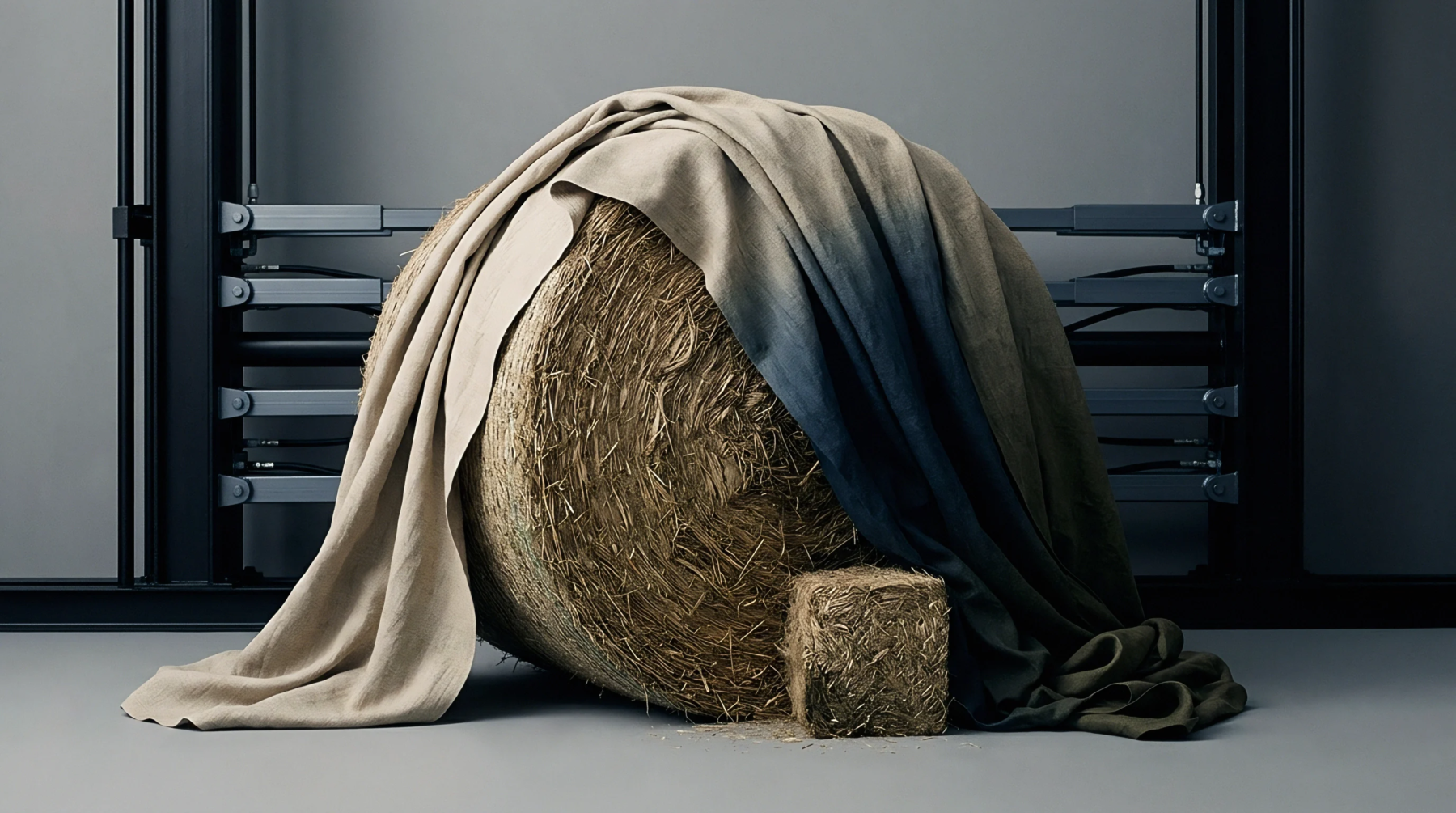
Linen goods retain high commercial value when the cellulose surface remains free from biological contaminants that alter the mechanical properties of the fabric. High-quality linen production relies on the successful elimination of this substance to guarantee long-term durability.