
Flax Fibre Fineness and Linear Density Determination Methods
Verify flax linear density using ISO 1973 cut-and-weigh gravimetry at standard 12% regain to accurately forecast wet-spinning limits and enforce contract pricing.
Verify flax linear density using ISO 1973 cut-and-weigh gravimetry at standard 12% regain to accurately forecast wet-spinning limits and enforce contract pricing.

Target linen weight equals yarn tex multiplied by thread density, adjusted for warp size, crimp, wet process mass loss, and area shrinkage factors.

Reconciling warp crimp and waste factors prevents yarn budget deficits by capturing cumulative process losses across landed fabric cost models.
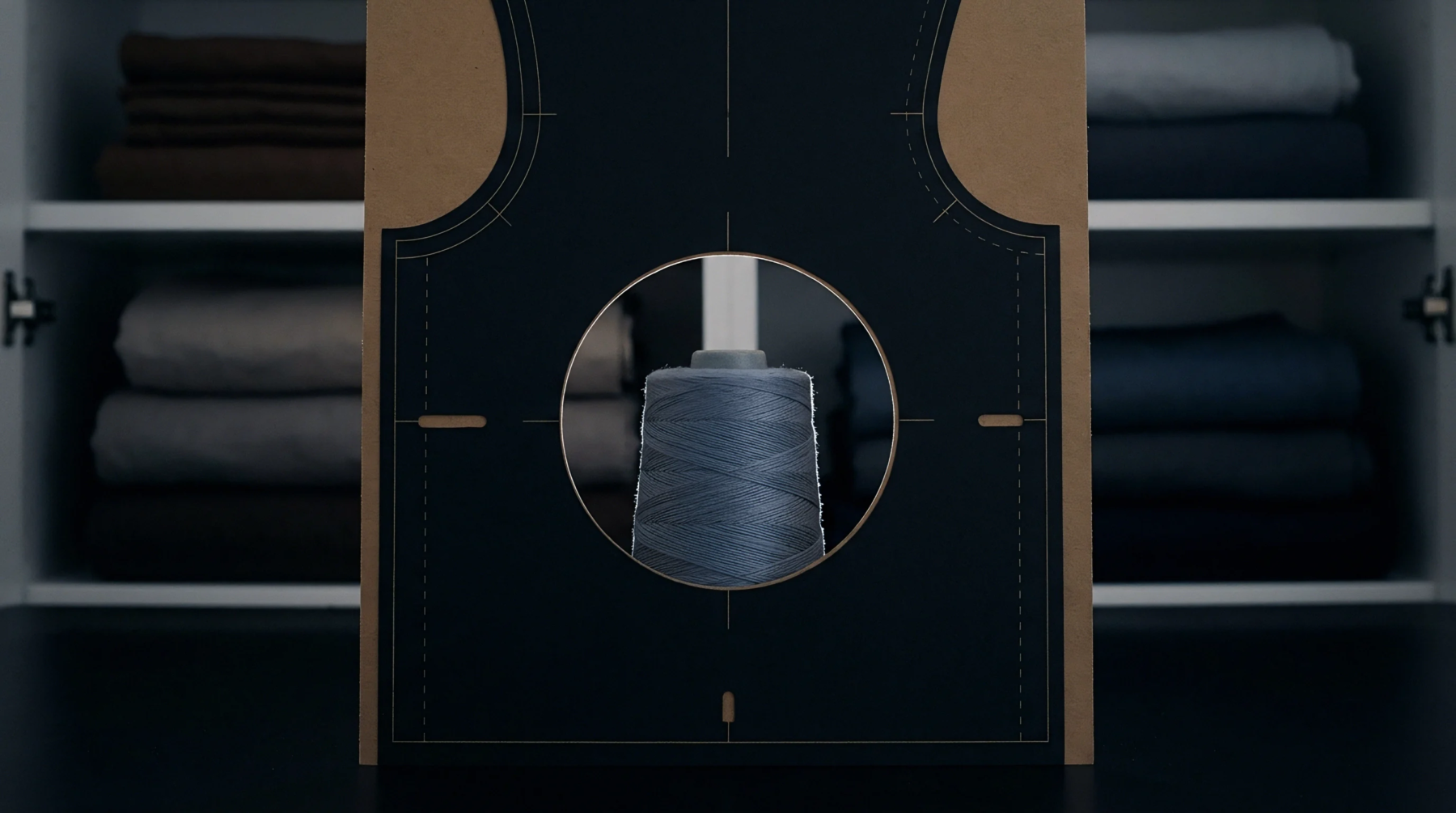
Wet spun flax linear density and mechanical properties depend on strict moisture regain control, hot water pectin drafting, and CRE tensile evaluation.

Verify wet spinning mass ledgers by adjusting raw inputs to standard moisture regain, deducting verified chemical bath extraction losses and weighed mechanical scrap.

Reclassifying third country blended yarn under Union Customs Code requires audit files linking ISO 1833 dry mass testing to mill spinning logs.

Resolving non-cellulosic encapsulation errors requires toluene-ethanol reflux and ammonium oxalate extraction to isolate true cellulosic mass for microbalance tex audits.
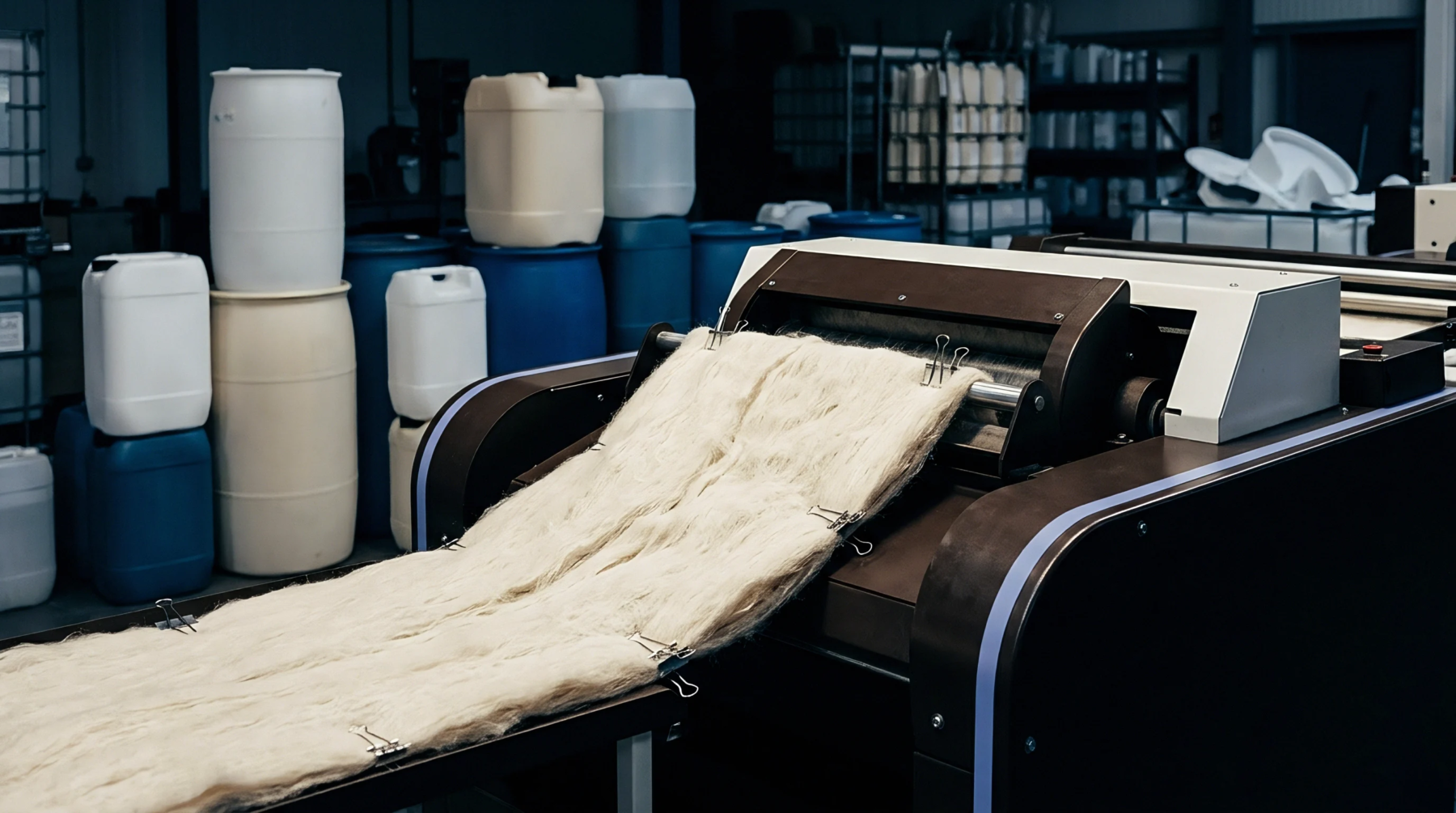
Verifying European Flax certificates in Chinese mills requires matching TC batch weights against raw bale intake logs and wet-spinning combed sliver yields.

Standard flax yarn linear density determination mandates motorized skein reeling under 0.5 cN/tex tension combined with ISO 6741 oven-dry commercial mass correction.

Cross-border linen contracts allocate chain of custody discrepancy risks through lot specific warranties, mandatory mass balance audits, and immediate seller indemnity.

Optimizing hackling pin density requires matching pin pitch progression directly to the scutched flax length array to maximize fine line yield while preventing fibre breakage.

European Flax verification for Asian spinning mills demands matching annual facility scope certificates with lot transaction certificates and dry mass balance ledgers.

Flax fibre fineness and area distribution parameters govern wet-spinning limits, bundle drafting cohesion, hackling yield, and yarn tenacity.

Optimizing wet spinning trough temperature and bath chemistry based on flax lignin metrics stabilizes drafting forces, drops end breaks, and cuts yarn cost.

Reconciling third-country linen origin mass balances requires normalizing moisture regain to dry matter mass and accounting for specific hackling and scouring waste factors.

Auditing European Flax scutched fiber receiving records reconciles dry fiber mass, certificate codes, and scutching lot numbers to defend chain of custody.

Optimize wet ring frame trough temperatures to 72°C and hold draft ratios below 17 for Heilongjiang dew-retted line flax to limit end breaks.

Mass balance certificates balance inventory on paper but offer zero proof of physical European flax containment in individual fabric bolts.

Trough water at 70°C hydrolyzes middle lamella pectins to permit inter-fibre slippage, enabling high mechanical drafts down to fine linear yarn counts.

Verify conditioned skein count, capacitive CVm evenness, and cone hardness against ISO tolerances to stop defective flax yarn before freight release.

Flax fibre grading determines spinnable yarn count, where hackling yield and fibre fineness dictate wet-spinning efficiency and landed cost per metre.

Low cohesion flax slivers collapse under high draft ratios, requiring reduced trough temperatures, higher roving twist, and tight ratch settings to hold count.

Flax moisture regain directly alters measured yarn count and fabric mass; accurate verification requires oven-drying to normalize weights against standard commercial regain allowances.

Automated optical bundle metrics predict wet spinning draft resistance limits and eliminate spindle stoppages caused by coarse unseparated flax fibers.

Auditing offshore linen mass balance demands real-time dry weight tracking, moisture regain adjustments, and batch-level transaction certificate verification.

Gravimetric testing determines hackled flax sliver dry mass, moisture regain, and linear density to lock in fair commercial yarn pricing.
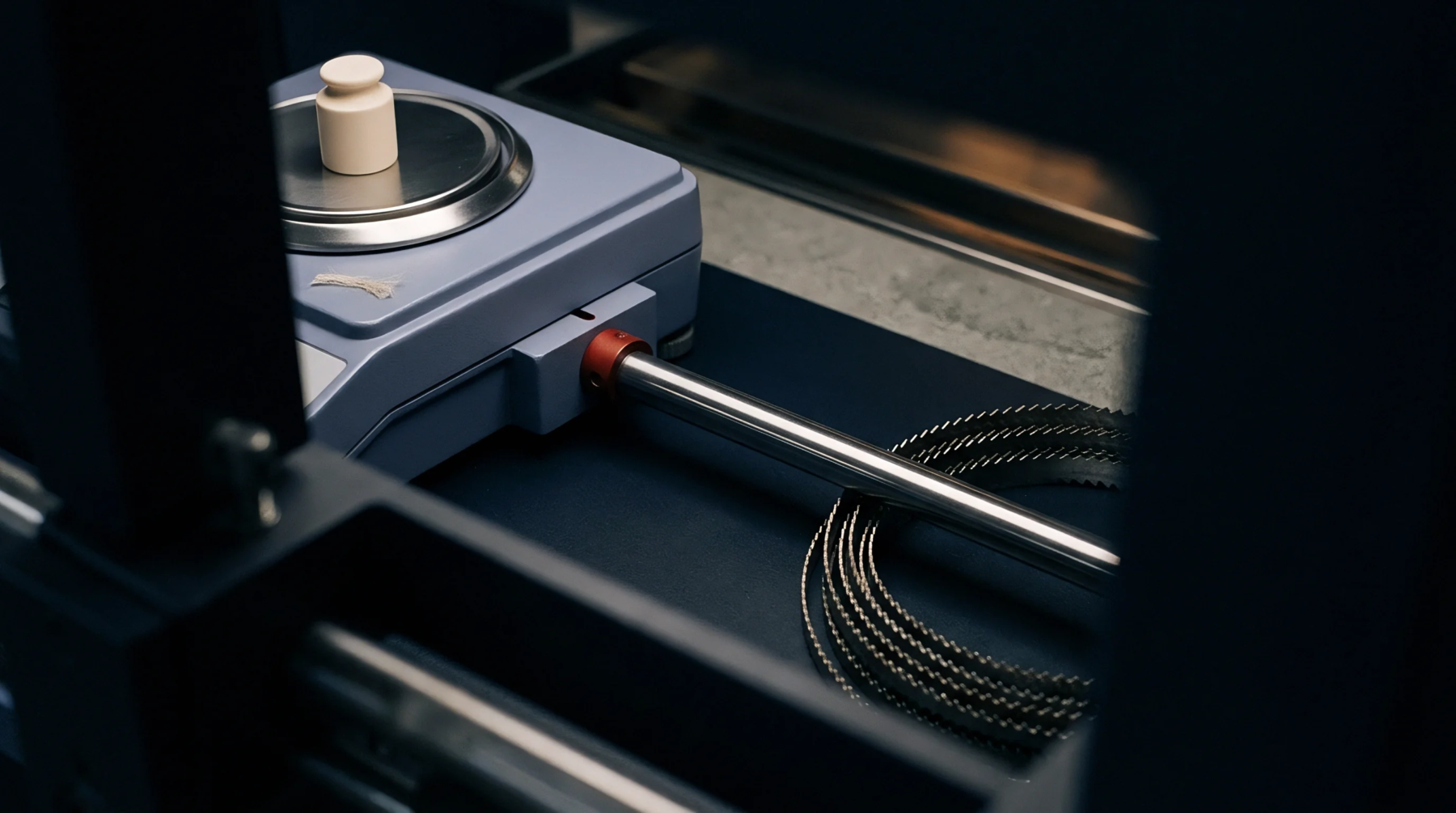
Control enclosure humidity to within one percent and apply buoyancy corrections to eliminate inter-laboratory microbalance drift in flax density audits.

Trough temperature at 68°C accelerates pectin dissolution, lowering drafting force to stabilize wet-spun linen yarn counts up to Nm 60.

Standardizing dry mass calculations and auditing liquor COD reconciles industrial scouring loss variances between raw hackled flax and finished packages.
Off loom mass loss in linen greige averages 14 to 22 percent, requiring correction for sizing pickup, moisture regain, and non cellulosic scour extraction.
Expertise is a utility, not a secret. sentiention™ publishes its working knowledge as open reference: intelligence layer covering the materials it sources, the markets it enters, and the reference that serves both.