Determining Dynamic Friction Coefficients in Fine Wet Spun Linen Warps
Dynamic friction coefficients in fine wet spun linen warps depend on moisture regain and sizing film integrity, directly dictating loom speed limits.
Dynamic friction coefficients in fine wet spun linen warps depend on moisture regain and sizing film integrity, directly dictating loom speed limits.
Optimal PVA size pick-up on flax warps ranges from 8.0 to 9.0 percent dry weight, balancing yarn friction resistance with hot-water desizing washability.
Adjusting weaver loom allocations based on high-density flax warp end-break rates maximizes loom-hour output and prevents stop-mark quality losses.
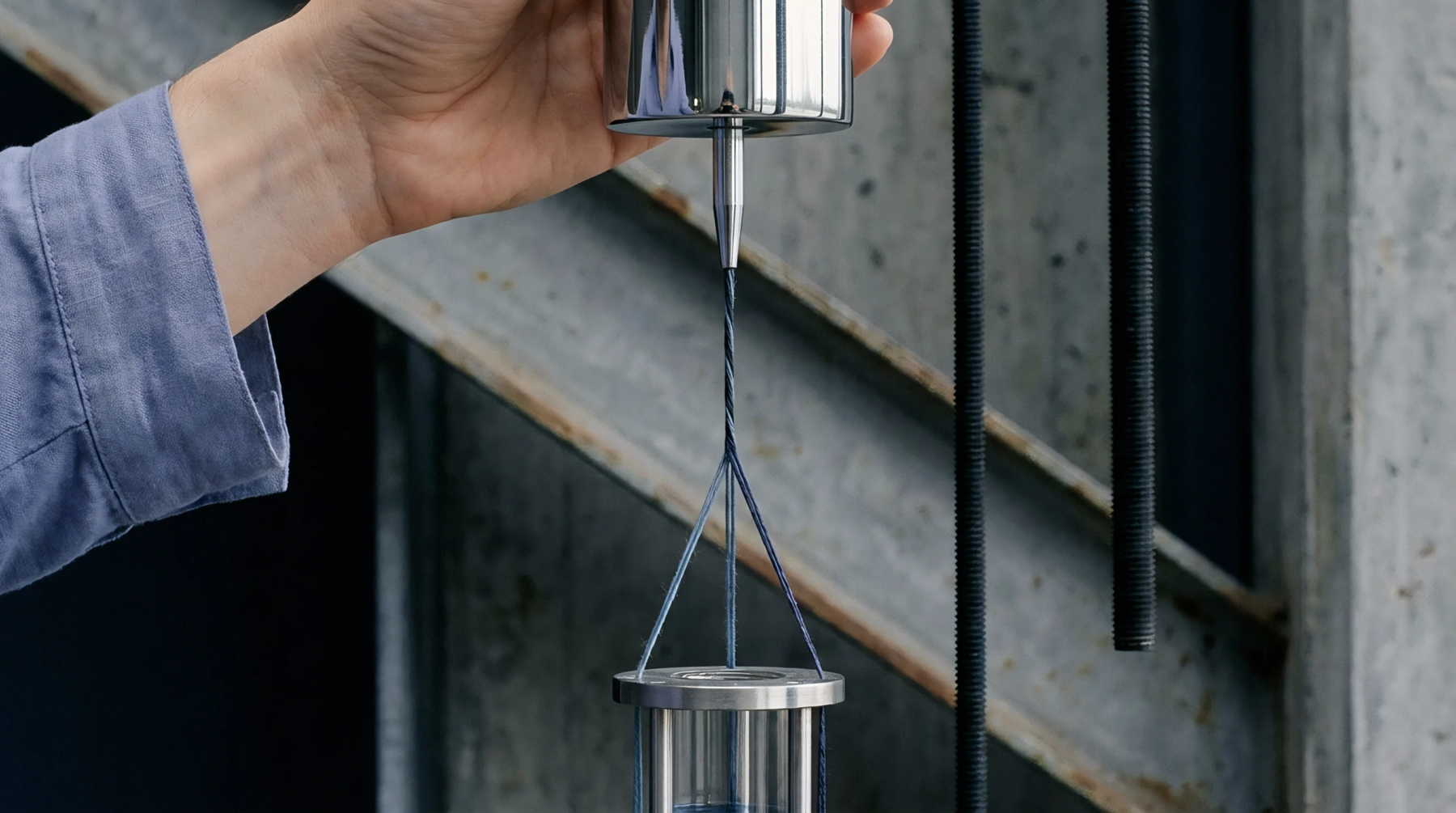
Optimizing Jacquard shed depth and backrest synchronization caps dynamic tension below 60 percent yarn strength, eliminating warp breaks in fine linen.
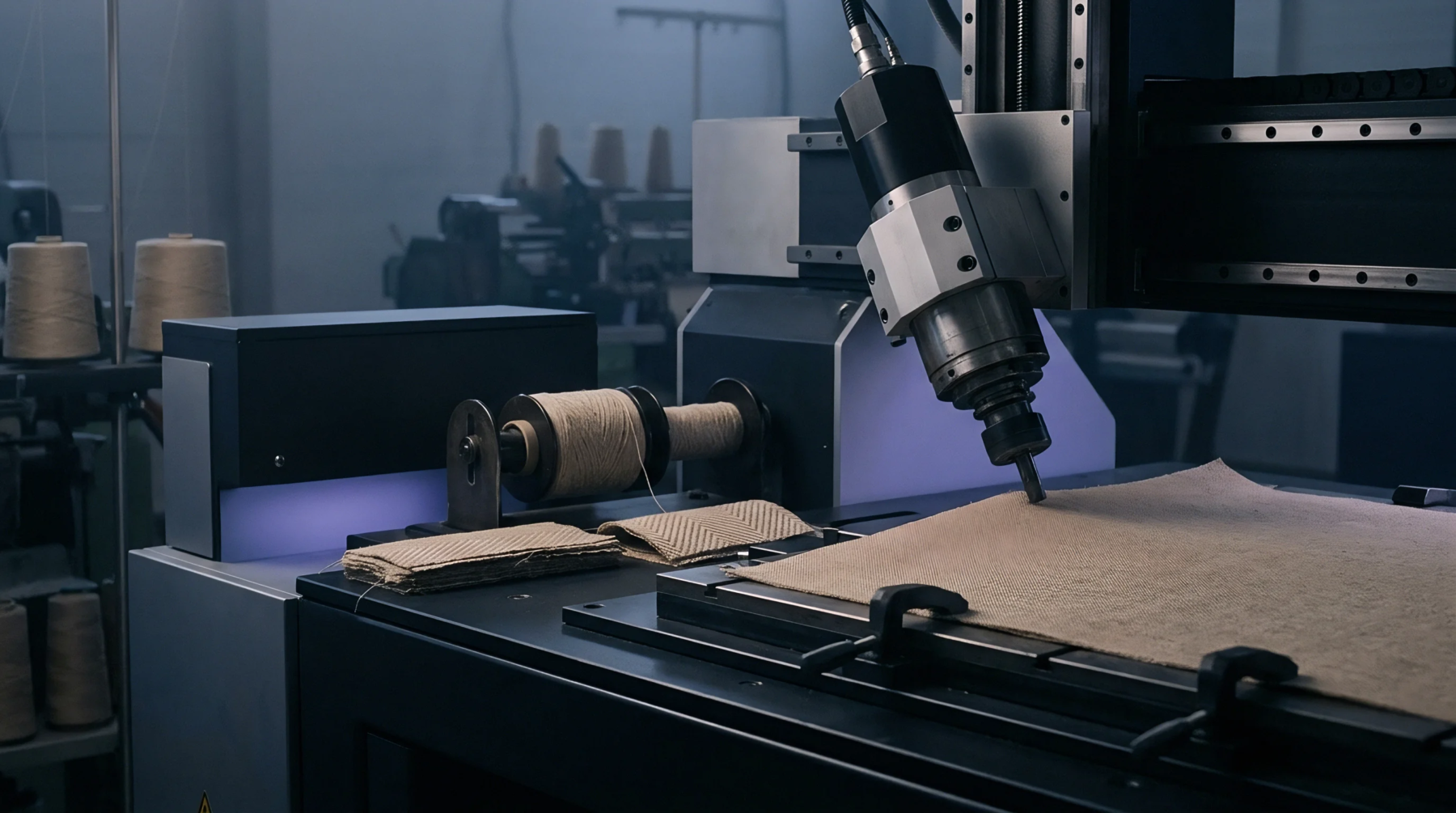
Non-linear crimp dynamics in heavy linen require modeling fiber swelling and non-linear interchange to control width loss, loom hours, and landed cost.
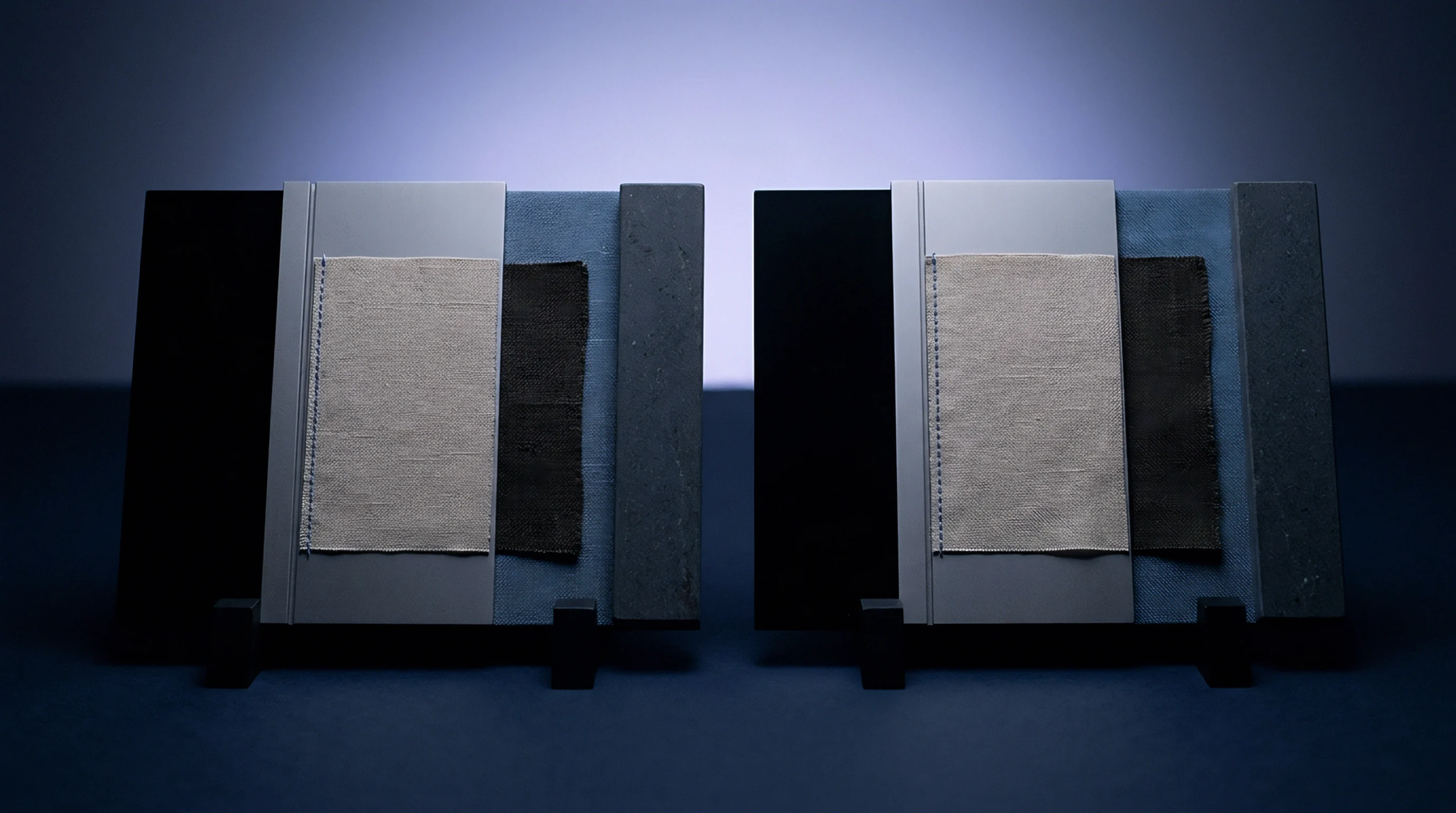
Determine woven linen weight and thread density by converting yarn Lea to Tex, applying cover factor equations, and accounting for finishing shrinkage.
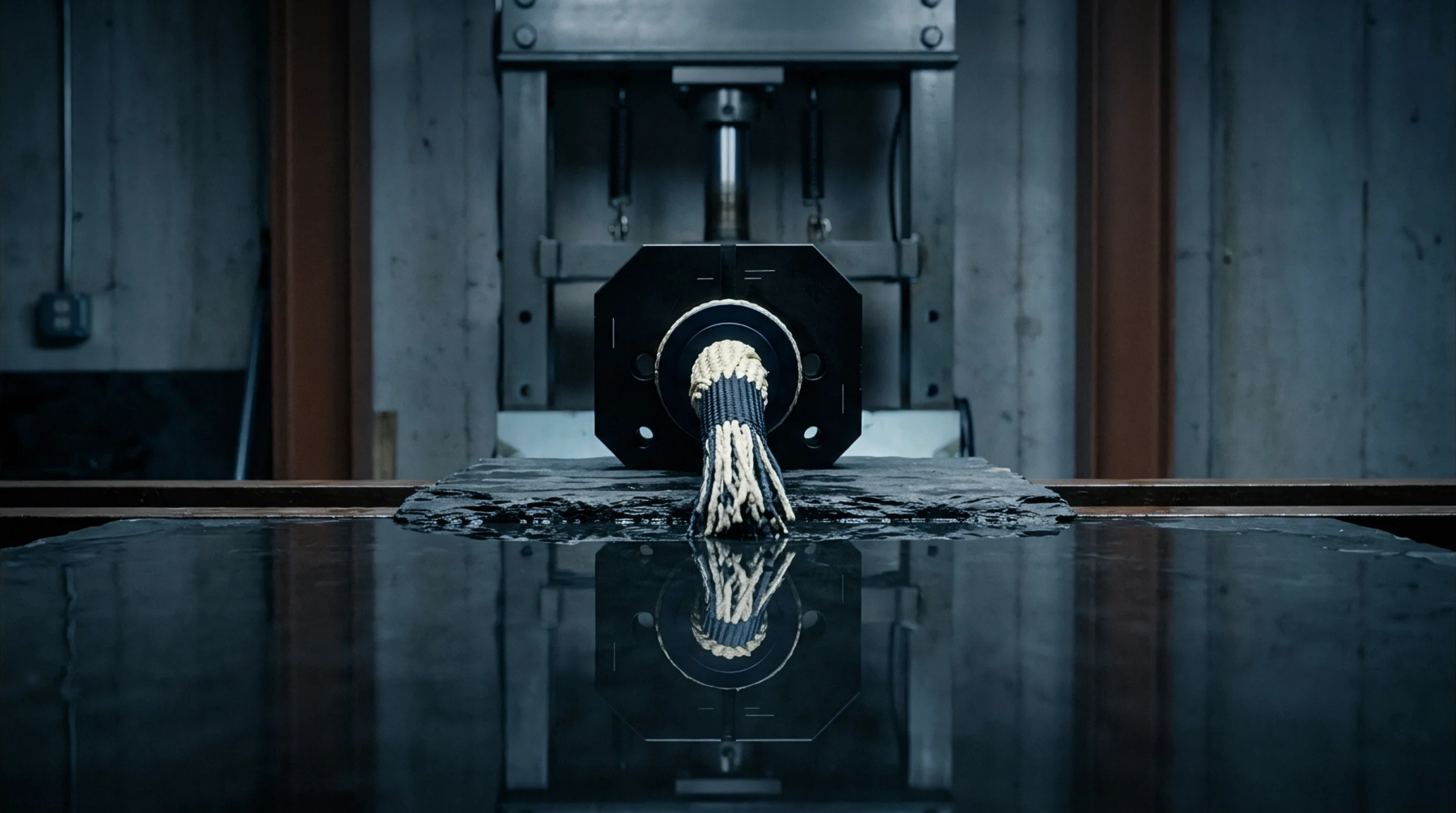
Industrial cross-linking locks flax yarn mobility, driving tear strength losses up to forty percent while restricting structural shear resistance.
Expertise is a utility, not a secret. sentiention™ publishes its working knowledge as open reference: intelligence layer covering the materials it sources, the markets it enters, and the reference that serves both.