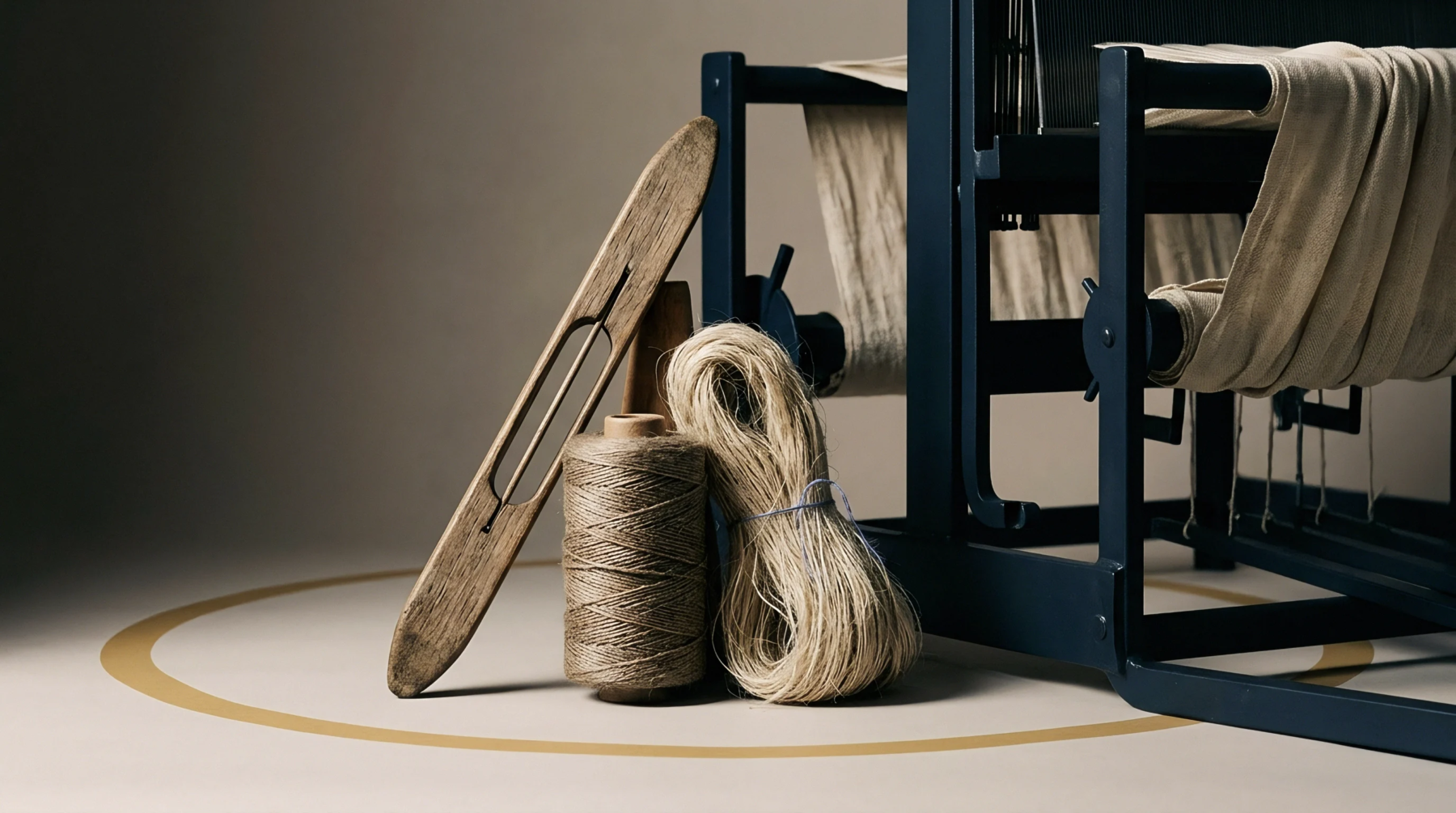
Rapier against Air-Jet Sheds for Wet-Spun Linen Warps
Positive rapier insertion handles low-elongation wet-spun linen warps reliably, while air-jets trigger high stop rates, pneumatic costs, and greige faults.
Positive rapier insertion handles low-elongation wet-spun linen warps reliably, while air-jets trigger high stop rates, pneumatic costs, and greige faults.
Linen yarn counts and cloth weight must be verified against dry fiber mass plus standard 12 percent moisture regain to eliminate costly moisture billing errors.
Optimizing fine bast warp sizing with PVA acrylic blends and gentle rapier kinematics lowers loom stoppages below 1.5 breaks per 100,000 picks.

Insertion reliability in dense wet spun linen depends on size film cohesion and precise unguided rapier trajectory to limit peak tension under 4.5 cN/tex.
Optimize flax wet spinning by maintaining attenuation troughs at 68-72°C with soft water to dissolve pectins without degrading elementary fiber tensile strength.

Selective pectin degradation paired with tuned hackling pin density maximizes fibre bundle separation while retaining staple length for fine wet spinning.
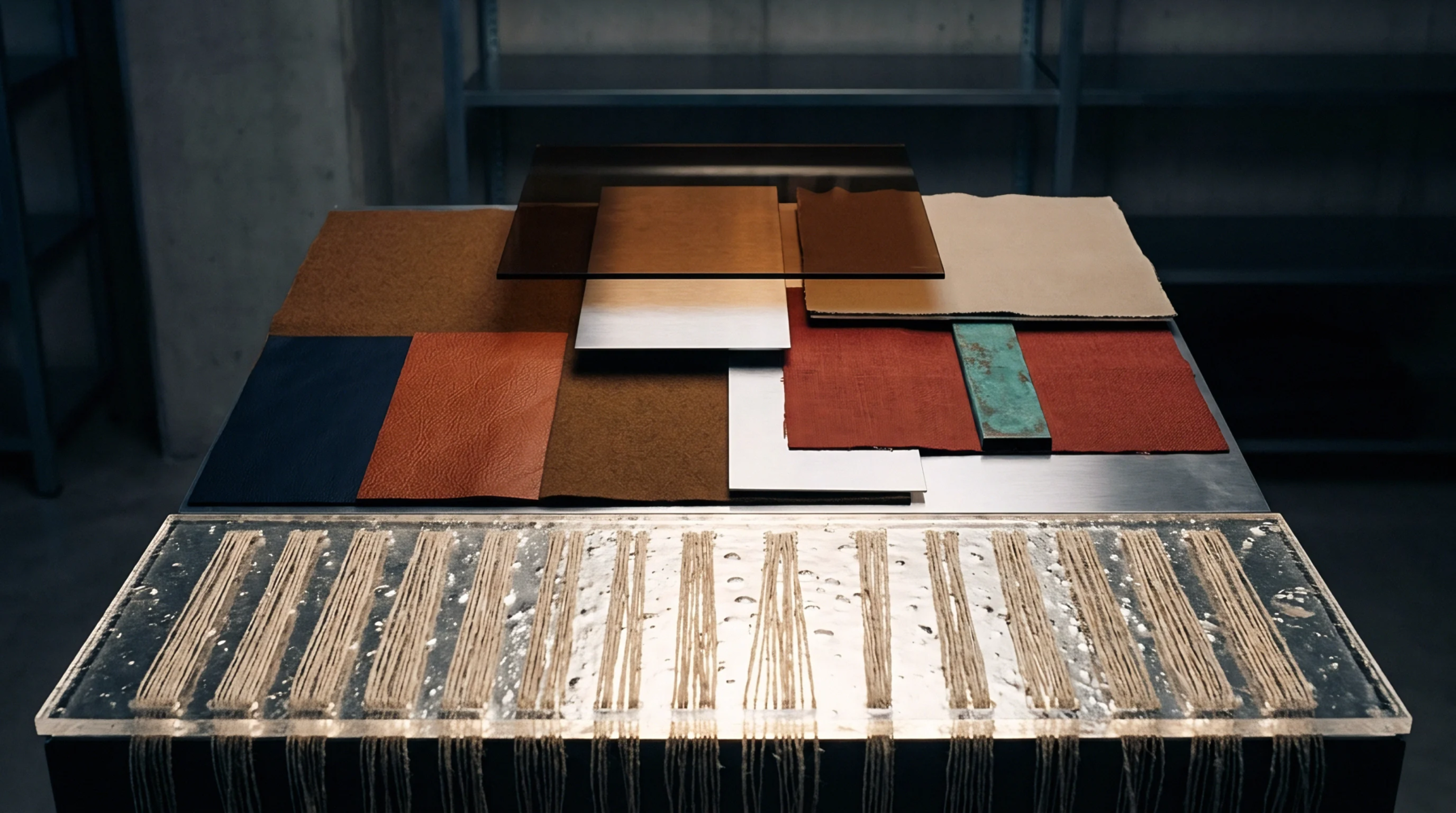
Wet-spun linen warps demand a minimum tenacity of 18.5 cN/tex with under 1.2% beaming stretch to maintain loom stop rates below 1.5 per 100,000 picks.

Optimizing air jet linen shedding requires asymmetric harness levelling at 26 millimetres to balance relay nozzle clearance with tension limits.
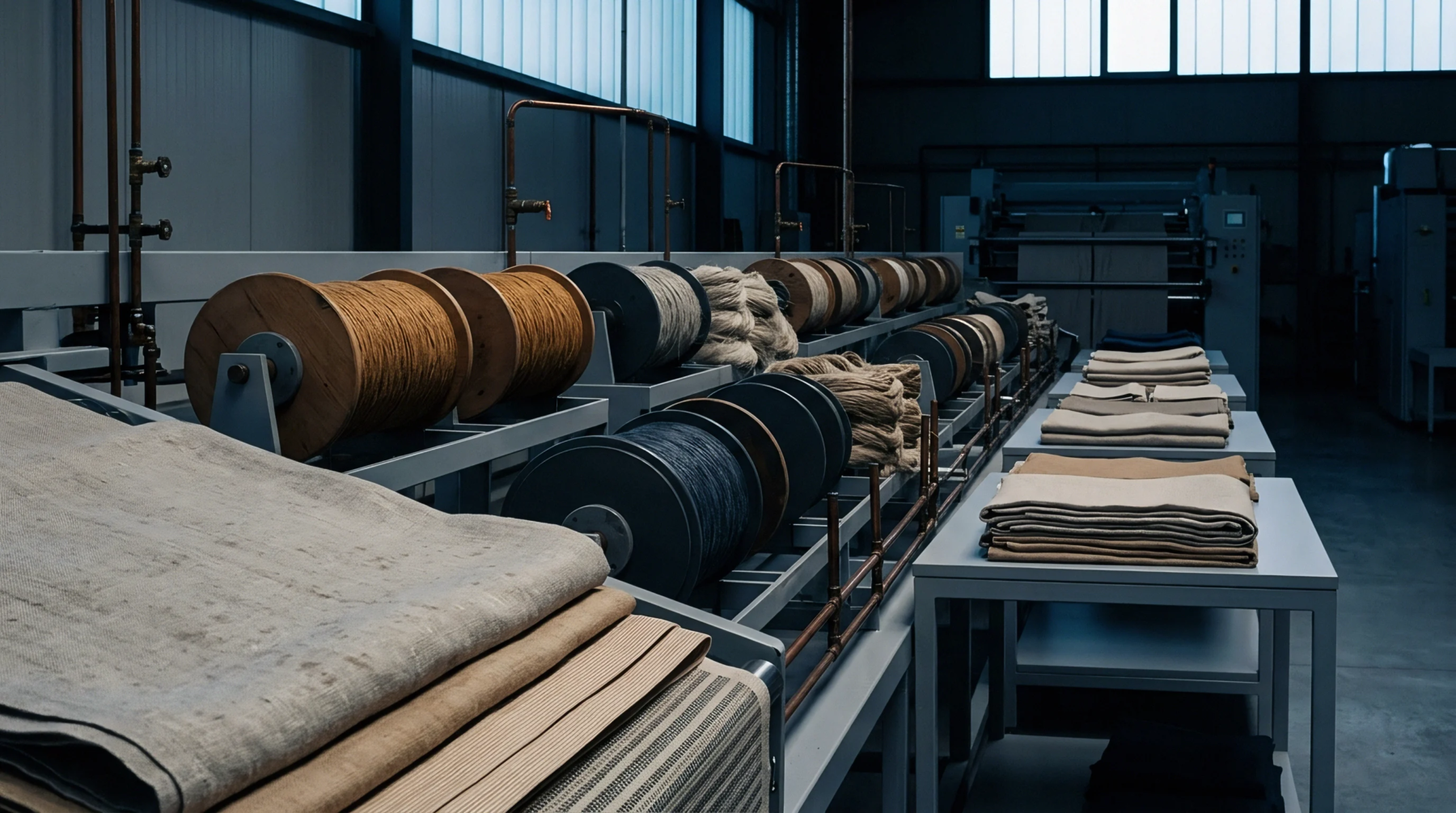
Optimal PVA size pick-up on flax warps ranges from 8.0 to 9.0 percent dry weight, balancing yarn friction resistance with hot-water desizing washability.

Hot water trough temperatures between 68°C and 74°C plasticize middle lamella pectins, preventing microfibril rupture and securing fine yarn counts up to Nm 80.
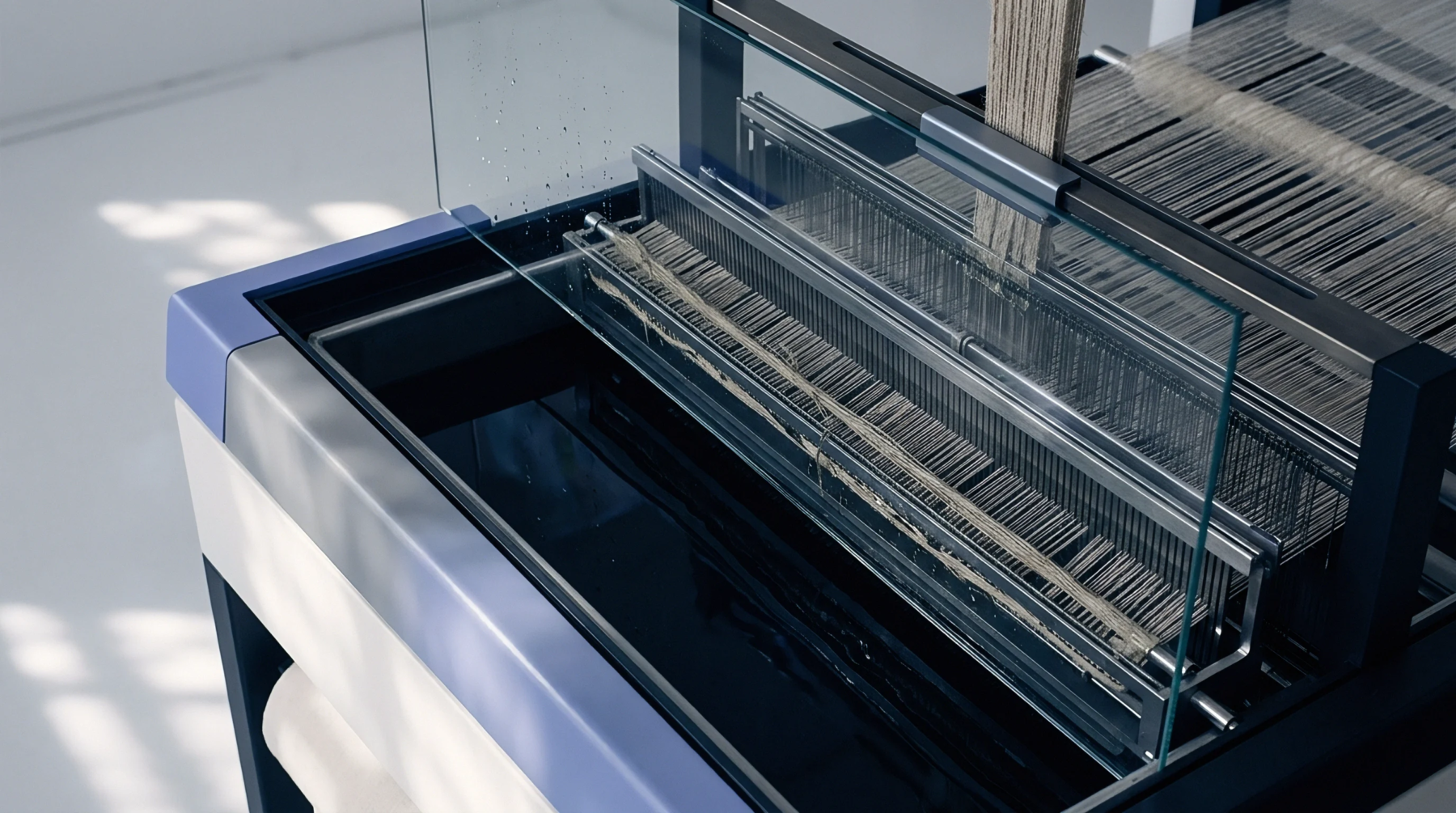
Optimize high-density linen warping via low-drag ceramic creels, 7-degree drum cones, 10% PVA-starch add-on, and 8-tier splitting to keep loom stops below 1.5.

Optimizing PVA starch sizing rheology suppresses micro-fibrillar friction spikes on fine wet spun flax warps, preventing clingage and raising loom efficiency.

Distinguish splice rupture from size film failure by inspecting fiber tail slip length versus parent yarn twist retention under optical magnification.
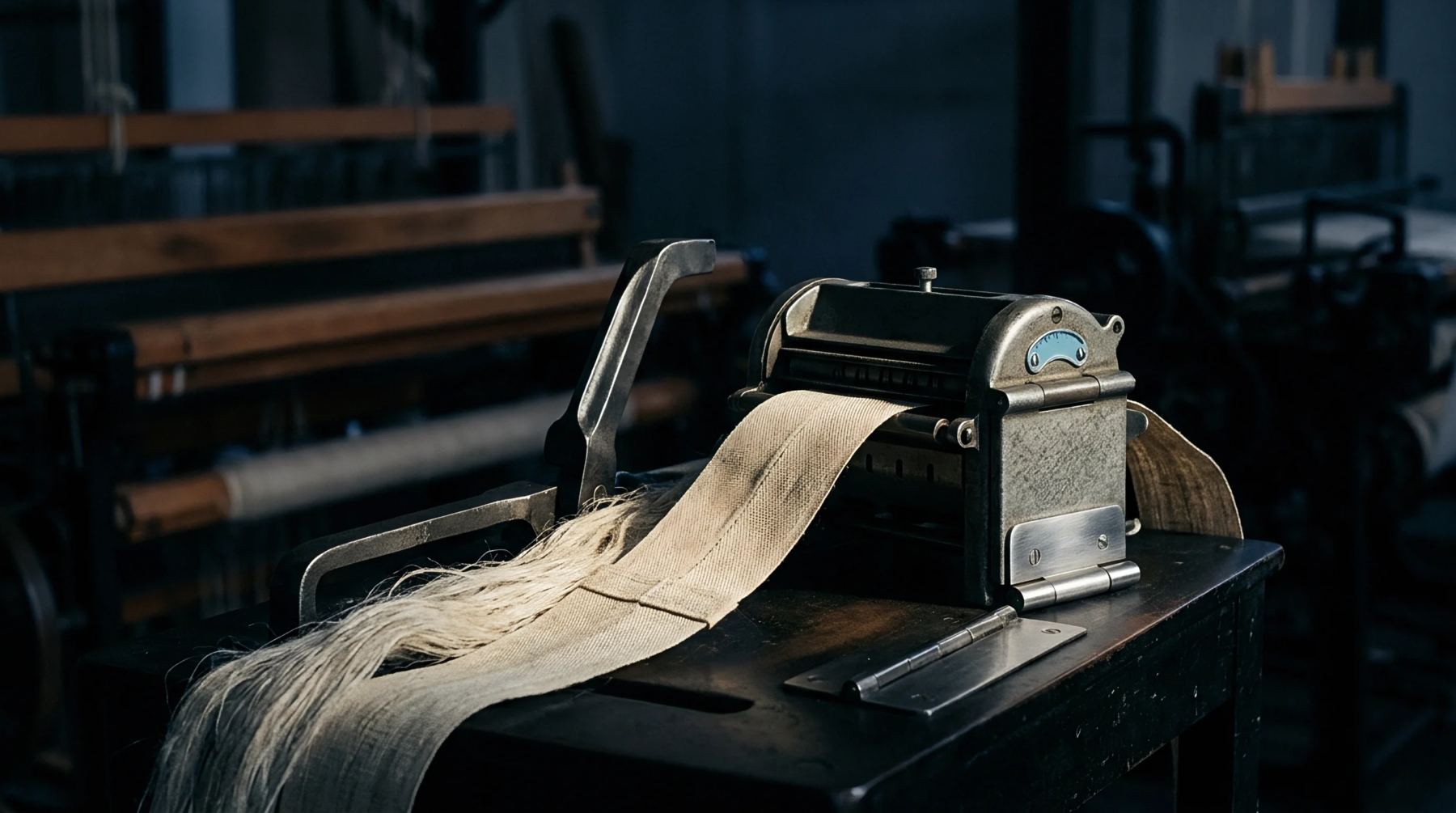
Optimizing profile reed depth and relay nozzle timing reduces air-jet pressure drops and drag stops when weaving high hairiness bast fiber warps.

Throttling air jet pressure below 0.54 MPa on linen weft cuts compressor load but spikes stoppage rates, raising net weaving cost per metre.

Dynamic optical rail control compensates for wet flax traveller friction in real time, suppressing tension spikes to lower fine count end breakage by over sixty percent.
Fine linen wet spinning demands trough water at 65 to 75 degrees Celsius with controlled surfactants to dissolve middle lamella pectins before the drafting nip.
Optimizing starch and PVA size rheology balances shear-thinning viscosity for precise core penetration, reduced warp stops, and maximum air-jet loom output.
Heating wet drafting bath fluid to 68°C balances pectin relaxation with hydrodynamic drag, stabilizing Nm 80 flax drafting tension below 0.12 N.
Polyuronide extraction kinetics dictate middle lamella shear failure, establishing draft speed ceilings to prevent yarn delamination and mass variation.

Wet drafting speed limits in bast fibre spinning depend on non-isothermal viscous heating and extensional pectin film strain hardening.

Controlled 11% regain prevents bast matrix delamination, cutting loom stops to under 1.5 per 100k picks to secure full shed efficiency.
Polymer single-end sizing binds wet-spun linen fibrils below 50 s3 hairs per 100m, elevating loom speed to 700 ppm and cutting total landed weaving costs.

Retaining 1.8 percent pectin content preserves middle lamella cohesion, extending shuttleless linen warp fatigue limits past 120000 cyclic bends.
Modified starch hybrid sizing films maintain dynamic yield thresholds above 3.5 percent at 15 Hertz, preventing brittle shed flaking and sustaining loom efficiency.

Dynamic tensile stress accelerates microstructural cell wall dislocation propagation in single flax fibres, mandating strict mechanical and audit qualification.
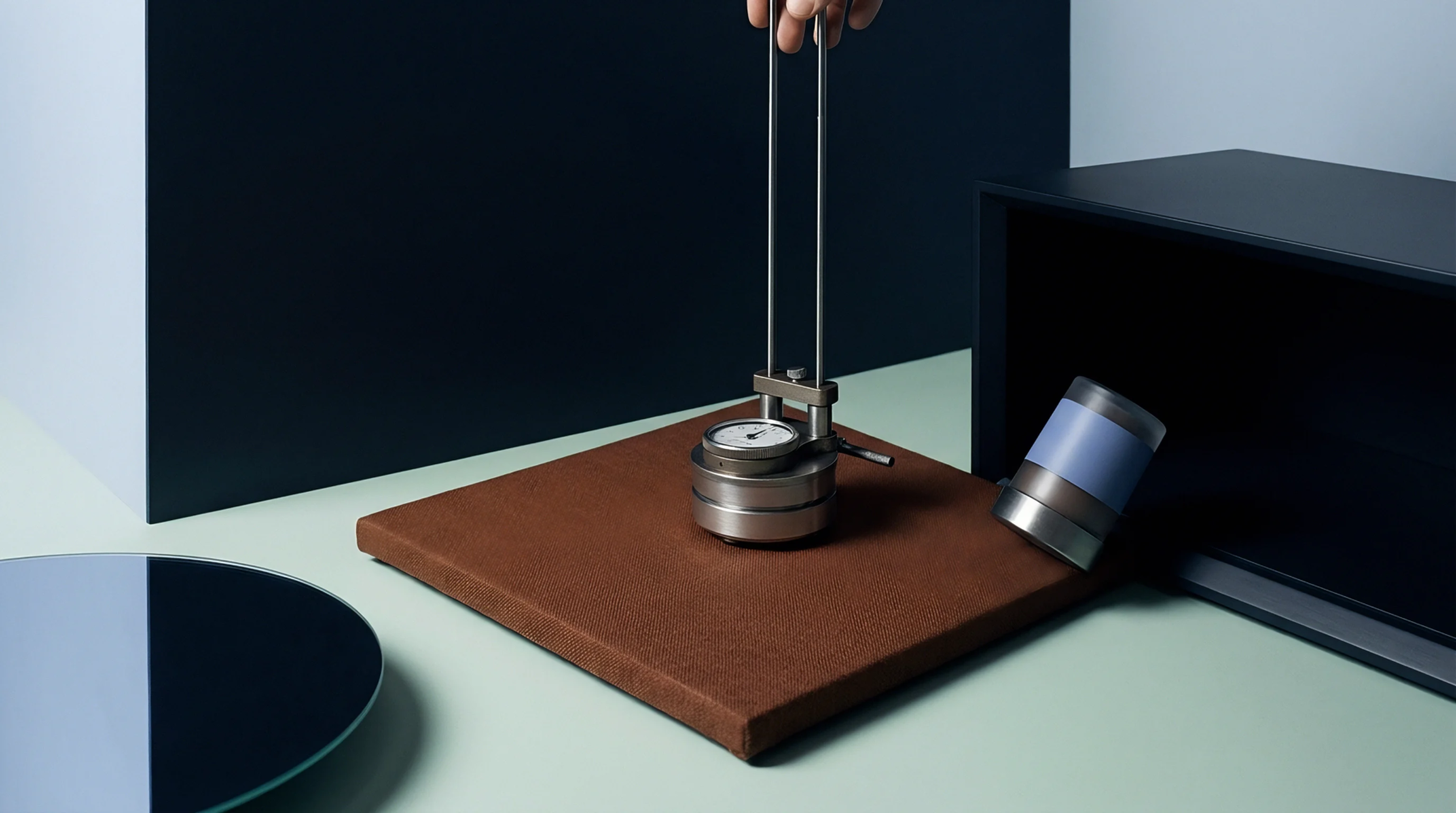
Polymer binders preserving tensile strength under loom abrasion require low bath viscosity, ductile synthetic additives, and precise surface encapsulation.
Grounding linen warp stop baselines requires linking wet-spun sizing encapsulation and asymmetric shed geometry to hold stops between 2.0 and 4.0 per 100k picks.
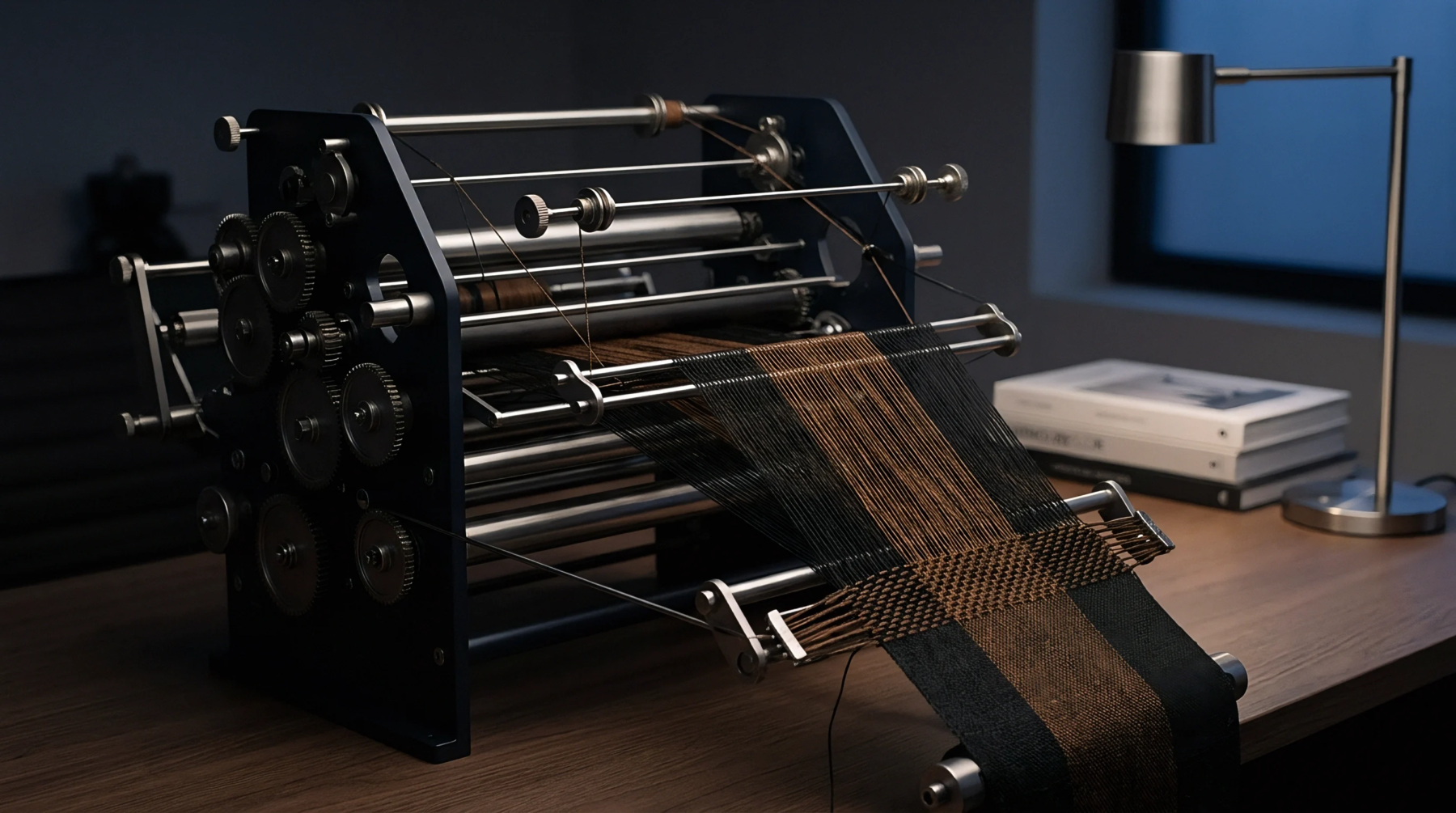
Unabsorbed overhead rates calculate unrecovered fixed plant expenses by multiplying idle machine hours from friction warp stops by the predetermined hourly rate.

Quantifying residual galacturonic acid between 1.7 and 2.4 percent optimizes wet drafting glide, cutting spindle breaks and waste while capping landed yarn costs.
Expertise is a utility, not a secret. sentiention™ publishes its working knowledge as open reference: intelligence layer covering the materials it sources, the markets it enters, and the reference that serves both.