
Flax Retting Methods and Raw Fiber Sourcing Essentials
Flax retting breaks down stalk pectin to separate spinnable fibers, requiring strict moisture control and scope-verified chain of custody to secure origin.
Flax retting breaks down stalk pectin to separate spinnable fibers, requiring strict moisture control and scope-verified chain of custody to secure origin.

Alkaline scouring degrades flax yarn strength when cellulose degree of polymerization drops below 900, requiring strict intrinsic viscosity controls during package processing.

Verify dry-matter pectin loss and normalize roving moisture to ensure mass balance integrity across organic flax wet spinning troughs.

Multi-isotope mapping of strontium and oxygen provides an empirical origin gate that exposes commingled or substituted linen independent of paperwork claims.

Strontium isotope mass spectrometry isolates bioavailable soil ratios in flax cellulose, enabling direct verification of European origin against mill declarations.

Fine linen conversion baselines require dry-weight mass balance tracking across hackling, boiling, and wet spinning to verify certified fiber origin.

Off-shore flax spinning mass balance reconciliation demands matching certified fiber import weight to yarn output weight through dry-basis yield adjustments
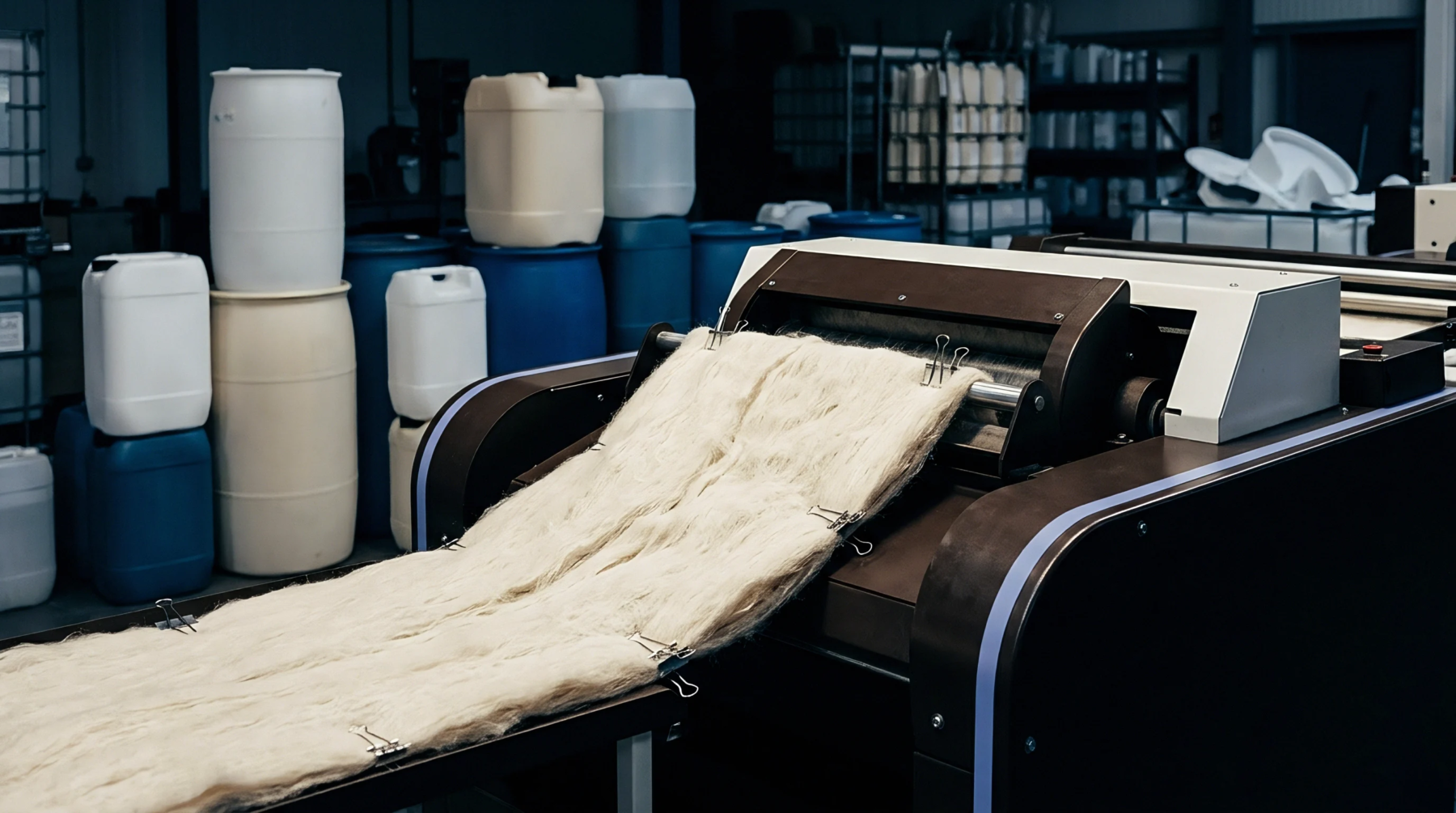
European Flax verification requires matching batch Transaction Certificates with valid supplier Scope Certificates and auditing mill mass-balance yields.

Proving non-preferential origin for Asian spun linen yarns demands mill-level mass-balance audit trails connecting European raw flax to yarn batches.

Reconciling mass balance in Asian flax wet spinning demands strict dry-mass tare auditing, tow yield accounting, and certified credit ledger validation.

Verify European Flax scutched line through scope certificates, lot-matched transaction certificates, and rigorous hackling-to-spinning mass balance audits.

Isotope ratio mass spectrometry establishes European flax provenance in blended yarns by mapping stable isotope values against regional geographic baseline databases.

Verify Chinese linen wet spinning mass balance by deducting verified combing tow and pectin extraction losses from oven-dry commercial intake weights.

Reconciling European Flax certificates against Chinese mill intake requires balancing physical bale tags, mass-loss conversion yields, and transaction papers.

Mass balance credit pools manage voluntary inventory claims administratively, while statutory customs origin depends exclusively on physical transformational processing.

Verify physical flax batch identity by reconciling bale barcodes, yield conversion balances, and transaction certificates before approving spun yarn dispatches.

Verify European Flax certificates by balancing scutched flax intake against spinning yields, matching lot numbers, and confirming valid Transaction Certificates.

Wet spinning trough extraction rates between 2.2% and 3.5% dry mass optimize yarn cohesion while maintaining European Flax mass-balance compliance.

European Flax ring spinning mass balance audits require moisture-adjusted dry fiber weight reconciliation across every transformation stage from raw bale to spun package.
Expertise is a utility, not a secret. sentiention™ publishes its working knowledge as open reference: intelligence layer covering the materials it sources, the markets it enters, and the reference that serves both.