
Verifying European Flax Scope Certificates against Chinese Mill Intake Records
Reconciling European Flax certificates against Chinese mill intake requires balancing physical bale tags, mass-loss conversion yields, and transaction papers.
Reconciling European Flax certificates against Chinese mill intake requires balancing physical bale tags, mass-loss conversion yields, and transaction papers.

Origin audits reconcile scutched flax inputs to spun yarn outputs by calculating moisture regain, mechanical hackling yields, and wet bath pectin losses.
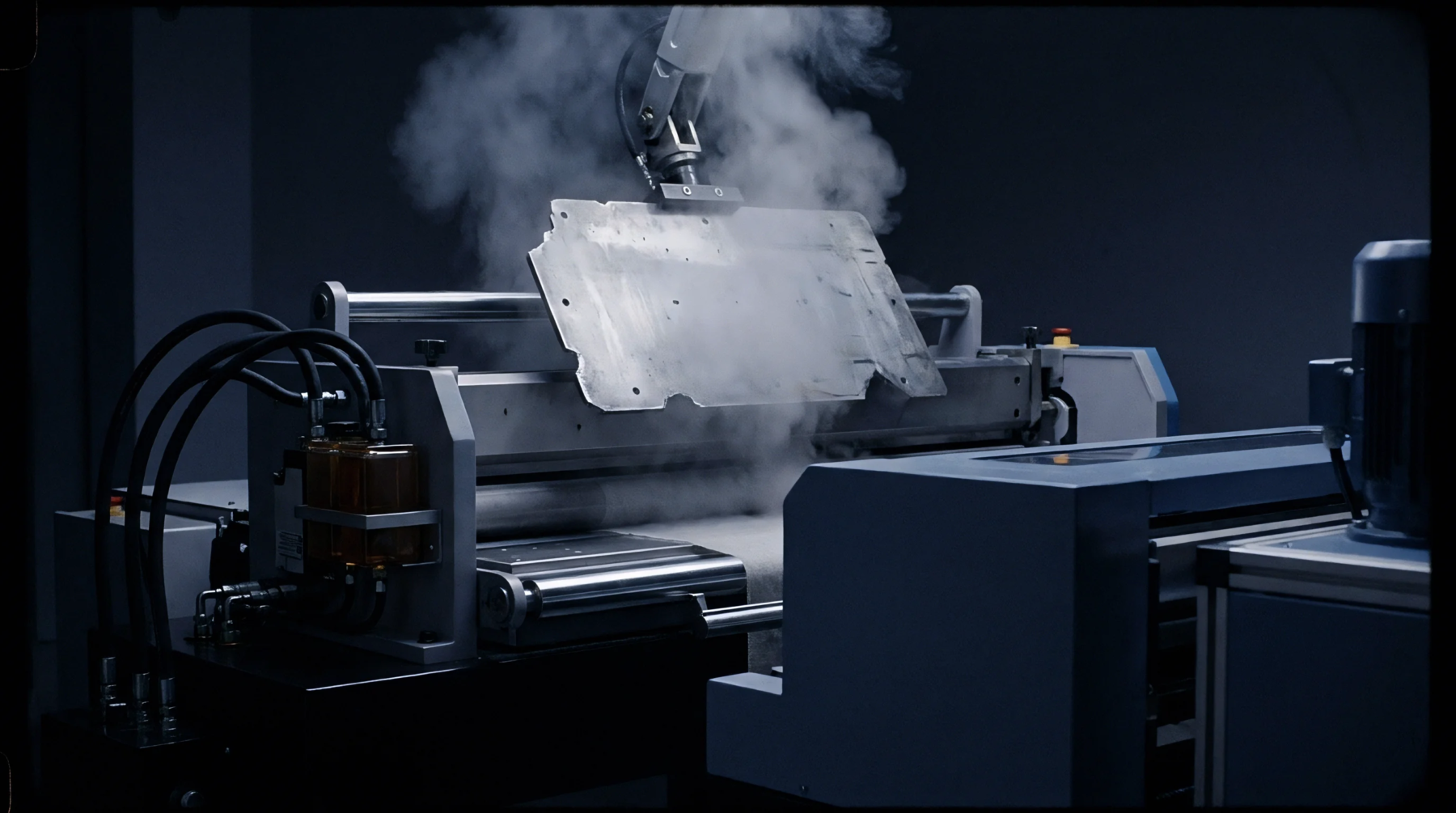
Resolving multi-country linen origin claims requires matching physical finishing mechanics to specific destination customs transformation thresholds.

Tariff shift for linen requires verifying mechanical transformation at each HS heading, from raw fiber to spun yarn and woven cloth, backed by lot-level mill logs.

Scutching confers non-preferential origin when mechanical decortication permanently transforms raw straw into clean fiber under verified mass balance audit dockets.

Physical chain of custody locks raw fiber origin to individual yarn bolts, while mass balance credit swapping balances paper accounts without physical tracing.

Reconciling spinning mill mass balance ledgers requires verifying raw intake certificates against physical machine yields, waste rates, and packaged yarn sales.
Auditing spinning mill mass balance requires reconciling net dry fiber intake against yarn output, waste logs, and moisture adjustments across fixed audit windows.

Non-preferential origin for woven linen fabric assigns strictly to the country where yarn is woven into greige cloth on industrial looms under tariff shift rules.
Expertise is a utility, not a secret. sentiention™ publishes its working knowledge as open reference: intelligence layer covering the materials it sources, the markets it enters, and the reference that serves both.