
Verifying European Flax Input Certificates in Yarn Mills
Validate European Flax by cross-referencing certifier portal transaction numbers against mill mass balance yields and physical bale tags before paying yarn invoices.
Validate European Flax by cross-referencing certifier portal transaction numbers against mill mass balance yields and physical bale tags before paying yarn invoices.

European Flax chain of custody requires matching annual scope certificates to shipment transaction certificates and mass-balance yield logs at every mill.

Resolving multi-country linen origin claims requires matching physical finishing mechanics to specific destination customs transformation thresholds.

Wet spinning hackled flax roving into single yarn constitutes non-preferential substantial transformation, conferring customs origin where spinning frames operate.

Tariff shift for linen requires verifying mechanical transformation at each HS heading, from raw fiber to spun yarn and woven cloth, backed by lot-level mill logs.

Mechanical scutching parameters govern flax fiber separation efficiency, yield ratios, customs origin transformation, and commercial batch verification.

Verifying dual-country greige fabric weaving claims relies on matching loom telemetry and sizing mass balance against customs entry documents.

Substantial transformation audits in multi-country linen supply chains require linking lot-level transaction certificates from European flax fields to Asian spinning and weaving facilities to satisfy customs origin rules.

Hemmed imported linen sourcing requires Chapter 63 classification, mandatory transaction certificates matching lot yields, and origin proof at weaving.

Proving substantial transformation in cross-border linen finishing requires matching chemical mill execution dockets to exact HS tariff shift rules.

Isotopic testing exposes flax origin by comparing carbon, oxygen, and strontium isotopes against mass balance records to prevent Asian spinning mill blending.

Hackling yield limits govern origin proof: one hundred kilos of scutched flax produces fifty-eight kilos of line yarn, requiring tow mass tracking.

Statutory non-preferential origin depends on substantial processing steps, whereas voluntary chain-of-custody certificates track raw material identity.

Reconciling wet-spun long line flax demands subtracting hot-bath pectin extraction loss and comb waste from certified fiber transaction receipts.

Resolving isotopic database gaps for multi-region blended flax requires multi-element isotope unmixing models coupled with mill mass-balance audits.

Standard flax fiber corrections adjust billable consignment weight to a twelve percent regain baseline derived from laboratory-verified oven-dry mass.

Cross-border mass balance reconciliation requires normalizing physical fiber weights to 12% moisture regain and deducting process losses at every node.

Validating European Flax transaction certificates across spinning mills demands reconciling mass balance ratios against certifier lot numbers and invoice weights.

Bayesian isoscape analysis of multi-isotope ratios quantifies geographic constituent proportions in commingled yarn lots to catch fraudulent origin claims.

Graduated hackling pin density increases flax sliver tenacity by splitting bundles until needle pitch falls below bundle diameter, causing fiber truncation.

Resolving customs provenance discrepancies rests on aligning mill mass-balance ledgers with isotopic fiber profiling across intermediate production lots.

Non-European flax fiber substitution in transferred yarn stocks is capped at zero percent for pure European Flax and Masters of Linen claims.
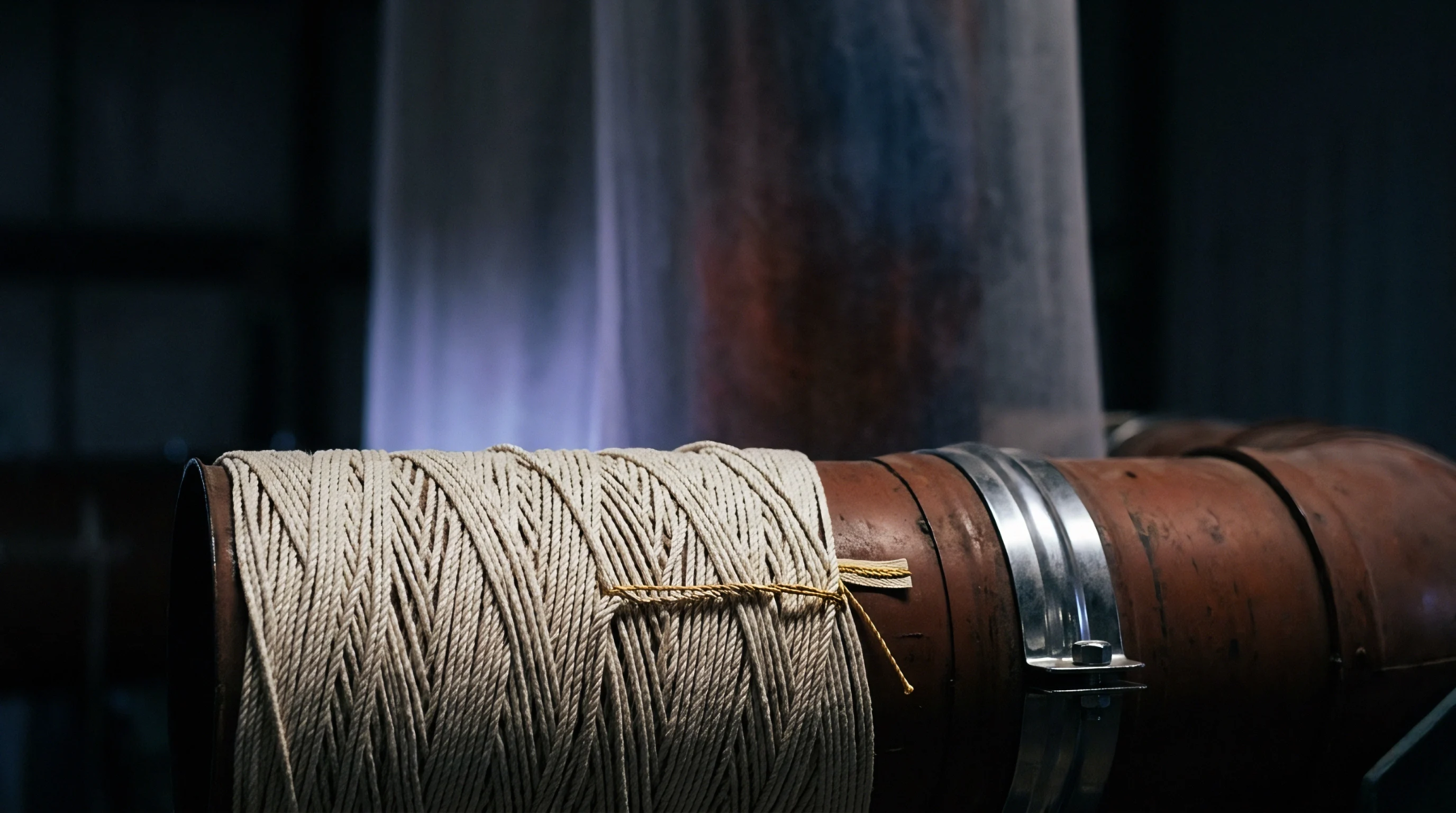
ISO 22095 mass balance allocation demands dry-mass baselines and process waste reconciliation to stop certified credit inflation in mixed flax spinning.

European Flax chain of custody requires batch-level Transaction Certificates for every transfer, separating raw fibre origin from customs manufacturing origin.

Mass balance weight verification between European scutchers and Asian mills requires normalizing scale weights to absolute dry mass plus twelve percent regain.

Customs country of origin depends on transformation laws like spinning and weaving, making fibre certificates invalid as sole statutory proof.

Cross-border flax provenance requires batch-level transaction certificates, physical bale segregation, and strict mass-balance waste reconciliation.

Verify raw flax origin by matching field cadastral logs to weighbridge moisture tickets, scope certificates, and scutching mass balance yield ratios.
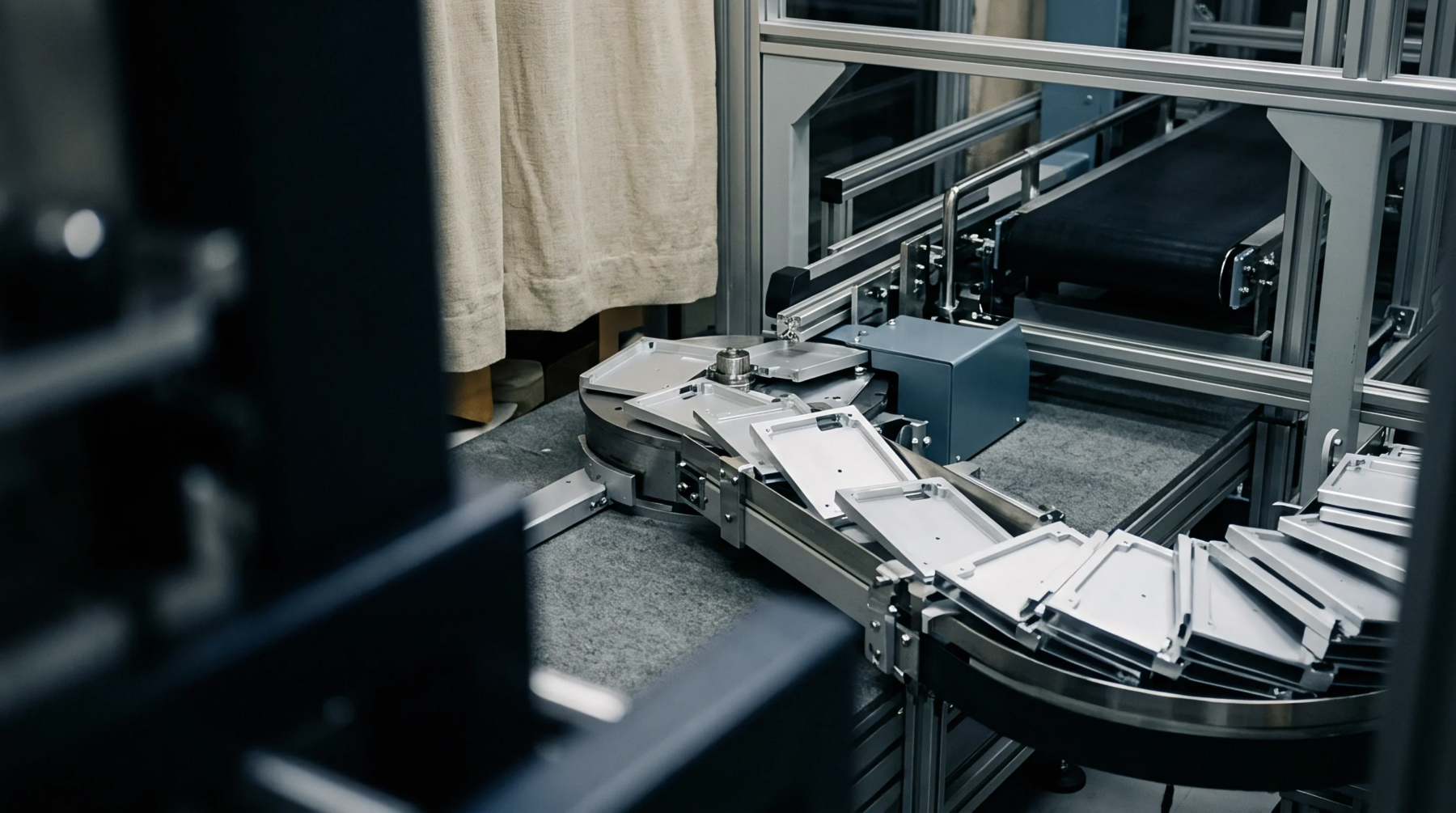
Optimize flax wet spinning by maintaining attenuation troughs at 68-72°C with soft water to dissolve pectins without degrading elementary fiber tensile strength.

Physical chain of custody locks raw fiber origin to individual yarn bolts, while mass balance credit swapping balances paper accounts without physical tracing.
Expertise is a utility, not a secret. sentiention™ publishes its working knowledge as open reference: intelligence layer covering the materials it sources, the markets it enters, and the reference that serves both.