Reconciling Transaction Certificate Weights against Solubilized Pectin Loss in High-Speed Wet Spinning
Reconciling wet spinning transaction weights requires adjusting bone-dry mass for 1.8 to 4.2 percent solubilized pectin loss measured via ISO 1833-22 extraction.


Dissolution

Macromolecular Extraction in Hot Aqueous Troughs
Flax bast fibers feed into high-speed wet spinning frames as roved strands held together by non-cellulosic polysaccharides. Raw fiber strength relies on the middle lamella, where polygalacturonic acid sequences form calcium-crosslinked pectin networks alongside hemicelluloses and lipophilic extractives. In high-speed ring wet spinning, this roving passes through a water trough kept between 60 °C and 75 °C. The hot water softens these encrusting compounds so the technical fibers can draft smoothly over each other to produce fine, uniform yarn.
Pectin holds the raw fibers together, but hot bath conditions weaken that bond. Roller shear and liquid agitation then wash dissolved pectin out of the strand bundle and into the bath. Assays of trough liquor show heavy concentrations of dissolved rhamnogalacturonans, monomeric galacturonic acid, neutral sugar side chains like arabinans and galactans, plus water-soluble proteins and waxes.
Because the fiber entering the frame changes physically and chemically before reaching the winder, the process causes a baseline drop in mass that standard transaction paperwork often misses.
Transaction certificates issued under organic and origin verification standards record the gross and net weight of certified roving delivered to the mill. Certification bodies compute mass balances by matching incoming fiber against outgoing yarn using official moisture regain rates ~ 12.0 percent for linen under ISO 6741 standards. Standard accounting adjusts for moisture shifts during atmospheric conditioning, but it assumes the dry fiber mass remains completely unchanged throughout processing.
When hot water strips organic solutes from the fiber, that assumption breaks down.

Pectin Decomposition Mechanisms under High Shear
How much non-cellulosic mass is lost depends on the thermal, mechanical, and chemical conditions inside the wet spinning trough. At typical delivery speeds of 18 to 28 meters per minute per spindle, fiber spends only 1.2 to 2.5 seconds in the water. Even during that brief passage, high bath temperatures and fluid friction strip 1.8 percent to 4.2 percent of total dry mass.
Soft-retted European flax generally sits near the high end of that range because its middle lamella has already undergone structural breakdown before spinning.
Extraction occurs in two stages: on first contact with hot water, low-molecular-weight organic matter dissolves almost instantly. Mechanical drafting under tension then snaps ester bonds in the larger pectin polymers, releasing soluble galacturonan chains into the bath. High delivery speeds increase fluid shear against the moving strand, carrying away loose microscopic fiber fragments alongside the dissolved pectin.
In practice, this combined loss regularly exceeds the standard shrinkage allowances built into chain-of-custody ledgers.
When an auditor inspects mill records, an unadjusted reconciliation shows an immediate material deficit. On paper, a mill takes delivery of 10,000 kilograms of certified organic or origin-verified flax roving. After wet spinning, skein winding, and drying, the scale shows 9,650 kilograms of finished yarn at the target moisture regain.
Standard audit software flags the 350-kilogram difference as potential stock substitution or material diversion, while spinners attribute the missing weight to wet processing loss, maintaining that dissolved organic matter simply went down the drain while the yarn itself remains fully compliant.


Trough

Thermal and Hydraulic Parameters of Extraction
Continuous water flow through high-speed wet spinning troughs prevents chemical equilibrium, preserving a sharp concentration gradient between the fiber core and the surrounding bath. Water flow is typically set between 4 and 8 liters per hour per position so dissolved pectin cannot settle back onto drafting rollers or yarn guides. Fresh water enters at 65 °C to 70 °C while spent liquor overflows into wastewater drains, maintaining high extraction rates throughout the run.
Operating conditions change the dry mass of the fiber well before yarn reaches the winder. Trough water pH, for instance, directly affects pectin solubility; unbuffered municipal water often drifts between pH 6.8 and 8.2. Mildly alkaline water accelerates beta-eliminative cleavage of pectin ester bonds, increasing mass loss through faster polymer breakdown.
Softened water containing sodium salts lowers divalent cation concentration, pulling calcium out of the pectin gel matrix and making it dissolve far more rapidly.
| Spinning Speed (m/min) | Trough Temp (°C) | Bath pH Range | Mean Pectin Loss (%) | Total Soluble Loss Range (%) |
|---|---|---|---|---|
| 15 – 18 | 60 – 62 | 6.5 – 7.0 | 1.85 | 2.10 – 2.45 |
| 19 – 22 | 63 – 67 | 7.1 – 7.5 | 2.40 | 2.60 – 3.10 |
| 23 – 26 | 68 – 72 | 7.6 – 8.0 | 3.15 | 3.35 – 3.95 |
| 27 – 30 | 73 – 78 | 8.1 – 8.5 | 3.80 | 4.10 – 4.75 |
Total mass loss depends on the combined effects of spindle speed, draft ratio, and liquid velocity. Higher draft ratios put greater mechanical tension on individual strands, exposing more surface area to the wash. Yarn fineness plays a role as well: fine flax spun to high metric counts loses a larger percentage of pectin than coarse yarn because of its higher specific surface area per unit weight.
Should High Speed Wet Spinning Alter Transaction Weights?
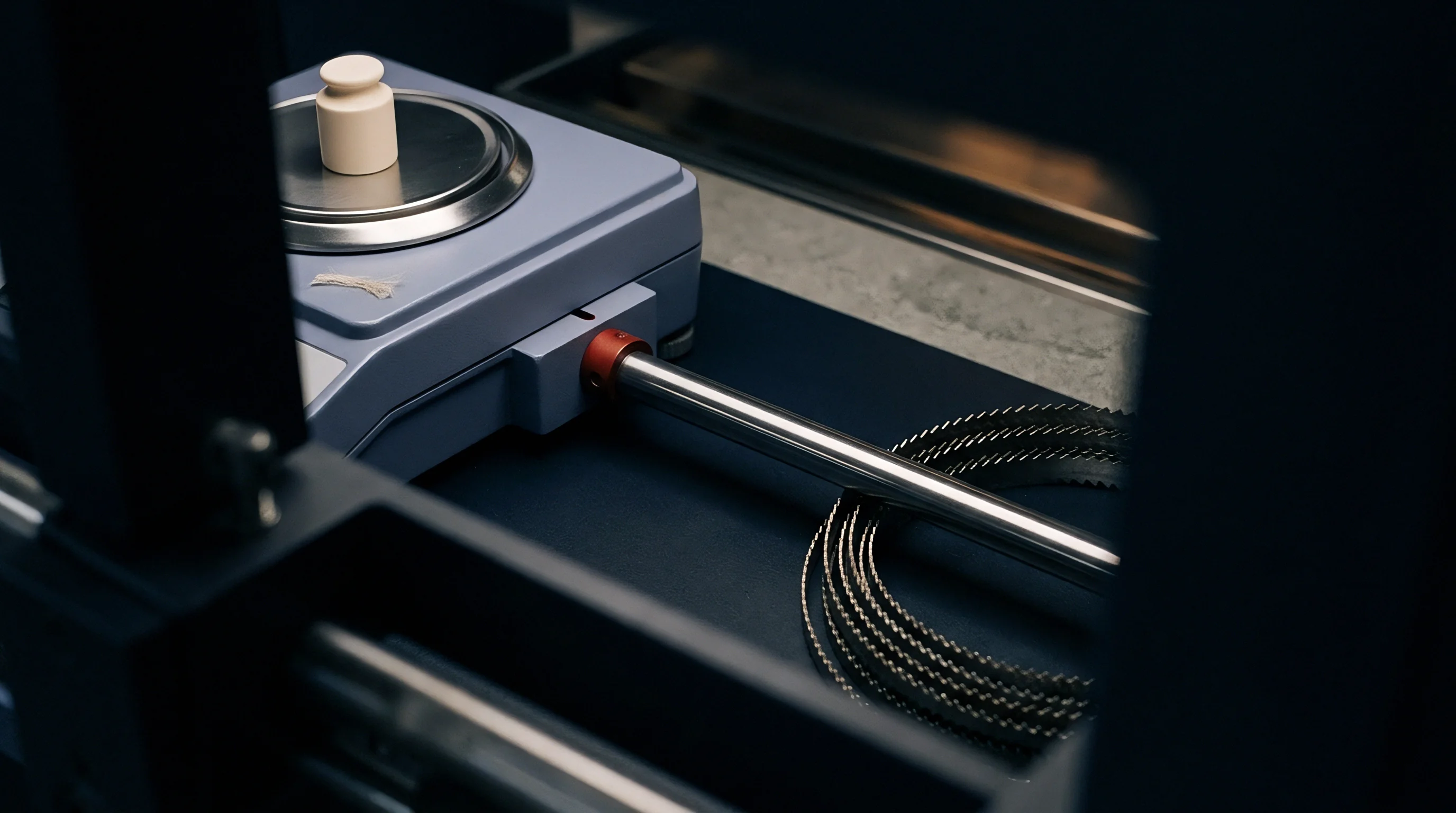
Gaps between theoretical input mass and physical output weight create friction between certified mills and chain-of-custody standard bodies. Scope certificates verify that a mill can process certified fiber, while transaction certificates track specific lots transferring between buyer and seller. When roving weight is logged strictly as dry mass plus commercial regain, natural chemical losses in wet spinning leave an unresolved shortfall in standard certification systems.
Audit standards require strict accounting for all input material. When processing losses exceed baseline allowances, auditors open non-conformity investigations. Mill managers must then either reduce their certified output volume claims or demonstrate that missing weight consists entirely of solubilized pectin and mechanical fly.
Proving that distinction requires regular chemical sampling of trough liquor, establishing baseline non-cellulosic content in incoming roving lots, and running detailed mass balance calculations across every production run.
Water extraction at 70 °C under high fluid shear reduces dry flax fiber mass by an average of 3.15 percent across standard industrial yarn counts.
Tracking material movement through wet spinning requires monitoring at several physical checkpoints in the mill. Without defined measurement points, a plant risks audit failures and financial losses if transaction certificates are held up for finished yarn stock.
- incoming roving bale weight must be verified at arrival using calibrated scales, recording tare weight, net weight, and core moisture content;
- bone-dry mass calculations must be established by oven-drying representative roving samples in accordance with ISO 6741-2 protocols;
- trough liquor extraction samples must be collected every eight hours to measure total dissolved solids and pectin concentration using spectrophotometric methods;
- yarn package mass must be weighed immediately after doffing, prior to drying, to determine gross wet mass balance;
- final package conditioning mass must be recorded after standardized atmosphere equilibration to establish net yarn delivery weight.
Without this tracking protocol, auditors typically assume that missing mass indicates uncertified fiber diversion. Certification bodies routinely reject mass variance claims over 2.0 percent unless backed by lab proof of dissolved pectin fractions. An unadjusted ledger then leaves an apparent surplus of unspun material on the books, triggering investigations that can suspend a mill’s scope certificate.
Will transaction certificate protocols evolve to incorporate automated chemical mass loss correction factors for wet processing operations?


Recalibration

Governing Mathematical Equations for Mass True Up
Reconciling transaction certificate weights against pectin loss requires isolating chemical extraction mass from moisture shifts and mechanical waste. Net fiber weight on an incoming transaction certificate represents gross weight adjusted for moisture and scaled to commercial regain. Determining the absolute dry weight of incoming fiber constituents provides the actual starting point for mass balance verification.
The extractable non-cellulosic mass is determined by testing residual pectin in dry roving before creeling. Let Min represent total certified net weight on the input transaction certificate, Rin the measured moisture percentage of incoming roving, and Rcomm the commercial regain rate for flax (12.0 percent). Absolute dry mass of incoming fiber Mdryin is calculated as:
Mdryin = Min × left( frac100100 + Rcomm right) × left( frac100 – Rin100 right)
Chemical solubilization loss (Lpectin) is derived from the difference between dry roving non-cellulosic content (Cpectinin) and residual non-cellulosic content in dry yarn (Cpectinout). Mechanical waste (Mwaste), including fly and bobbin waste, is weighed directly from collection bins. Reconciled output mass for transaction certificate issuance (Mtcout) at target moisture regain follows the true-up formula:
Mtcout = left × left( 1 + fracRcomm100 right)
In audits of spinning logs across five Jiangsu mills, unrecorded mass deficits averaged 3.2 percent on 100 percent European Flax certified lots. This missing weight corresponds directly to solubilized pectin fractions lost to mill wastewater streams. Adjusting for this extraction with the true-up formula brings transaction ledgers back within the 0.5 percent reconciliation tolerance required by international certification schemes.
Commercial regain calculations applied to unadjusted wet-spun yarn weights create artificial volume deficits on transaction records.

Worked Case Accounting for 10000 Kilo Batch
Consider a batch of 10,000 kilograms of certified 100 percent European Flax roving entering a wet spinning plant. Its transaction certificate lists a net certified weight of 10,000.00 kg at standard 12.0 percent commercial regain. On delivery, mill laboratory testing shows an actual moisture content of 11.5 percent and a dry-basis pectin content of 4.80 percent.
The roving is creeled onto wet spinning frames operating at a delivery speed of 24 meters per minute, with trough water held at 68 °C and pH 7.4. Floor waste and mechanical fly collected during the run total 120.00 kg of dry fiber. After spinning, drying, and conditioning, the yarn reaches target 12.0 percent commercial regain, and lab extraction tests show residual dry pectin content down to 1.65 percent.
| Processing Phase | Gross Mass (kg) | Moisture Regain (%) | Dry Fiber Mass (kg) | Pectin / Soluble Mass (kg) | Net Certified Mass (kg) |
|---|---|---|---|---|---|
| Input Roving (TC Claimed) | 10,000.00 | 12.00 (Standard) | 8,928.57 | 428.57 | 10,000.00 |
| Actual Input (Lab Measured) | 9,955.36 | 11.50 (Actual) | 8,928.57 | 428.57 | 10,000.00 |
| Trough Solubilization Loss | – | – | 281.25 | 281.25 | -315.00 |
| Mechanical Fly & Waste | 134.40 | 12.00 (Standard) | 120.00 | 5.76 | -134.40 |
| Theoretical Output Yarn | 9,550.60 | 12.00 (Standard) | 8,527.32 | 141.56 | 9,550.60 |
| Reconciled Mass Balance | 9,550.60 | 12.00 (Standard) | 8,527.32 | 141.56 | 9,550.60 |
Without adjusting for pectin loss, output inventory shows 9,550.60 kg of yarn against an incoming transaction certificate of 10,000.00 kg. An unadjusted audit flags 449.40 kg (4.49 percent) as missing material. Subtracting 134.40 kg of measured certified waste leaves 315.00 kg of unexplained loss.
Applying the recalibration formula confirms that this 315.00 kg of net-certified equivalent mass (281.25 kg dry mass) was dissolved in the trough as organic pectin fractions, establishing chemical extraction rather than material diversion.
Failing to document extraction loss causes recurring operational and regulatory issues across the supply chain. Problems arise whenever raw physical weights are entered into chain-of-custody ledgers without processing adjustments.
- Uncertified Volume Deductions occur when certifiers unilaterally strip volume from valid output transaction certificates to match raw yarn scale weights;
- Tax and Duty Discrepancies arise at import customs when physical shipment net weight falls below declared preferential origin transaction certificate mass;
- Scope Certificate Non-Conformities are issued during annual audits due to apparent mass balance deficits exceeding standard 2.0 percent thresholds;
- Financial Margin Erosion hits spinning mills when certified fiber purchased at high surcharges cannot be fully billed as certified yarn output;
- Supply Chain Origin Claims Break when downstream weavers receive transaction certificates carrying lower fiber weights than invoice packing lists.
Filing transaction certificate requests without accounting for chemical loss often prompts certification bodies to investigate for inventory fraud. If physical shipping weights fail to match system input minus basic waste allowances, certifiers halt certificate issuance, holding up shipments in bonded warehouses while lab verification takes place.


Sampling
Standardized Analytical Protocols for Pectin Loss
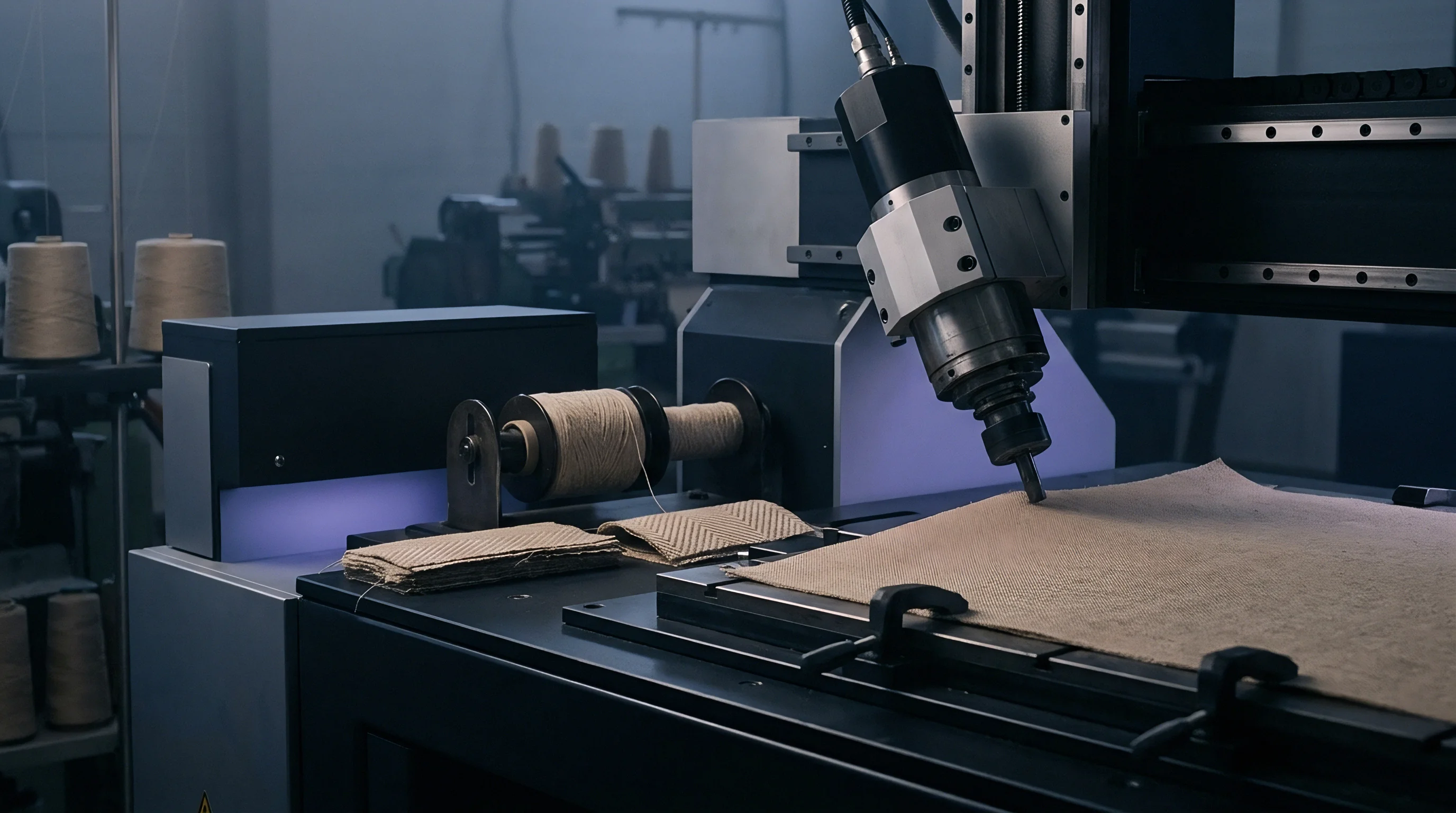
Defending chemical mass loss during audits requires laboratory testing on incoming roving and outgoing yarn. Standard chemical analysis uses selective extraction sequences to quantify water-soluble compounds, pectin, hemicellulose, and encrusting matter. ISO 1833-1 governs quantitative analysis of fiber mixtures, while modified ISO 1833-22 methods isolate non-cellulosic organic matter from bast fiber structures.
Testing begins by measuring total water-soluble extractives through continuous Soxhlet extraction or pressurized hot water. Oven-dried roving samples are boiled in distilled water for 120 minutes to dissolve low-molecular-weight carbohydrates and free pectins. The extracted liquor then undergoes ammonium oxalate treatment (0.5 percent concentration at 85 °C for 180 minutes) to isolate high-molecular-weight calcium pectate complexes, followed by spectrophotometric measurement using carbazole or meta-hydroxydiphenyl methods to quantify galacturonic acid content.
Testing needs to happen at set intervals to account for seasonal variation in flax retting. Soft-retted flax harvested in wet autumn conditions shows higher initial solubility and weaker pectin cross-linking than green or under-retted fiber. Regular lab verification builds the historical baseline needed to support batch-specific mass balance adjustments during audits.

Laboratory Verification Sequence
Mill laboratories should follow a standardized testing sequence when preparing audit documentation. Reliable baseline data prevents delays and financial disputes.
- Draw representative core samples from 10 percent of incoming roving bobbins per lot in accordance with ISO 5079 sampling guidelines.
- Determine incoming specimen moisture content immediately by oven drying at 105 °C to constant mass as specified in ISO 6741-2.
- Perform hot water extraction on dry roving specimens using reflux apparatus for two hours to establish baseline water-soluble fraction weight.
- Subject extracted fiber to 0.5 percent ammonium oxalate solution at 85 °C to quantify total pectin content prior to wet spinning.
- Collect yarn packages from corresponding spinning spindles during production, taking samples across top, middle, and bottom bobbin layers.
- Repeat water extraction and ammonium oxalate digestion on dry yarn specimens to determine residual pectin mass.
- Calculate solubilized pectin loss by subtracting yarn pectin percentage from roving pectin percentage on a bone-dry mass basis.
- Compile lab test certificates, specifying lot numbers, testing dates, temperature logs, and calculated extraction coefficients for auditor review.
Auditing guidelines under ISO 17065 mandate that chemical mass loss claims must be backed by accredited laboratory test reports matching specific production lot codes.
Audit protocols require chemical test records to stay attached to physical inventory lots through manufacturing. Submitting general historical estimates without lot-specific lab certificates leads to automatic rejection of mass adjustment claims during annual scope audits.
Establishing continuous lab sampling keeps traceability records audit-ready across all production lines.


Yield

Transaction Certificate Discrepancy Thresholds
Chain-of-custody standards enforce explicit tolerance limits for mass balance reconciliation. Standards like the Global Organic Textile Standard (GOTS), Content Claim Standard (CCS), and European Flax require facility ledgers to account for all throughput. If mass loss between input roving and output yarn exceeds set thresholds, certification software automatically blocks transaction certificate issuance for that lot.
Default processing loss allowances in certification platforms were built around dry spinning or short-staple cotton, where mechanical waste is the primary loss factor. In cotton ring spinning, mechanical waste allowances run from 3.0 to 8.0 percent while chemical loss is treated as zero. Wet spinning of flax behaves opposite: mechanical waste stays low (1.0 to 2.5 percent), but chemical solubilization loss reaches 2.0 to 5.0 percent.
Standard certification software flags wet spinning losses as anomalies unless customized processing loss profiles are declared and verified.
| Discrepancy Band (% Weight Variance) | Auditor Classification | System Action | Commercial & Administrative Consequence |
|---|---|---|---|
| 0.00 – 0.99 | Normal Operating Variance | Auto-Approval | Transaction certificate issued immediately without secondary review. |
| 1.00 – 2.49 | Standard Processing Loss | Document Flag | Requires mill declaration of waste percentages; certificate issued post-check. |
| 2.50 – 4.50 | High Chemical Extraction Loss | Mandatory Hold | Requires submission of lab test reports proving pectin solubilization loss. |
| > 4.50 | Unexplained Mass Deficit | System Lock | Triggers non-conformity audit, suspends lot, and halts downstream certificate issuance. |
Mills operating without lot-specific pectin loss calculations frequently hit the 2.50 to 4.50 percent mandatory hold band. Customer orders are delayed while technical committees review mill paperwork. When transaction certificates are held up, downstream brands cannot clear customs under preferential tariffs, leading to financial penalties passed back to the spinner.

Scope Certificate Audit Reconciliation Policy
Certification bodies conduct annual on-site audits to check scope compliance, comparing total certified raw material purchases against certified yarn sales over the preceding twelve months. If records show 500 metric tons of certified roving produced only 475 metric tons of yarn, auditors require physical documentation for the missing 25 metric tons.
Without verified pectin loss reports, auditors often interpret unadjusted mass shortfalls ~ like that 25 metric ton difference ~ as unrecorded yarn sales sold off-book, or assume uncertified roving was blended into production runs. Either interpretation triggers major non-conformity notices, requiring remediation plans and risking scope certificate revocation.
Discrepancies between physical container net mass and certified document mass trigger origin verification holds at European and North American customs entry ports.
Maintaining audit compliance requires a full dossier for every certified production run, linking raw material transaction certificates directly to wet processing logs and output certificates.
- Input Transaction Certificates (TCs) covering raw flax roving lots with verified net dry mass declarations;
- Incoming Quality Control Reports documenting initial moisture regain and non-cellulosic pectin content percentages;
- Spinning Frame Production Logs recording spindle speeds, bath temperatures, pH levels, and liquid flow rates;
- Effluent Test Verification Certificates detailing total organic carbon (TOC) and pectin concentration in trough waste stream;
- Mechanical Waste Weigh-bridge Tickets documenting bobbin remnants, soft waste, and fly collected during processing;
- Finished Yarn Test Certificates establishing final residual pectin content and commercial regain levels;
- Mass Reconciliation True-Up Ledgers applying the mathematical loss formula to justify final output weight claims.
Standard purchasing contracts in the linen trade usually require valid transaction certificates within fourteen days of invoice, stipulating that certified weight must match commercial invoice net weight within a 1.0 percent tolerance.

Recourse

Standardized Contractual Mass Adjustment Clauses
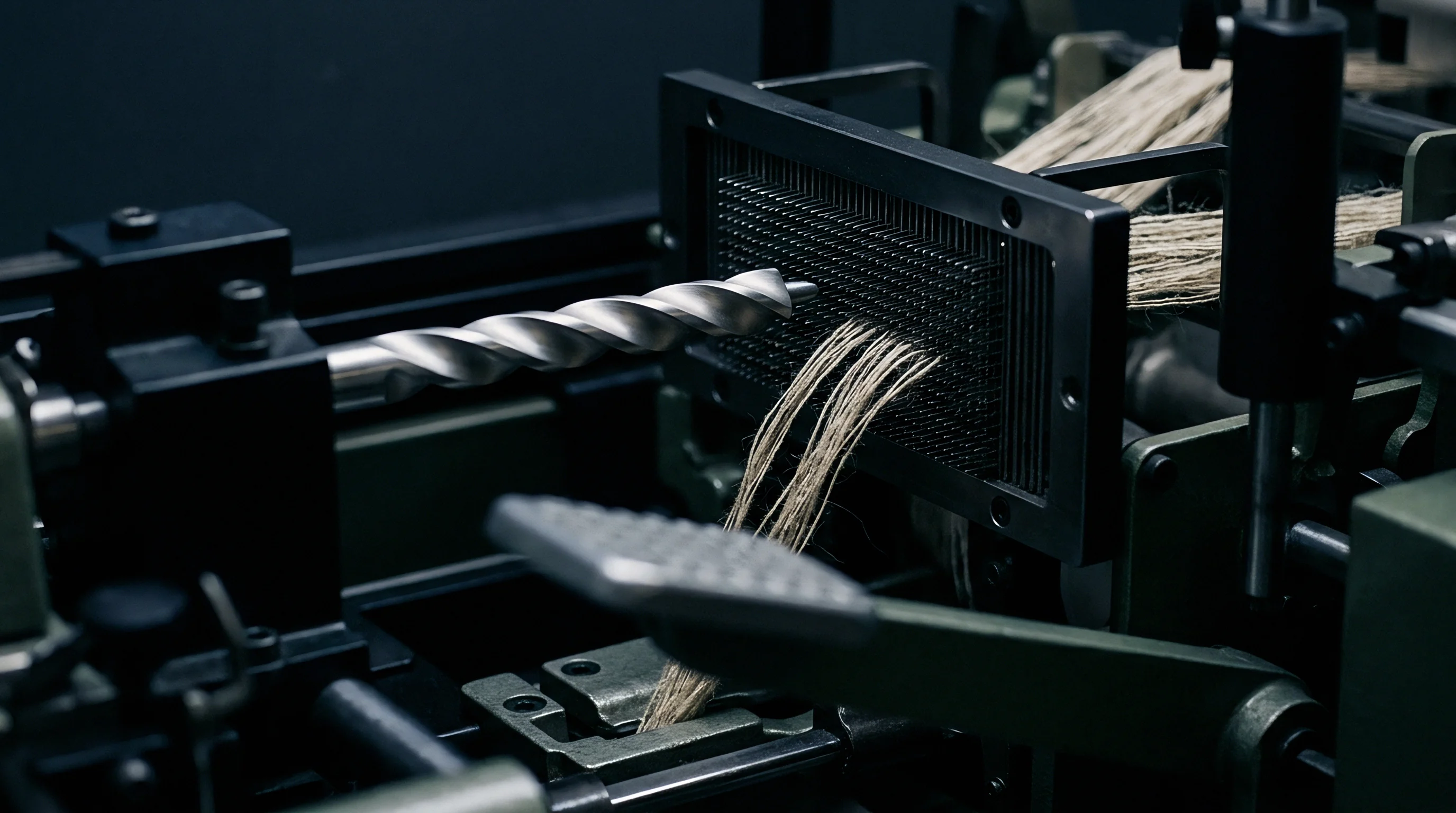
To avoid financial loss and regulatory friction from pectin loss discrepancies, spinners and fiber traders should include explicit mass adjustment clauses in supply contracts. Ignoring extraction losses forces mills to pay certified fiber surcharges on mass that ends up washed down the drain. Aligning sales terms with actual chemical processing keeps origin and organic claims legally defensible across the supply chain.
Framework agreements should define how pectin solubilization loss is measured, assigned, and reconciled against transaction certificate weights. Including a loss allowance schedule aligns certificates with physical yields, establishing that transferred certified weight represents true fiber volume adjusted for verified chemical extraction.
Commercial sales agreements should specify the verification method for mass true-ups: “All weight reconciliations for wet-spun linen yarn transaction certificates shall be based on bone-dry fiber mass plus standard commercial regain (12.0%), adjusted for verified non-cellulosic solubilization loss up to a maximum allowance of 4.20% based on ISO 1833-22 chemical extraction testing. Output transaction certificate mass calculated in accordance with this formula shall be accepted by the buyer as full performance of certified volume delivery.”

Chain of Custody Dossier Integration
Integrating chemical loss metrics into chain-of-custody records means updating ERP systems so spinners can enter lot-specific pectin extraction coefficients alongside standard moisture regain values. When output figures are entered, the software applies the true-up formula automatically, producing compliant weight declarations for transaction certificates.
Customs compliance requires complete alignment between preferential origin documents, shipping manifests, and transaction certificates. Under origin rules like EU-UK TCA or Pan-Euro-Med conventions, origin depends on specific operations ~ such as spinning raw roving into yarn. If customs officers match container net weight against transaction certificates and spot a 3.5 percent gap from unrecorded pectin loss, they can reject the origin claim, imposing full non-preferential duties and fines.
Maintaining complete traceability dossiers ~ with mill-floor extraction logs, lab certificates, and reconciled transaction ledgers ~ provides a clear defense during customs audits and certification reviews. Spinners that handle chemical mass balance true-ups correctly protect their margins while preserving the credibility of their certified origin and organic claims.
Commercial contracts specifying clear chemical extraction tolerances move administrative risk off the spinner and onto the certified transaction ledger, ensuring that certified fiber surcharges paid at purchase reflect delivered yarn content at final delivery.