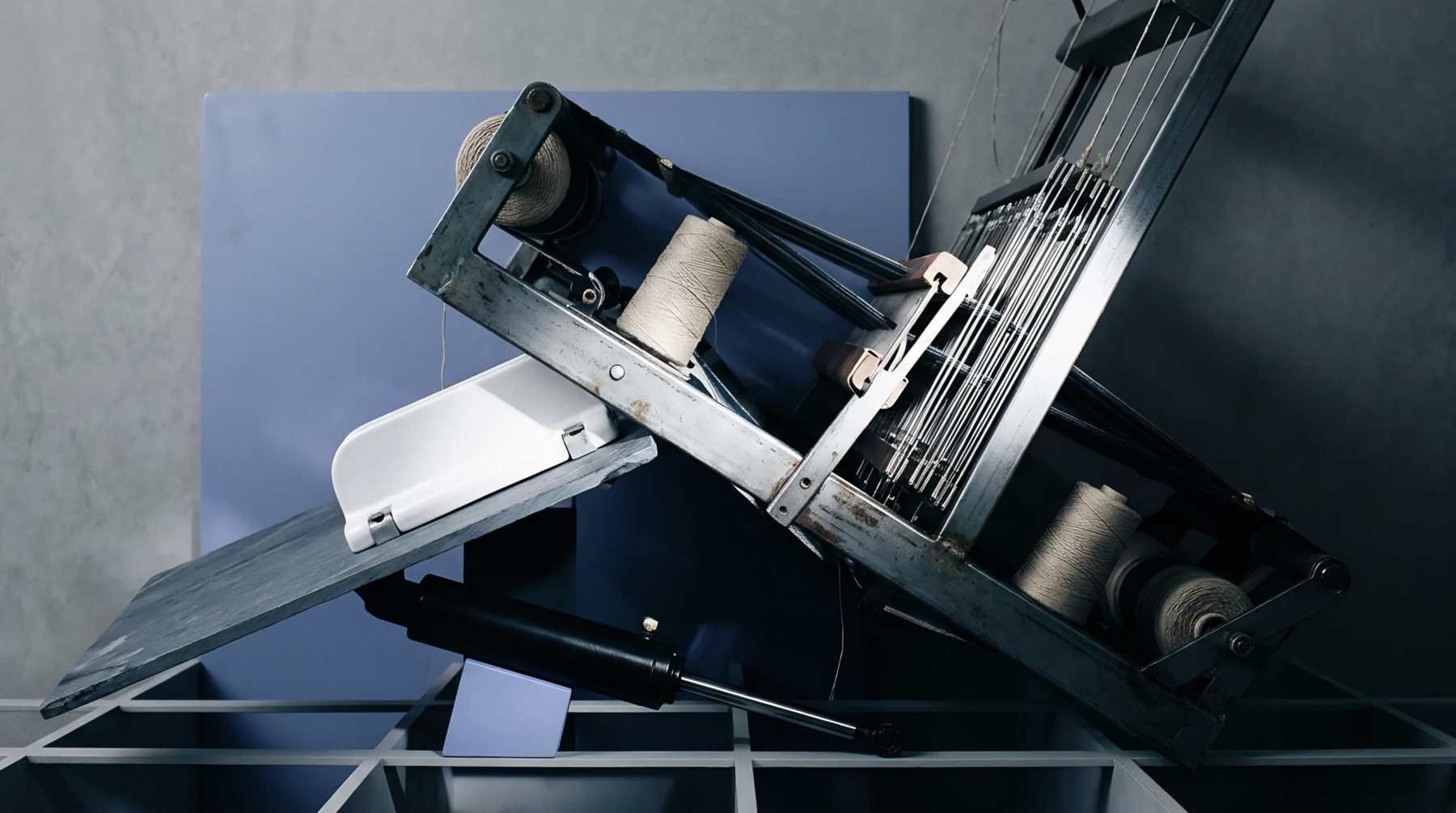
Fibre Equilibrium
Mass calculation protocols establish standard moisture regain dry basis figures inside Chinese flax spinning operations when raw scutched material enters conditioning chambers before drafting frames. Commercial transactions for long line flax depend upon absolute fibre weight rather than water mass bound within cellulose hydroxyl groups. Absolute bone dry weight derives from desiccating a representative sliver sample at high heat until mass stabilization occurs across successive interval weighings.
Water content percentages calculated against this dry baseline govern export declarations from coastal mills in Zhejiang and Fujian. Foreign spinning mills purchase flax lint priced upon conditioned mass containing officially sanctioned moisture allowances. Standard testing certificates record these dry basis percentages alongside ambient relative humidity parameters measured during warehouse storage periods.
Spinning preparatory machinery operates correctly only when raw material holds consistent water proportions relative to bone dry mass.
Desiccation Mathematics
Laboratory ovens evaporate bound water completely from weighed flax specimens during standard testing cycles specified within international commercial contracts. Water mass loss divided by dry fibre mass yields the exact ratio known commercially as moisture regain dry basis. Mill technicians subtract dry mass from moist mass to determine the exact water weight present inside a given batch.
Subsequent calculations multiply that water weight by one hundred and divide by dry mass to establish the percentage value recorded on mill dockets. Specimen containers must transfer quickly from conditioning chambers to analytical balances to prevent ambient moisture absorption during weighing operations. Balance operators record milligram deviations because minute water mass changes alter yarn linear density measurements significantly.
Drafting Tolerances
High speed spinning frames demand strict adherence to baseline moisture limits because excess water alters fibre tensile strength and friction coefficients during drafting. Drawing slivers stretch unevenly when internal water molecules lubricate cellulose chains beyond established mill thresholds. Yarn breakage rates increase inside spinning rooms when ambient humidity fluctuates without proportional adjustments applied to machine settings.
Export quality inspectors reject yarn lots failing to meet contractual dry basis tolerances during final packaging audits. Mill managers adjust humidification systems continuously to maintain stable moisture regain dry basis values across carding and roving departments. Contractual penalties apply whenever delivered flax shipments exceed maximum allowable water content thresholds stated in purchase agreements.