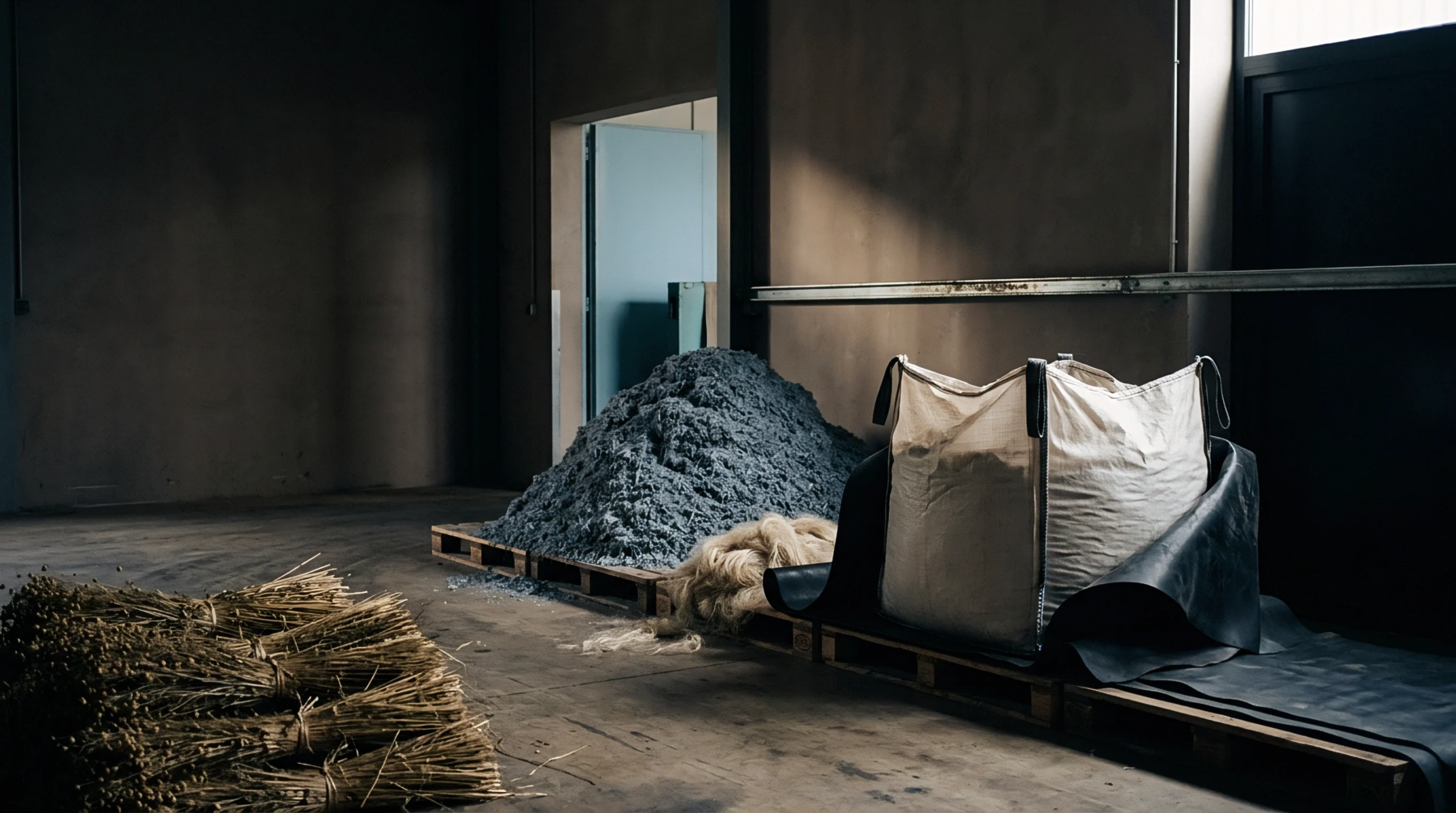
Fibre Sorting
Unprocessed botanical filament entering a regional mill facility falls under HS 530121 when designated as flax that has undergone the initial steeping stage of decomposition to loosen bark from stem. Chinese inspection protocols mandate that processing units record this specific material classification on every commercial invoice before bales move toward mechanical breaking machines. Workers separate broken stems from continuous strands while checking moisture content against contractual ceilings.
Rejection occurs when residual shive exceeds five percent of total weight because excess woody matter clogs comb teeth during subsequent drafting frames.
Spinning Standard
Factory supervisors verify that incoming batches match the technical parameters set by downstream yarn buyers rather than relying on the general customs designation. Modern spinning frames require uniform staple lengths to prevent drafting irregularities while high speed spindles pull roving into fine thread. Mill laboratories measure tensile strength alongside fineness indices to establish whether a given lot suits warp applications or must shift to weaker filling directions.
Technicians record these metrics in internal production ledgers that track raw material performance from bale opening through final package winding.
Export Clearance
Shipping documentation requires exact numerical alignment between the customs declaration and the physical contents loaded into outgoing containers bound for overseas weaving houses. Port authorities inspect representative samples to confirm that preparatory processing matches the declared trade category before releasing cargo for international transit. Regulatory compliance officers crosscheck weight certificates against packing lists to prevent discrepancies that delay vessel clearance at destination customs points.
Final verification ensures that the botanical material leaves territorial waters under the precise commercial identity assigned at initial mill intake.