
X-Ray Diffraction Azimuthal Peak Deconvolution for Climate-Impacted Bast Fiber Sourcing Verification
Azimuthal XRD peak deconvolution isolates microfibril angle and crystallite alignment, exposing climate-degraded bast fibers before mill processing.
Azimuthal XRD peak deconvolution isolates microfibril angle and crystallite alignment, exposing climate-degraded bast fibers before mill processing.
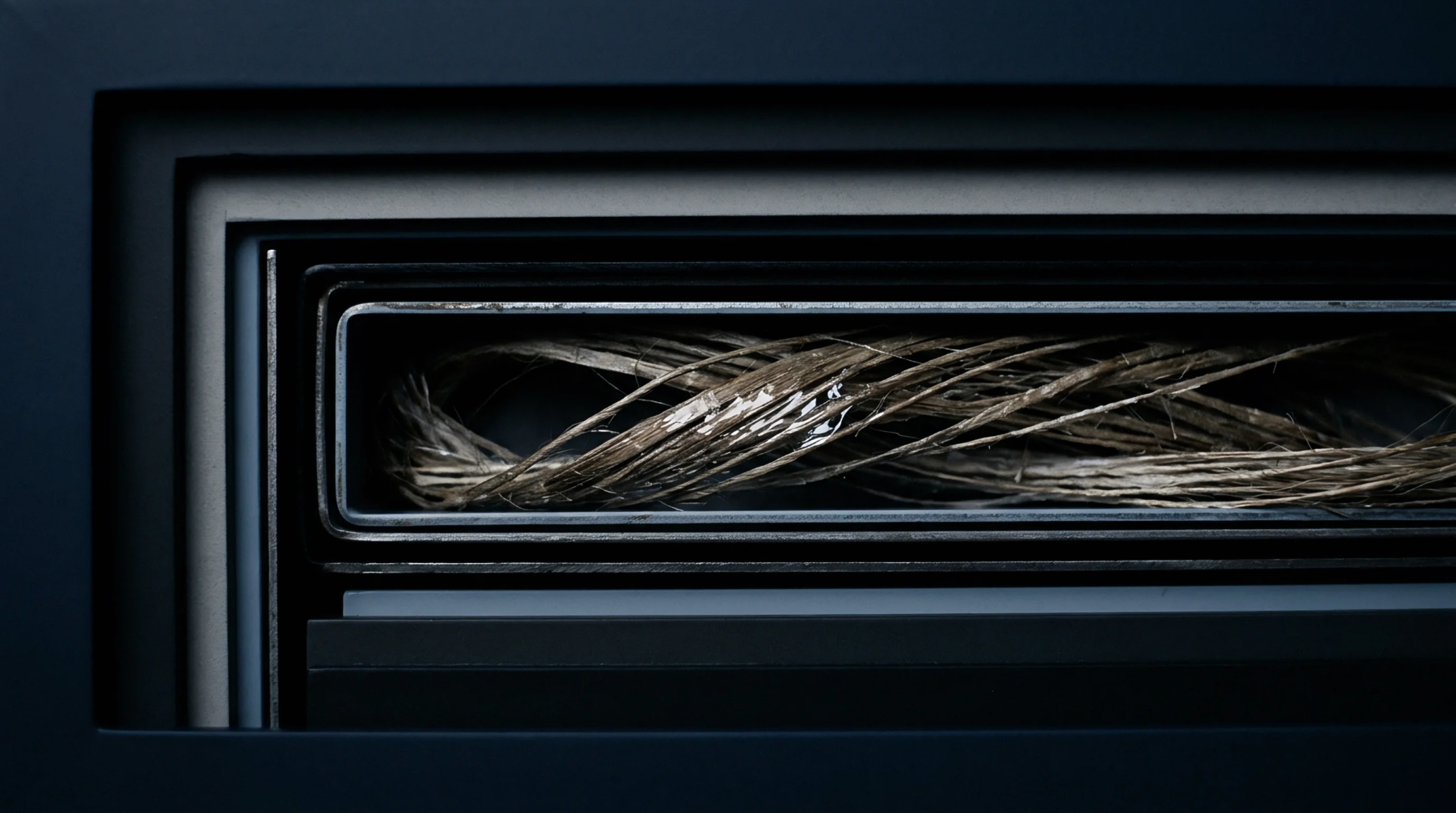
Secondary wall microfibrillar angle directly limits wet spun line yarn tenacity by setting crystallite load distribution before trough degumming.

Verifying flax scutching yield requires dry-mass normalization of input straw against output long fibre, tow, and shive fractions across batch records.

Hot ammonium oxalate extraction isolates calcium-bound middle lamella pectins to quantify sliver spinning limits and drafting cohesion.

Commercial settlement of flax fibre dressing requires converting gross scale mass to oven-dry mass under ISO 6741 using standard regains of 12% for line and 13% for tow.

Dew-retted European flax exhibits low surface sludge deposits below 3.5 mg/g, providing physical verification to validate origin claims against fraud.

Dew-retted Heilongjiang flax provides cost savings for medium counts, while imported water-retted bales deliver the fineness needed for yarn counts above Nm 50.

Linen origin rests on Western European raw flax scutching records linked through batch transaction certificates and mill mass-balance audits to finished bolts.
Expertise is a utility, not a secret. sentiention™ publishes its working knowledge as open reference: intelligence layer covering the materials it sources, the markets it enters, and the reference that serves both.