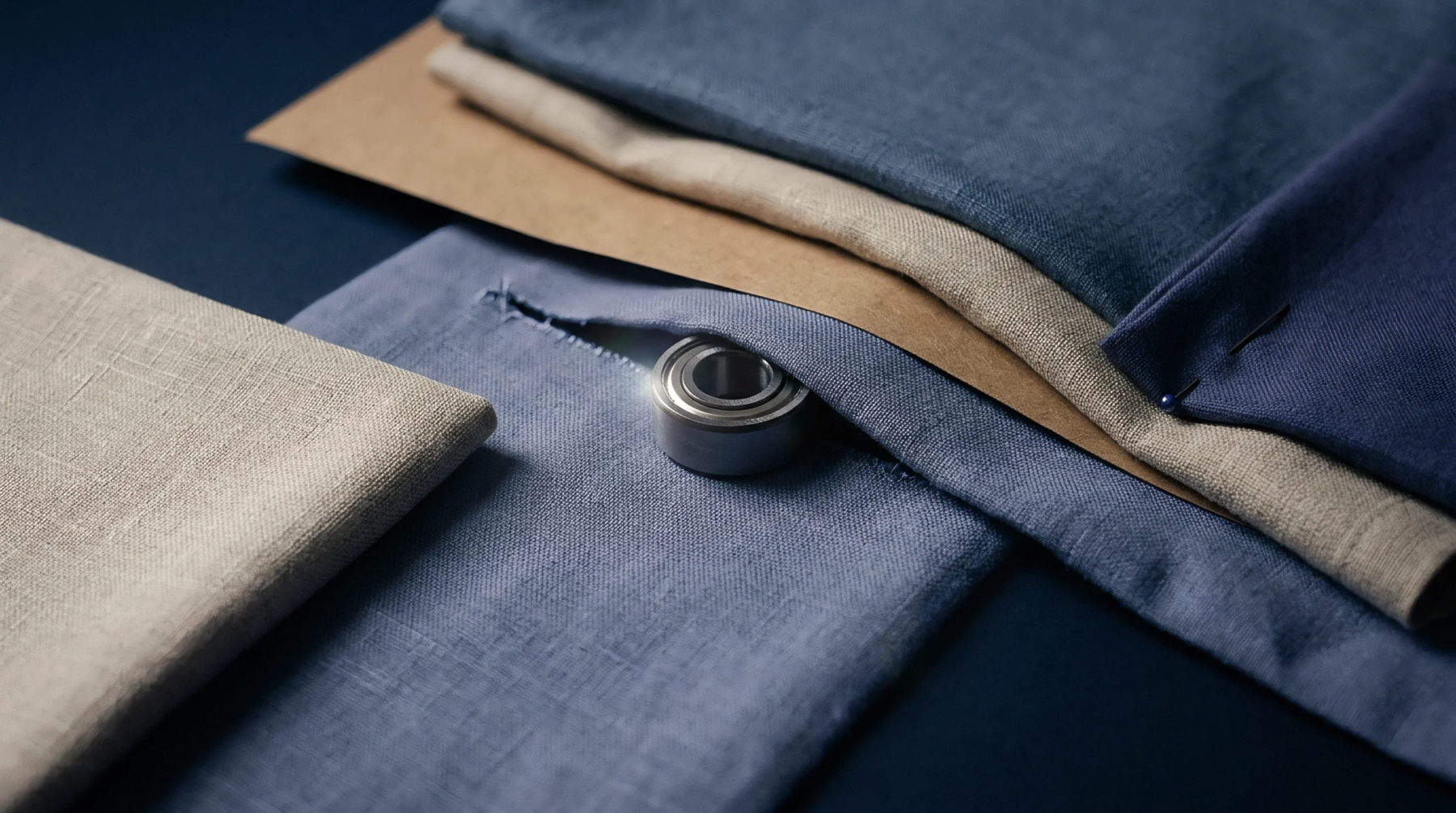
Determining Dynamic Friction Coefficients in Fine Wet Spun Linen Warps
Dynamic friction coefficients in fine wet spun linen warps depend on moisture regain and sizing film integrity, directly dictating loom speed limits.
Dynamic friction coefficients in fine wet spun linen warps depend on moisture regain and sizing film integrity, directly dictating loom speed limits.
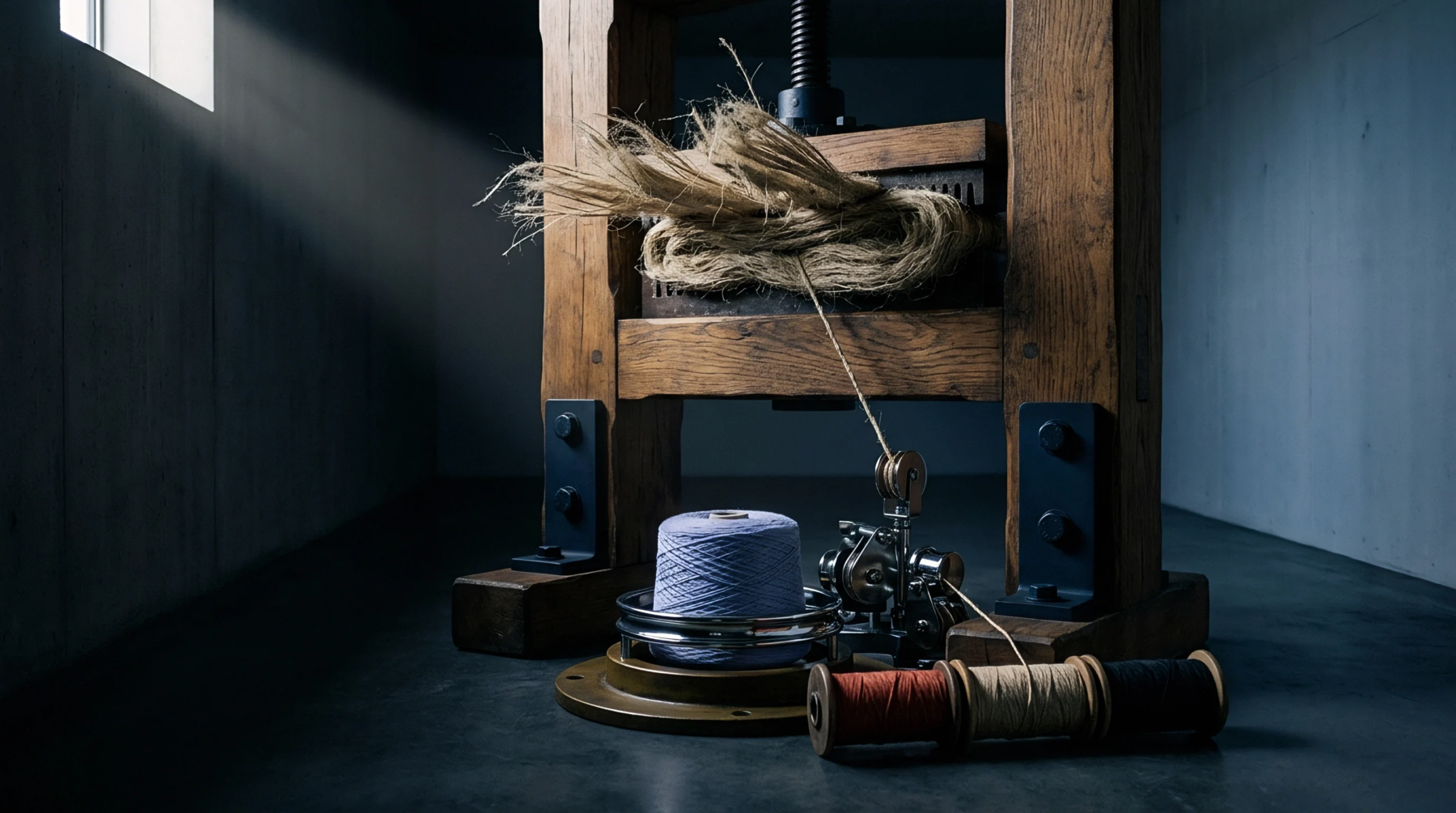
Controlled PVA sizing bounds radial penetration between fifteen and twenty-five percent, preserving internal flax flexibility while suppressing shed abrasion.
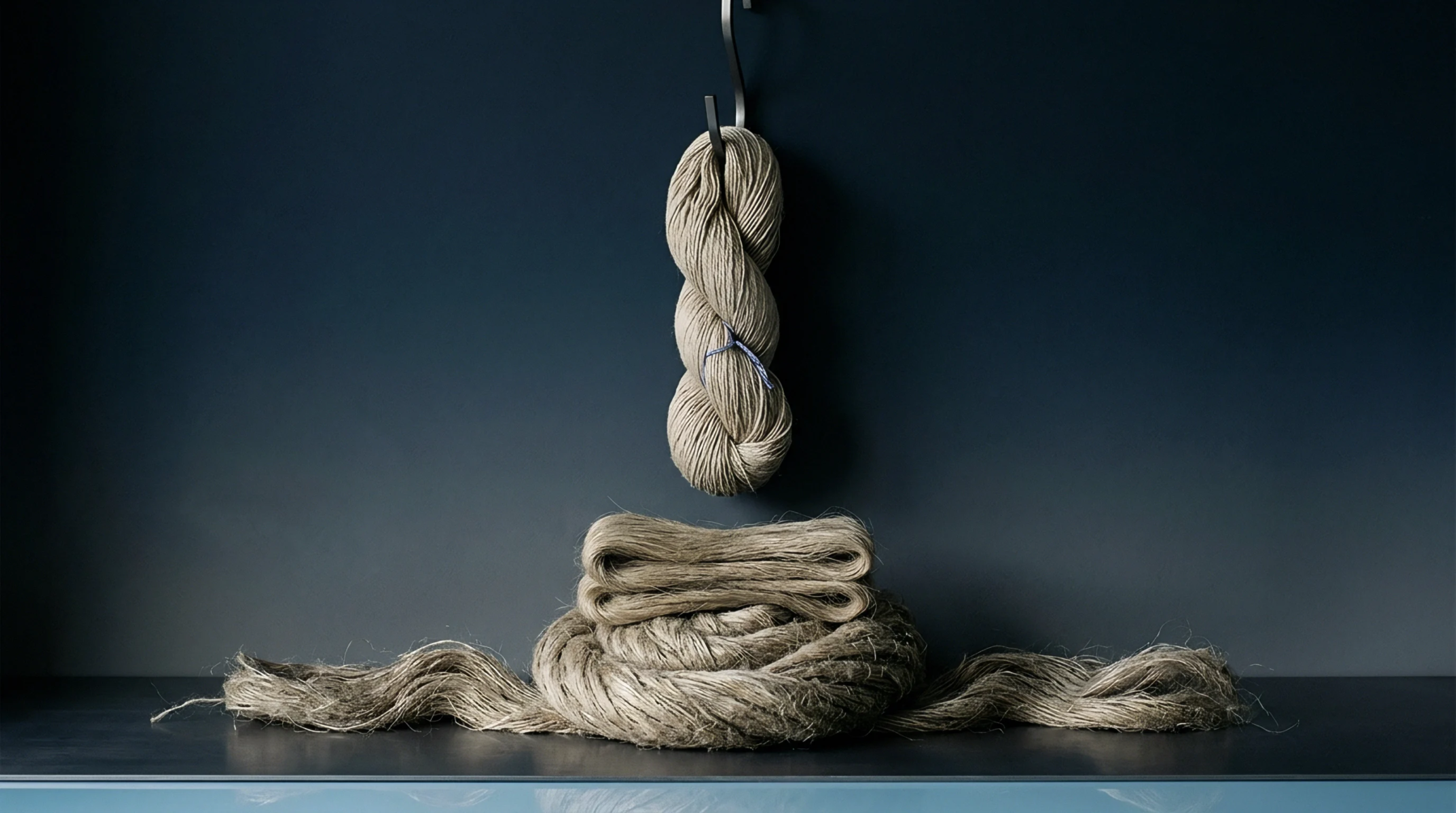
Ultrafine wet spun linen warps demand low-viscosity modified starches with acrylic binders at eight to ten percent size add-on and strict tension limits below one percent.
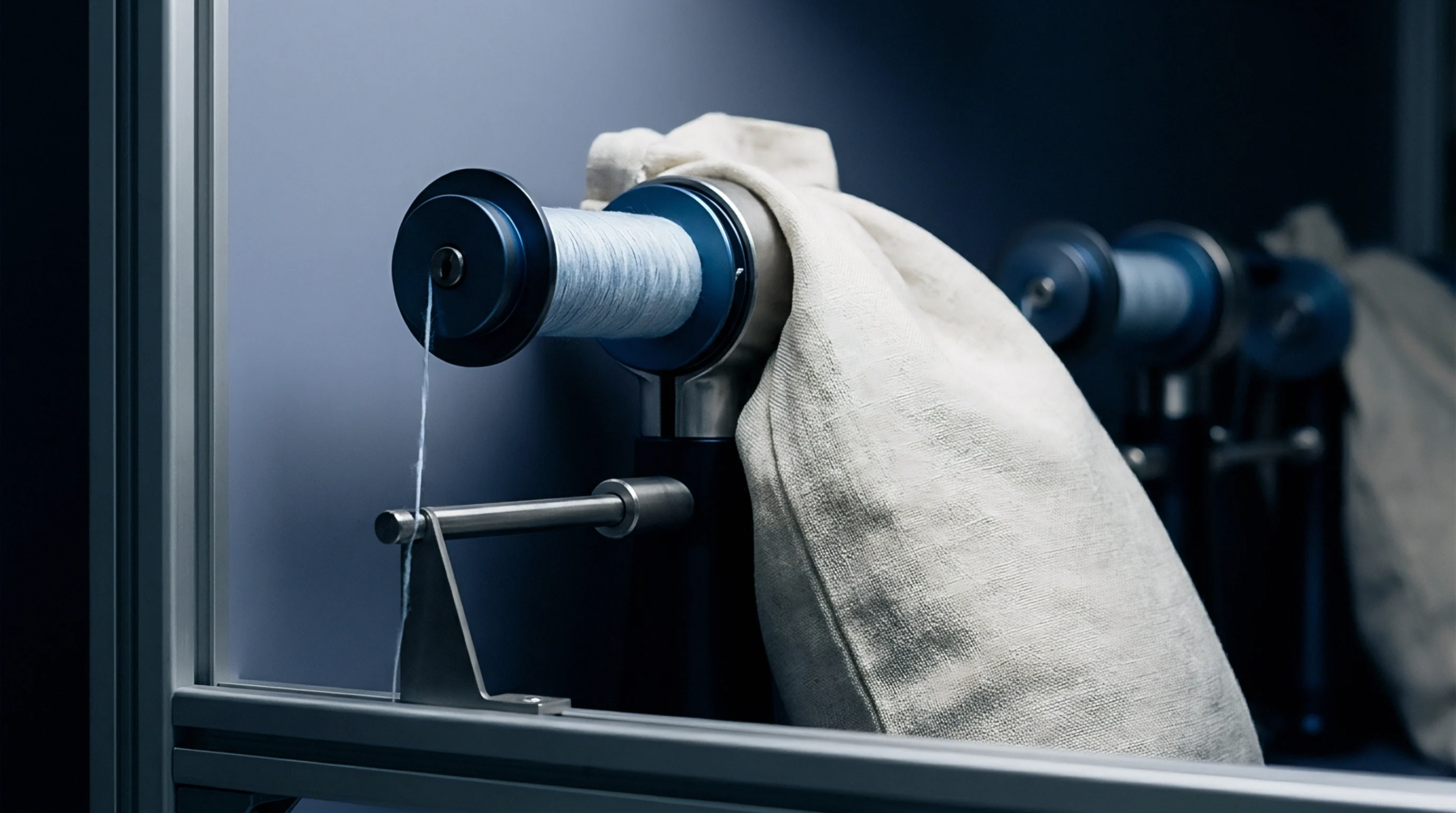
Quantifying fine linen abrasion mechanics requires matching sizing film strength to dynamic shed tension to maintain loom efficiency above ninety percent.
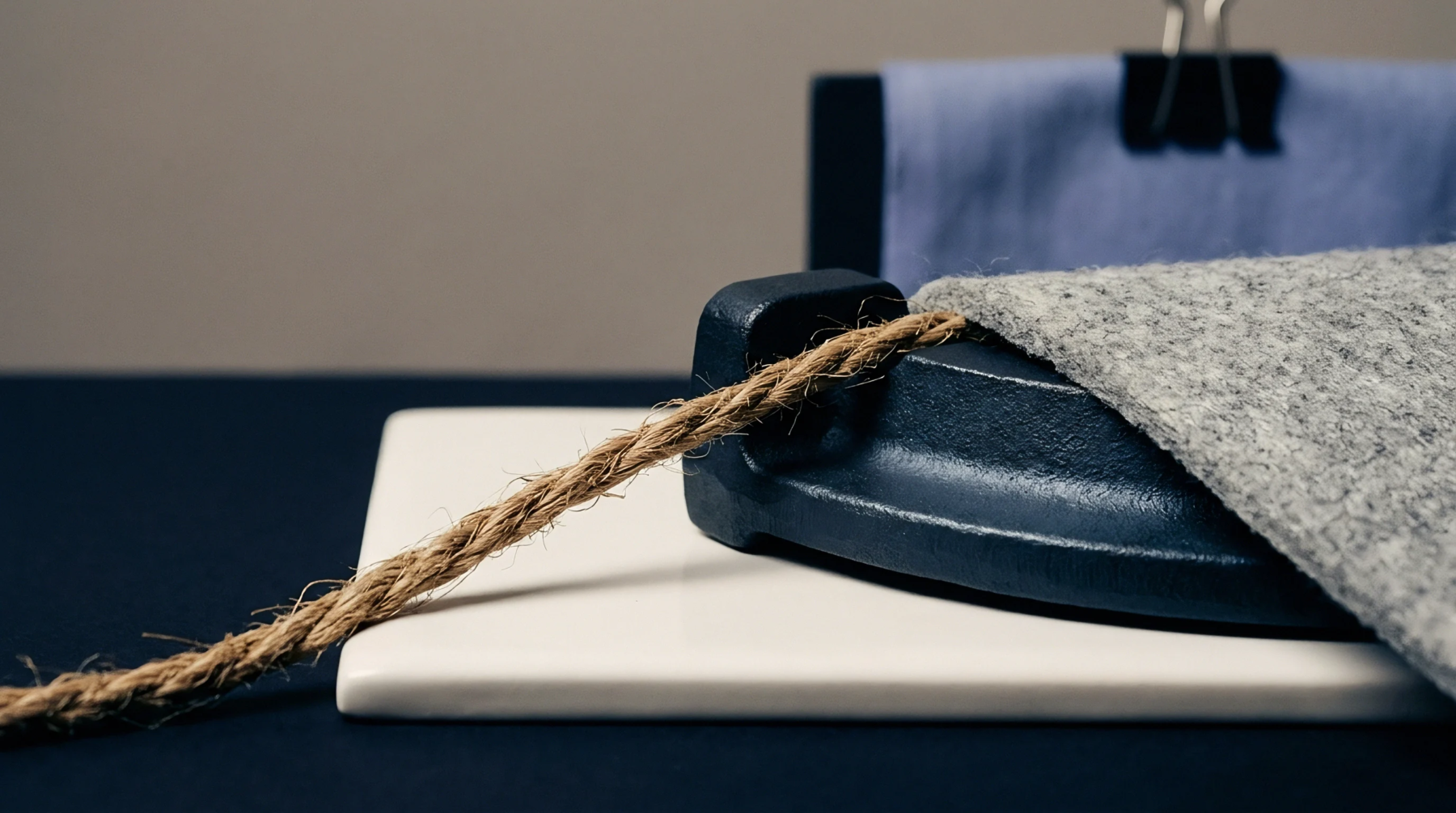
Wet spun linen warp breaking strength depends on low strength CV and elastic sizing film to resist cyclic shed tension and prevent single end loom stops.
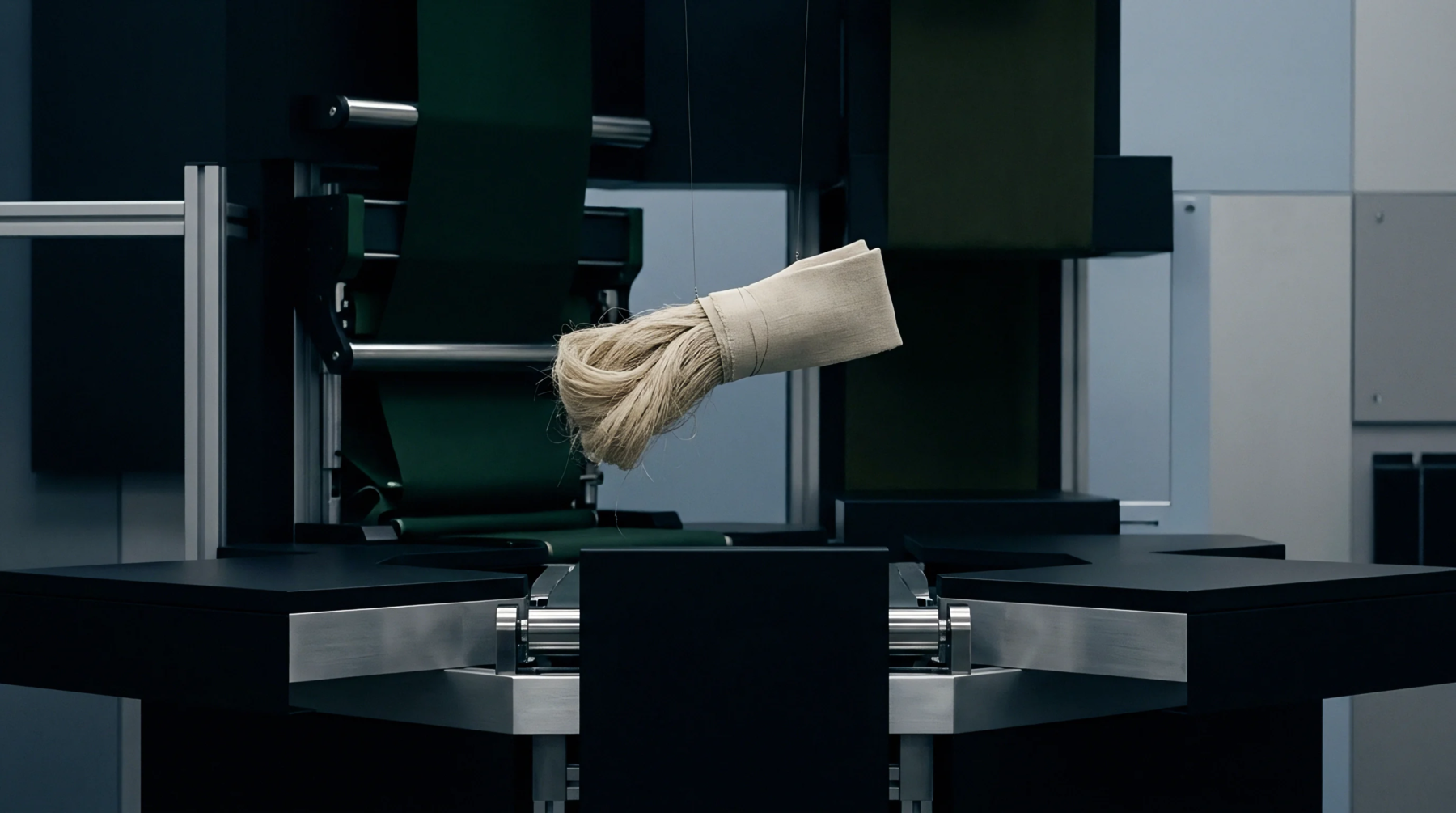
Controlling peak dynamic warp strain in fine linen weaving requires balancing backrest roller damping, shed geometry, and moisture to prevent yarn fatigue.
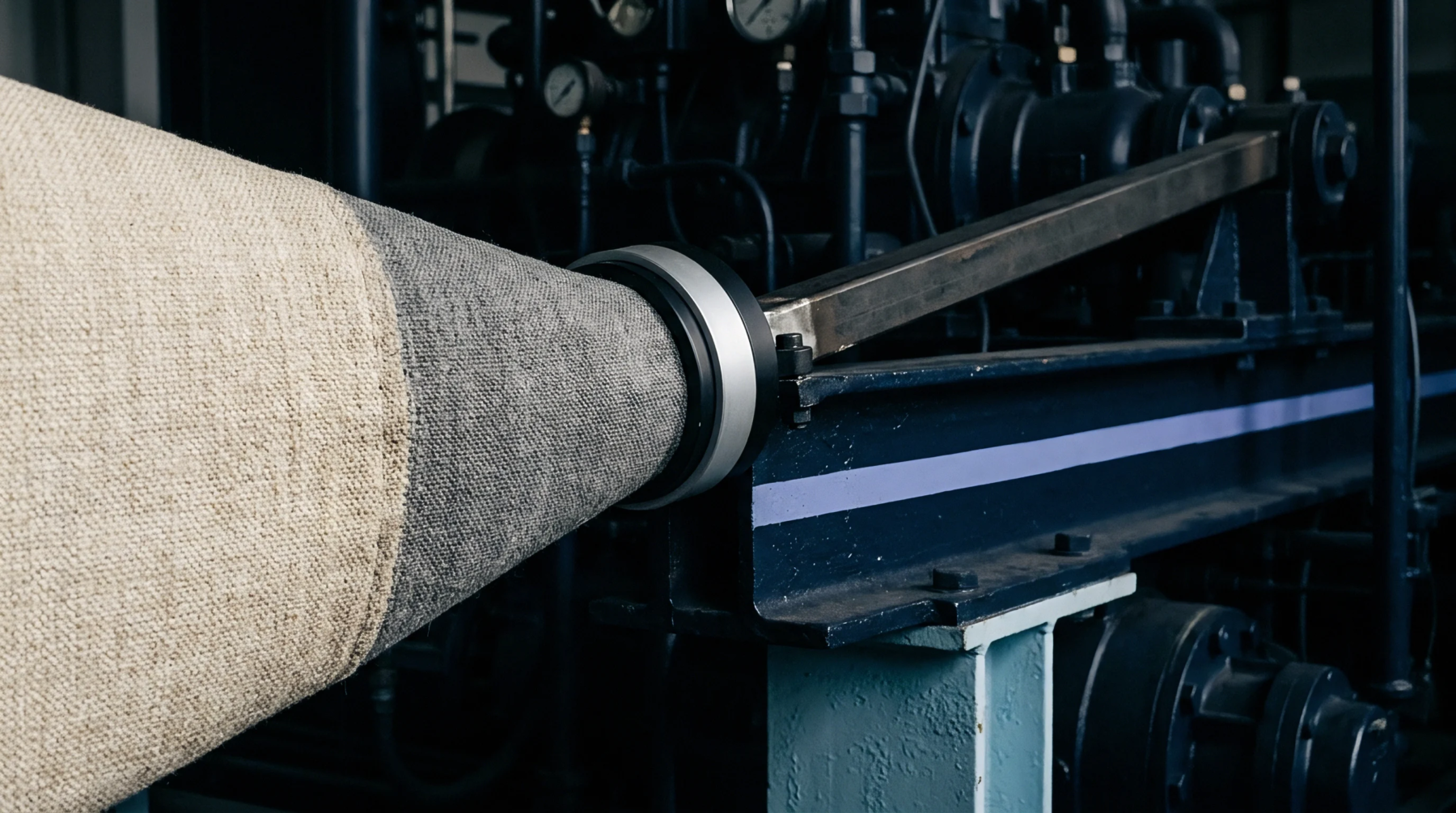
Resolving multi-party friction defect claims on ultrafine linen warps requires standardized sizing telemetry audits and retained un-sized yarn sample testing.
Expertise is a utility, not a secret. sentiention™ publishes its working knowledge as open reference: intelligence layer covering the materials it sources, the markets it enters, and the reference that serves both.