Particulate Waste
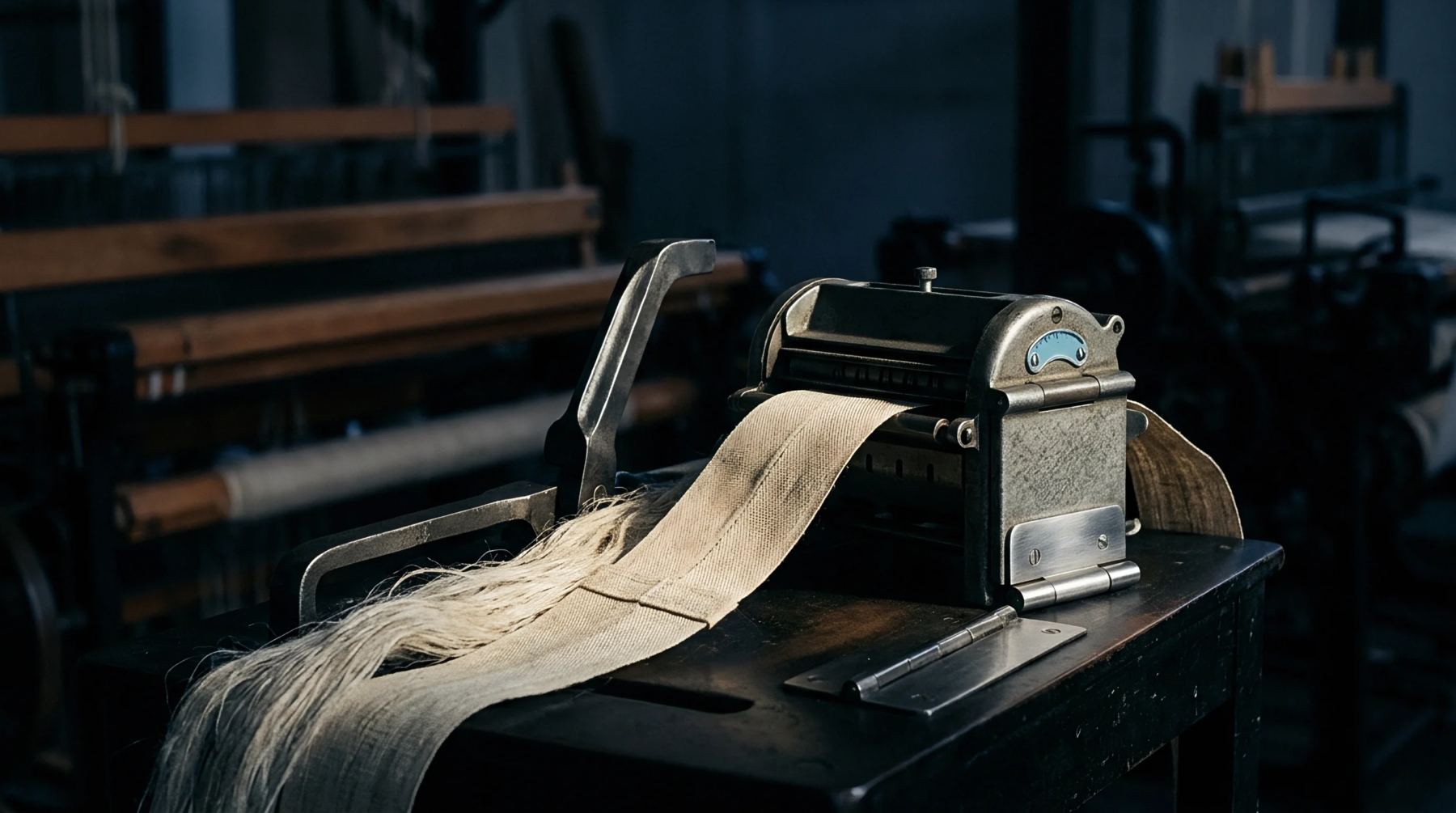
Short unbound textile fibres released during continuous mechanical drafting accumulate as low-density airborne particulate matter in spinning sheds. The physical phenomenon known as ring frame fly occurs when fragile, unlubricated flax fibril bundles disengage from the drafting ribbon and shed into ambient air around the spinning traveller and ring rail. High-speed dry linen spinning operations generate substantial volumes of this fibrous debris because the lack of water lubrication permits stiff, brittle ultimate fibres to fracture under mechanical drafting loads.
Wet spinning lines display lower airborne particle levels, yet the surrounding drying and winding sectors still shed dry short fibres once the moisture content drops. Internal spinning quality manuals mandate continuous suction duct clearing to prevent floating fibre masses from dropping back into the open yarn path. Overlooked accumulations aggregate into dense airborne clumps that contaminate spinning aprons, drafted rovings and adjacent spindles.
Mechanical Accumulation
Overhead travelling cleaners sweep back and forth above long machine beds to dislodge drifting fibre clusters before they settle. High-pressure air nozzles blow down over spindle rails, drafting rollers and yarn guides while counter-directional vacuum pipes extract the dislodged particulate directly from the mill floor. If these travelling extraction units jam or suffer pressure loss, airborne flax debris deposits onto revolving drafting aprons, passing into the twisting zone where it becomes twisted into the yarn body.
This mechanical contamination creates abnormal slubs, dirty neps and uneven linear density variations that degrade yarn regularity values on automated capacitive testers. Yarn grading logs record these foreign additions as mechanical yarn defects under GB/T 5882 criteria, reducing commercial value from first-grade yarn to sub-standard stock. Spinners inspect ring rails every work shift, removing gathered lint by hand or with pneumatic collection wands to prevent yarn breakage during bobbin builds.
Process Boundary
Airborne fibre detachment ceases to function as an independent processing issue once lint leaves the immediate perimeter of the drafting zones. The material represents non-recoverable low-value waste that cannot be introduced back into high-grade line spinning batches due to severed fibre lengths and high dust contents. Reclaiming collected ring frame fly requires diversion into secondary non-woven carding lines or low-end paper production where fibre length regularity remains non-critical.
Fine count wet-spun linen yarn lines running high metric counts tolerate near-zero fly deposition, meaning that unmitigated lint accumulations quickly halt ring frames through traveller seizing and thread breakages. Once fibrous dust lands on oiled spinning ring tracks, it combines with machine lubricants to form an abrasive sludge that wears down travellers and scores metal ring surfaces. Ambient relative humidity constraints restrict fly formation, as higher moisture levels soften the flax fibres and promote cohesion, while excessively humid environments cause drifting waste to adhere tenaciously to mechanical framing instead of entering suction exhaust ducts.