Extraction Byproduct
Short, tangled plant fibres and vegetable remnants removed from long-line flax during high-precision mechanical combing form a distinct processing fraction in semi-worsted and fine linen production. Termed comber noil, this material consists of discarded fibres measuring below standard spinning length alongside residual cortical fragments, seed husks, and shive particles extracted by the comber needles. Processing lines in spinning plants generate this byproduct when preparing hackled flax slivers for high-count yarn wet-spinning, where uniform fibre length is mandatory.
The resulting short fibre accumulation lacks the longitudinal orientation required for fine apparel yarn counts, separating it permanently from the primary drafted sliver. While removed from the primary wet-spinning path, the extracted mass retains substantial cellulose content suitable for secondary manufacturing systems. The categorization applies exclusively to fibre combed from line flax, excluding coarse carding waste or scutching tow produced earlier in agricultural field preparation.
Processing Separation
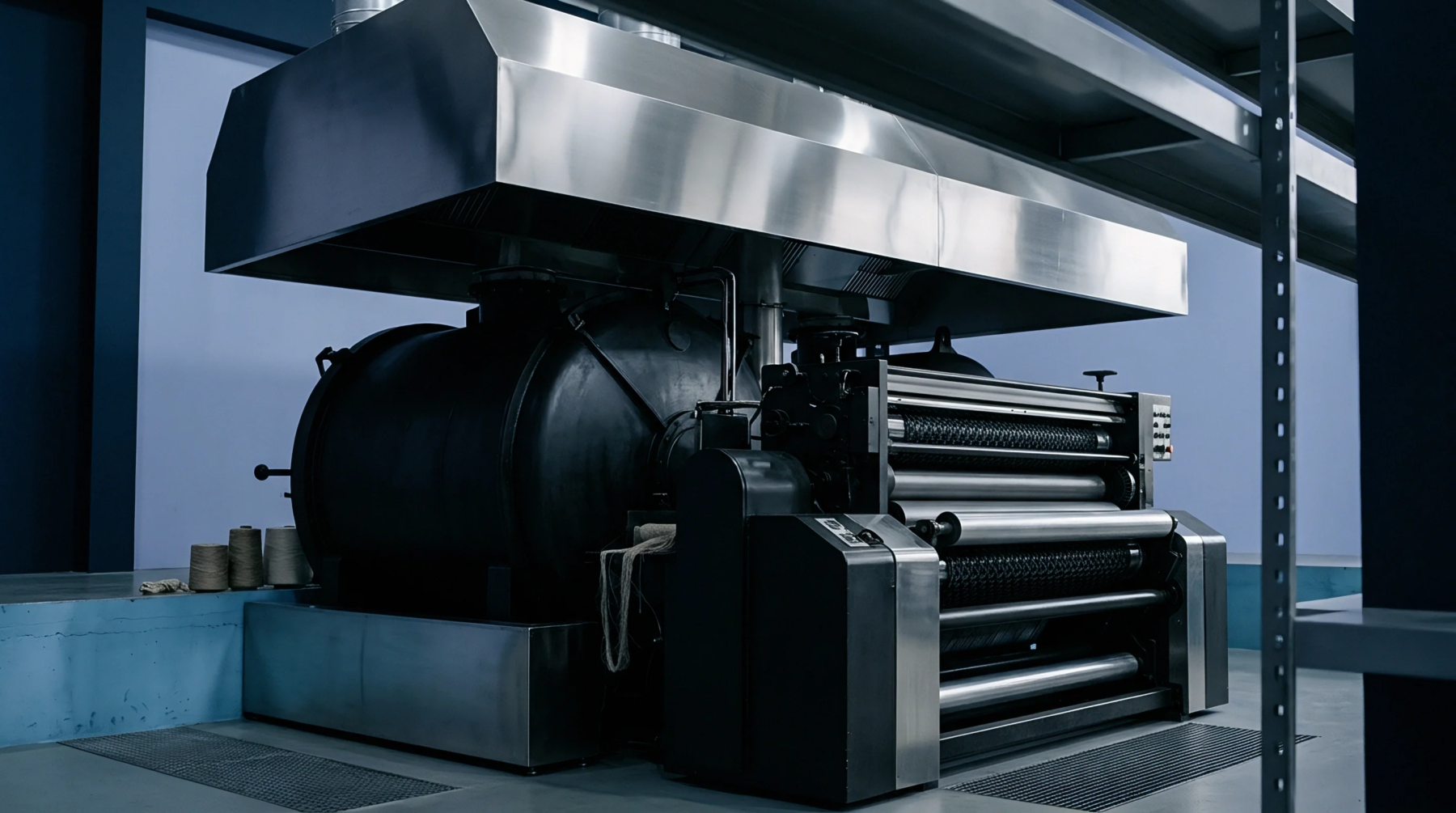
Mechanical combing assemblies employ rotating needle cylinders and top combs to separate uneven short fibres from the parallel long-line flax ribbon. During this fractionation step, comber noil drops beneath the comb cylinder, where pneumatic vacuums or revolving brushes collect it into continuous waste streams. Mill operators adjust the comber half-lap settings, feed distance, and gauge pins to control the percentage of extracted short fibre according to yarn fineness requirements.
High metric yarn counts demand aggressive combing, elevating the extraction percentage to maximize long-line uniformity and minimize downstream spinning breaks. Technicians log the resulting waste ratio across every shift, using comber noil mass balance measurements to gauge raw material purity and drafting efficiency. Excessive byproduct generation indicates improper upstream hackling or brittle fibre conditions during warehouse conditioning.
Collected noil is subsequently pressed into rectangular bales for internal recycling or commercial salvage.
Secondary Utilization
Secondary markets purchase baled combing residues for coarse textile production, non-woven substrate manufacturing, and blended open-end spinning. The presence of comber noil enables dry-spinning mills to produce heavy upholstery yarns, coarse canvas weaves, and textured twine at reduced raw material expenditure. Blending plants mix these short flax fibres with cotton or synthetic polymers to introduce natural linen aesthetics into inexpensive apparel fabrics.
Papermaking operations utilize high-grade combing fractions to manufacture specialty banknote stocks and archival documents that demand strong tear resistance. The market valuation of this byproduct fluctuates with prevailing cotton waste pricing and regional short-staple demand. Export mills evaluate the economic return from noil salvage against the yield losses sustained on their primary wet-spinning lines.
Residual processing byproducts not meeting textile staple thresholds pass into industrial insulation or composite reinforcement manufacturing.