
Non-Preferential Origin Rules Deciding Where Linen Cloth Was Made
Non-preferential origin of woven linen fabric attaches permanently to the loom shed site where yarn transforms into cloth under HS 5309.
Non-preferential origin of woven linen fabric attaches permanently to the loom shed site where yarn transforms into cloth under HS 5309.

Linen origin rests on Western European raw flax scutching records linked through batch transaction certificates and mill mass-balance audits to finished bolts.

Audit Jiangsu linen mills by reconciling dry-conditioned raw fibre intake against desized fabric output and verified scrap ledgers.

Non-preferential origin for woven linen fabric assigns strictly to the country where yarn is woven into greige cloth on industrial looms under tariff shift rules.

Transaction certificate verification requires moisture-adjusted mass-balance reconciliation across processing nodes, backed by isotopic testing and contractual warranties.

Verify scutching yield metrics and fiber alignment parameters to defend Chapter 53 customs entry declarations and eliminate origin liability.
Non-preferential origin for woven linen textiles is conferred by the country of weaving rather than the country of agricultural flax fibre cultivation.

Verify Chinese-spun European Flax by validating batch-specific Transaction Certificates against mill mass balances and scutcher intake tags before payment.

Reconciling raw flax imports against spun linen output relies on oven-dry mass adjustment, hackling yield tracking, and lot-specific transaction certificates.

Statutory non-preferential origin for hemmed linen bed and table linens remains attached to the weaving location under 19 CFR 102.21 and UCC Annex 22-01.

Mechanical scutching defect quantification relies on precise gravimetric or optical mass-balance analysis to measure residual shive and control long fiber yield.

Linen non preferential origin follows exact HS tariff shifts where spinning yarn confers 5306 origin and weaving cloth confers 5309 origin under customs law.

European Flax certificates verify raw fibre origin, but US Customs non-preferential classification derives strictly from the country where yarn spinning or fabric weaving occurs.

Commercial indemnity liabilities for flax transit moisture regain require ISO 6741-1 core audit sampling to enforce dry-mass standard weight adjustments.

Verify European Flax Transaction Certificates by validating certifier portal codes, cross-checking bill-of-lading weights, and auditing mill mass balance loss.
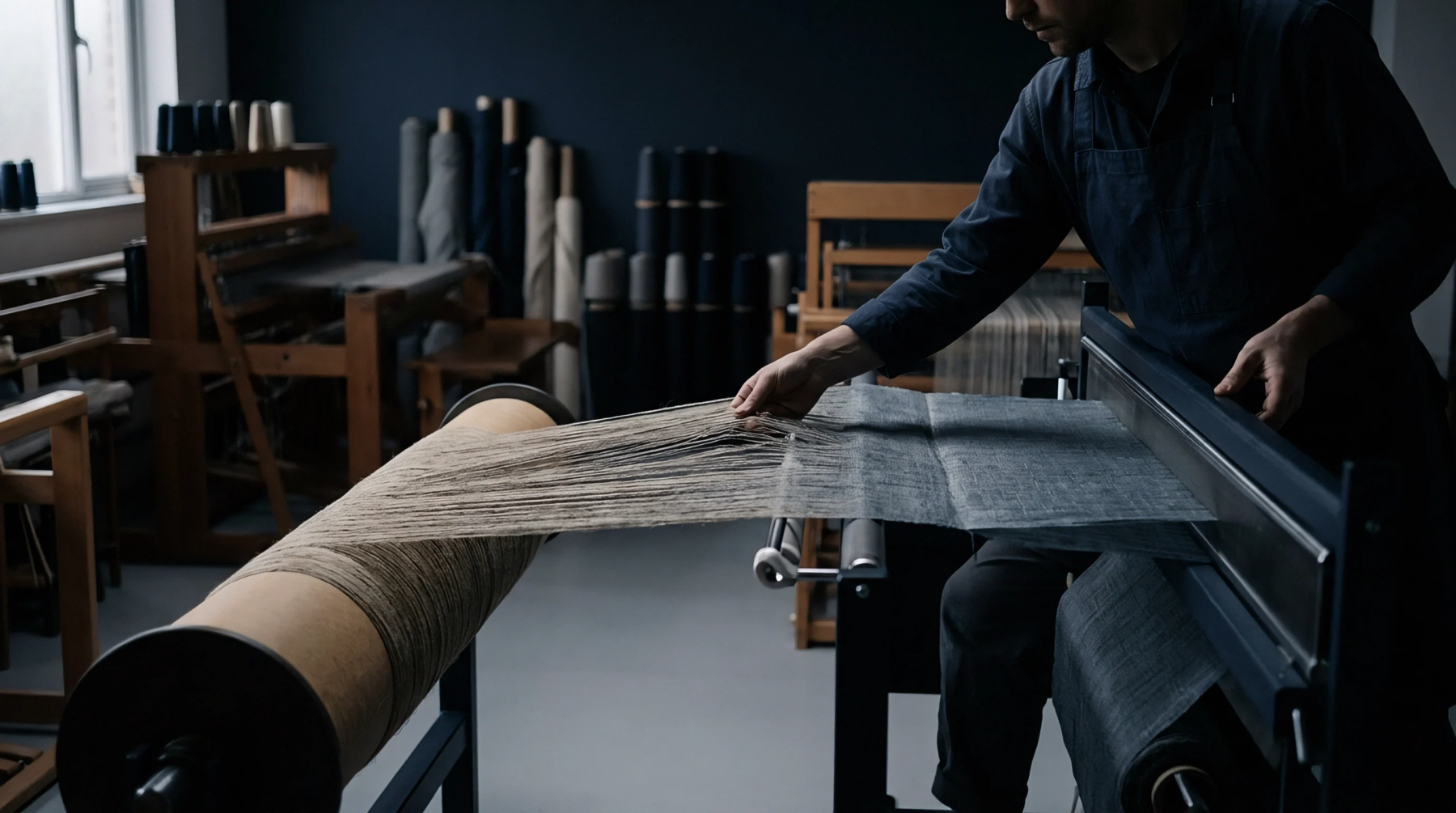
Controlling high-pressure alkaline roving boiling maintains intrinsic viscosity above 820 mL/g, balancing pectin extraction against hydrolytic cellulose damage.

Dew-retted European flax exhibits low surface sludge deposits below 3.5 mg/g, providing physical verification to validate origin claims against fraud.

Reconciling third-country linen origin mass balances requires normalizing moisture regain to dry matter mass and accounting for specific hackling and scouring waste factors.

Auditing European Flax scutched fiber receiving records reconciles dry fiber mass, certificate codes, and scutching lot numbers to defend chain of custody.

Commercial moisture adjustments convert raw flax scale weight to invoice weight using dry mass and the contractual twelve percent regain baseline.
Raw flax field dockets match scutching intake when weighbridge tares, moisture regain corrections, and lot dockets reconcile under standard ISO dry mass limits.
Scope certificates validate facility processing capacity, while transaction certificates prove specific consignment volume provenance across linen orders.

Verifying substantial transformation in linen fabric requires machine-level loom allocation logs, doff records, and mass-balance yarn reconciliations.

European Flax fibre spun in China retains certified raw material status under valid Transaction Certificates, but confers Chinese country of origin and forfeits Masters of Linen eligibility.
Optimize flax wet spinning by maintaining attenuation troughs at 68-72°C with soft water to dissolve pectins without degrading elementary fiber tensile strength.

Verify raw flax origin by matching field cadastral logs to weighbridge moisture tickets, scope certificates, and scutching mass balance yield ratios.
Cross-border flax provenance requires batch-level transaction certificates, physical bale segregation, and strict mass-balance waste reconciliation.

Auditing flax transformation ledgers requires mass-reconciliation across combing, spinning, and weaving nodes to verify customs origin declarations.

Analytical testing sets baseline proof, but mass balance reconciliation at the mill proves physical chain of custody for linen mixtures.
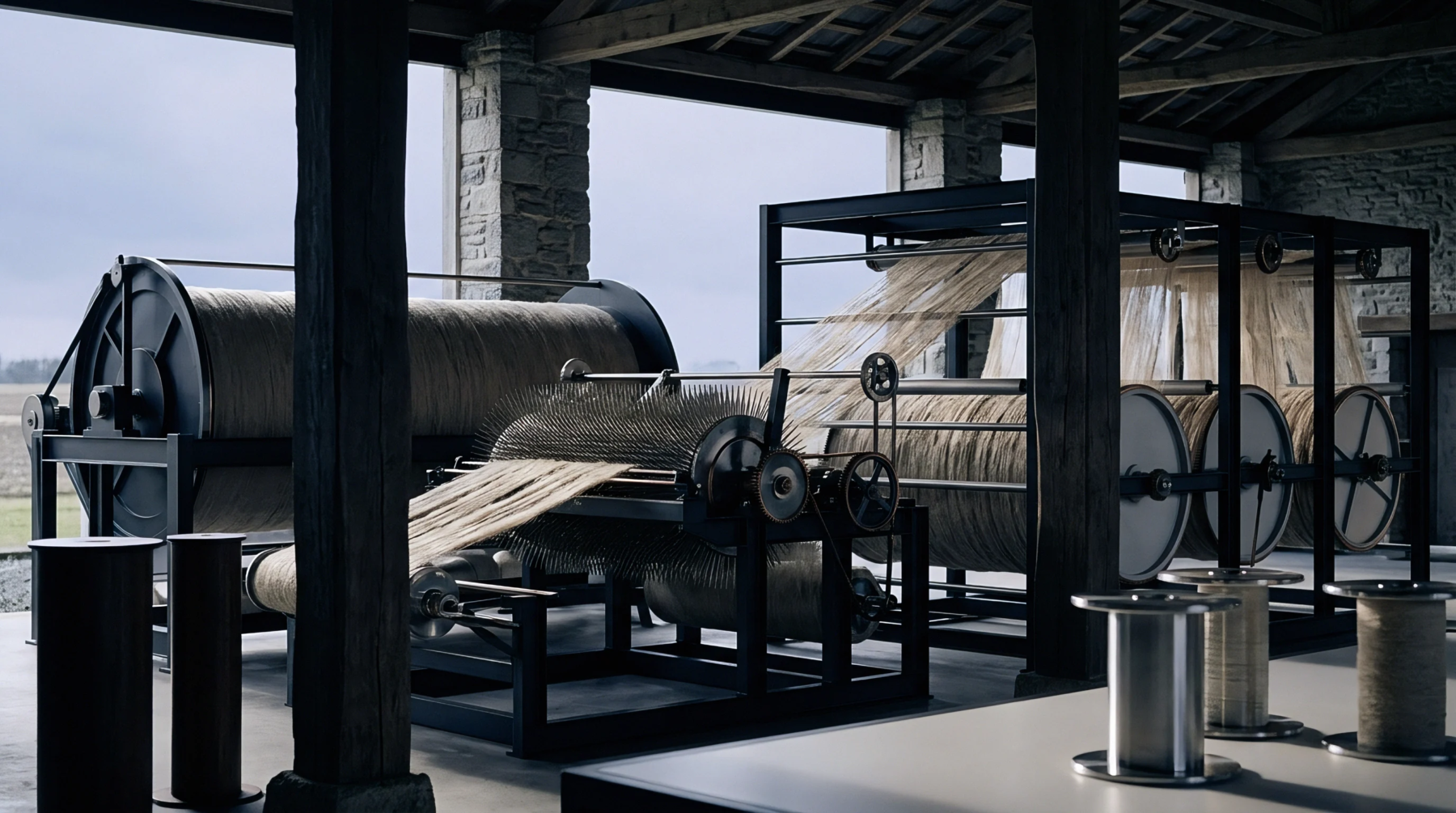
Calibrating scutching turbine speed and moisture regain maximizes long flax yield and preserves intrinsic bundle tenacity for traceable origin auditing.
Expertise is a utility, not a secret. sentiention™ publishes its working knowledge as open reference: intelligence layer covering the materials it sources, the markets it enters, and the reference that serves both.