Verifying Substantial Transformation in Linen Fabric Manufacturing through Loom Allocation Audit Trails
Verifying substantial transformation in linen fabric requires machine-level loom allocation logs, doff records, and mass-balance yarn reconciliations.

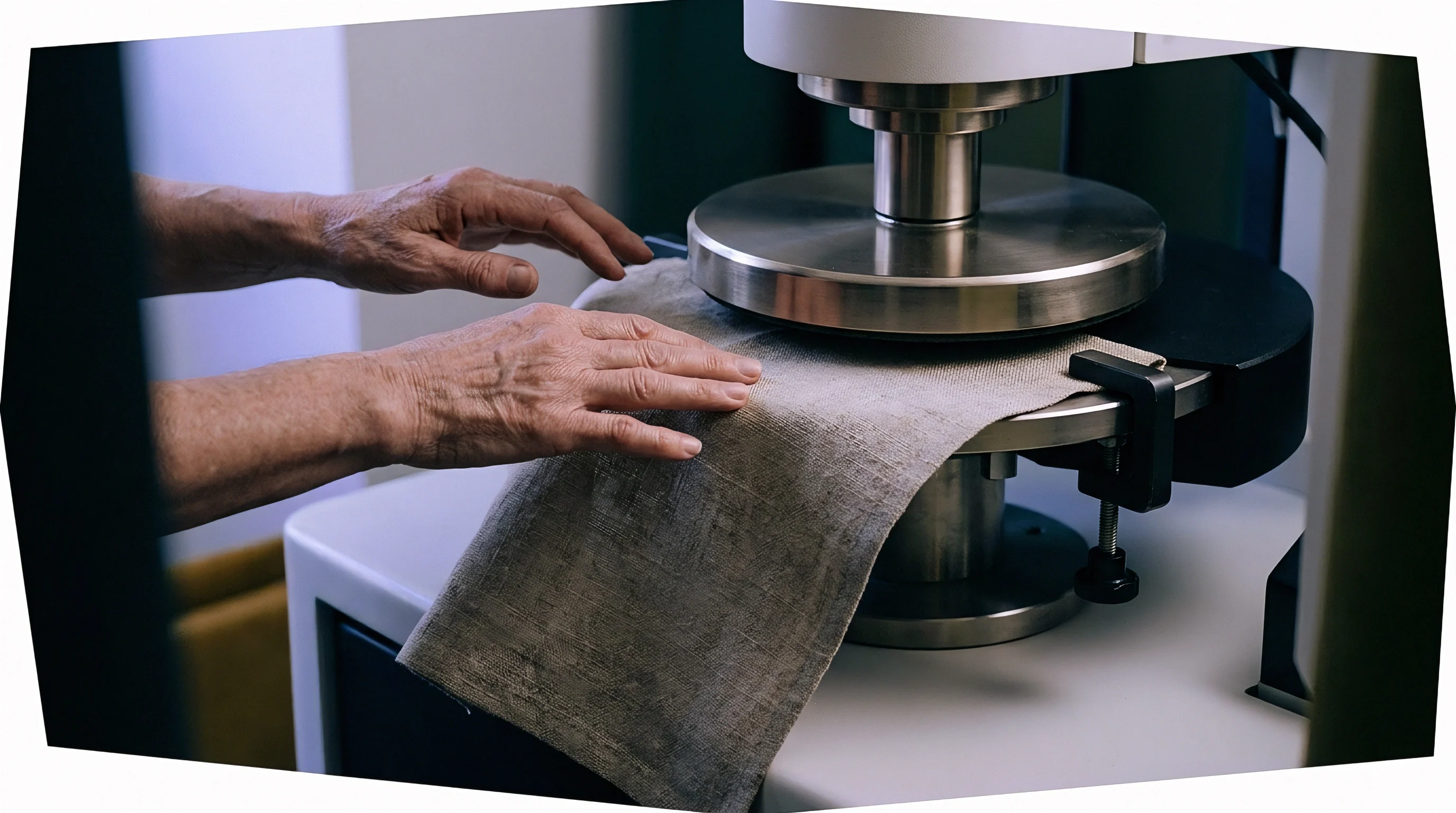
Allocation

Capacity Math and Machine Time Boundaries
To prove substantial transformation in linen fabric manufacturing, documentation must show that converting single or folded flax yarn under Harmonized System heading 5306 into woven linen fabric under heading 5309 occurred on designated looms within a documented timeframe. Under non-preferential rules of origin across major customs jurisdictions ~ including Article 60 of the EU Union Customs Code and US regulations under 19 CFR 102.21 ~ weaving is the specific processing step that confers origin. When a mill asserts local origin, everything depends on machine capacity.
A high-speed rapier loom running 100% linen yarn at a reed width of 220 centimeters operates under firm physical limits on daily output. If an audit trail shows a weaving shed with twenty looms producing fifty thousand meters of high-density, 200 grams per square meter linen fabric in five days, the claim fails basic mechanical reality.
An audit trail starts with the loom allocation schedule, linking individual purchase orders to identified loom numbers, warp beam serials, and shift rosters. Because flax yarn lacks elasticity and creates high friction during weaving, looms processing linen must run at lower speeds than those handling combed cotton or synthetic filaments. Flexible rapier looms weaving pure flax yarn generally operate between 320 and 420 picks per minute, depending on yarn count and weave structure.
Air-jet looms run faster, but because spun linen breaks easily without precise humidity control and yarn preparation, continuous operational speeds rarely exceed 550 to 650 picks per minute for pure linen. Verifying substantial transformation requires calculating this throughput against declared order volumes.
The core equation governing loom allocation feasibility balances loom speed, picks per centimeter, machine efficiency, and elapsed hours:
Total Production (Meters) = fracLoom Speed (RPM) × 60 × Operating Hours × Efficiency FactorΠcks per Centimeter × 100 × Number of Allocated Looms
In practice, weaving 100% flax yarn generates higher machine stoppage rates than cotton, pulling average operational loom efficiency down from a nominal 88 percent to an operational baseline between 72 percent and 78 percent. In allocation log audits, any calculated efficiency factor exceeding 85 percent for fine linen yarns above 36 Lea points to fabricated production records or undeclared outsourcing to secondary weaving sheds.

Warp Preparation and Beam Tie-In Continuity
Loom allocation cannot occur in isolation from warp preparation. Before yarn enters the loom frame, single flax yarns undergo sectional or direct warping followed by sizing to increase tensile strength and smooth surface hairiness. A valid allocation file must demonstrate continuous batch identity from the warping mill through the sizing machine to the loom beam.
Each warp beam carries a dedicated identification tag listing the total end count, beam length in meters, yarn lot reference, and sizing agent formula. In pure linen manufacturing, water-soluble polyvinyl alcohol or modified starch sizing agents are applied at controlled pickup rates ranging from 6 percent to 10 percent by dry yarn weight.
The calculated production throughput of a loom shed weaving pure flax fabric must strictly align with the physical limits of yarn friction, machine efficiency, and logged beam tie-in duration.
When a loom depletes its current warp beam, weavers record either a manual knotting process or an automatic warp tying machine log. The tying machine generates a time-stamped activity report specifying the loom number, old beam serial, new beam serial, and total knots tied. If a supplier claims fabric execution across ten looms, the audit team must cross-reference the warp tying logs with beam storage inventory records.
A gap where beam serials appear on loom allocation logs without corresponding sizing or warping department movement notes points to paper allocation covering greige fabric acquired from external, unverified sources.
The continuity of warp tie-ins directly influences loom uptime. Mounting a new beam and tying up to six thousand warp threads requires between two and four hours of loom stoppage, even with automated equipment. An audit trail that logs continuous 24-hour loom operation without accounting for beam changeover downtime during multi-thousand-meter production runs represents an immediate operational discrepancy.
The documentation must account for every machine stop, maintenance window, and beam replacement event.
Whether a mill maintains the original electronic loom monitoring logs alongside physical shift sheets remains a primary indicator when evaluating the authenticity of declared weaving allocation schedules.

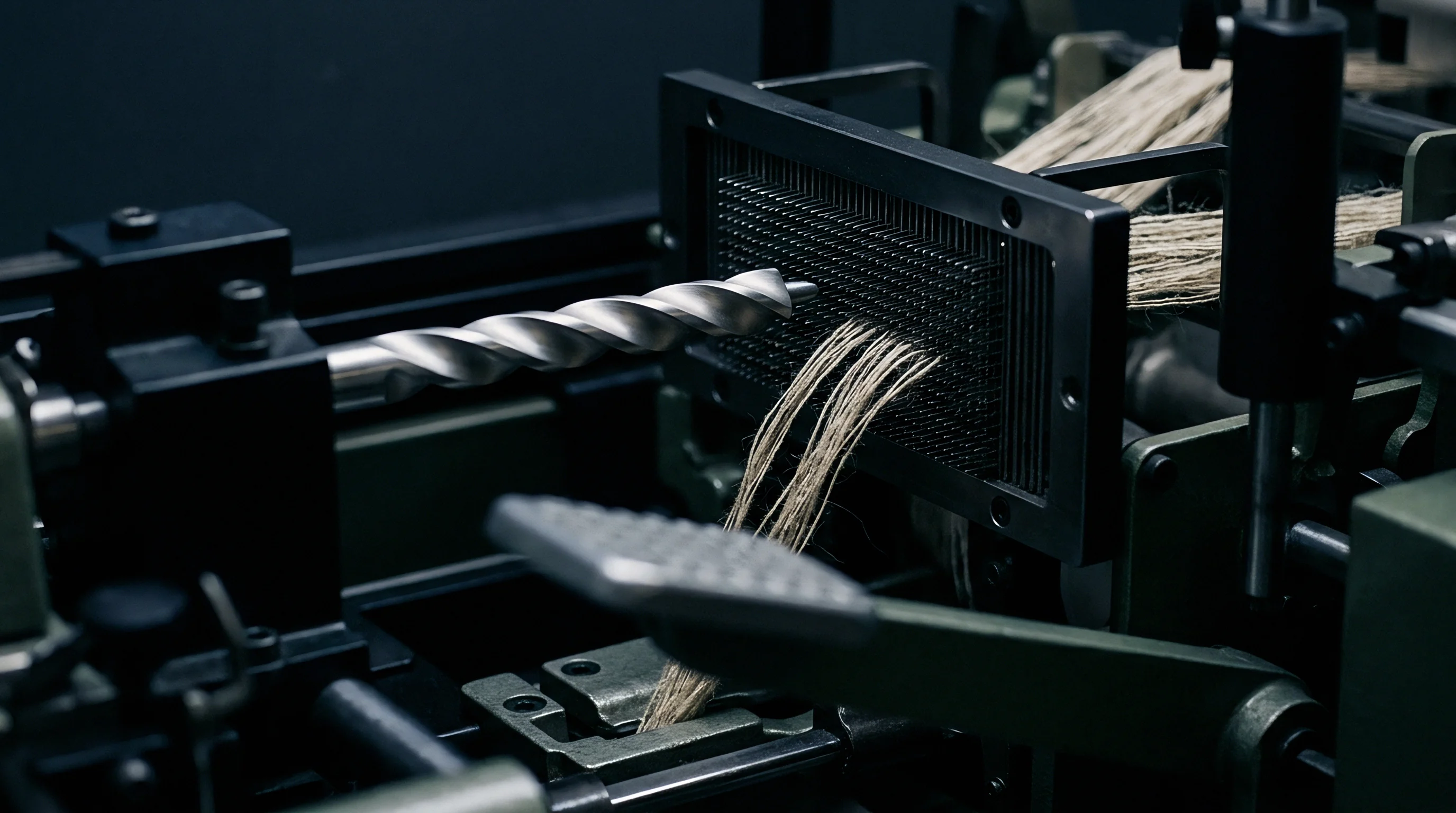
Doff

Greige Roll Identification and Weaving Shed Floor Logs
Doffing occurs the moment a woven linen greige roll detaches from the loom mechanism, creating a discrete physical asset from continuous yarn inputs. Every doff event requires an immediate, indelible record generated loom-side. The doff ticket captures the loom number, weaver ID, shift code, greige roll serial number, pick density check, measured roll length, and gross weight.
In authentic linen manufacturing, this record attaches physically to the inner core of the cloth roll while updating the mill management software electronically. Fabric identification established at the doff stage provides the primary physical link between raw yarn allocation and finished cloth origin declarations.
Discrepancies in substantial transformation audits frequently surface during greige roll inspection. As fabric unrolls from the loom across an inspection frame, operators mark and count defects like warp ends down, thick ends, foreign fibers, or broken picks. Linen fabric exhibits natural slubs and yarn variations, but structural weaving defects correlate directly with yarn quality and loom tuning.
Floor audit teams verify physical roll weights against yarn consumption logs. A greige roll weighing 45 kilograms at a measured length of 120 meters must reflect the target areal density plus the residual sizing percentage and moisture regain native to flax fibers.
Flax fiber is naturally hygroscopic, with a standard moisture regain rate of 12 percent under standard atmospheric conditions of 20 degrees Celsius and 65 percent relative humidity. During weaving, moisture content fluctuates based on shed humidification systems, which keep ambient humidity between 70 percent and 75 percent to prevent flax yarn brittleness. Doff records that log dry weights without correcting for relative humidity variations risk mass balance distortion.
Auditors verify that the doff weight matches the theoretical fabric mass derived from warp count, weft count, reed width, crimp percentage, and sizing content.

Documenting the Physical Chain from Loom to Grey Store
Once doffed, the greige roll transfers to the grey cloth store pending quality grading and batch consolidation for wet processing. This transit step requires a verified movement voucher. Modern mill operations use barcoded or RFID-tagged core plugs that register each roll as it crosses the threshold from the weaving floor into the storehouse.
The table below outlines the core parameters captured in an immutable loom-doff audit trail across a typical three-shift production cycle.
| Data Element | Source Document | Verification Method | Audit Objective |
|---|---|---|---|
| Loom Identifier & RPM | SCADA / Electronic Loom Log | Direct PLC data export | Confirm operational machine availability during shift |
| Warp Beam Serial | Beam Tag / Warping Slip | Cross-check with sizing batch logs | Validate local yarn origin and warp prep continuity |
| Doff Timestamp | Loom-side Ticket | Compare against shift attendance logs | Ensure production sequence chronological integrity |
| Greige Gross Weight | Floor Scale Printout | Calibrate against target GSM and length | Detect substituted imported greige cloth rolls |
| Pick Density (PPC) | Quality Control Pick Glass Log | Manual thread count audit | Verify cloth specifications match order allocation |
Audit personnel inspect the sequential numbering of doff tickets. Missing serial numbers or out-of-order timestamps suggest that rolls were introduced from non-audited secondary facilities. If loom number four displays doff records for rolls 101, 102, and 105 within a single 24-hour period, the mill must present physical records for rolls 103 and 104, demonstrating their assignment to a different customer order or scrap log.
Scrap rates in linen weaving average 2 percent to 4 percent due to setup ends and damaged cut marks; unaccounted missing rolls signal supply chain leakage.
Substantial transformation auditing relies on tracing these physical doff records backward to yarn delivery and forward to fabric finishing. If a mill maintains distinct manual books for loom allocation and digital files for inventory control, auditors cross-check manual weaver sign-offs against digital scale outputs. Discrepancies between handwritten weaver outputs and automatic weighbridge outputs reveal operational gaps where unverified fabric enters the facility custody chain.
As an operational rule, doffing records created more than four hours after a loom cycle completes signal retrospective ledger entry rather than live shop-floor tracking.


Reconciliation
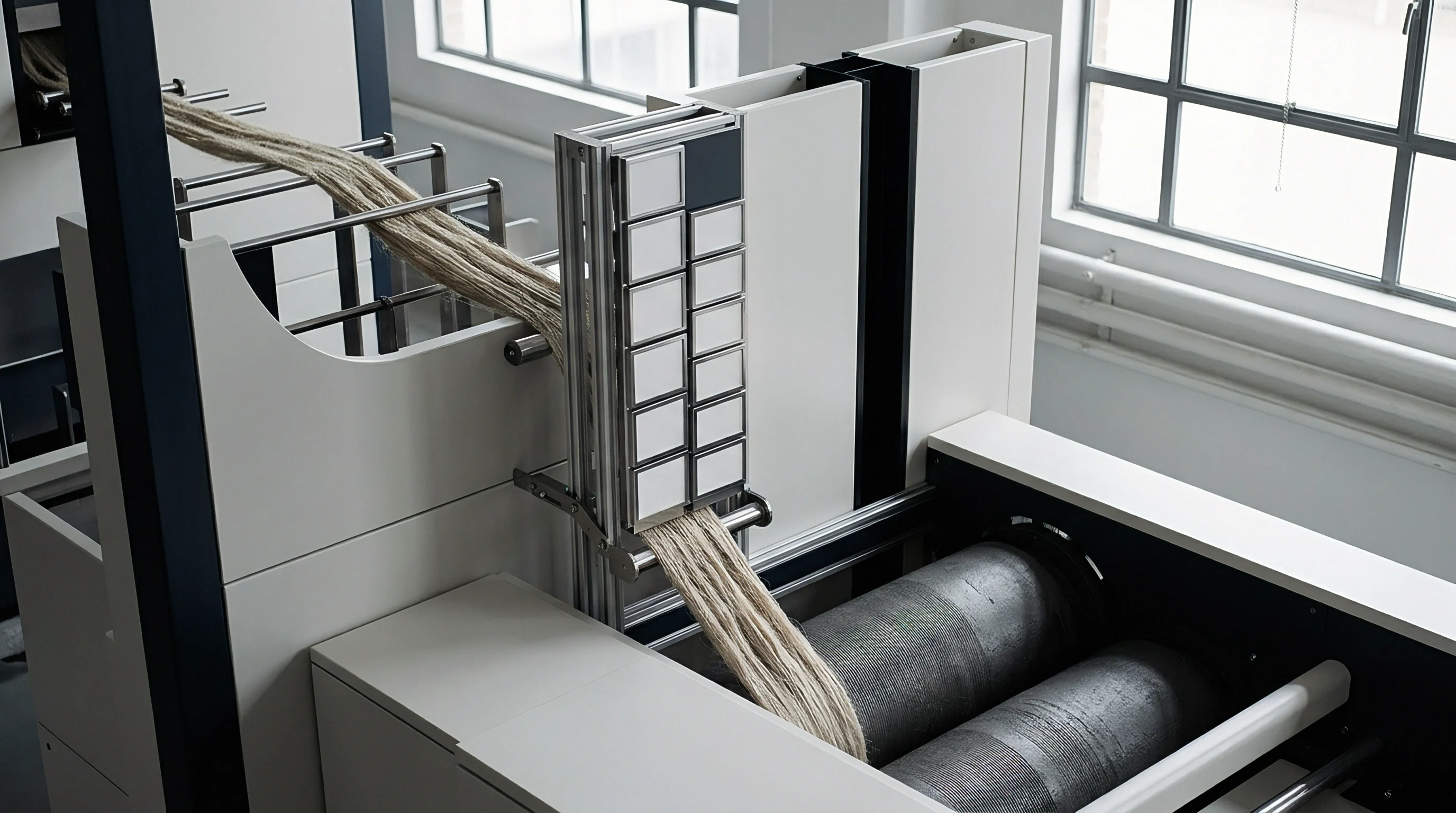
Mass Balance Metrics across Spin-to-Weave Calculations
Determining whether substantial transformation occurred requires a stringent mass balance reconciliation linking yarn intake to greige fabric production. Flax yarn entering the weaving mill arrives on cones or cheese packages, documented via delivery notes, packing lists, and mill certificate references under HS 5306. Converting yarn mass into finished fabric area involves calculated losses at every processing node.
The reconciliation formula must account for yarn moisture content, sizing agent addition, winding waste, warp tying waste, shed fly waste, and selvedge trim loss.
To verify that declared yarn quantities match output greige cloth, auditors apply a standardized linear mass balance equation:
Required Raw Yarn (kg) = fracTarget Greige Fabric Area (m2) × Target GSM (g/m2)1000 × (1 – Total Process Waste Ratio) × frac1(1 + Sizing Πckup Ratio)
In a typical execution, pure linen weaving incurs predictable process waste ratios:
- Winding and Creel Waste removes 0.8 percent to 1.5 percent of total yarn mass as outer cone layers and package tails are cleared.
- Warping and Sizing Scrap consumes 1.5 percent to 2.5 percent during beam setup, tension adjustment, and size box threading.
- Loom Shed Fly Loss drops 1.0 percent to 2.0 percent due to fiber embrittlement and mechanical abrasion at the reed and heddle eyes.
- Selvedge and Fringe Cut-offs remove 1.2 percent to 2.2 percent depending on whether tuck-in, leno, or conventional shuttled selvedges are produced.
Consider a practical scenario involving the manufacture of 20,000 linear meters of 100% linen plain weave fabric. The fabric width measures 1.5 meters, yielding a total surface area of 30,000 square meters. The specified target fabric weight is 180 grams per square meter, resulting in a theoretical total dry fabric weight of 5,400 kilograms.
Assuming a sizing pickup rate of 7 percent by dry yarn weight, the unsized fiber content within the fabric equals 5,046.7 kilograms. Factoring in an aggregate waste allowance of 5.5 percent across all weaving preparation and loom operations, the mandatory yarn input required to support this production run is precisely 5,340.4 kilograms of flax yarn under HS 5306.
An audit trail fails instantly when declared yarn consumption falls below the physical mass required to construct the verified total square meters of greige linen fabric.
If the mill’s incoming yarn receipts display only 4,500 kilograms of HS 5306 yarn allocated to this batch, the reconciliation reveals a deficit of 840.4 kilograms. This shortfall indicates that approximately 15.7 percent of the batch mass originated from imported, undocumented greige fabric rather than local weaving operations. Such a deficit proves that substantial transformation did not occur locally for the entire lot, voiding origin claims for the resulting shipment.

Yield Loss Variables and Waste Allocation Variance
Yield variances occur when yarn quality shifts mid-production. Inferior flax yarn with low single-thread strength generates higher end-break frequencies, raising loom downtime and increasing scrap rates up to 8 percent. Auditors evaluate mill scrap sales invoices and waste bin disposal receipts to confirm that reported yield losses correspond with physical waste generation.
A mill claiming high process waste to explain yarn deficits must provide matching records showing waste sales to secondary processors or fiber recyclers.
The table below summarizes sensitivity metrics for mass balance audits across varying linen fabric specifications, detailing yarn requirements per 10,000 meters of production.
| Fabric Nominal GSM | Finished Width (m) | Sizing Pickup (%) | Total Waste Allowance (%) | Calculated Yarn Input (kg) |
|---|---|---|---|---|
| 140 (Sheer Plain Weave) | 1.40 | 8.0 | 6.2 | 1,843.1 |
| 180 (Standard Apparel) | 1.50 | 7.0 | 5.5 | 2,670.2 |
| 240 (Heavy Upholstery) | 1.60 | 6.0 | 4.8 | 3,767.1 |
| 320 (Canvas / Duck) | 2.20 | 5.0 | 4.2 | 6,892.4 |
Evaluating mass balance metrics requires adjusting for moisture content shifts between yarn delivery and finished greige storage. Single linen yarn shipped from humid climates carries up to 13 percent moisture. If weighed in dry ambient conditions without moisture meters, raw yarn weight measurements understate actual fiber mass, skewing input calculations.
Auditors enforce standardized moisture correction formulas using oven-dry weight testing according to ISO 6741 guidelines to eliminate atmospheric variance from origin audit totals.
When yarn consumption records deviate from physical fabric yield by more than 3 percent after adjusting for sizing and moisture, the customs liability for misdeclared origin shifts entirely to the importer of record.


Threshold

Legal Frameworks for Substantial Transformation in Fabric
Non-preferential rules of origin determine the economic nationality of goods for tariff application, trade remedy enforcement, import quotas, and origin labeling. In international textile trade, the primary benchmark for substantial transformation is the processing threshold that converts raw materials into a distinct new article of commerce with a changed name, character, and use. For linen manufacturing, this boundary is defined by precise tariff shifts within Chapter 53 of the Harmonized Commodity Description and Coding System, specifically the transition from yarn under HS 5306 to woven cloth under HS 5309.
Under European Union Customs Code regulations, specifically Annex 22-01 of Delegated Regulation (EU) 2015/2446, non-preferential origin for woven linen fabric attaches strictly to the country where the complete weaving process takes place. If flax yarn spun in China under HS 5306 is imported into an EU member state or a secondary processing country and woven into greige linen cloth on local looms, the resulting fabric satisfies the substantial transformation test, taking the country of weaving as its country of origin. Conversely, if greige linen fabric woven in China under HS 5309 is imported into another jurisdiction merely to undergo dyeing, printing, bleaching, or softening, these finishing operations do not constitute substantial transformation.
The fabric retains its original Chinese origin regardless of value added during wet processing.
United States trade law under 19 CFR 102.21 enforces similar process-based rules for textile products. The general rule mandates that a textile fabric obtains origin in the country where it is woven, formed through warp and weft interlocking, regardless of where the constituent yarns were spun. Finishing operations such as scouring, desizing, mercerizing, dyeing, printing, or flame-retardant treatment, even when combined with complex tentering and calendering, are explicitly excluded from conferring origin under US customs jurisprudence unless the specific tariff rule permits process combinations that include significant fabric formation steps.

Customs Regimes and Origin Classification Realities
Disputes frequently arise when suppliers confuse preferential origin criteria under bilateral trade agreements with non-preferential origin criteria enforced at national borders. Preferential rules often permit specific cumulative provisions or value-add percentages to grant duty-free access. Non-preferential origin rules, however, rely strictly on precise physical assembly operations.
The table below compares process eligibility across key international customs jurisdictions regarding non-preferential substantial transformation for linen goods.
| Manufacturing Operation Executed | EU Union Customs Code (UCC) | US CBP (19 CFR 102.21) | Non-Preferential Origin Status |
|---|---|---|---|
| Yarn Spinning (HS 5306) + Weaving (HS 5309) | Confers Local Origin | Confers Local Origin | Substantial Transformation Achieved |
| Weaving Only (Foreign HS 5306 Yarn Input) | Confers Local Origin | Confers Local Origin | Substantial Transformation Achieved |
| Piece Dyeing & Finishing (Foreign Greige HS 5309) | Fails Origin Test | Fails Origin Test | Origin Remains Foreign Greige Source |
| Scouring, Bleaching & Printing (Foreign Greige) | Fails Origin Test | Fails Origin Test | Origin Remains Foreign Greige Source |
| Cutting & Hemming (Fabric into Linen Napkins) | Confers Assembly Origin | Fails Origin Test (Simple Assembly) | Jurisdiction-Specific Divergence |
When auditing complex supply chains, customs authorities inspect the physical execution of weaving. If a supplier attempts to claim local origin based on minor weaving adjustments, such as adding a simple selvedge thread or performing fringing on foreign greige fabric, customs inspectors reclassify the entry under its origin greige status. The threshold requires complete formation of the textile grid, interlocking warp and weft yarns across the full width and length of the material.
Suppliers routinely defend documentation failures by claiming that internal loom logs were lost during wet finishing transformations, but regulatory authorities reject this excuse when verifying origin applications.


Attestation
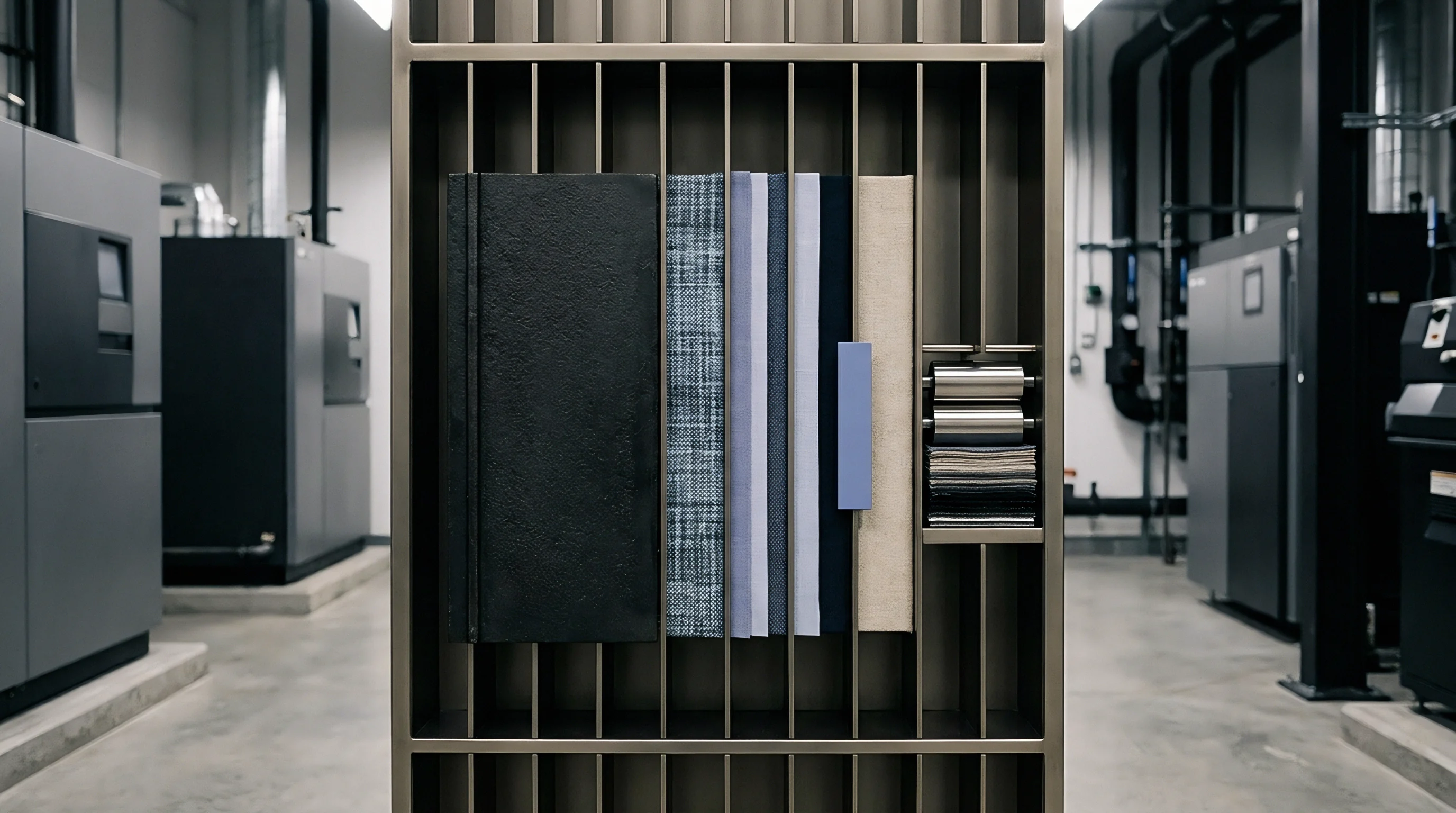
Building the Unassailable Provenance File
An origin declaration is only as robust as the underlying audit file. Constructing an unassailable dossier for 100% linen fabric requires collecting, indexing, and validating documents across every production tier. Sourcing practices must enforce a systematic protocol for document gathering, ensuring that paperwork moves alongside physical fiber.
The file must demonstrate an unbroken paper and operational trail from raw yarn intake through loom allocation, doffing, inspection, and final commercial dispatch.
To establish compliance with substantial transformation rules, the provenance file must contain a specific suite of primary records. The numbered sequence below outlines the step-by-step verification protocol used by field auditors to validate mill claims.
- Verify yarn acquisition by securing purchase contracts, commercial invoices, bills of lading, and certificate of analysis documentation identifying yarn count, twist direction, and origin under HS 5306.
- Obtain physical warehouse delivery receipts showing entry of yarn packages into the weaving mill’s raw materials store, complete with package lot numbers and net weight measurements.
- Extract warping and sizing department production logs matching the specific yarn lots to beam serial numbers allocated to the buyer’s production order.
- Collect loom allocation cards and SCADA digital system exports detailing loom numbers, assigned beam serials, planned start times, running speeds (RPM), and operator shift assignments.
- Retrieve loom-side doff tickets and grey store intake sheets showing serial numbers, gross weights, net lengths, and pick density readings for every greige roll produced.
- Cross-reference electrical power consumption records, kilowatt-hour meter readings for the weaving shed, and shift attendance logs for the allocated production dates to confirm active factory operation.
- Gather final wet processing, inspection, packing, and dispatch documentation linking finished roll numbers back to the validated greige doff serials.
Audit practices frequently encounter incomplete documentation, where mill management provides generalized summaries rather than batch-specific operational records. A general certificate of origin issued by a local chamber of commerce holds minimal evidentiary weight during an official customs audit if detached from primary shop-floor logs. Chambers of commerce routinely issue certificates based on exporter declarations without verifying loom capacity or inspecting shed operations.
Customs investigators look past administrative attestations, demanding raw machine logs and mass balance proof.

Power Consumption Cross-Referencing and Facility Qualification
Evaluating electrical energy consumption provides an effective objective method for verifying loom activity. Modern rapier looms process flax yarn with a sustained electric power draw ranging between 3.5 kW and 5.5 kW per machine hour, excluding auxiliary loads such as central humidification, lighting, compressor units, and dust extraction systems. Continuous weaving shed operations require substantial electrical energy input.
Auditors calculate expected power usage for a declared production volume using a direct energy reconciliation model:
Expected Energy (kWh) = Allocated Looms × Operating Hours × Average Power Draw (kW)
If a factory claims to have operated twenty rapier looms for 120 continuous hours to produce a batch of high-density linen duck cloth, the weaving looms alone must consume approximately 9,600 to 13,200 kilowatt-hours of electricity. Adding auxiliary load allowances, total facility power draw should reflect a measurable spike in utility billing logs for that period. If the mill’s official electricity utility invoices display low total usage, or if local generator fuel consumption records fail to reflect equivalent energy generation during power grid load-shedding events, the audit reveals that the looms were inactive during the declared window.
In such cases, greige fabric was imported from secondary suppliers, invalidating local origin claims.
Sourcing practices protect their clients by integrating mandatory origin warranty language into primary supply agreements. Sourcing contracts should incorporate the following explicit clause: “The seller warrants that all goods delivered under this agreement satisfy non-preferential rules of origin for the designated destination market through complete weaving execution occurring at the qualified facility listed in Schedule A. The seller shall maintain primary loom allocation sheets, doffing logs, yarn intake receipts, and utility power verification records for a minimum of five years from the date of export, and shall grant buyer’s designated auditors unfettered access to these records within five business days of formal written request.”


Exposure

Financial Liabilities and Customs Penalty Mechanics
Failing to establish substantial transformation through audited loom allocation trails creates immediate financial, operational, and legal vulnerabilities for the importer of record. Customs authorities treat invalid origin declarations as serious regulatory infractions. In the United States, enforcement under 19 U.S.C. 1592 covers material false statements, gross negligence, and fraud regarding origin claims.
Penalties range from duty recovery plus statutory interest for simple clerical errors to double the domestic value of the merchandise for gross negligence, and up to the full domestic value of the shipment for intentional fraud. Misdeclared origin also exposes importers to civil enforcement under the False Claims Act, where whistleblowers and government prosecutors pursue treble damages for unpaid duties.
Within the European Union, national customs administrations enforce administrative and criminal penalties under local trade compliance statutes. Penalties typically involve back-duty assessments spanning three prior years, immediate loss of import privileges, confiscation of non-compliant inventory, and fines proportional to the customs value of the misdeclared goods. Beyond direct regulatory fines, importers bear the financial burden of goods seized at the port of entry, accrued demurrage charges, warehouse storage fees, and forced supply chain disruptions that damage commercial client relationships.
The financial impact escalates when origin misdeclaration involves trade remedy duties, such as antidumping duties, countervailing duties, or emergency tariffs under Section 301. If a buyer imports linen fabric labeled as woven in a low-duty country, but customs authorities prove through loom allocation audits that the greige cloth was woven in a jurisdiction subject to a 25 percent trade remedy tariff, the importer becomes liable for the full tariff differential, back-interest, and punitive administrative fines. Under reporting regimes, corporate executives face personal liability if they certify origin compliance while ignoring known gaps in supplier audit trails.

Auditing Protocols for High-Risk Sourcing Nodes
To manage exposure when sourcing from high-risk manufacturing hubs, sourcing teams deploy targeted qualification strategies before signing purchase orders. Standard factory audits evaluate social compliance and environmental safety, but origin risk auditing demands specialized technical inspection protocols focused entirely on machine capacity, raw material intake, and production tracing.
Field auditors conduct unannounced mill verifications to validate physical operations. Auditors enter the facility during active production runs to audit running looms against declared order allocation schedules. The inspection team verifies that loom serial numbers match allocation records, checks yarn package labels in the creel against HS 5306 intake documentation, extracts real-time PLC loom speed logs, and physically weighs freshly doffed greige rolls on calibrated factory scales.
Comparing live physical measurements against historical shop-floor ledgers quickly exposes operational discrepancies.
Sourcing practices must also implement strict risk-tiering for manufacturing facilities. Mills operating complete vertical integration ~ possessing yarn spinning, warping, sizing, weaving, and wet processing capabilities within a single fenced compound ~ present a lower origin failure profile than decentralized operations reliant on outsourced weaving networks. When dealing with asset-light suppliers or trading houses that subcontract weaving to independent toll sheds, the audit burden increases significantly.
In these environments, every sub-contracted shed must join the loom allocation tracking system, submitting daily doff logs and energy consumption data to the primary provenance file.
Investing in rigorous loom allocation audit trails protects sourcing capital from regulatory disruption. Establishing verifiable, machine-level traceability transforms origin compliance from a vulnerable administrative liability into a defendable commercial asset.