Correlating Bast Fibre Bundle Air Permeability to Wet Spinning Limits
Air permeability through bast bundles under ISO 2370 dictates the maximum spinnable wet count by defining available elementary fibrils per drafting cross-section.
Air permeability through bast bundles under ISO 2370 dictates the maximum spinnable wet count by defining available elementary fibrils per drafting cross-section.
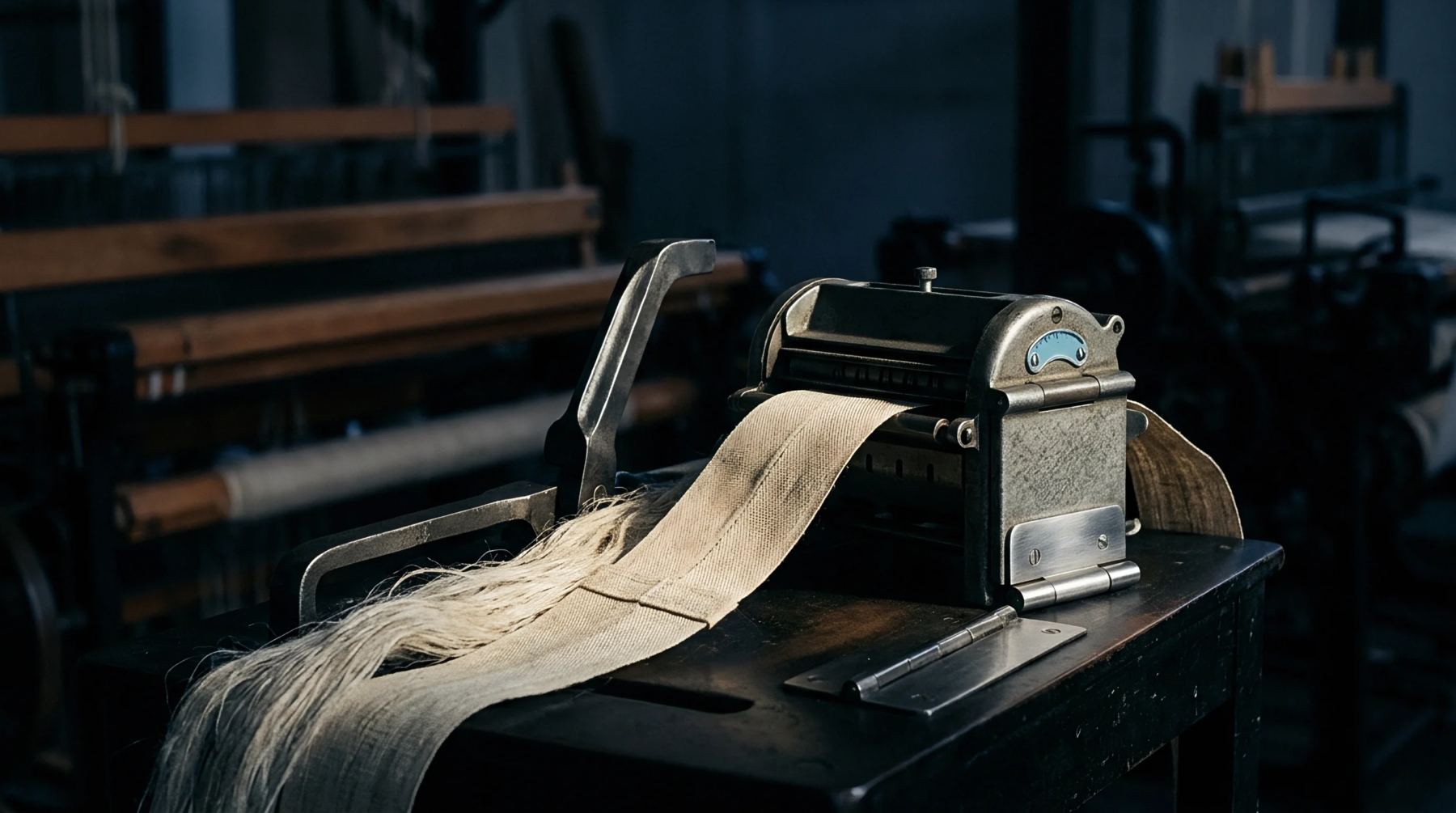
Airflow instruments measure specific surface area to rapidly determine flax bundle metric count, predicting spinning limits and hackling yield.

Controlled enzymatic pectin hydrolysis lifts long line hackling yield past fifty percent while preserving bundle tensile strength for high-count wet spinning.

Optimizing wet-spun high-count linen requires scoured line sliver under 1.2 dtex, strict 70°C trough water, precise 60mm ratch, and controlled balloon tension.

Scutched flax line classification dictates hackling yield, bundle fineness, and wet-spinning count limits, establishing the landed cost per metre of cloth.
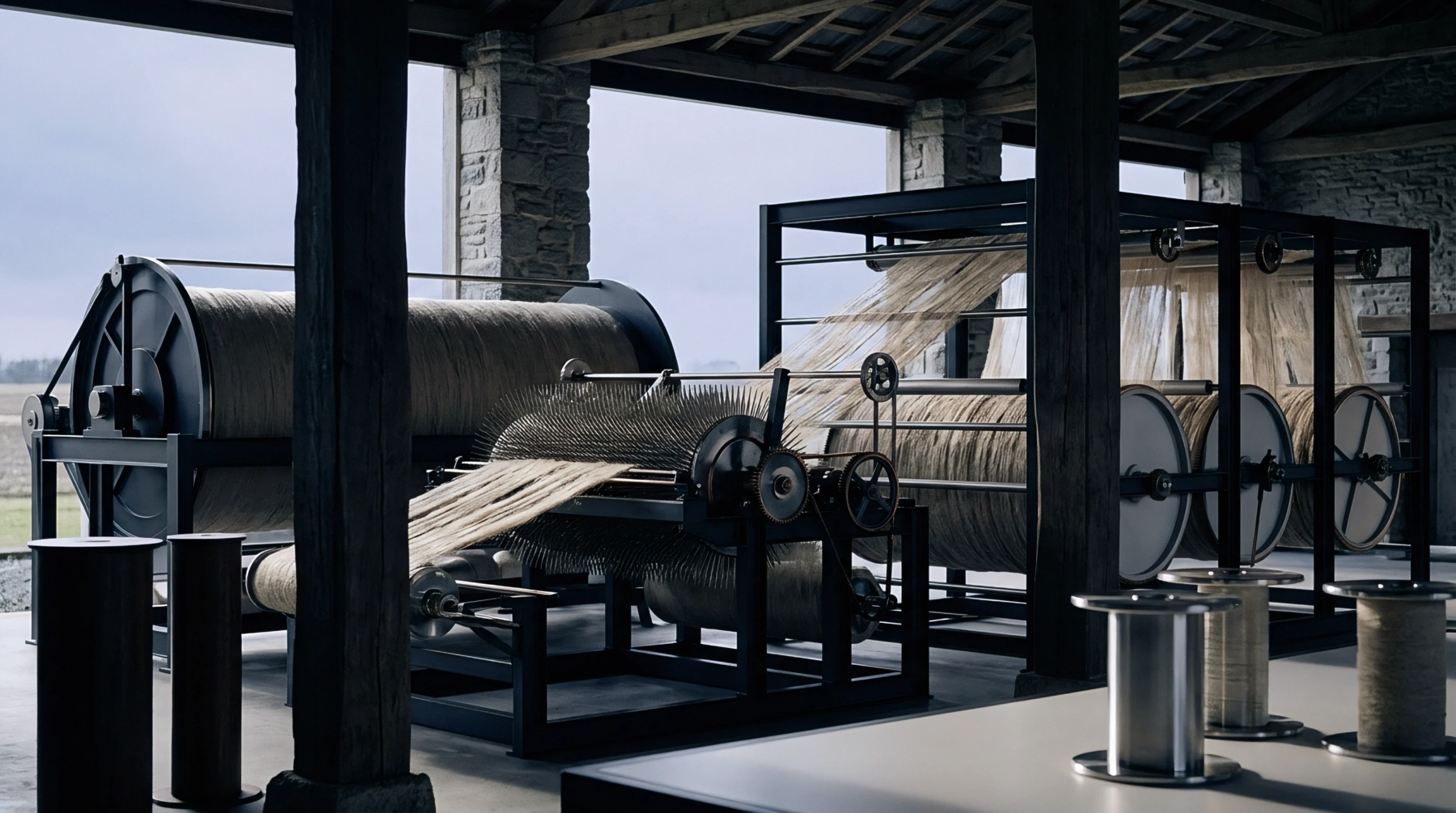
Laboratory capstan tests understate shedding drag because reciprocating heald friction melts wax coatings and exposes abrasive bast surfaces at high cycle rates.

Capacitive testing isolates wet-spun linen mass variation and pinpoints spinning frame mechanical defects through precise signal wavelength analysis.

Inspect linen count by wrapping conditioned lea skeins on calibrated reels under controlled tension to measure linear density against commercial regain values.

Chinese dry spun tow invoices distort commercial mass by applying standard moisture regain to raw dry weight without deducting added batching oils or tube tare.

Wet spinning sacrifices 8-12% chemical bath mass for fine count drafting, whereas dry spinning retains intact bundles with 18-26% coarse mechanical drop.
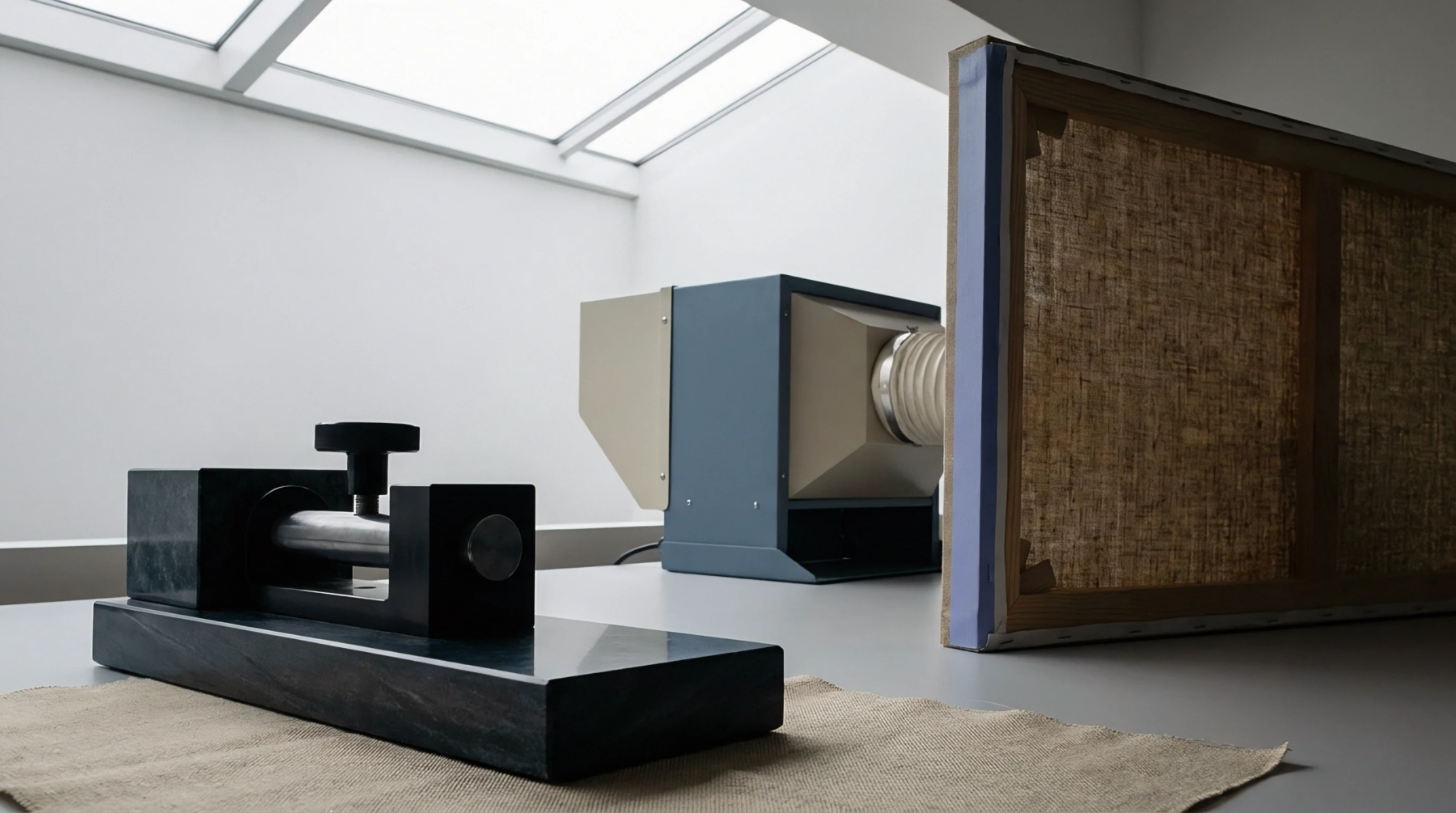
High metric line flax spinning requires long staple fiber above 220 Nm fineness, targeted rove pectin boiling, and precise trough temperature control.

Wet drafting speed limits in bast fibre spinning depend on non-isothermal viscous heating and extensional pectin film strain hardening.
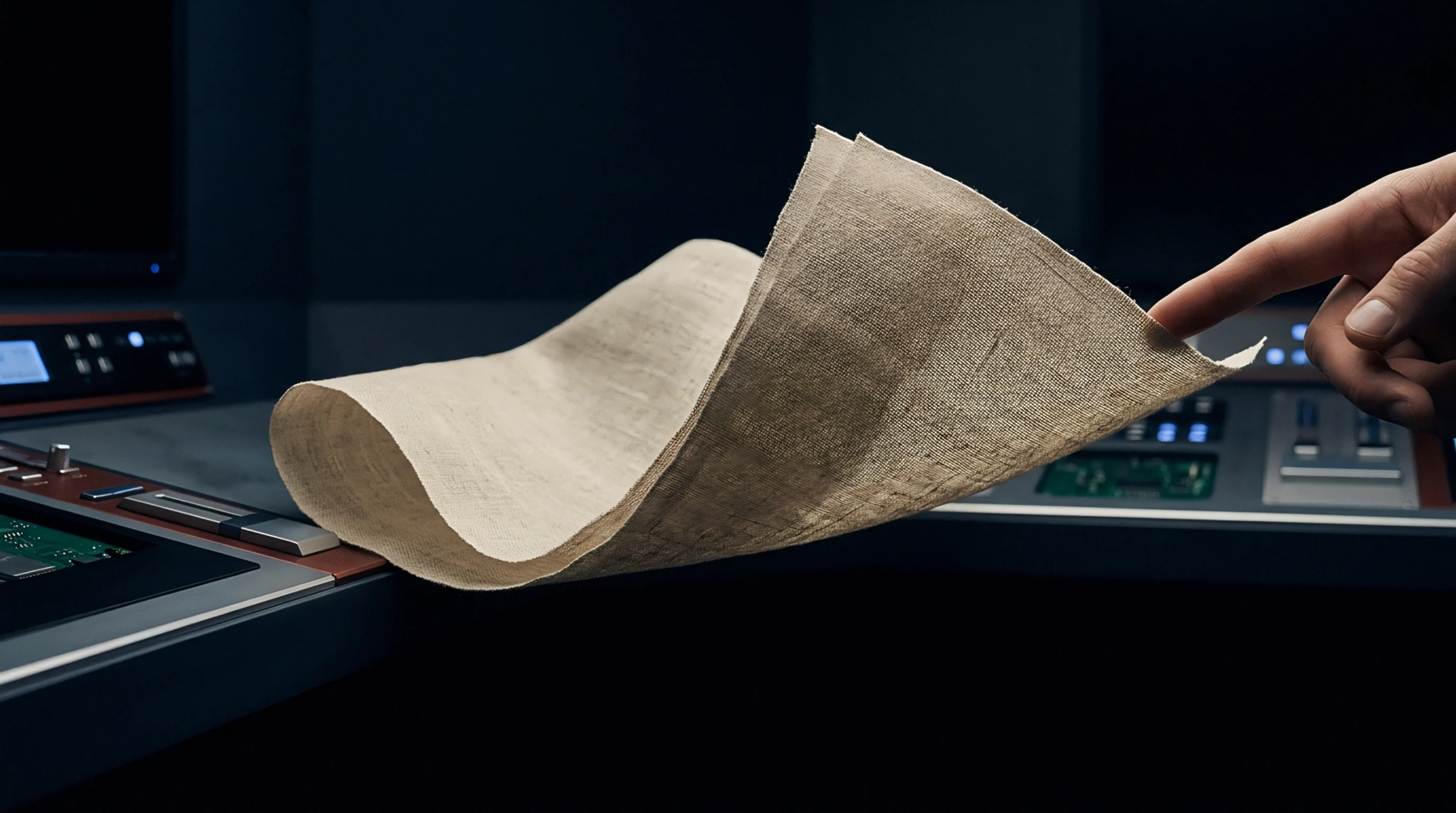
Solvation of middle-lamella pectins in heated troughs governs technical bundle splitting, directly determining wet-spun flax count limits and drafting stability.
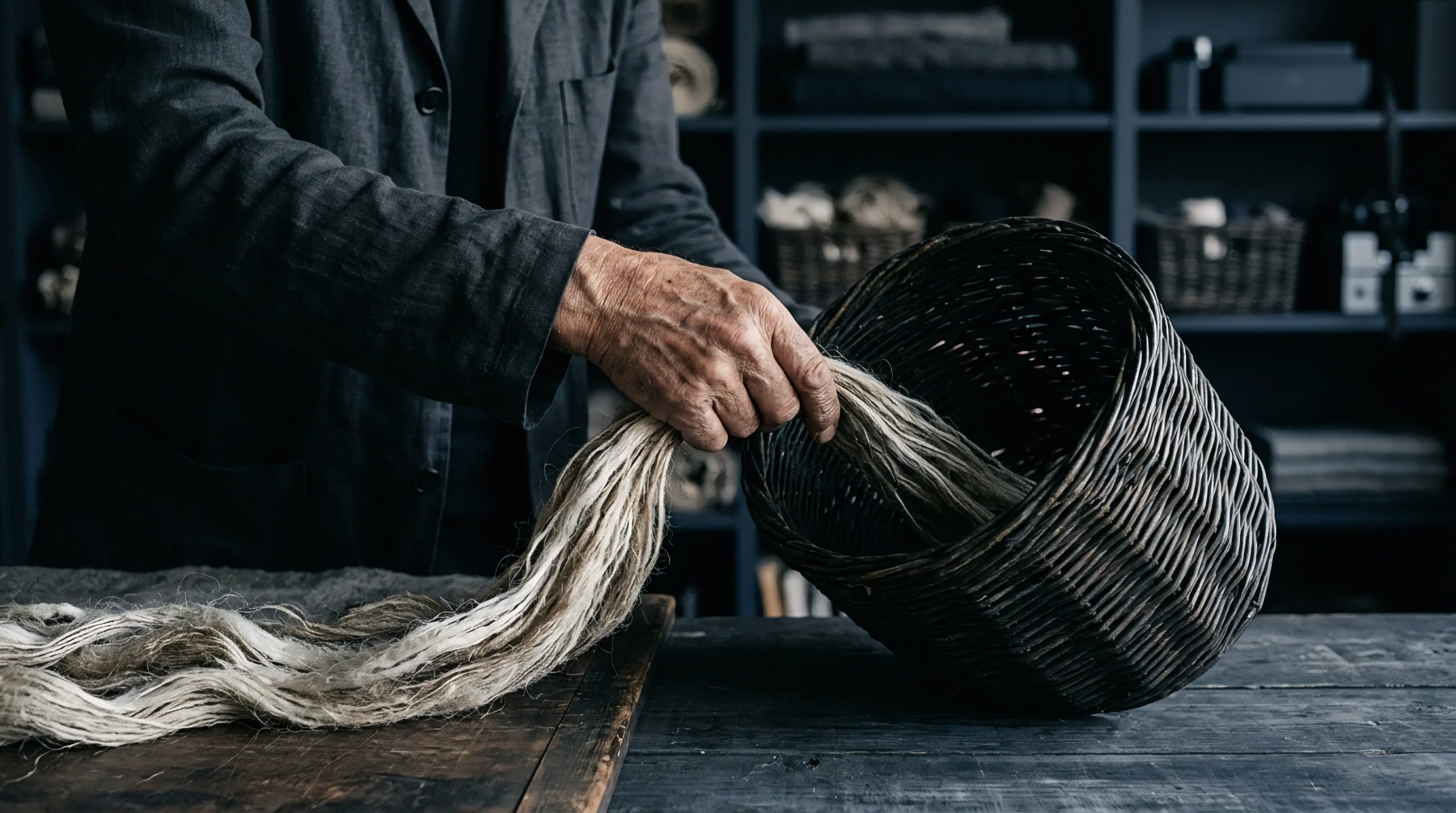
Trough liquor at 55 to 75 degrees Celsius softens flax pectin lamellae, allowing low-tension drafting of elementary cells into high-count linen yarns.

Targeting 1.8 to 2.4 percent residual pectin optimizes line yarn void fraction at 0.48 to 0.52, preserving drafting stability without bundle collapse.
Residual pectin between 1.3 and 1.8 percent maximizes yarn tenacity by enabling technical bundles to divide for tight packing while preserving axial shear cohesion.
Elementary bundle separation balances pectin removal against cellulose damage to fix hackling yield and the finest spinnable wet-spun yarn count.

Polyuronide extraction kinetics dictate middle lamella shear failure, establishing draft speed ceilings to prevent yarn delamination and mass variation.
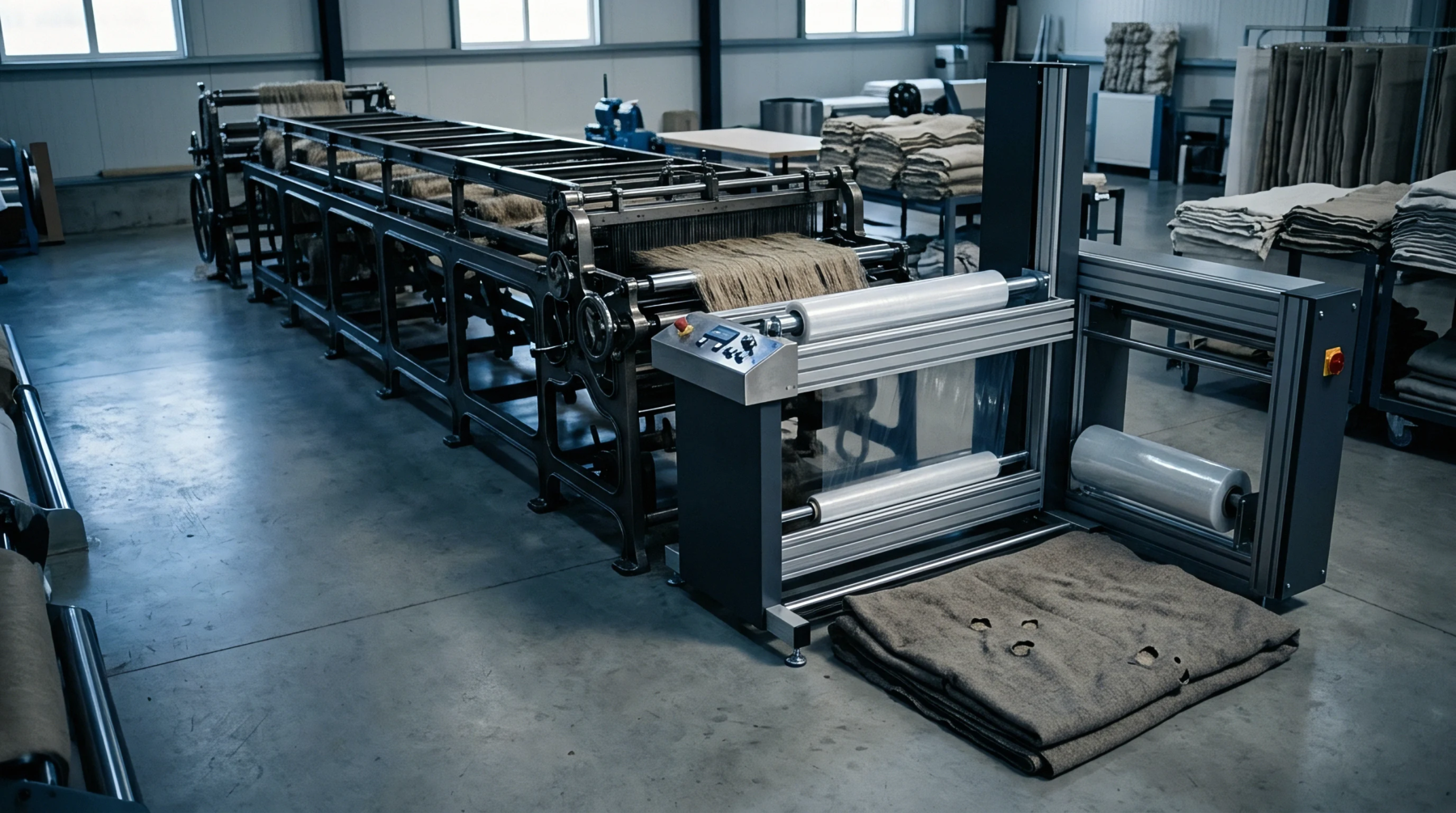
Controlled hydrothermal pectin dissolution in wet-spinning troughs unlocks elementary flax filaments, enabling drafting beyond 80 Lea counts.
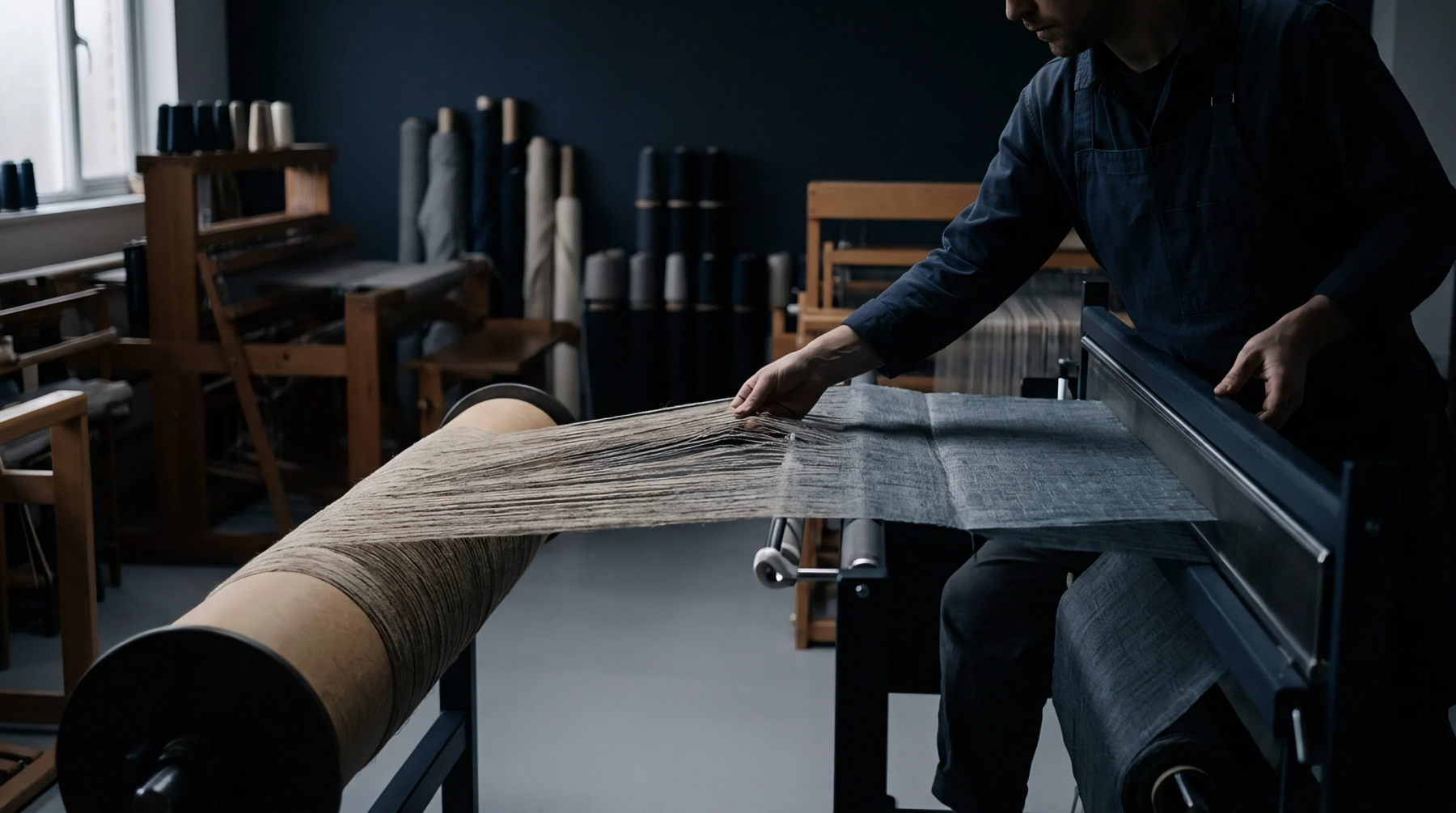
Ocean microclimates generate steep radial moisture gradients in dense flax bales, rendering single-core regain tests inaccurate for invoicing and spinning prep.

Controlled hot-water flume immersion softens pectin middle lamellae, enabling technical bundle splitting into fine elementary fibrils for high-count wet spinning.

Landed weight adjustments convert raw weighbridge bale mass to certified dry cellulose plus twelve percent commercial regain to settle cross border flax invoices.
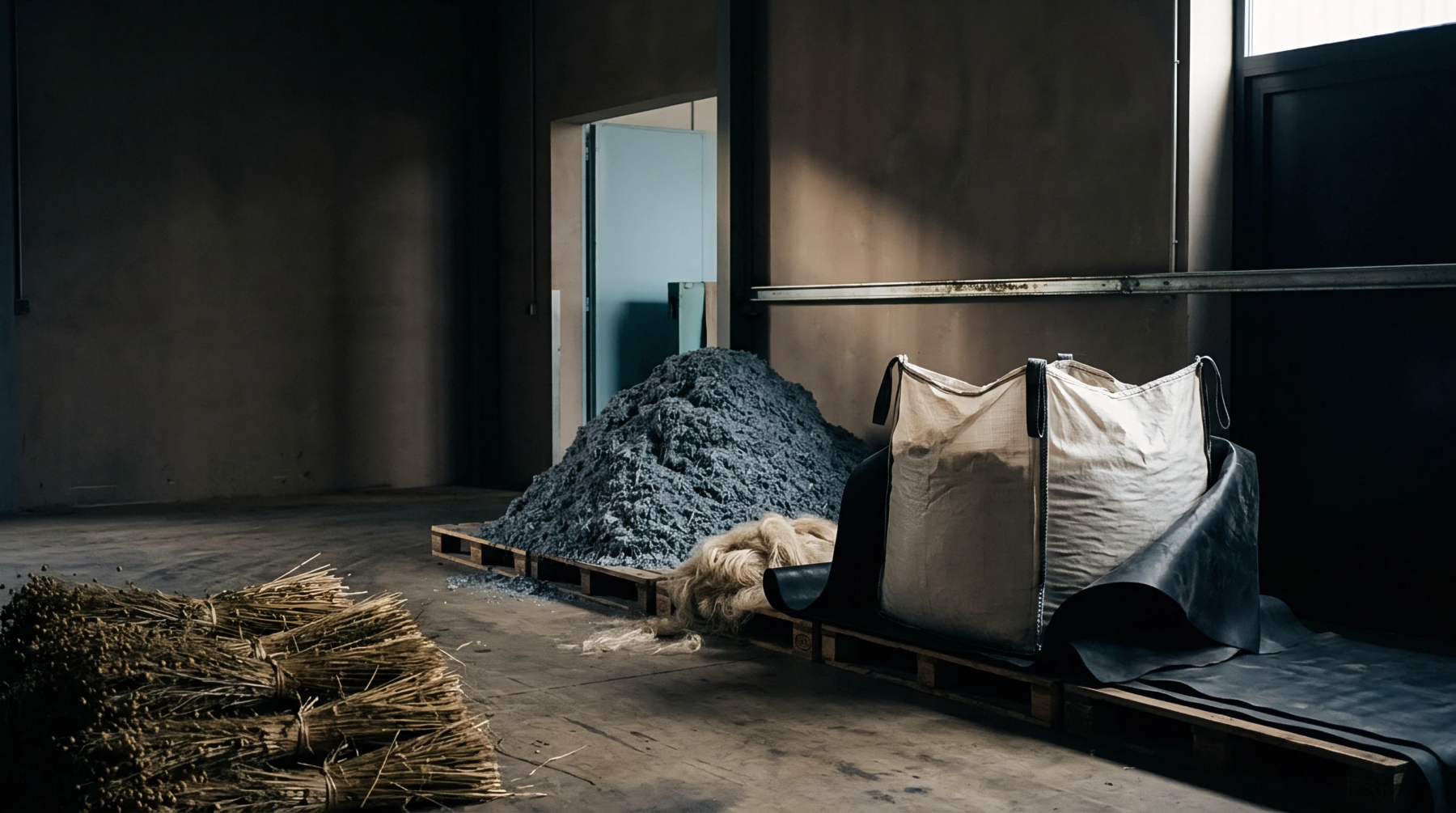
Standard commercial mass in scutched flax trading converts oven-dry weight to invoice mass using the agreed twelve percent moisture regain factor under ISO 6741.
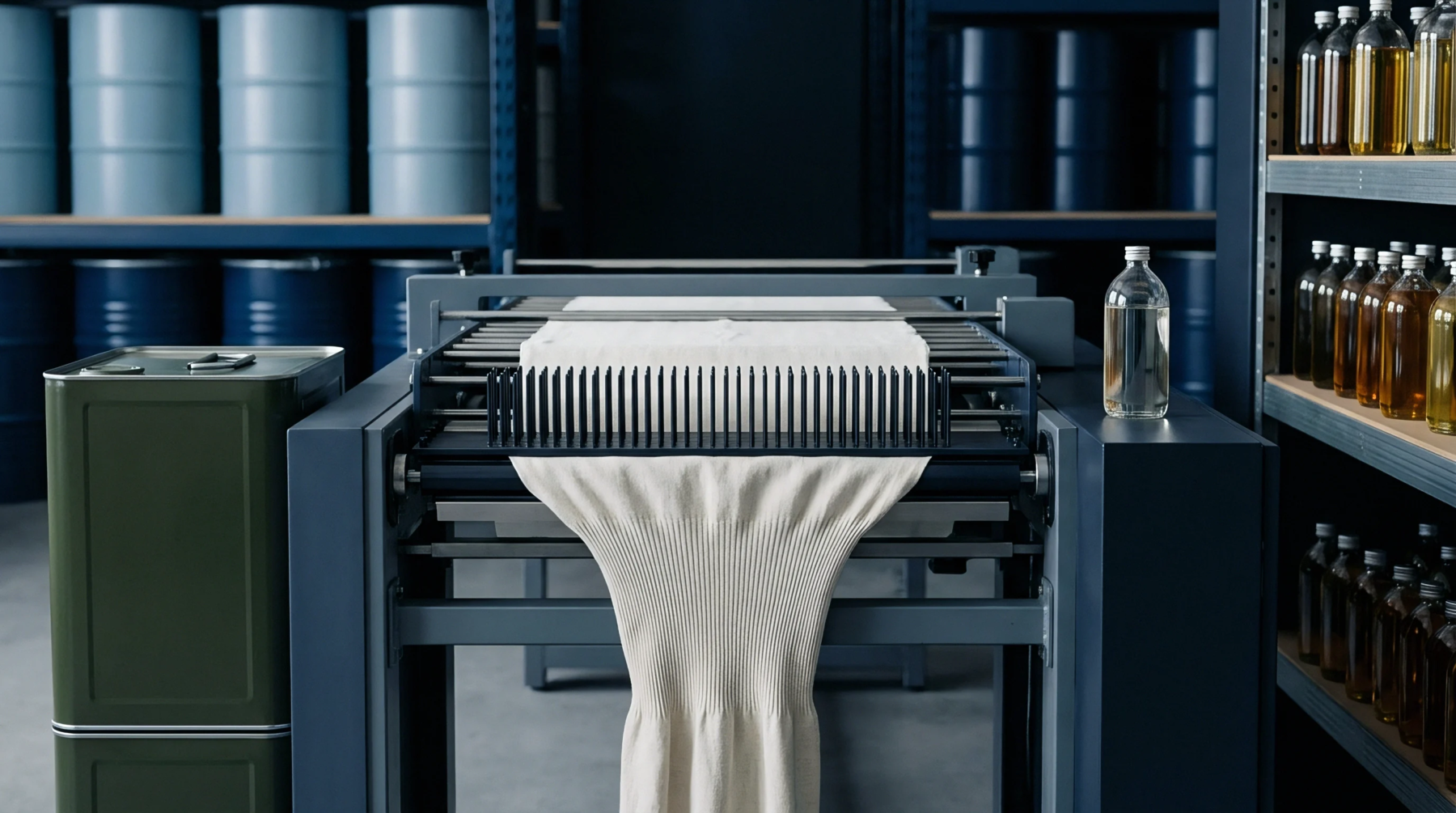
Hydrodynamic shear and hydrothermal pectin dissolution in high-speed wet drafting zones extract 4 to 8 percent of dry flax mass into unmonitored effluent streams.

Wet spun linen yarn conversion ratios from hackled sliver range from 68 to 82 percent, governed by chemical boil mass loss and wet spinning drafting waste.

Scutched flax line yarn suitability requires bundle fineness below 1.8 tex, shive under two percent, and uniform retting to prevent comb tow losses.
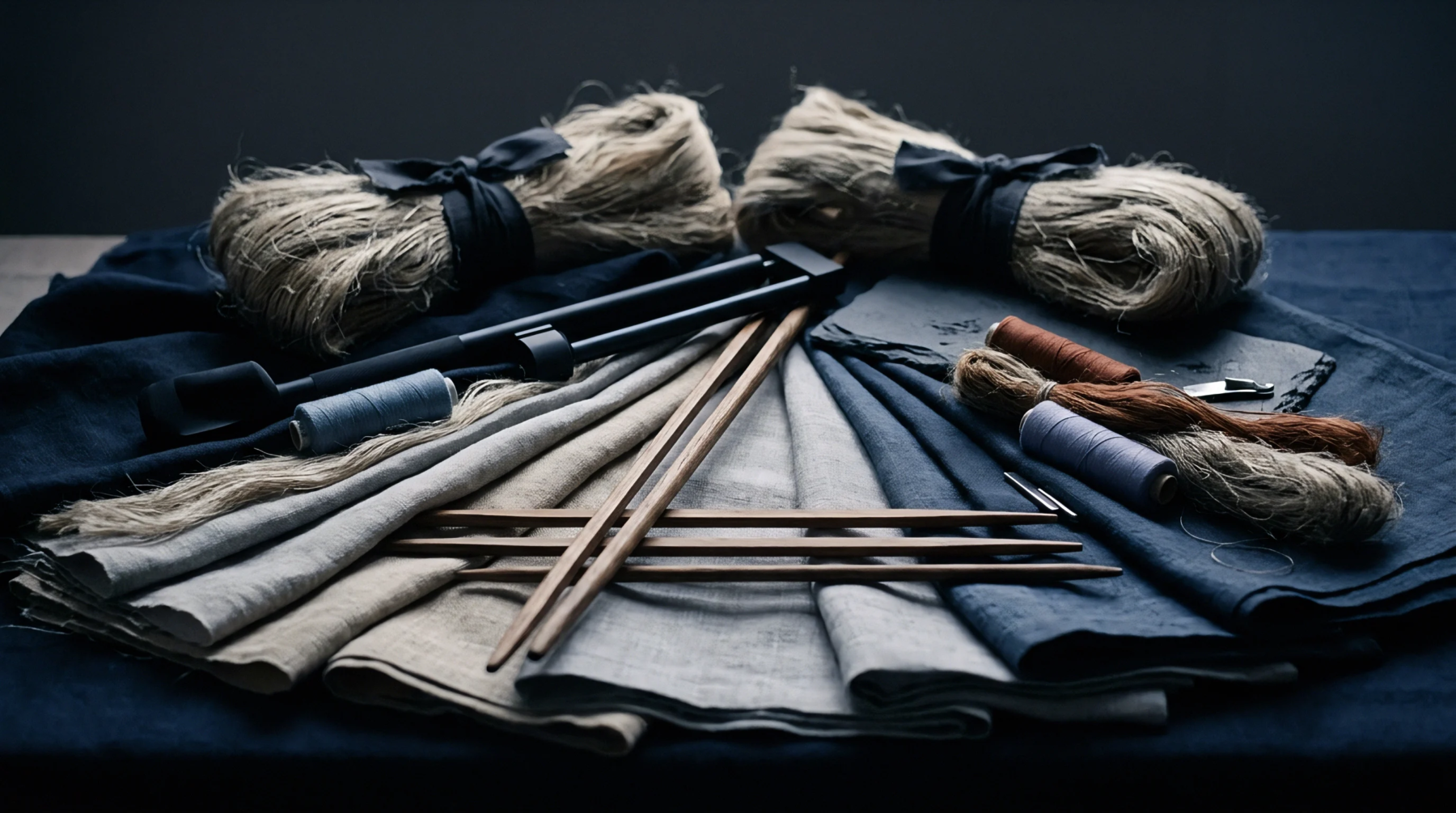
Excessive lamella degradation splits line flax prematurely, cutting yarn tenacity below 22 cN/tex and converting high-value line into low-margin hackling tow.
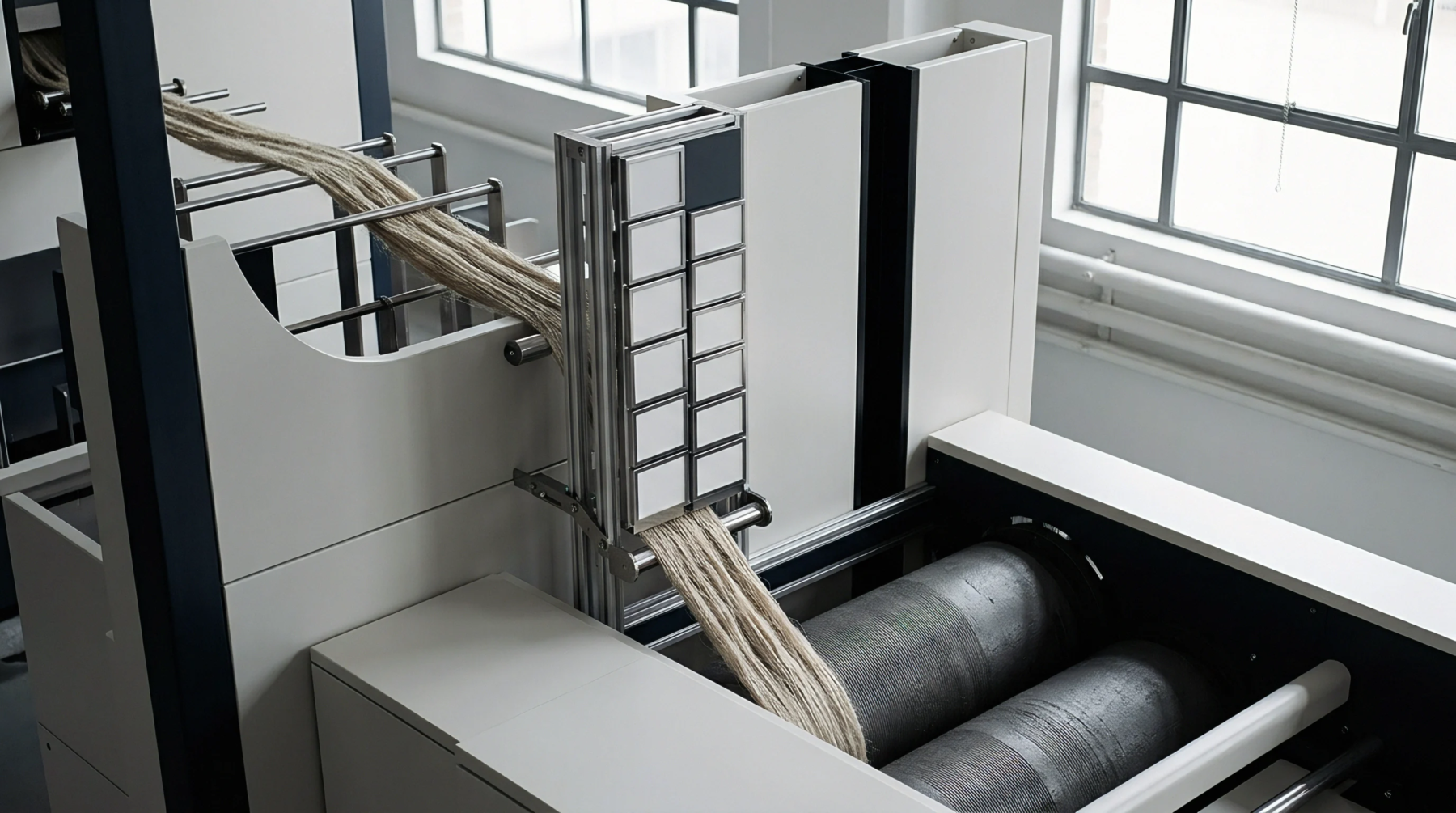
Enzymatic cleavage splits bast bundles into fine subunits, requiring narrower roller gauges and lower draft ratios to prevent drafting waves in wet spinning.
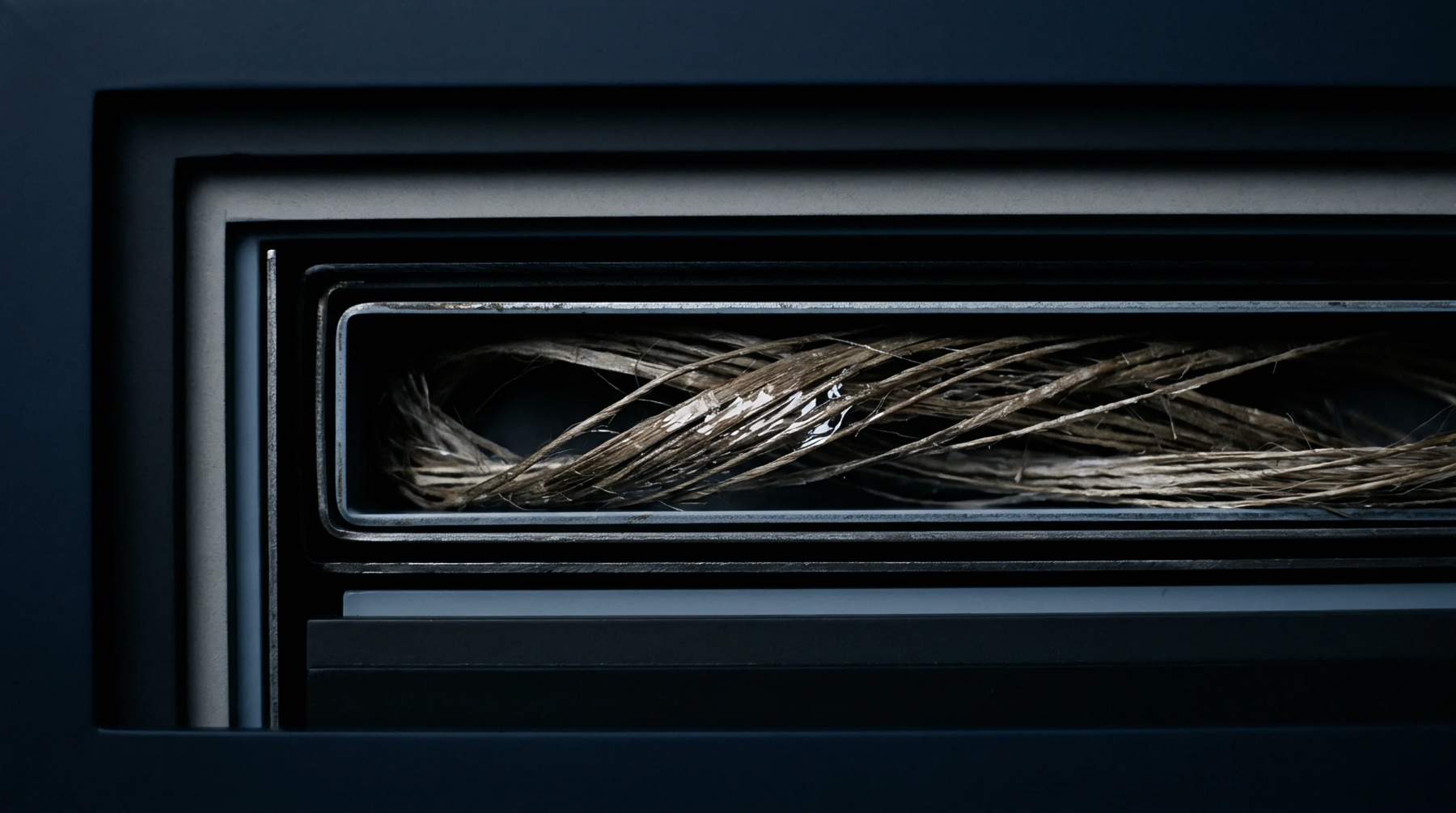
Targeting residual pectin between 1.8% and 2.6% dry mass optimizes fiber division for Nm 80-100 wet spinning while preventing drafting zone breaks.

Flax hackling yield hinges on sorption history; desorption-path fibers hold higher internal moisture, cutting brittle breakages and shifting line outturn by 3%.
Expertise is a utility, not a secret. sentiention™ publishes its working knowledge as open reference: intelligence layer covering the materials it sources, the markets it enters, and the reference that serves both.