
Nonlinear Bundle Linear Density Scaling Effects on Flax Drafting Wave Dynamics
Coarse flax bundles widen drafting waves by lifting roller cots and escaping pin fields, multiplying mass variance and driving severe yarn spinning breaks.
Coarse flax bundles widen drafting waves by lifting roller cots and escaping pin fields, multiplying mass variance and driving severe yarn spinning breaks.
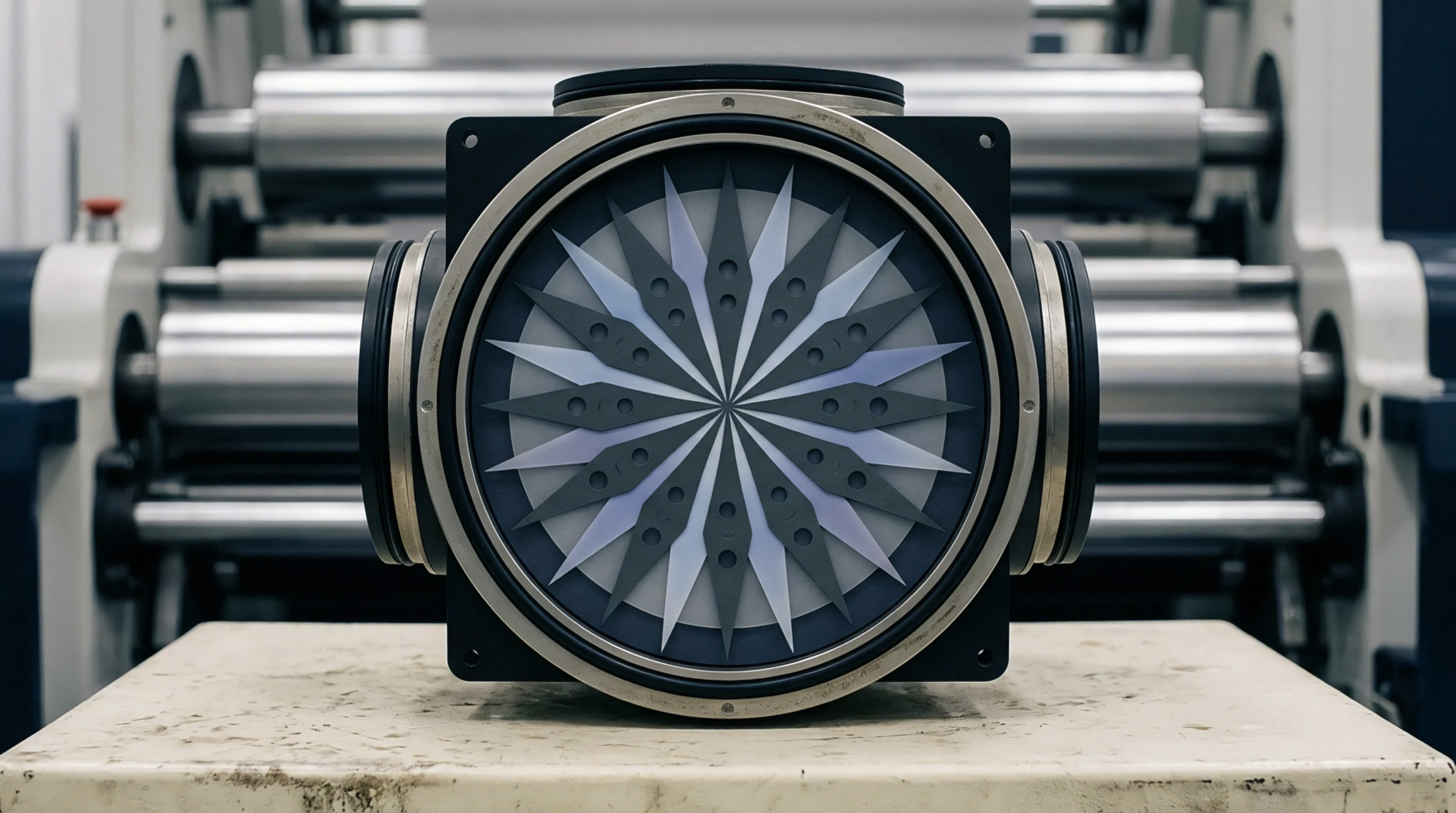
Discrete length distribution transformations control drafting breakage, wet trough bundle dissociation, and finished spinning margins in flax yarn production.

Linear density offsets in long line flax contracts require progressive financial adjustment schedules to offset downstream wet-spinning waste and tenacity losses.
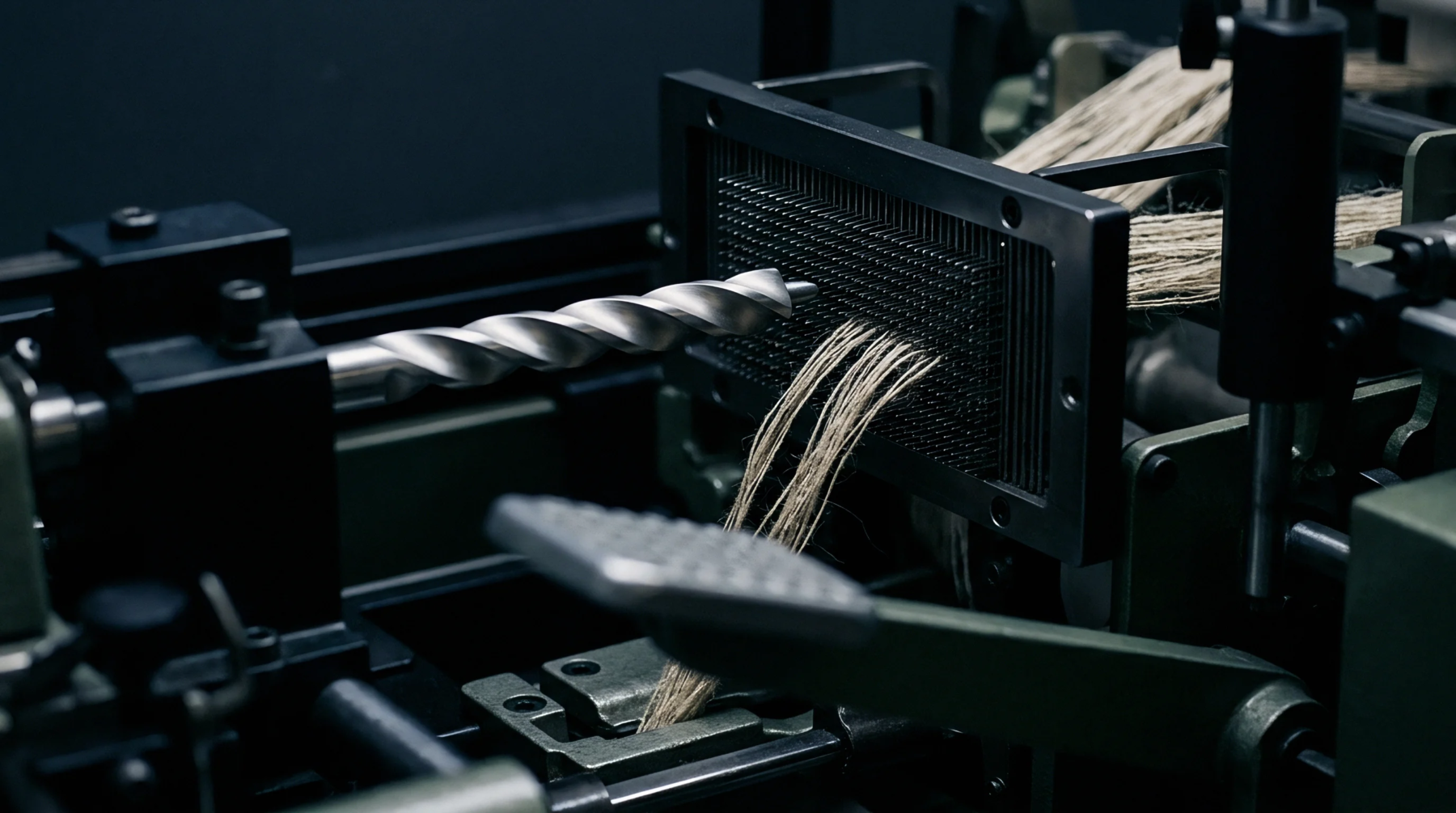
Cut length density variance destabilizes wet drafting by altering dynamic friction in the trough, demanding precise ratch, saddle pressure, and thermal control.
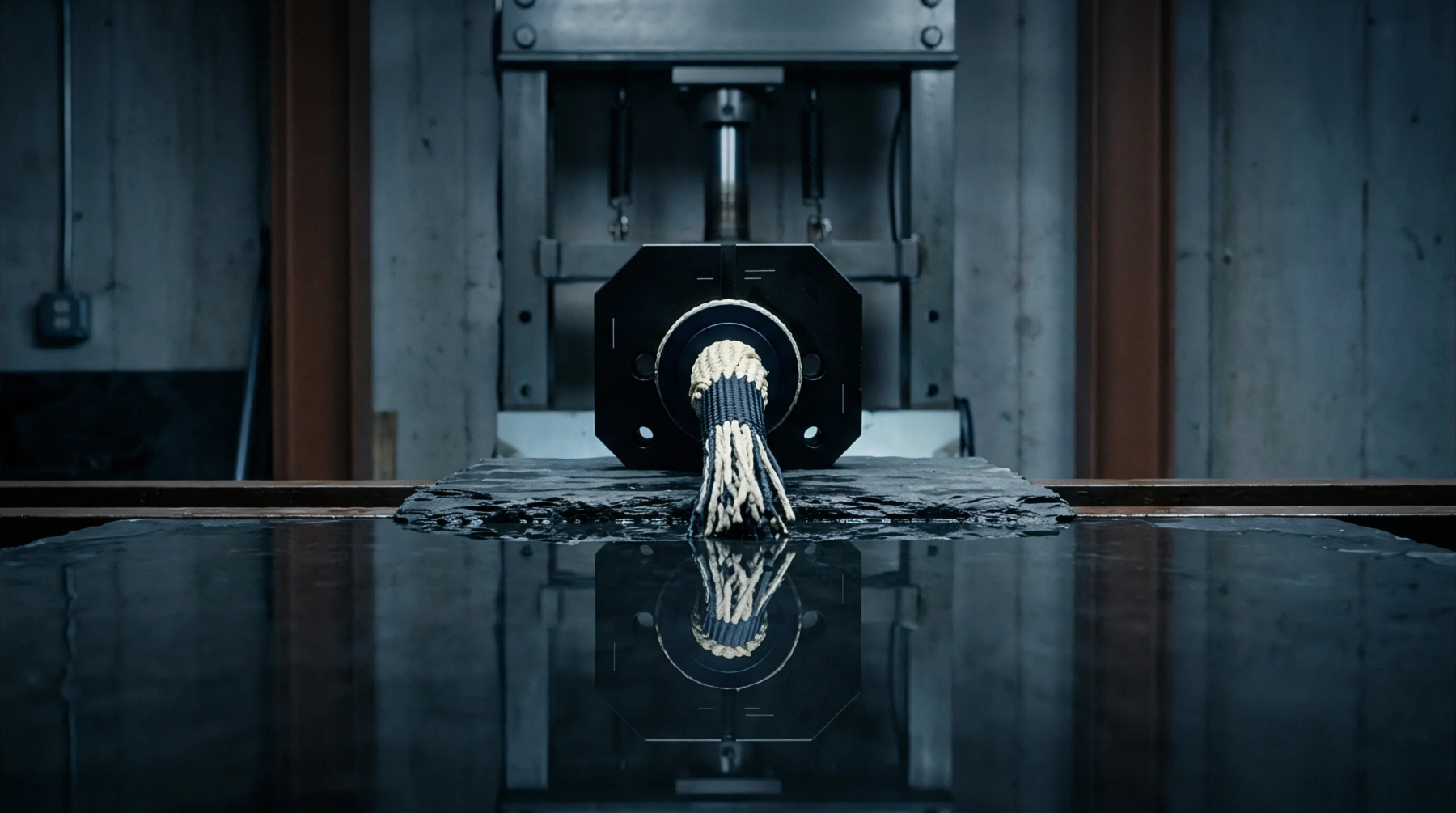
Cut-and-weigh gravimetric testing on conditioned bundles establishes the baseline tex that determines drafting limits, spinning counts, and invoice weights.

Deduct isolated shive mass from cut-length bundle specimens using precision sieving to prevent false linear density coarsening in wet-spinning fineness grades.
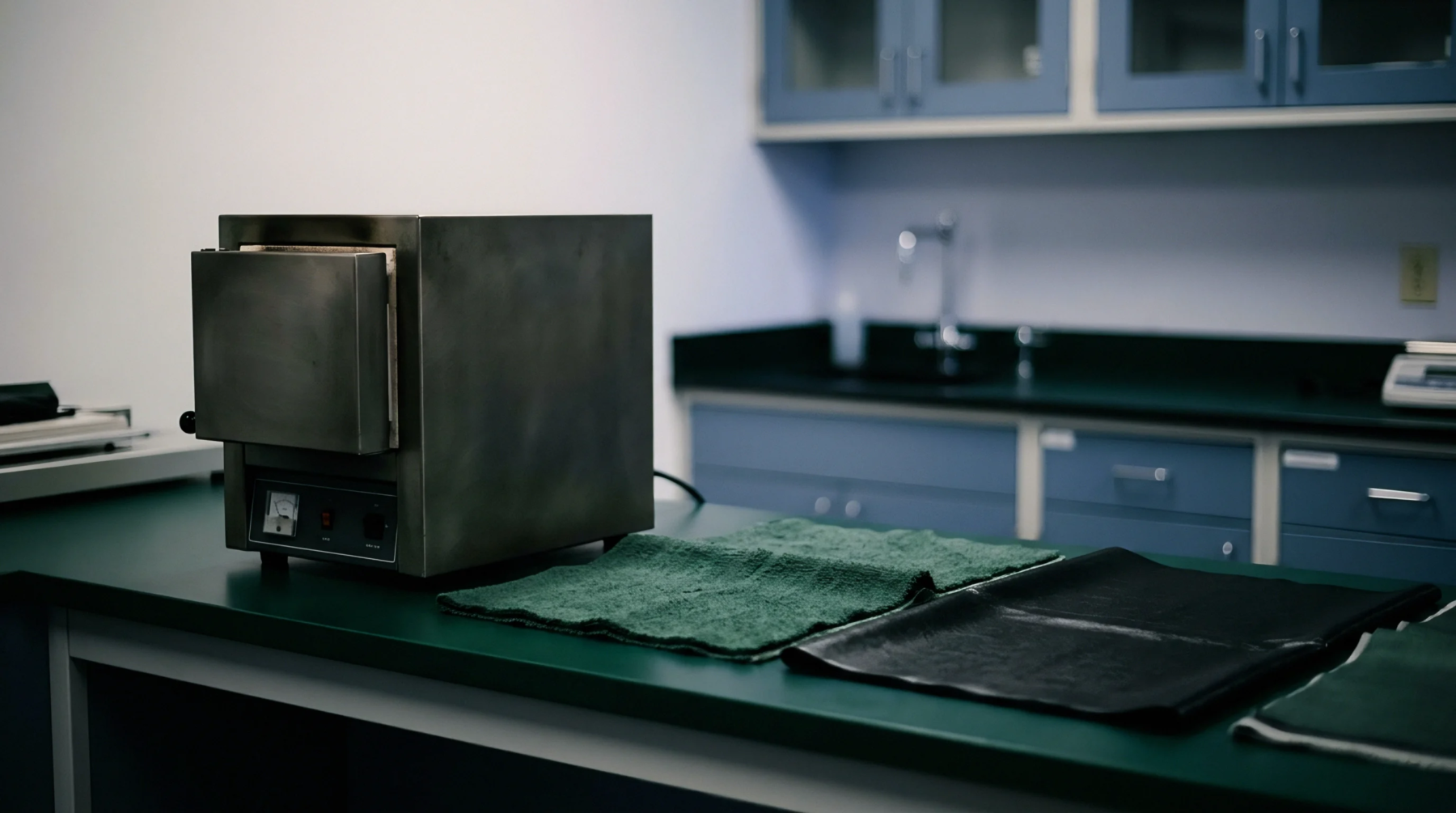
Gravimetric cut-length flax linear density testing converts as-tested bundle mass to official twelve percent commercial regain to prevent drafting and count errors.
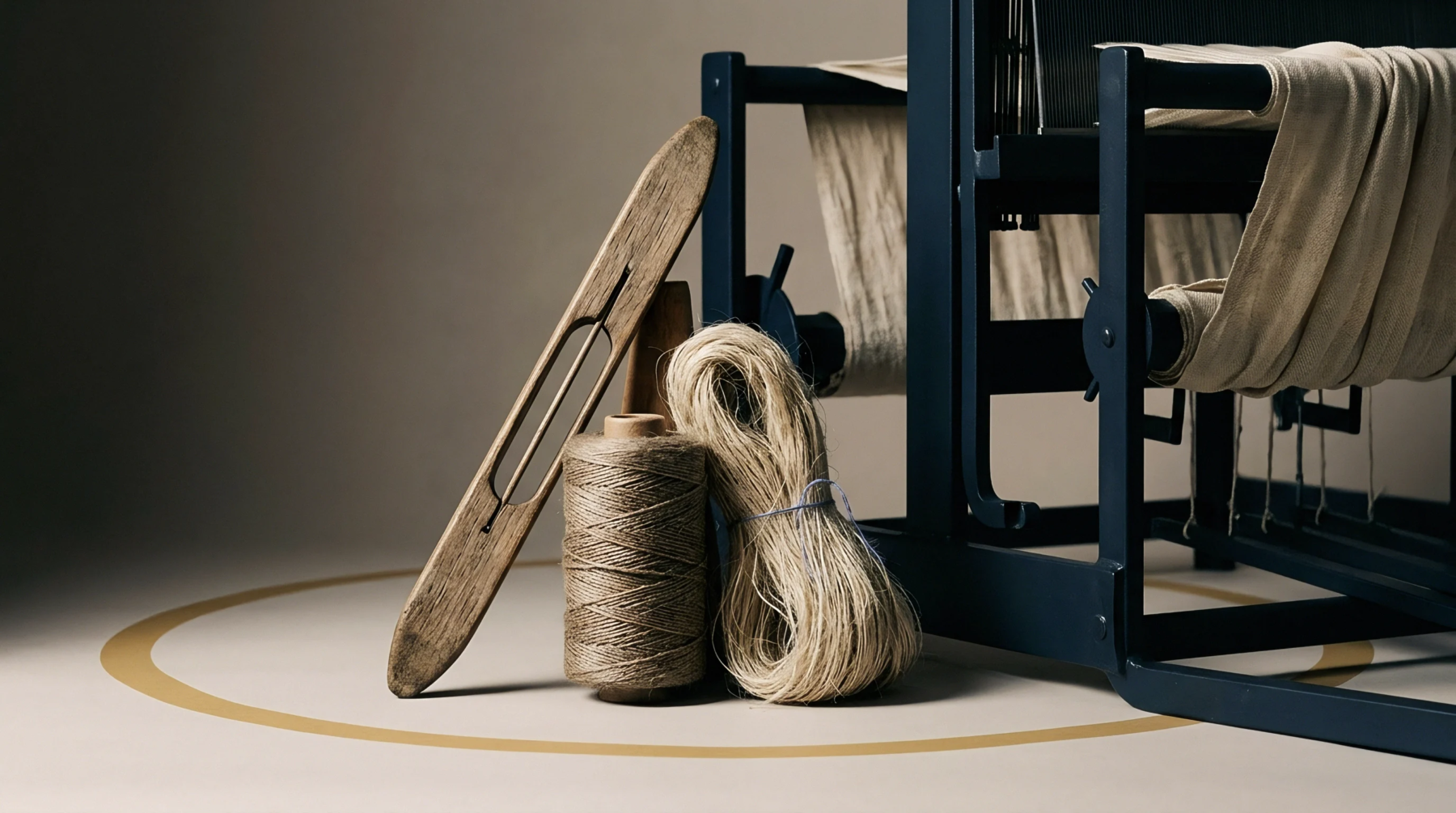
Standard bundle cut gravimetry determines line flax linear density by sectioning combed parallel strands to fixed length and weighing conditioned mass per ISO 2370.
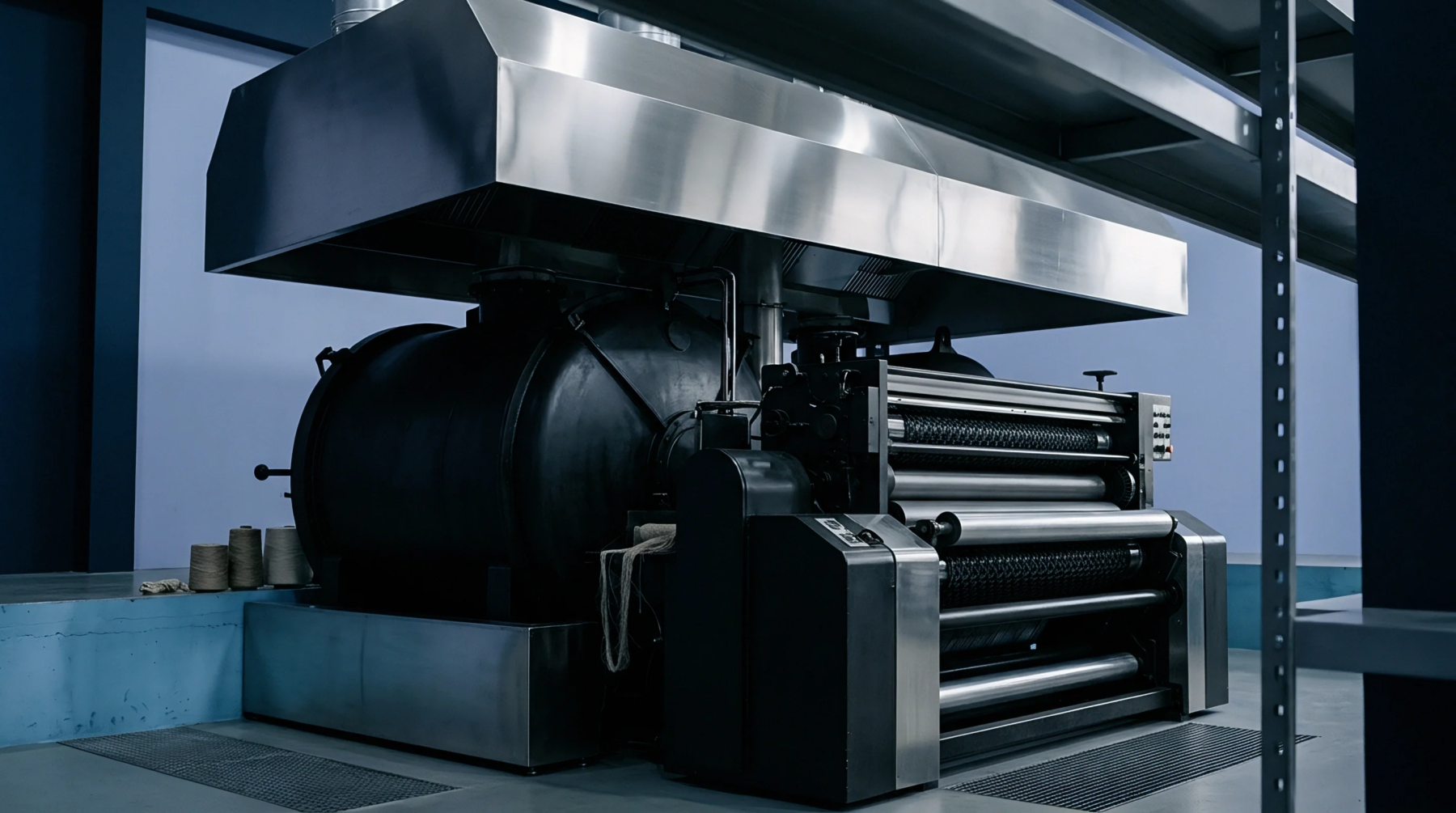
Critical wet spinning breakage thresholds occur when delivery speeds push dynamic balloon tension past wet bast cohesion, causing breaks above 40 ED1000.
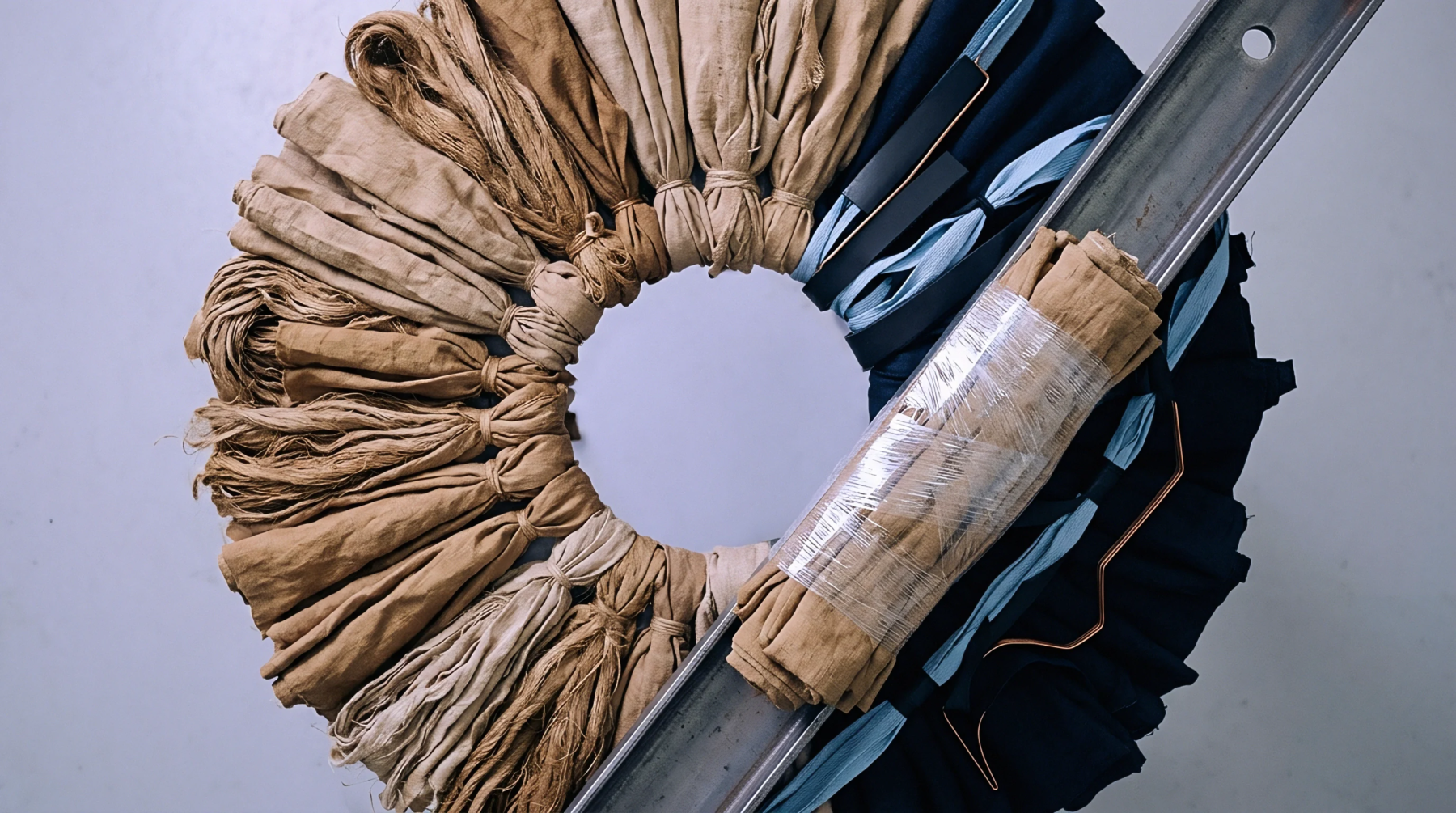
Low-pectin flax fibers lack internal viscoplastic damping, requiring wider ratch gauges, softer roller cots, and reduced draft ratios to stop drafting waves.
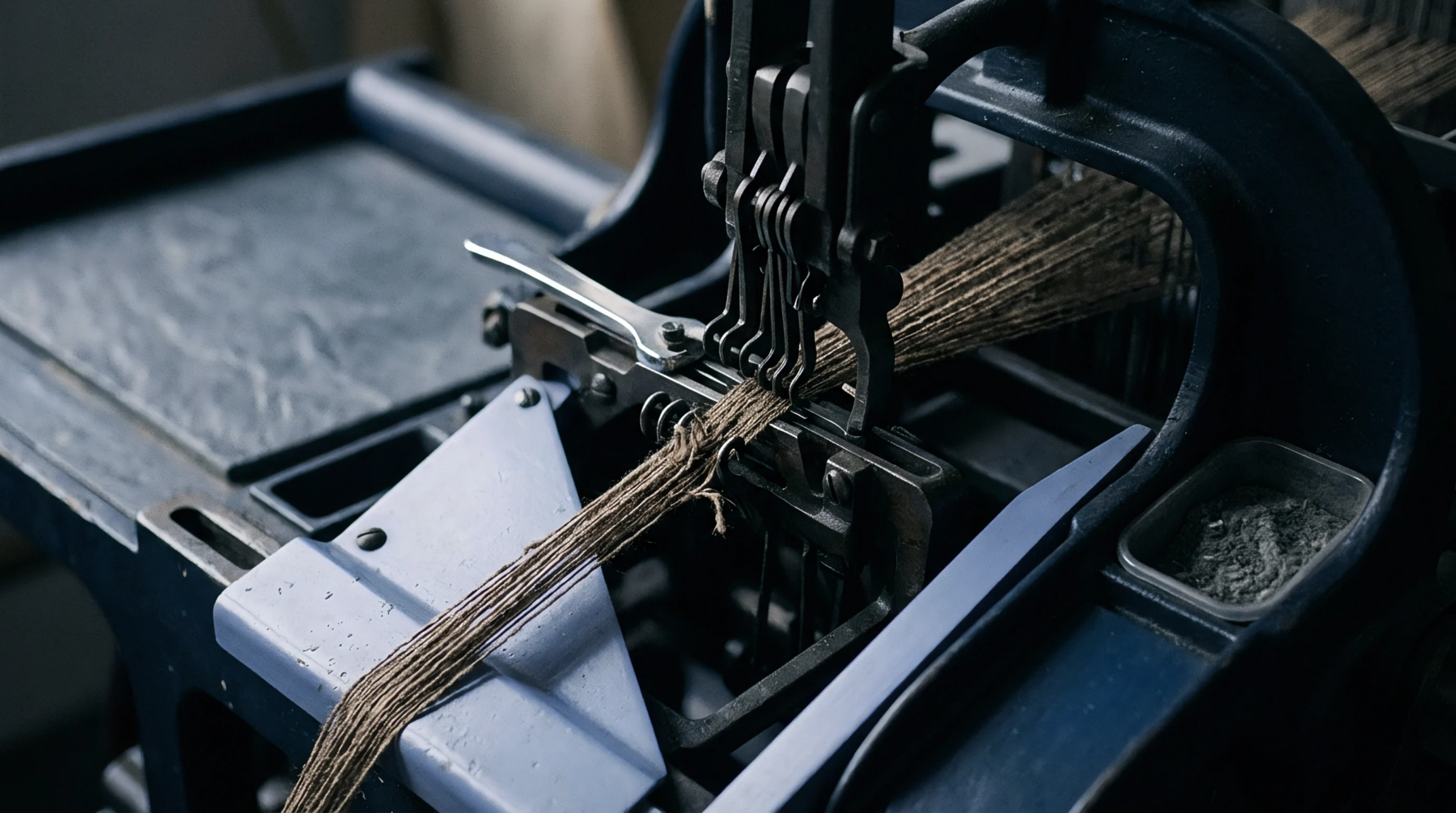
Sliver cohesion limits wet-spun flax counts by governing technical bundle division into elementary fibres under hot water drafting tension.

Fine wet spun linen above Nm 50 requires 1.35% to 1.85% bound xylan to preserve elementary bundle cohesion and prevent drafting breaks in warm water troughs.
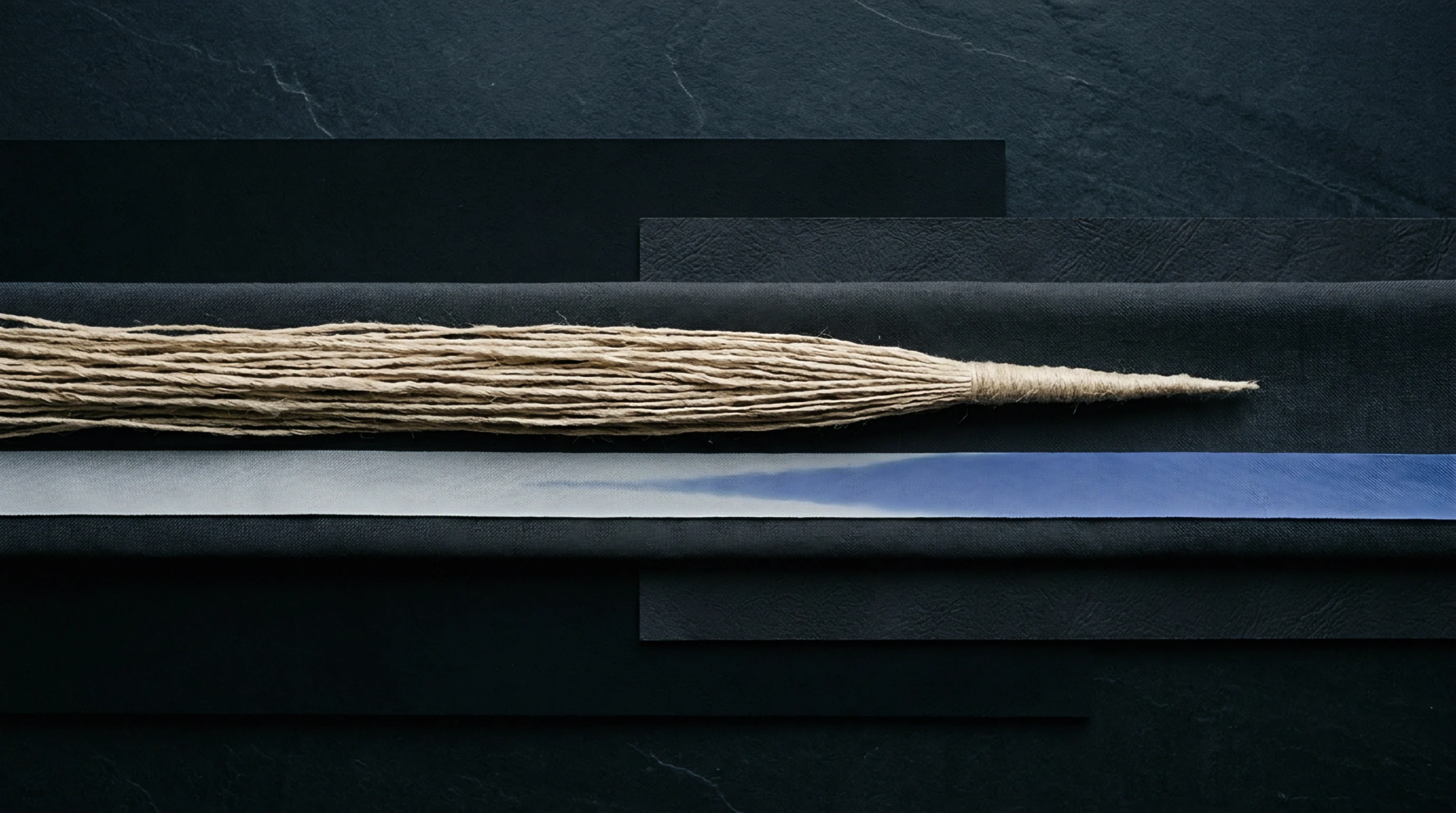
HPAEC-PAD tracking of neutral xylans during roving softening prevents over-degumming, securing 65 Nm wet-spun yarn tenacity above 32 cN/tex.

HPLC tracking of neutral sugars in wet spinning troughs enables bleed-and-feed control that prevents drafting cot glazing and reduces ring-frame end breaks.
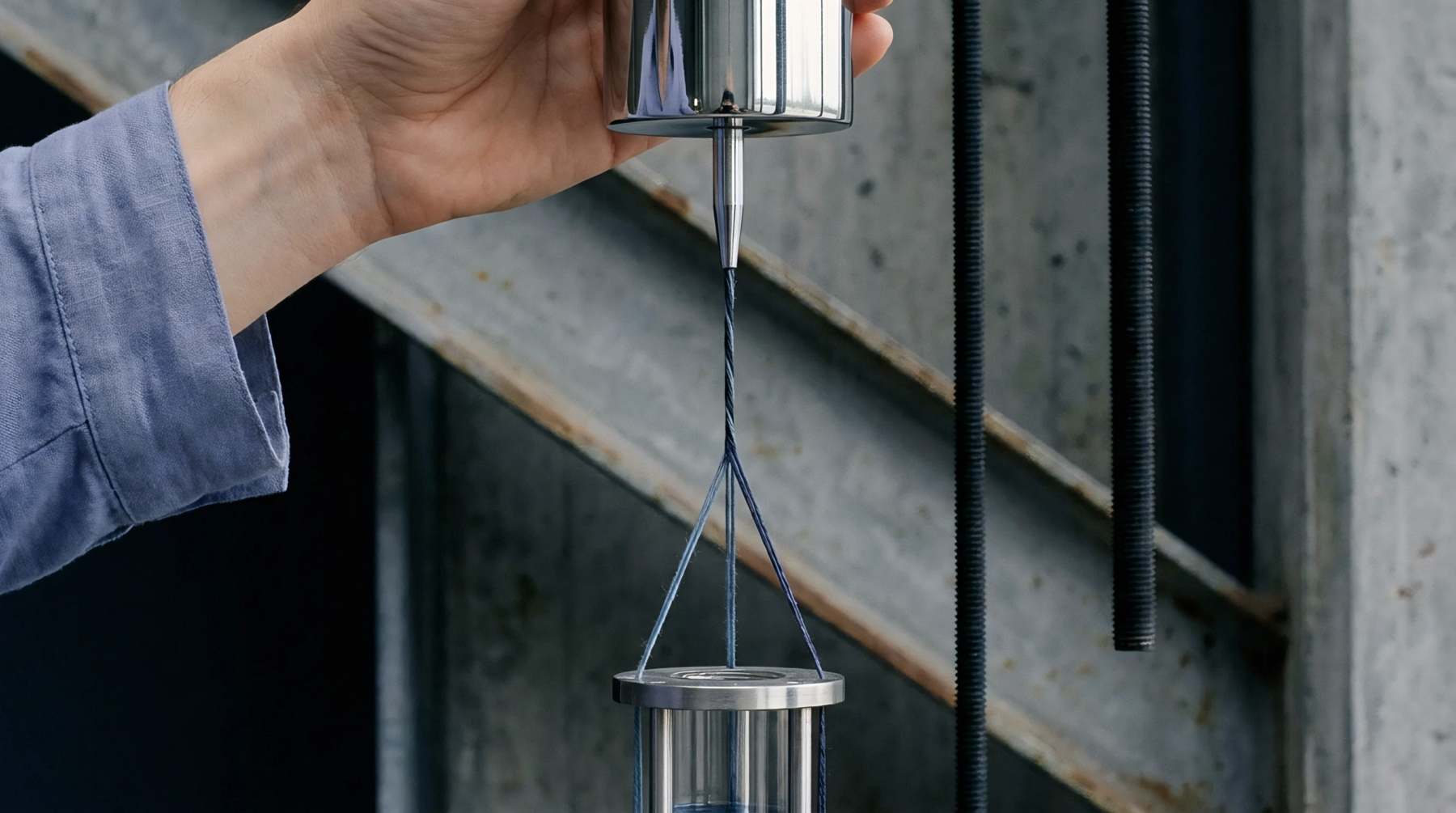
Controlled hot water soaking leaches middle lamella pectins so drafting roller shear divides technical bundles into elementary fibrils without fibre fracture.
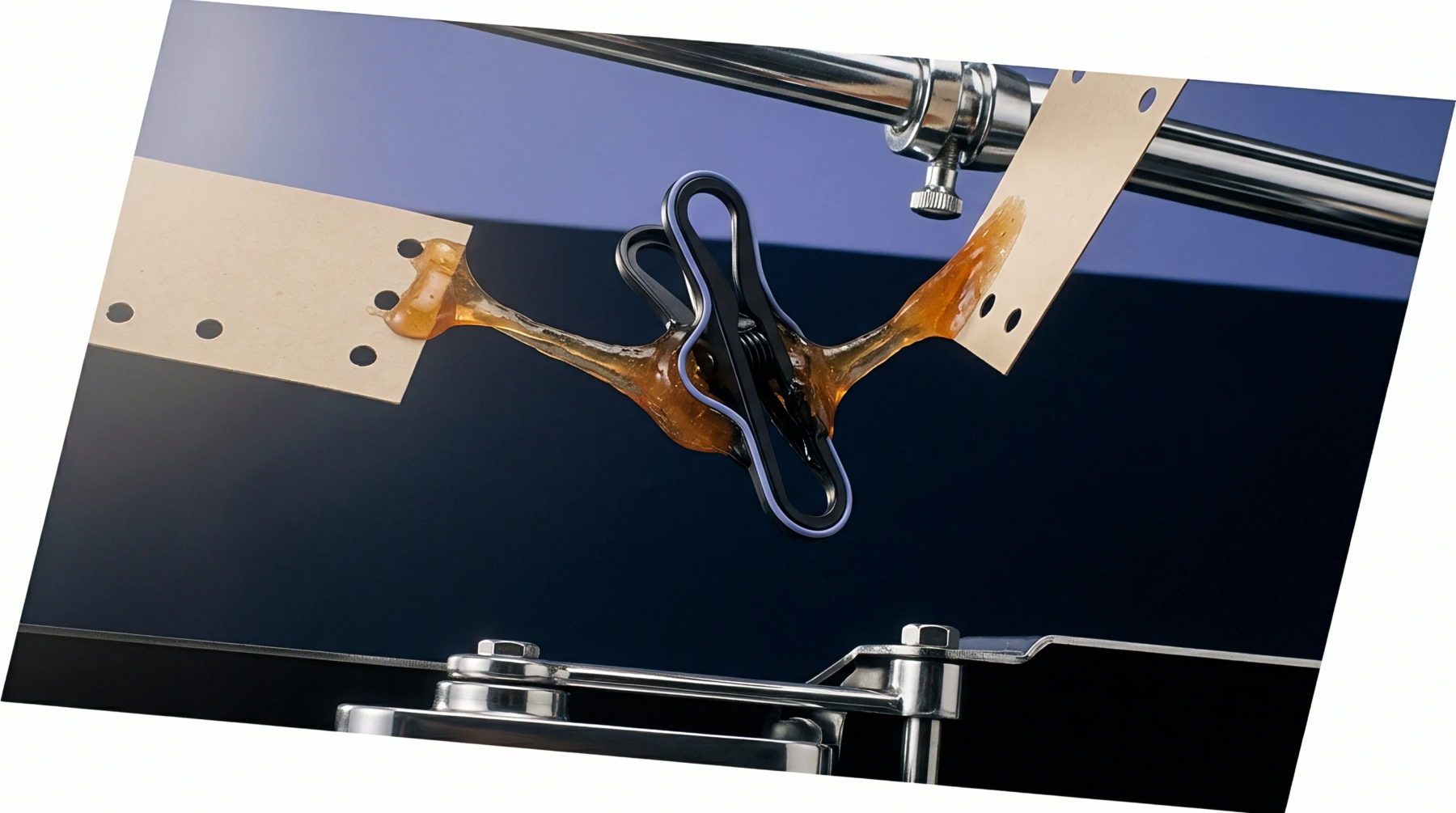
Staple length distribution dictates wet spinning limits because unguided short fibers trigger attenuation waves that multiply end breaks and inflate cost per meter

Manual comb sorting fractions technical flax bundles to establish true length distributions, setting drafting roller ratches and defending spinning yields.

Interlaboratory airflow divergence stems from specimen prep and moisture bias, distorting hackling yields and demanding strict referee testing clauses.

Specific surface area converts to wet spun yarn metric count by calculating equivalent bundle diameter and applying cross-sectional fibre population limits.
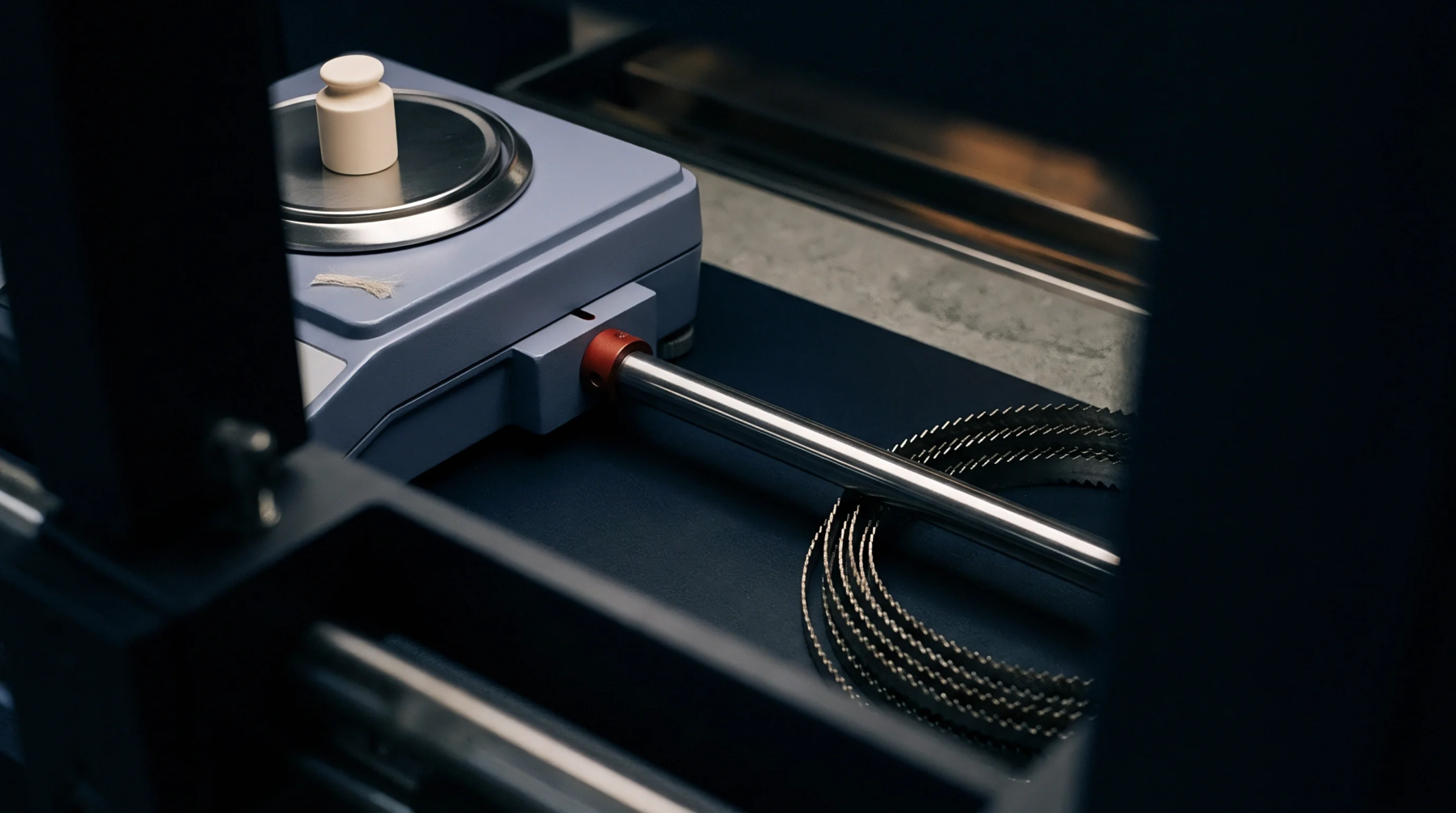
Airflow fineness measurement on hackled flax converts pneumatic resistance to metric count, requiring retting-specific calibration to avoid spinning failures.

Uncorrected airflow fineness overstates flax spinnability by measuring collapsed lumen perimeters as external surface area rather than true gravimetric linear mass.
Expertise is a utility, not a secret. sentiention™ publishes its working knowledge as open reference: intelligence layer covering the materials it sources, the markets it enters, and the reference that serves both.