Botanical Cell
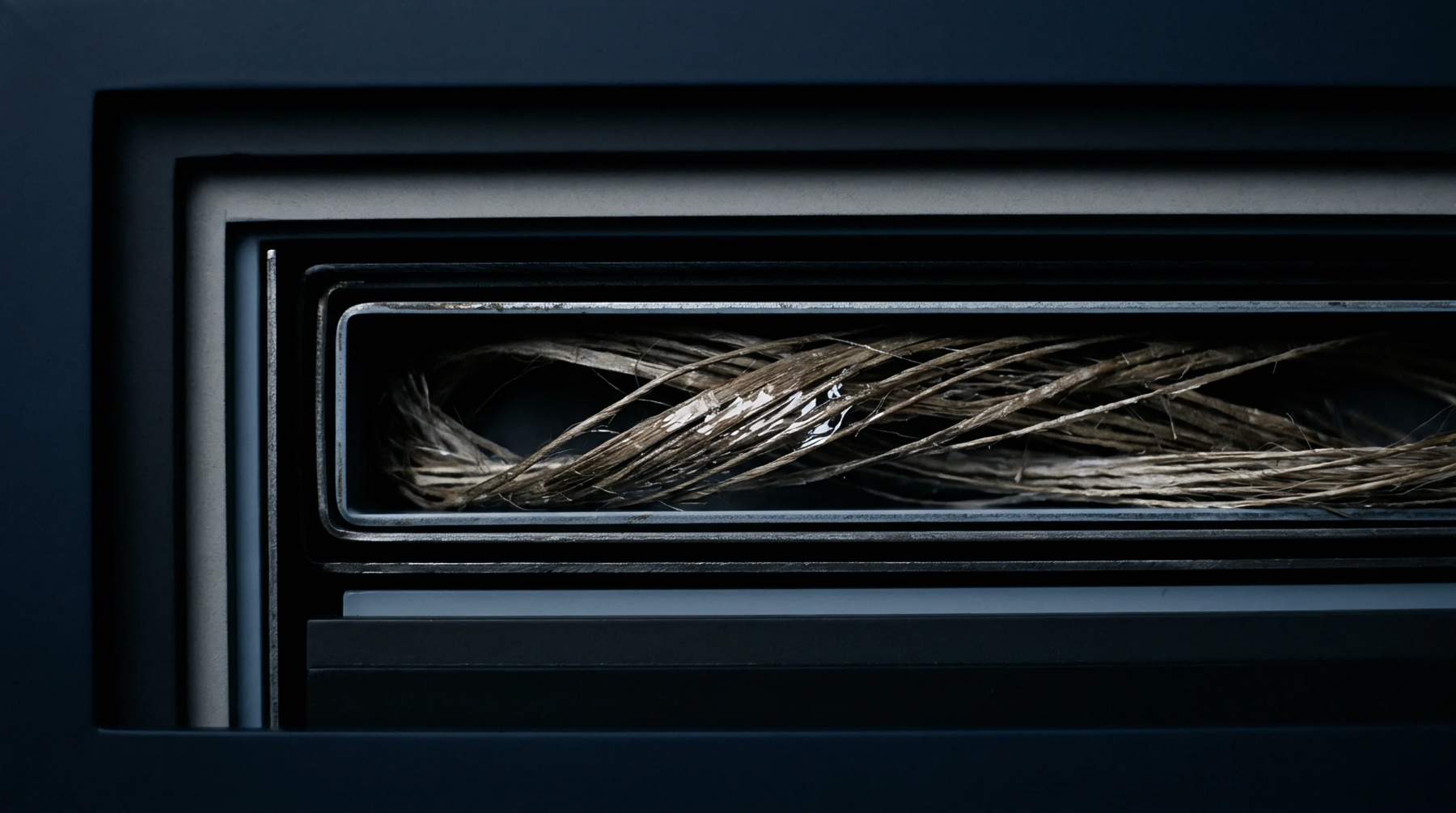
Anatomical sclerenchyma cells located within the phloem tissues of Linum usitatissimum provide the fundamental structural units of linen yarn. These botanical units, termed elementary flax fibers, exist as single elongated cells tapered at both ends, bonded together by an intercellular matrix of pectin, hemicellulose and lignin. Individual cell lengths span ten to sixty-five millimetres, while transverse diameters measure between ten and thirty micrometres.
The classification ceases to apply once chemical or enzymatic hydrolysis reduces the plant tissue below the cellular level into degraded cellulose chains.
Separation Mechanics
Technical extraction involves sequential retting, scutching and hackling operations designed to divide raw bast strips into manageable bundles. Dew-retting cultivates fungal populations that decompose pectinaceous Middle lamellae, loosening the bonds that hold elementary flax fibers in collective bundles. Mechanical scutching breaks the woody core while hackling combs through the loosened fibre strands.
In industrial wet spinning preparation, chemical boiling treatments dissolve secondary pectins to permit elementary cells to glide past one another during roving drafting. Drafting without sufficient pectin softening induces severe cell breakage, reducing overall tensile integrity and creating uneven yarn cross-sections.
Spinning Performance
Evaluation of fine wet-spun yarns depends on bundle divisibility during industrial processing. Spinning quality parameters correlate directly with the mean diameter of fiber bundles achieved when elementary flax fibers are mobilized under warm water baths on spinning frames. Fiber bundles containing fewer cell aggregations produce fine lea yarn counts suitable for delicate apparel fabrics.
Excessive processing that completely strips cellular pectin leaves individual cells too short to carry continuous spinning drafts, causing frequent ring frame stoppages. Laboratory verification measures bundle fineness via air-flow permeability apparatus and cross-sectional microscopic inspection before roving bobbin transfer. Uneven bundle breakdown yields thick-and-thin slub defects across finished woven fabrics.