Byproduct Class
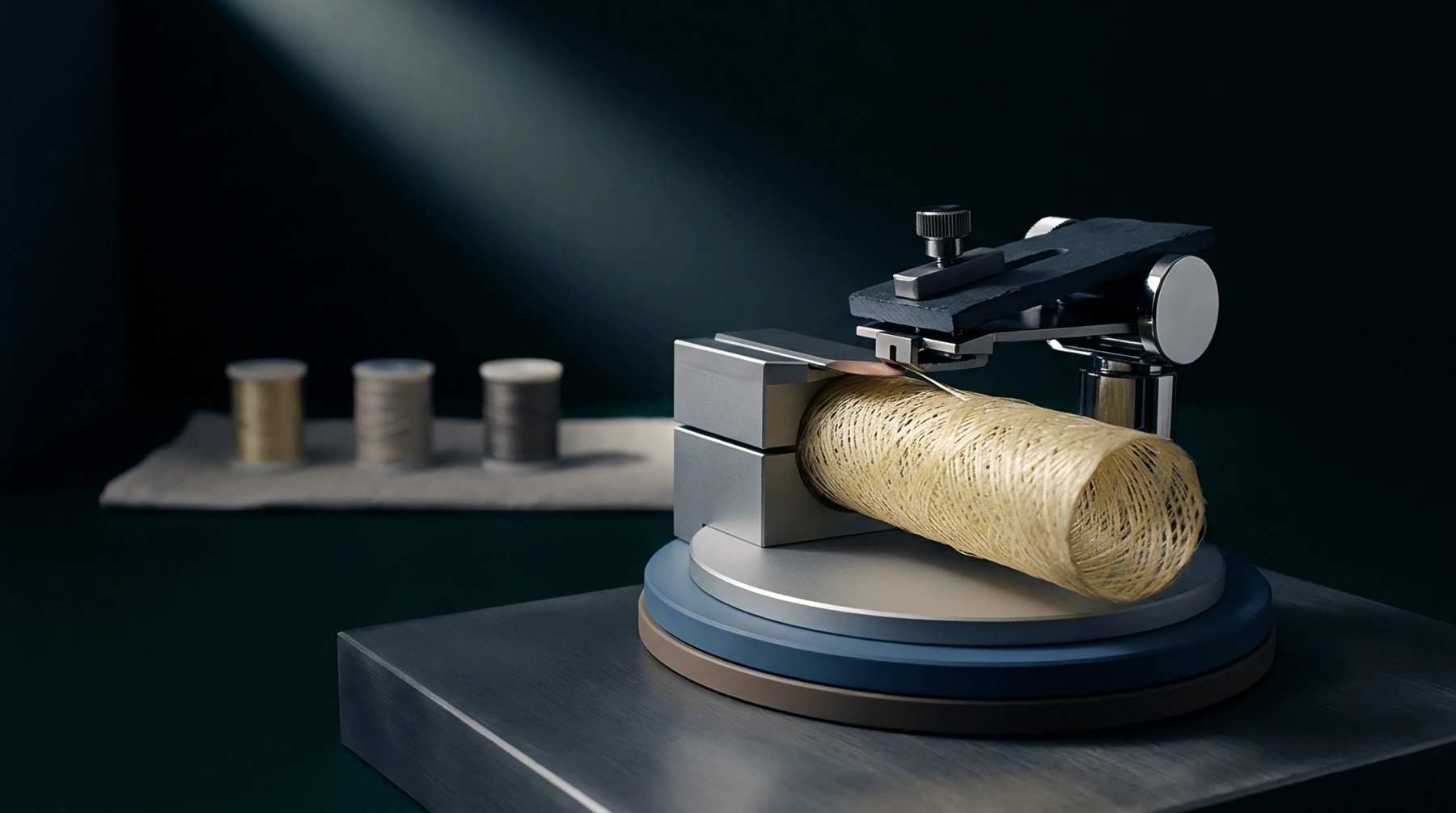
Byproduct classification covers the shorter, disorganized flax fibers that are separated from the long line fibers during the combing or hackling process. Although combed tow consists of shorter strands, it retains the high strength and moisture absorbency of the flax plant. Modern spinning mills collect this material and process it through specialized carding machines to align the fibers for spinning.
This action allows the mill to maximize its fiber yield while producing a versatile raw material for durable textiles.
Yarn Quality
Carded yarn spun from this material has a hairy and textured appearance. Mill operators blend combed tow with other natural fibers to create balanced yarns that are suitable for heavy upholstery or canvas. The short length of these fibers makes them less suited for fine linen shirts, but their texture is ideal for creating rustic, absorbent household fabrics.
Extraction Process
Hackling machines use series of fine metal pins to comb the flax bundles, removing shorter fibers and any remaining bits of woody shive. This mechanical action isolates the combed tow in the waste collection trays while the long line fibers continue to the drafting rollers. Fine pins are used in successive stages to ensure that even the smallest clinging fibers are recovered.
This methodical separation ensures that the main line fiber remains pristine while the recovered material is packed into dense bales for separate carding.