Dynamic Warp Tension Mechanics and Relay Nozzle Interference in Dense Linen Shedding
Dynamic tension control and precise advance relay nozzle blowing prevent shed cling and insertion failures in dense linen air-jet weaving.
Dynamic tension control and precise advance relay nozzle blowing prevent shed cling and insertion failures in dense linen air-jet weaving.

Dynamic peak tension for wet spun linen air jet insertion must stay below 2.1 cN/tex to prevent catastrophic yarn cleavage and maintain shed efficiency.
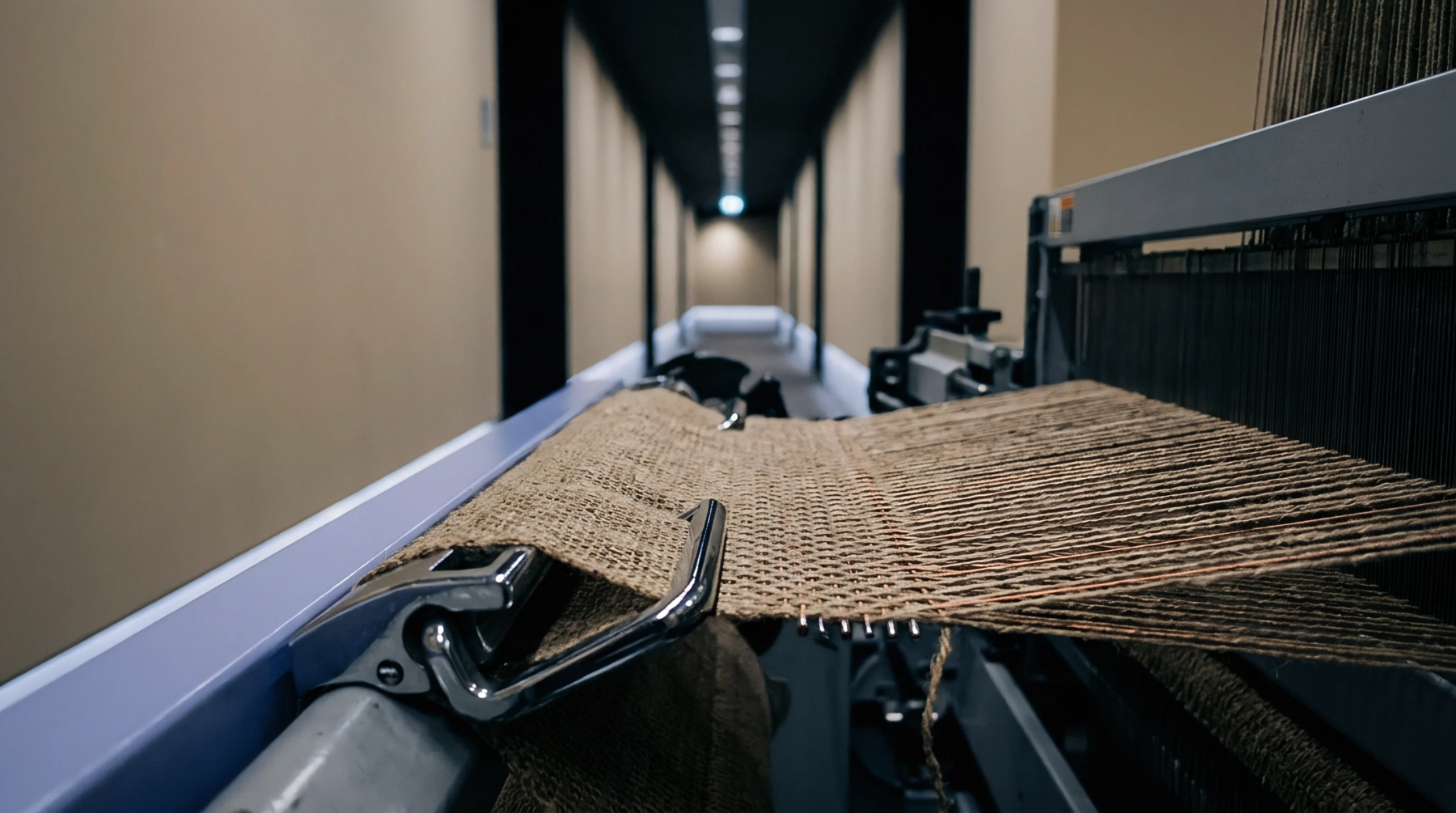
Stepped nozzle pressure profiles paired with high-film-strength size formulations reduce aerodynamic shear forces below wet-spun flax surface bundle cohesion.

Calibrate main nozzle pressure between 0.26 and 0.30 MPa for fine linen to prevent pectin shock fracture while maintaining 94% air-jet loom efficiency.
Enforce explicit machine serial numbers and liquidated hourly delay damages in greige contracts to prevent overbooked mills from diverting booked air jet capacity.
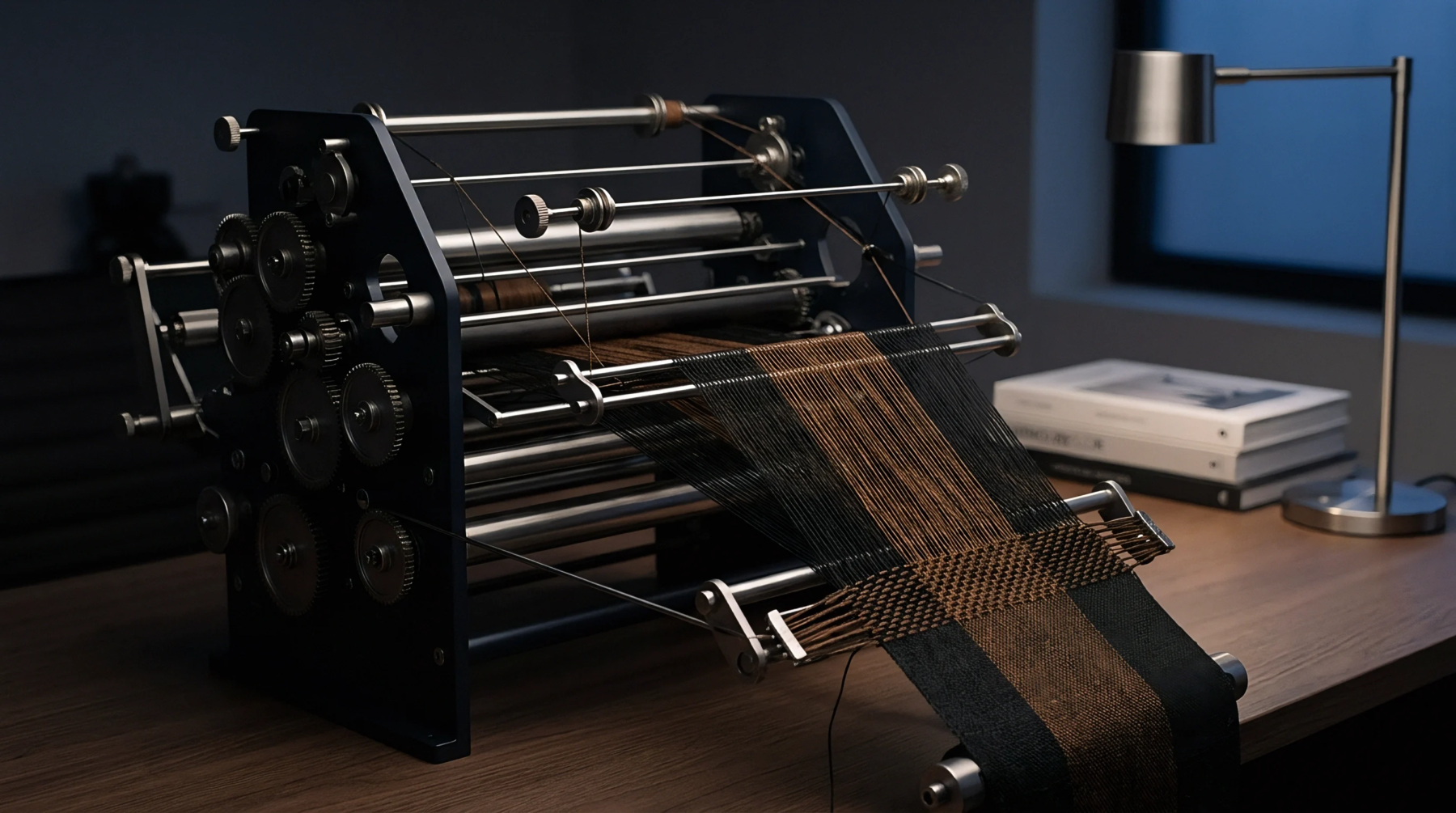
Air-jet looms lower unit costs on uniform fine yarn styles through high PPM, but rapier looms win on heavy or slubbed linen by avoiding expensive stop downtime.
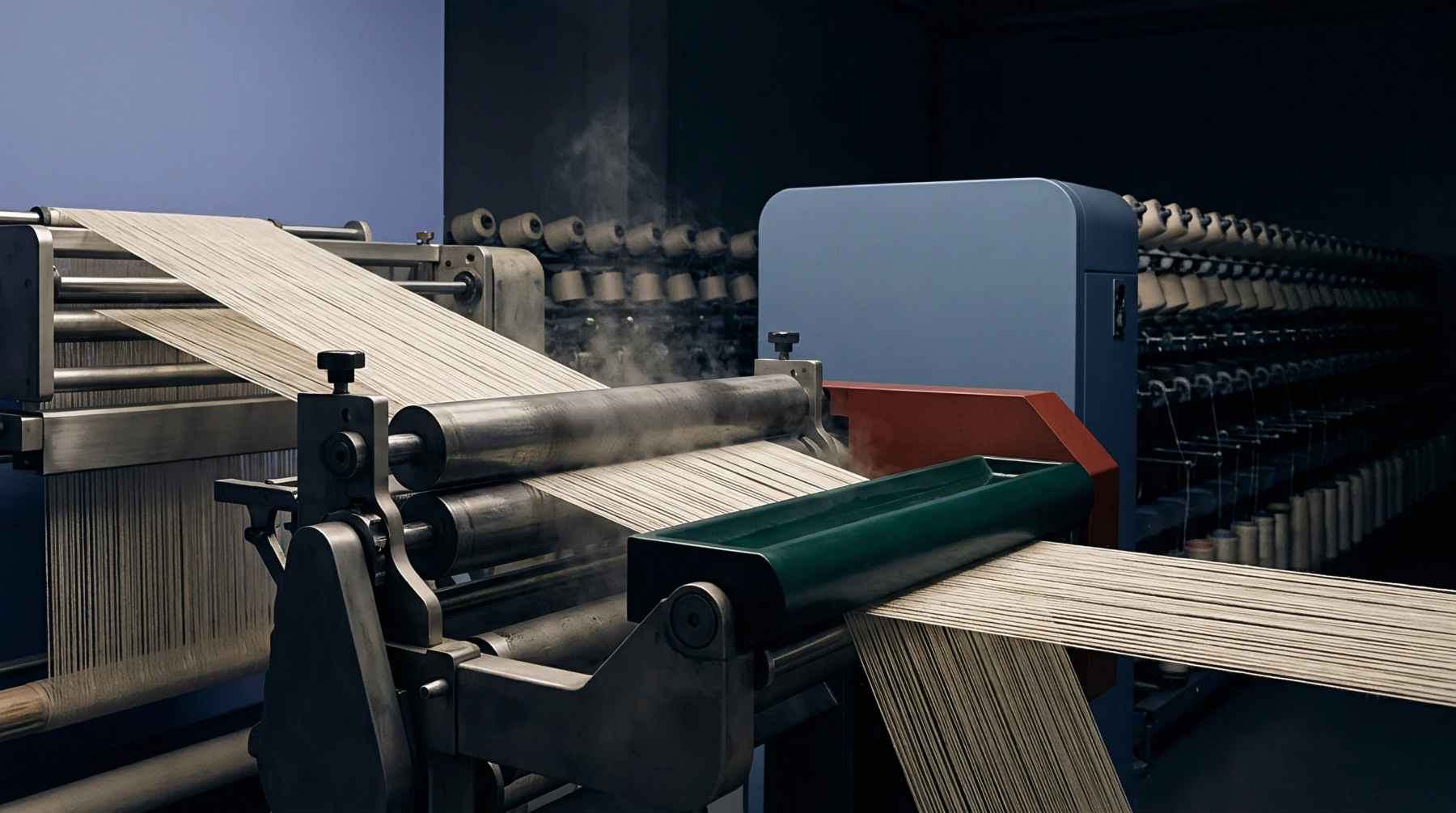
Polymer single-end sizing binds wet-spun linen fibrils below 50 s3 hairs per 100m, elevating loom speed to 700 ppm and cutting total landed weaving costs.
Throttling air jet pressure below 0.54 MPa on linen weft cuts compressor load but spikes stoppage rates, raising net weaving cost per metre.
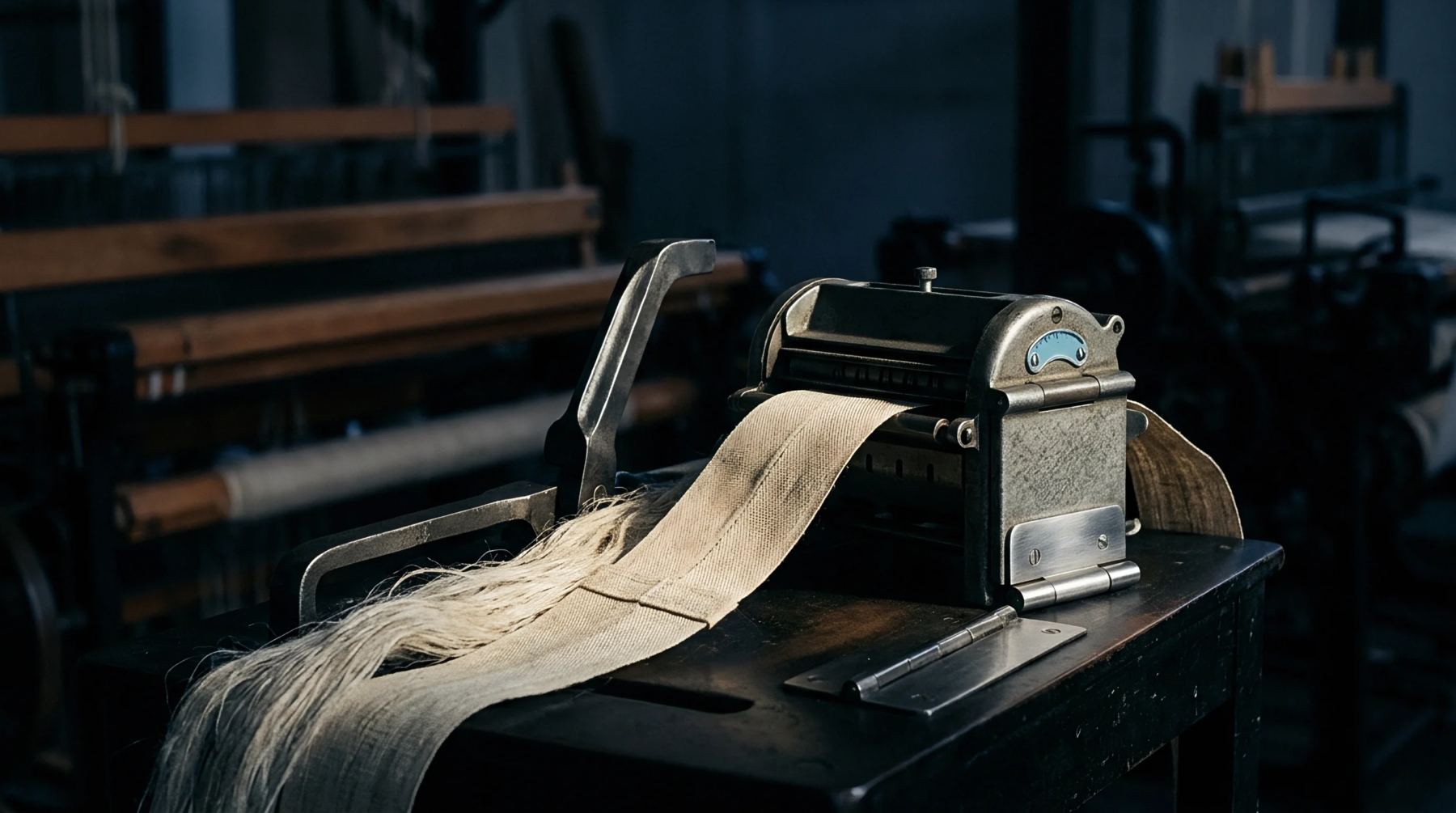
Optimizing profile reed depth and relay nozzle timing reduces air-jet pressure drops and drag stops when weaving high hairiness bast fiber warps.

Optimizing air jet linen shedding requires asymmetric harness levelling at 26 millimetres to balance relay nozzle clearance with tension limits.
Expertise is a utility, not a secret. sentiention™ publishes its working knowledge as open reference: intelligence layer covering the materials it sources, the markets it enters, and the reference that serves both.